King Charles III has officially delivered his first speech as British monarch. In an address recorded in the Blue Drawing Room at Buckingham Palace earlier this afternoon, Charles spoke of his beloved mother, who he said always saw the best in people, and promised his lifelong service.
“I shall endeavor to serve you with loyalty, respect, and love,” he said.
Here, read King Charles
Here, read King Charles III’s first speech in full:
I speak to you today with feelings of profound sorrow. Throughout her life, Her Majesty The Queen – my beloved Mother – was an inspiration and example to me and to all my family, and we owe her the most heartfelt debt any family can owe to their mother; for her love, affection, guidance, understanding and example. Queen Elizabeth was a life well lived; a promise with destiny kept and she is mourned most deeply in her passing. That promise of lifelong service I renew to you all today.
Alongside the personal grief that all my family are feeling, we also share with so many of you in the United Kingdom, in all the countries where The Queen was Head of State, in the Commonwealth and across the world, a deep sense of gratitude for the more than seventy years in which my Mother, as Queen, served the people of so many nations.
In 1947, on her twenty-first birthday, she pledged in a broadcast from Cape Town to the Commonwealth to devote her life, whether it be short or long, to the service of her peoples. That was more than a promise: it was a profound personal commitment which defined her whole life. She made sacrifices for duty. Her dedication and devotion as Sovereign never wavered, through times of change and progress, through times of joy and celebration, and through times of sadness and loss. In her life of service we saw that abiding love of tradition, together with that fearless embrace of progress, which make us great as Nations. The affection, admiration and respect she inspired became the hallmark of her reign. And, as every member of my family can testify, she combined these qualities with warmth, humour and an unerring ability always to see the best in people.
I pay tribute to my Mother’s memory and I honour her life of service. I know that her death brings great sadness to so many of you and I share that sense of loss, beyond measure, with you all. When The Queen came to the throne, Britain and the world were still coping with the privations and aftermath of the Second World War, and still living by the conventions of earlier times. In the course of the last seventy years we have seen our society become one of many cultures and many faiths. The institutions of the State have changed in turn. But, through all changes and challenges, our nation and the wider family of Realms – of whose talents, traditions and achievements I am so inexpressibly proud – have prospered and flourished. Our values have remained, and must remain, constant.
The role and the duties of Monarchy also remain, as does the Sovereign’s particular relationship and responsibility towards the Church of England – the Church in which my own faith is so deeply rooted. In that faith, and the values it inspires, I have been brought up to cherish a sense of duty to others, and to hold in the greatest respect the precious traditions, freedoms and responsibilities of our unique history and our system of parliamentary government. As The Queen herself did with such unswerving devotion, I too now solemnly pledge myself, throughout the remaining time God grants me, to uphold the Constitutional principles at the heart of our nation. And wherever you may live in the United Kingdom, or in the Realms and territories across the world, and whatever may be your background or beliefs, I shall endeavour to serve you with loyalty, respect and love, as I have throughout my life.
My life will of course change as I take up my new responsibilities. It will no longer be possible for me to give so much of my time and energies to the charities and issues for which I care so deeply. But I know this important work will go on in the trusted hands of others. This is also a time of change for my family. I count on the loving help of my darling wife, Camilla. In recognition of her own loyal public service since our marriage seventeen years ago, she becomes my Queen Consort. I know she will bring to the demands of her new role the steadfast devotion to duty on which I have come to rely so much.
As my Heir, William now assumes the Scottish titles which have meant so much to me. He succeeds me as Duke of Cornwall and takes on the responsibilities for the Duchy of Cornwall which I have undertaken for more than five decades. Today, I am proud to create him Prince of Wales, Tywysog Cymru, the country whose title I have been so greatly privileged to bear during so much of my life and duty. With Catherine beside him, our new Prince and Princess of Wales will, I know, continue to inspire and lead our national conversations, helping to bring the marginal to the centre ground where vital help can be given. I want also to express my love for Harry and Meghan as they continue to build their lives overseas.
In a little over a week’s time we will come together as a nation, as a Commonwealth and indeed a global community, to lay my beloved mother to rest. In our sorrow, let us remember and draw strength from the light of her example. On behalf of all my family, I can only offer the most sincere and heartfelt thanks for your condolences and support. They mean more to me than I can ever possibly express.
And to my darling Mama, as you begin your last great journey to join my dear late Papa, I want simply to say this: thank you. Thank you for your love and devotion to our family and to the family of nations you have served so diligently all these years. May “flights of Angels sing thee to thy rest”..
Reacties uitgeschakeld voor First Speech of king Charles III as a Monarch/Tribute to his mother Queen Elizabeth II
PLANTAGENETCOAT OF ARMS OF EDMUND CROUCHBACK [SON OFKING HENRY III, BROTHER OF KING EDWARD I ANDFATHER OF THOMAS, 2ND EARL OF LANCASTER], THOMAS,EARL OF LANCASTER AND HIS SUCCESSORShttp://www.newworldencyclopedia.org/entry/Thomas_Plantagenet,_2nd_Earl_of_LancasterVENERATION CULTUS OF THOMAS, EARL OF LANCASTER”SAINT THOMAS” [THOMAS THE MARTYR]PICTURE BELOW:
22 MARCH 1322-22 MARCH 2022/THE EXECUTION OF THOMAS OFLANCASTER, REBEL COUSIN OF KING EDWARD II/WARLORD/REFORMER/SAINT READERS Today I want to travel with you to 14th century England again, for it’s aspecial Day!Because it is exactly 700 years ago, that Thomas, Earl of Lancaster, Leicesterand Derby, was executed for treason on the orders of his first cousin, king Edward II [the son of the better known Edward I ”Hammer of the Scots [1]and the father of king Edward III, who started the Hundred Years War betweenEngland and France, the war in which Jeanne d’Arc played her role asheroine of freedom [2]And painful for Thomas:He was executed in his own castle of Pontefract [quite sadistic….] [3]I think a role played too the fact, that Edward II wanted revenge allthose years for Earl Thomas summarily executing [with some othercomrades in evil] his favourite, Piers Gaveston [4] Thomas of Lancaster was a very interesting man, whom I described beforein an extended article [nearly a book!] [5]He was about the Power, fought against his cousin king Edward IV for years,after an initial good and friendly contact [it is not known, why king Edward IIand his cousin Thomas fell out, but suddenly it happened, in november 1308 [6]and then the things went worse and worse.But although he did horrible things [like summarily executing Piers Gaveston,a favourite and close friend of Edward II], he was interesting, not onlybecause he held power for years against his cousin the king [from 1314-1318,when he signed a peace treaty with his cousin the King, the Treaty of Leake,which did not last very long…..[7],.No, he did moreWith Simon de Montfort [8] he laid the groundwork for the later Parliament,as driving power behind the Ordinances [9], which tried to limit the absolute Powerof the King. And can you imagine: This man, this warlord, who eventually rose in open rebellion againsthis cousin and king [10] and was all but a Saint, was venerated as Saintafter his death, first as an outlet for those who opposed the king and hislater favourites the Despensers [11], but later as a real Saint [12], although he wasnever canonized. [13] EARL THOMAS’ BROTHER, EARL HENRY [LATER THE 3RD EARLOF LANCASTER] By the way, his brother, Earl Henry, who later inherited his titles [Thomasof Lancaster had only two illegitimate sons, his marriage was childless and bythe way, unhappy], is a very interesting person too and one of my favourites!For a nobleman, he was a real familyman, who rather stayed with his familythen playing powerpolitics. He was clever too:Because most of the the period that his brother Thomas and king Edward II had their fight for power, he stayed in France [where he had possessions] and when his brother Thomas openly rebelled against Edward II, he did not participate and rather stayed in France, as to prevent that he had to make the painful choice between joining his brother in rebellion and treason or to stay loyal to the king and abandon his brother. [14]That must have been very painful for Earl Henry, but in the period after his brother Thomas’ execution, when his cousin king Edward II ruled with his favourites the Despensers [who were the driving forces behind the executionof Thomas of Lancaster, who rebelled against the king partly for lust ofpower and partly to destroy the Despenser influence on the king] [15], EarlHenry operated very carefully at Court and eventually played a majorrole in the fall of the Despensers, which also resulted in the abdicationand death of Edward II [16]Because his clever and careful manoevres during the Edward II/Despenserreign I called him the ”Mystery Man” [17] By the way, by Earl Henry’s granddaughter Blanche of Lancaster [the daughterof his son Henry of Grosmont, later DUKE of Lancaster], he wasthe greatgrandfather of the later king Henry IV [who, by what nowpeople would call a ”coup” usurped the throne from the lawful kingRichard II, who was his first cousin, both grandsons of king Edward III][18] And by Henry’s daughter Maud of Lancaster [19] he was one of the ancestorsof the present British monarchy [his daughter Maud of Lancaster wasthe mother in law of Lionel of Antwerp, the second son of Edward III andthe maternal greatgreatgrandfather of Richard, Duke of York, who wasthe paternal grandfather of Elisabeth of York, who was the wife of Henry VII, and mother of king Henry VIII and via one of her daughters, thegreatgrandmother of Maria Stuart, from who all subsequent British kings andQueens descended] [20] THOMAS OF LANCASTER, AGAIN But it is about Earl Thomas of Lancaster today!And because it is 700 years after his execution, hereby the ExecutionChapter And to honour a man, who, with all his faults and atrocities, was oneof the groundworkers for the later English parliament, althoughhe, of course, supported the Ordinances [21] in order to servethe interest of the high nobility, and of course his own
The travel Revenge of the King Reception Trial The others Last passage
””Now the king of Heaven give us mercy, for the earthly king has forsaken us!”
The long battle between Thomas and his cousin King Edward II was over. The way to the grisly end was about to begin:
An end, which was not about to bring the King and the [in january returned] Despensers much joy, but would cast a shadow on their lives and reign.
After the devastating end of the Battle of Boroughbridge, resulting in the horrible death of the Earl of Hereford [452], companion till the last of Thomas of Lancaster [and by the way, the brother in law of Edward II] , Thomas of Lancaster found himself prisoner of the King.
The humiliation could begin…….
THE TRAVEL
Thomas was taken by water via York to Pontefract Castle. That was an intent torment and humiliation, since Pontefract Castle was his favourite residence. [His constable had surrendered to the King without a fight] That must have been very bitter for Thomas.
He was forced to wear garments of the striped cloth which the squires of his household wore, an intentional humiliation of a man of high birth and rank. [453]
But that was not enough:
On the way to York, a crowd of people threw snowballs at him, called him a traitor, and shouted “Now shall you have the reward that long time you have deserved!” [454] Interesting though that there must have been among them people, who later revered him……
At the meantime other adherents of Thomas of Lancaster were taken prisoner, who would share his fate, as the story will show.
REVENGE OF THE KING
The King had tried to make it as humiliating as possible for his cousin and long time adversary Thomas. He ”received” his cousin at his own favourite Castle of Pontefract, accompanied by his favourites the Despensers, who must have thought, that it was their moment of joy. Quod non [Latin for: that is not the case] [455] as will the story reveal later [See Chapter 10, Aftermath]
But although sad for Thomas, the satisfaction the King’ undoubtedly felt, now his powerful cousin was at his mercy, is in a way understandable.
It was not only the 10 year long resistance of Thomas, complete with jeering at the King [in 1317 and 1320], and blocking his way with armed guards [456], probably the King’s most important feeling was revenge for the death of Piers Gaveston, since Thomas was one of the responsibles for his [Gaveston’s] murder [457], a cruel and illegal act against a man, who was vain, avaricious and insulting [to the Lords] [458], but further didn’t do the Lords any wrong.
And Edward II had made no secret of his need for revenge! During the siege of Berwick in 1319 [459] in which Thomas had cooperated with Edward [460], he [Edward] made clear what was on his mind by declaring “When this wretched business is over, we will turn our hands to other matters. For I have not forgotten the wrong that was done to my brother Piers.” [461] That threat was obviously aimed at Thomas, who left Berwick later [and right he was!]. [462]
And as I have said before, when it came to revenge, Edward II was true to his word.
RECEPTION
On 21 march, Thomas of Lancaster arrived at his Castle of Pontefract. And what was to be expected, the Despensers couldn’t resist to show their satisfaction in humiliating Lancaster. Thomas was ”contemptuously insulted……to his face with malicious and arrogant words” by the king and the recently returned Despensers” [463] Nice reception in your own castle……
TRIAL
Now rumour had it that Thomas of Lancaster had built a tower in which to hold the king captive for the rest of his life. And, surprise, surprise…… In that very [supposed for imprisonment of the King] tower Thomas was kept prisoner….. [464] The day after Thomas’ arrival, 22 march 1322, his ”trial” took place. I say ”trial” because it didn’t deserve the name at the least.
It was a mock trial, that took place in the hall of Lancaster’s own castle [how bitter…..] and the outcome was a foregone conclusion. Thomas was not allowed to speak in his own defence as his crimes were deemed ‘notorious’ [465]
According to sources he was said to have exclaimed: ” “This is a powerful court, and great in authority, where no answer is heard nor any excuse admitted,” [466] And right he was! The fact that Thomas didn’t grant Piers Gaveston a fair trial too [yet apart from the fact that he had no right to give him a trial anyway], doesn’t excuse his ”judges” to do the same with him.
And there were ”judges”, who undoubtedly would later regret their own injustice…………
See Chapter 10 ”Aftermath”
”Judges”:
The composition of those socalled ”judges” was a laughing stock anyway, were it not so grave an affair, since they consisted of either his enemies, or staunch adherents of the King [or a combination of those two]
The ”judges” were:
Thomas’ first cousin, King Edward II
The Despensers [father and son]
The Earl of Pembroke [Thomas’ first cousin once removed. Originally one of the besiegers of Piers Gaveston in 1312, now he was a staunch adherer of the King, since he was against his will, forced to break his word against Piers Gaveston, who was in his custody and in Pembroke’s absence abducted by the 10th Earl of Warwick, which lead to Gaveston’s execution. His presence at this mock trial was a pity, I have mentioned him several times as a man of honour, who repeatedly tried to reconcile Edward II and Thomas of Lancaster, but perhaps he was forced to become part of this show trial] [467]
The Earl of Kent [halfbrother of King Edward II, and first cousin to Thomas of Lancaster] [468]
The Earl of Richmond [first cousin to King Edward II and Thomas of Lancaster] [469]
The Earl of Arundel [choose the King’s side after the murder of Gaveston, whom he had executed after a mock trial together with Thomas of Lancaster, the 10th Earl of Warwick and the Earl of Hereford, who died at the Battle of Boroughbridge] [470]
The Earl of Surrey , [originally one of the besiegers of Piers Gaveston in 1312 and later a mortal enemy of Thomas. Under his responsibility Thomas’ estranged wife Alice de Lacy was abducted, which lead to a private war between Surrey and Thomas] [471]
The [Scottish] Earls of Atholl and Angus, who had once served in the retinue of Thomas of Lancaster. [472]
The royal justice Robert Malberthorpe, who spoke out the charges against him. [473]
Striking is, that three of the ”judges” [Edward II, the Earl of Kent, the Earl of Richmond] were first cousins of Thomas of Lancaster [474] and one, the Earl of Pembroke, his first cousin removed. [475]
NICE FAMILY……..
Charges:
Thomas was charged [of course] for treason, as he and other Contrariants had invited several of Robert Bruce’s liegemen to England in 1322 to ride with them against their king. [476]
But that was not all:
The list of charges comprised the many grievances Edward managed to dredge up against his cousin, going back to Thomas’s seizure of his possessions at Tynemouth in 1312 [when Lancaster and the other barons were pursuing the King and his favourite Piers Gaveston, after his return from permanent exile. The charge however was unjust, since Lancaster had given the possessions back in 1313] [477] and including Thomas’s jeering at him from the Pontefract battlements in 1317, [478] and Lancaster’s blocking of the roads in an attempt to prevent Edward’s travelling through Yorkshire. [479]
Verdict: A fourtheenth century scandal
One need not to be surprised about the verdict:
Of course Thomas was found guilty, since this was a show trial, containing ”judges”, who were extremely hostile to him.
But to be fair: Even if it WERE a fair trial, the exchanged letters and dealings with the Scots [480] were reason enough to condemn him.
Therefore it was not the CONDEMNATION that was shocking, and caused a scandal, but the fact, that Thomas was condemned to death, which was a break with the convention of the time, not only because of his close kinship to the King [first cousin, Lancaster’s father was the younger brother of King Edward I], but especially because since Waltheof, the Earl of Northumbria was executed in 1076 on the orders of William the Conqueror [481], no English Earl was ever executed. [482] In cases, comparable with Lancaster, an Earl had to suffer ”only” life imprisonment or exile. [483]
I think, that the King perhaps had shown mercy [I mean, not imposing the death penalty], were it not for Lancaster’s involvement in the murder of King’s favourite Piers Gaveston[484], which was not one of the charges, but the underlying reason for the King’s need for revenge. [485]
But there was more: Not only the death penalty was pronounced, Thomas was condemned to the worst form, the traitor’s death: In other words: to be hanged, drawn and quartered…..[486]
But the King was not totally crazy: Executing a [royal] Earl was already a scandal, but to be hanged, drawn and quartered…… Besides, whatever had happened between them, Thomas was the King’s first cousin and of royal blood Therefore the King commuted this verdict to ”merely” beheading……[487]
However, some sources mention, that the King commuted the ”hanged, drawn and quarted” verdict to beheading “for the love of Quene Isabell,”[488], which possibly means, that the King commuted the verdict to beheading as a result of intercession of Queen Isabella [489], who was with King Edward at Pontefract [brrrrrr, horrifying, to accompany one’s husband at the eve of an execution….yet when she really intervened, it was a good thing that she came…..] [490] Queen Isabella was, you remember still,,,, Thomas’ niece, since he was the halfbrother of her mother, Queen Joan I of Navarre] [491]
Of course the phrase “for the love of Quene Isabell” can also
mean, that the beheading verdict was the King”s own decision, but that he considered his and Queen Isabella’s relationship with Thomas of Lancaster……
THE OTHERS
Before we follow Thomas on his last passage, there is a lot to tell about his adherents, who were captured together with him or on other locations around the same time: I mention six knights, who were hanged at Pontefract around or at the same time as Thomas were executed: William Cheyne or Cheney, Warin Lisle, Henry Bradbourne, William Fitzwilliam, Thomas Mauduit and William Tuchet [492]
According to the Flores Historiarum [493], such a lack of humanity was shown, that Thomas had to face their execution before he himself was executed[494] [although the Flores Historiarum mentioned nine of his knights, while other sources give six] [495]
Anyway, Edward II was not satisfied with seven executions [Thomas and the six knights], as a whole at least between 19 and 22 lords and knights were executed and one, Lord Badlesmere [from the Siege of Leeds, see Chapter 7] suffered the traitor’s death. [496] Many were imprisoned, even the wives and children of the rebels [see also Chapter 10, Aftermath] [497] A bloody project of a vengeful King, undoubtedly stimulated by the [with right mentioned so by the rebels!] evil councillors, the Despensers. [498]
LAST PASSAGE
It was on the morning of 22 march, that Thomas of Lancaster heard his verdict, condemned in the Hall of his own Favourite Castle in Pontefract. The same morning, on a cold, snowy day, Thomas was executed. The King, apparently making a holiday of his cousin’s trial and execution, had arrived there on 19 march, together with Queen Isabella and spent there until 25 march…..[499] [strong nerves they must have had…….]
However, rather than have him executed in the castle bailey, Edward II had a painful ”surprise” for Thomas of Lancaster, which showed his desire for revenge on the execution of his favourite, Piers Gaveston: In fact, he arranged a ”parody” on the execution of Piers Gaveston [who was executed on a hill, called ”Blacklow Hill” and also beheaded] [500]
Thomas was taken outside to a small hill, outside of the walls of his favourite Castle Pontefract, mirroring Piers’ 1312 death on Blacklow Hill. He was forced to ride “some worthless mule” and “an old chaplet, rent and torn, that was not worth a half-penny,” was set on his head. A crowd of spectators again threw snowballs at him. Apparently at the king’s order, Thomas was forced to kneel facing towards Scotland, in a pointed reminder of his correspondence with Robert Bruce [which of course had been treason] [501]
Then Thomas uttered the words:
“Now the king of Heaven give us mercy, for the earthly king has forsaken us!” [502]
Two or three strokes of the axe and he was beheaded.
Thomas of Lancaster, Earl of Lancaster, Leicester, Derby, Lincoln and Salisbury, long time adversary of his cousin Edward II and the last to defend the Ordinances [503] was no more………
Kathryn Warner is a Medieval historian whom I value very much.Hereby I post oneof her excellent articles she wrote on her Blogspot, where are to be found hundreds of very, veryvaluable articles about events, issues and personalities about the period of the reign of kingEdward II, 1307-1327Karthyn Warner is a great expert on the reign of king Edward II and wrotealso agreat number of books about that period. See her Blogspot http://edwardthesecond.blogspot.com/
This article is about Sir Robert Holland, a close friend and ally ofking Edward II’s cousin, Earl Thomas of Lancaster.Earl Thomas of Lancaster was a very interesting historical person,who, after an initial good relationship with his cousin king Edward II,fell out with him and eventually came into open rebellion againsthim, which ended with his execution in march 1321.Interesting fact:After his death he was venerated as a Saint for more then200 years!If you want to know, how a warlord became a Saint, read my articleabout Earl Thomas of Lancaster! IN CHAPTERS https://www.astridessed.nl/my-earl-thomas-of-lancaster-article-in-chapters/
I’ve previously written a post about the murder of Sir Robert Holland in October 1328, and another about his daughter Isabelle, mistress of John de Warenne, earl of Surrey (d. 1347). Here’s one about Robert himself, a knight of Lancashire whose grandchildren were the older half-siblings of King Richard II.
Robert’s family came originally from the village of Upholland in Lancashire, and in the thirteenth and fourteenth centuries, the name was spelt Holand, Holande, Holond, Holaund(e), Hoyland, Hoylaund, etc. Robert’s father was also called Sir Robert Holland, and the older Robert was the eldest of the six sons of Thurstan Holland, who was himself the son of yet another Robert Holland. [1] This Robert and his son Thurstan, our Robert’s great-grandfather and grandfather, were imprisoned in 1241 after setting fire to a house belonging to the rector of Wigan.
Our Robert’s mother, Elizabeth, was the third and youngest daughter, and co-heir, of Sir William Samlesbury, who married Avina Notton and died in c. 1256, leaving their three daughters Margery, Cecily and Elizabeth as his heirs. Elizabeth and Sir Robert Holland Senior were certainly already married by September 1276 and probably a good few years before that. Robert Senior is assumed to have died c. 1304, while Elizabeth was still alive in 1313/14. The date of birth of Robert and Elizabeth’s eldest son and heir, our Robert, is not recorded but was probably sometime near the start of the 1270s; his father settled a tenement on him in Pemberton and Orrell in 1292, suggesting he was at least twenty-one then and may have recently turned twenty-one. In the late 1310s and early 1320s, a ‘Simon de Holand’ (d. 1325) was associated with Robert, who gave him a plot of land in Lancashire, and there was also a ‘Richard de Holand, knight’ who joined the Contrariant rebellion of 1321/22 with Robert. There’s an entry in the Final Concords for Lancashire in October 1321 regarding ‘Richard son of Robert de Holand, plaintiff’. [2] As the sons of our Robert Holland were still children in 1321, this would appear to mean that Richard was a son of Robert Holland Sr (d. c. 1304) and therefore our Robert’s brother. Robert certainly had a younger brother named William, who died in the late 1310s or early 1320s and whose son and heir was named Robert, and there are also references in the chancery rolls in the 1330s and 1340s to another son of William’s called Thurstan.
J.R. Maddicott has pointed out that Robert Holland’s origins were not quite as humble as some fourteenth-century chroniclers, notably the Brut and Henry Knighton – who wrote that the earl of Lancaster raised Robert ‘from nothing’ – claimed. [3] C. Moor’s Knights of Edward I (vol. 2, p. 233) states that our Robert was active as a knight and a keeper of the peace in Lancashire as early as 1287, but surely that’s his father of the same name. As so often happens when father and son had the same name, it’s difficult, or even impossible, to distingush between them, especially when the son reached an age where he became active as a knight and soldier. It was possibly the younger Robert, rather than his father, who was appointed to ‘choose 2,000 footmen’ in Lancashire in June 1300, and who was appointed as a commissioner also in Lancashire in May 1303. [4]
As early as September 1300, the younger Robert Holland was already associated with Edward I’s nephew Thomas of Lancaster, earl of Lancaster and Leicester, who was then in his early twenties (my belief is that Thomas was born on or around 29 December 1277). On 18 September 1300, Edward I ordered his escheator beyond Trent ‘not to intermeddle further with the lands that Robert de Holand had of the gift of Thomas, earl of Lancaster, tenant in chief, in Beltesford, which the escheator has taken into the king’s hands because Robert entered them without his licence.’ [5] This is an early indication of Robert’s close relationship with Thomas of Lancaster, which lasted for over twenty years. In March 1316, Thomas founded a chantry in Worcester to pray for the souls of his royal parents Edmund of Lancaster, earl of Lancaster and Leicester (d. 1296) and Blanche of Artois, dowager queen of Navarre (d. 1302), on the anniversaries of their deaths. The monks were also to pray on the anniversaries of two people currently still alive, after their deaths: Thomas himself, and Sir Robert Holland. Thomas didn’t ask for prayers for his wife Alice de Lacy or his younger brother Henry or Henry’s children or anyone else, just Robert Holland, an indication of Robert’s importance in his life. J.R. Maddicott has called Robert Thomas of Lancaster’s ‘companion and friend, estate steward, political agent, and general factotum’, and states that their ‘close friendship…ran at a deeper level than that of a mere business partnership’. [6] There are numerous instances in the chancery rolls of Earl Thomas granting manors to Robert and his wife Maud, and their heirs.
Edward II appointed Robert Holland to the important position of justice of Chester on 28 August 1307, at the beginning of his reign. Robert held the office until late 1311, was replaced, but then re-appointed a few weeks later. [7] At the beginning of the reign, and until c. late 1308 or early 1309, Thomas of Lancaster was closely associated with his cousin the king, and the two men were on excellent terms. Things went badly wrong, however, and for reasons that are unclear, Thomas began to move into opposition to his cousin. The two royal men came to detest and fear each other, especially after Thomas’s involvement in the death of Piers Gaveston in June 1312. A jousting tournament was held in Dunstable, Bedfordshire in the spring of 1309, which a large number of the English earls and barons used as a cover to meet and express their disgruntlement with Edward II’s governance. Thomas, earl of Lancaster, and Sir Robert Holland were among those present. [8] Edward replaced Robert as justice of Chester with Payn Tibetot in late 1311, but in January 1312 spoke of Robert’s ‘good service’ to him and re-appointed him as justice of Chester, being aggrieved with Tibetot, who had ’treated with contempt the king’s mandate directed to him’. [9]
The king sent a letter to Sir Robert Holland on 20 November 1311, stating that ‘we are very joyous and pleased about the good news we have heard concerning the improvement in our dear cousin and faithful subject Thomas, earl of Lancaster, that he will soon be able to ride in comfort. And we send you word and dearly pray that, as soon as he is comfortable and able to ride without hurt to his body, you should ask him to be so good as to hasten to us at our parliament’. [10] It was as though Robert was the earl’s deputy and spokesman, and sometime between 1319 and early 1322, Robert and Earl Thomas sent virtually identical letters to Edward II regarding the manor of Farnley in Yorkshire (the only real difference I can see between the two letters is that Robert’s opening salutation to Edward was far more deferential). [11] Sometime before 13 May 1306, Robert Holland married Maud la Zouche, co-heir to her father Alan (d. 1314) with her older sister Ellen or Elena. [12] Maud brought Robert a good few manors in several counties in the Midlands and south of England, and it’s surely reasonable to assume that Thomas of Lancaster had something to do with arranging such a favourable marriage for his most trusted adherent and associate.
During the Contrariant rebellion of 1321/22, however, Robert abandoned Thomas of Lancaster, and on 4 March 1322 was ordered to ‘come to the king with all speed with horses and arms, in order to set out with the king against his contrariants’. On the same day, Edward II granted Robert a safe-conduct for ‘coming to the king by his command and about to go against the contrariants’. Robert Holland’s switching sides was surely connected to the fact that one of his and Maud la Zouche’s daughters, unnamed, had been taken into captivity in the Tower of London on 26 February 1322, along with Aline de Braose and John Mowbray (b. 1310), wife and son of John, Lord Mowbray (b. 1286): ‘…conducting by the king’s command to the Tower of London Aline, the wife of John de Moubray, and the son of the said John, also the daughter of Robert de Holand…’. [13] According to the very pro-Lancastrian author of the Brut chronicle, when Thomas of Lancaster heard about Robert’s defection, he groaned ‘how might Robert Holonde fynde in his hert me to bitraye, sithens that y have lovede him so miche?’ Thomas supposedly went on to say that he had ‘made [Robert] hie fram lowe’, i.e. high from low. [14]
Despite his taking armed men to the king, on 12 March 1322 Edward had all of Robert’s goods and his lands in Lancashire, Northamptonshire, Nottinghamshire, Derbyshire, Lincolnshire, Leicestershire, Yorkshire, Northumberland, Shropshire and Staffordshire taken into his own hands. Robert also owned ‘houses called the houses of Viene in the city of London’ which were confiscated, and were possibly the same dwellings which in 1325 were called the ‘king’s houses in the parish of St Nicholas in the Shambles of London, sometime of Robert de Holand’. On 23 June 1322, Edward stated that Robert was ‘charged with being an adherent of Thomas, sometime earl of Lancaster’ – Thomas had been executed at his own castle of Pontefract in Yorkshire three months earlier, on 22 March – and had ‘surrendered to the king’s will’. [15] After Robert’s and Thomas of Lancaster’s downfall, one William de Leveseye petitioned the king, stating that the earl and Robert (‘Sire Rob’t de Holande’) had imprisoned him in Pontefract Castle in Yorkshire for over a year ‘because he was in the company of Sir…’, then the petition is sadly torn and the name is missing. [16]
During the Contrariant rebellion, Robert had sacked several Leicestershire towns including Loughborough which belonged to Hugh Despenser the Elder, in the company of, among others, William Trussell, who in October and November 1326 would pronounce the death sentence on both Hugh Despensers. According to a petition, Robert and his associates chased the ‘poor people’ of Loughborough out of their homes and they did not dare to return for three months. On 1 October 1323, Edward II ordered the sheriff of Leicestershire not to outlaw Robert for his failure to appear in court to answer for the sacking of Loughborough, because he was in prison at the king’s order and was therefore unable to attend. [17] Robert was originally imprisoned in Warwick Castle in 1322, and on 23 July 1326 was moved from there to Northampton Castle. A few months later, early in Edward III’s reign, he was pardoned for escaping from prison in Northampton ‘when confined there by the late king’s order’, though his lands were then still officially in the king’s hands, and on 12 June 1327 his manors in Yorkshire were given into the custody of one Thomas Deyvill. While he was imprisoned in Warwick Castle, shortly after 4 November 1325, royal officials questioned Robert regarding the assignment of dower to his brother William’s widow Joan. [18] The date of Robert’s escape from Northampton Castle was not recorded, though the window of opportunity for him to do so was only quite small given that he was moved there after 23 July 1326 and that Queen Isabella and her invasion force, who freed the imprisoned Contrariants, arrived in England on 24 September 1326.Isabella officially pardoned Robert Holland and restored him to his lands and goods on 24 December 1327, a few days after the deposed Edward II’s funeral. The queen ignored the protestations of her uncle Henry of Lancaster, earl of Lancaster and Leicester, Thomas of Lancaster’s brother and heir, supposedly because she loved Robert ‘wonder miche’. [19] Both Henry himself and a number of his adherents were furious at what they saw as Robert’s betrayal of Earl Thomas, the man who had given him so much. As I’ve pointed out in my previous post about Robert’s murder, linked in the first paragraph above, on 15 October 1328 he was waylaid in a wood in Essex by a group of loyal Lancastrian knights, and beheaded. On 20 October, the lands of ‘Robert de Holand, deceased, tenant in chief’ were taken into the king’s hands. [20]
In my post about Robert Holland and Maud la Zouche’s daughter Isabelle, also linked above, I listed their other children; they had at least four sons and five daughters. Their first son and heir was another Robert (d. 1373), who was said to be sixteen on 1 December 1328 and seventeen or ‘seventeen and more’ in early January 1329, placing his date of birth around 1311/12 (sadly, there is no extant proof of age confirming the exact date). [21] Their second son Thomas, whose name probably indicates that Thomas, earl of Lancaster, was his godfather, raised the Holland family high when he married Edward I’s granddaughter Joan of Kent, later countess of Kent and Lady Wake in her own right (though when Thomas married her, her younger brother John, earl of Kent, was still alive). Thomas Holland died in late December 1360, and a few months later his widow married Edward III’s eldest son the prince of Wales and became the mother of Richard II in January 1367. Thomas Holland’s children were, therefore, the older half-siblings of the king of England. Robert Holland’s grandson John Holland (c. 1353-1400) married Edward III’s granddaughter Elizabeth of Lancaster and was later made earl of Huntingdon and duke of Exeter by Richard II, while John’s older brother Thomas Holland (1350/51-1397), earl of Kent, married the earl of Arundel’s daughter Alice and their children included the duchesses of York and Clarence and the countesses of March and Salisbury. In just a couple of generations, the Holland family rose from comparative obscurity in the north to become one of the foremost families in the land.
Sources
1) J.R. Maddicott, ‘Thomas of Lancaster and Sir Robert Holland: A Study in Noble Patronage’, English Historical Review, 86 (1971), p. 450.
2) Complete Peerage, vol. 6, pp. 528-31; Maddicott, ‘Thomas of Lancaster and Sir Robert Holland’, pp. 450-51; CCR 1318-23, pp. 210, 571; CFR 1319-27, p. 168; Calendar of Inquisitions Miscellaneous 1308-48, no. 735; Calendar of Inquisitions Post Mortem 1317-27, nos. 497, 567, 707; A History of the County of Lancaster, vol. 3, pp. 394-5; Final Concords for Lancashire, part 2, 1307-1377, no. 127.
3) Maddicott, ‘Thomas of Lancaster and Sir Robert Holland’, p. 450.
4) CCR 1296-1302, p. 401; CPR 1301-7, p. 191.
5) CCR 1296-1302, p. 365.
6) CPR 1313-17, p. 441; Maddicott, ‘Thomas of Lancaster and Sir Robert Holland’, p. 462.
7) CFR 1307-19, pp. 2, 5, 10; CPR 1307-13, pp. 38, 411, 427.
8) Collectanea Topographica et Genealogica, ed. F. Madden, B. Bandinel and J.G. Nichols, vol. 4, p. 67.
9) CPR 1307-13, pp. 411-12, 427; CCR 1307-13, p. 396.
10) Cited in G.O. Sayles, The Functions of the Medieval Parliament of England, vol. 1, p. 302; The National Archives SC 1/45/221.
11) TNA SC 8/234/11687 and 11689.
12) Feet of Fines, Berkshire, CP 25/1/9/38, no. 10, dated 13 May 1306, talks of ‘Robert de Holond and Maud his wife’ when the manor of Denford was given to them with remainder to Maud’s father Alan la Zouche.
13) CCR 1318-23, p. 525; CPR 1321-24, pp. 75, 77.
14) The Brut or the Chronicles of England, ed. F.W.D. Brie, part 1, pp. 216-17.
15) CFR 1319-27, p. 109; CPR 1321-24, pp. 137, 337; CPR 1324-27, p. 158.
16) The National Archives SC 8/58/2872.
17) CPR 1321-24, pp. 167, 309, 387; CCR 1323-27, p. 24.
18) CCR 1323-27, p. 592; CPR 1327-30, p. 17; CFR 1327-27, p. 46; CIPM 1317-27, no. 707.
19) TNA SC 8/57/2806; SC 8/57/2807A and 2807B; Brut, ed. Brie, p. 257.
HISTORISCHE ACCURATESSE IS HET EERSTE VEREISTE BIJDE BESCHRIJVING VAN HISTORISCHE GEBEURTENISSEN!DAARAAN ONTBRAK HET IN TIJDSCHRIFT ”ONTDEK” MET ALSTHEMA THE GAME OF THRONES
750 × 447Images may be subject to copyright. Find out moreImage credits AFBEELDING/HISTORISCHE FICTIERICHARD NEVILLE, 16 DE GRAAF VAN WARWICK [ACHTERIN] MET ZIJNNEEF EN KONING, EDWARD IV [VOORAAN], VAN WIE HIJ DE EERSTEJAREN VAN ZIJN KONINGSCHAP DE VOORNAAMSTE ADVISEUR ENBONDGENOOT WAS TOTDAT ZIJ DOOR EEN SAMENSPEL VAN FACTOREN GEBROUILLEERD RAAKTEN EN RICHARD NEVILLE OVERLIEP NAAR HET HUIS VAN LANCASTER, DE AARTSVIJANDEN VAN EDWARD IV[DIE TOT HET HUIS VAN YORK BEHOORDE]DE LANCASTERS EN DE YORKS, BEIDEN BEHOREND TOT HET ENGELSE KONINGSHUIS PLANTAGENET, VOERDEN EEN DERTIG JAAR DURENDE, VERBITTERDE STRIJD OM DE ENGELSE TROON, DE ROZENOORLOGEN OF COUSINS WAR GENOEMD https://www.astridessed.nl/the-wars-of-the-rosescauses-of-the-wars-of-the-rosesa-travel-to-the-past/
AFBEELDING HISTORISCHE FICTIEKONING EDWARD IV MET AAN DE ZIJKANT MARGARET BEAUFORT, MOEDERVAN HENRY TUDOR [DE LATERE HENRY VII, DIE NA ZIJN OVERWINNINGIN DE SLAG BIJ BOSWORTH IN 1485, HET OFFICIELE EINDE VAN DE ROZENOORLOGEN, TROUWDE MET ELISABETH OF YORK, EDWARD IV”S OUDSTE DOCHTER, WAARMEE DE HUIZEN VAN LANCASTER EN YORKWAREN VERENIGD.HENRY VI EN ELISABETH OF YORK WAREN DE OUDERS VAN DE LATERE HENRY VIII]NAAST MARGARET BEAUFORT [BEHOREND TOT DE ONWETTIGE TAK VAN HET HUIS VAN LANCASTER, DE BEAUFORTS], HAAR DERDE MANTHOMAS STANLEY, EERSTE GRAAF VAN DERBY https://en.wikipedia.org/wiki/Lady_Margaret_Beaufort https://en.wikipedia.org/wiki/Thomas_Stanley,_1st_Earl_of_Derby
Warwick as drawn in the Rous Roll. He displays on his shield the arms of Montagu quartering Monthermer. The bull’s head is the crest of the Neville family, the eagle is the crest of Montagu.
RICHARD NEVILLE, 16TH EARL OF WARWICK, WITH ON THE BACKGROUND HIS WIFE AND TWO DAUGHTERSHISTORICAL FICTIONRICHARD NEVILLE, 16 DE GRAAF VAN WARWICK, MET OP DE ACHTERGROND ZIJN VROUW EN DOCHTERS/HISTORISCHE FICTIE
RICHARD NEVILLE, 16 DE GRAAF VAN WARWICK, DE KINGMAKERHISTORISCHE FICTIE
DE KINGMAKER EN ZIJN DOCHTERS LADY ANNE EN LADYISOBEL [UIT DE SERIE ”THE WHITE QUEEN]
HISTORISCHE FICTIE [AFBEELDING]RICHARD NEVILLE, 16 DE GRAAF VAN WARWICK, AAN DE VOORAVOND VAN DE SLAG BIJ BARNET IN 1471 [DE DEFINITIEVE EINDSTRIJD TUSSEN HEM EN ZIJN NEEF KONING EDWARD IV, VAN WIE HIJ DE VOORMALIGE EN BELANGRIJKSTE ADVISEUR WAS.IN DEZE SLAG SNEUVELDE WARWICK https://en.wikipedia.org/wiki/Battle_of_Barnet
Late 15th-century artistic portrayal of the battle: Edward IV (left), wearing a circlet and mounted on a horse, leads the Yorkist charge and pierces the Earl of Warwick (right) with his lance; in reality, Warwick was not killed by Edward.
DE UITEINDELIJKE STRIJD TUSSEN RICHARD NEVILLE EN KONING EDWARD IV, WAS EEN ONDERDEEL VAN DE ROZENOORLOGEN, DE 30 JAAR DURENDE STRIJD OM DE ENGELSE TROON TUSSEN HET HUIS VAN LANCASTER EN HET HUIS VAN YORK, TWEE TAKKEN VAN HET ENGELSE KONINGSHUIS PLANTAGENET [DAT HEERSTE VAN 1154 TOT 1485]DE ROZENOORLOGEN DUURDEN VAN 1455 TOT 1485, WAARMEE EENEINDE KWAM AAN HET HUIS PLANTAGENET
ZIE VOOR ACHTERGRONDINFORMATIE EN OORZAKEN VAN DE ROZENOORLOGEN
ROZENOORLOGEN TUSSEN HUIZEN YORK EN LANCASTER/ONZININFORMATIE OVER HOOFDROLSPELER RICHARD NEVILLE, 16E GRAAF VAN WARWICK ”DE KINGMAKER”
AANDe Redactie van Magazine ”Ontdek”Aflevering:De geschiedenis achter Game of ThronesUitgegeven in 2019 [Wegens drukke werkzaamheden is deze historische kritiek nu, september 2021, aan u verstuurd.Onderstaand magnum opus, want zo mag ik het wel noemen, is door mij aangevangen in september 2019, kort na lezing van uw tijdschriftDuik dus even in uw archieven] Onderwerp: Onzininformatie over Richard Neville, de 16de Graaf van Warwick, beter bekend als ”The Kingmaker”
Geachte Redactie, Alvorens met mijn kritiek los te barsten, een oprecht woord van waardering.Als groot fan van de nu afgelopen grootse serie ”Game of Thrones” heb ik het buitengewoon gewaardeerd, dat u een uitgebreide achtergrondspecial hebt samengesteld, waarin u op een diversiteit aan aspecten over de serie zelf, maarook op een aantal historische perioden, zoals de Vikingen, de eerste christenen, kaliefen in het Midden-Oosten en andere onderwerpen, bent ingegaan.Of het allemaal historisch klopt, wat u schrijft, heb ik nog niet in detail kunnen nagaan, omdat ik nog niet alles heb gelezen [aanstonds zult u begrijpen, waarom ik dit naar voren breng], maar wat ik er wel van gelezen heb, komtals redelijk betrouwbaar en goed doorwrocht over. Totdat ik bij het gedeelte over de Rozenoorlogen kwam [blz 20 t/m 25 van uw Magazine] en, excusez les mots,op een aantal ronduit onzinopmerkingen van uw kant stuitte.Kijk, DAT u de Rozenoorlogen in uw special hebt betrokken, vind ik interessant en is bijna vanzelfsprekend, omdat The Game of Thrones er in belangrijke mate op is gebaseerd.Of beter uitgedrukt:Schrijver George R.R. Martin heeft zich door die Rozenoorlogen in belangrijke mate laten inspireren, met hoog kwalitatief resultaat! Maar als u nader op die Rozenoorlogen ingaat, mag verwacht worden, dat u met historisch juiste informatie komt.Anders zeg ik:Schrijf er dan niet over. Ik ben nog niet in de gelegenheid geweest, alles en detail te lezen [wel enkele passages], wat u over die Rozenoorlogen geschreven hebt, vanwege een druk bezette agenda [misschien komt er nog een aanvullende brief, waarin ik u daarover te grazen neem, als ik dat nodig acht], maar ronduit belachelijk en historisch totale NONSENS [nogmaals, excusez lets mots] was, wat u over een van de hoofdrolspelers, Richard Neville, 16 de Graaf van Warwick, ook wel ”the Kingmaker” genoemd [1], hebt neergeschreven. UW SCHRIJFSEL OVER RICHARD NEVILLE, DE KINGMAKER Eerst maar eens uw schrijfsel over Richard Neville, de Kingmaker, wat te lezen is.Ik lees [en u nu met mij] bladzijde 24, links bovenaan: ”VERRADER WILDE ZELF OP DE TROON De Graaf van Warwick, bijgenaamd ”The Kingmaker” steunde Hendrik VI van het Huis van Lancaster met zijn rijkdom., welsprekendheid en leger.Hij liep over toen zijn neef van het huis York als Eduard IV werd gekroond.Uit machtswellust nam de Graaf van Warwick na een veldslag de koning gevangenen probeerde hij zelf op de Engelse troon te komen.” Einde uw tekst Dit, waarde Redactie, is een warwinkel van nonsens, taalverwarring en historische inaccuratesse. TEN EERSTE: Richard Neville, de 16e Graaf van Warwick, liep, hoewel aanvankelijk inderdaadeen ”aanhanger” van koning Hendrik VI [van het Huis van Lancaster, klopt], NIETover naar het Huis van York, NADAT zijn neef Eduard, 7e Earl [Graaf] of Marchen zoon van Richard, de hertog van York, als Eduard IV tot koning werd gekroond:Neen, hij [Richard Neville dus] was al jaren in oppositie tegen koning Hendrik VI, waarbij hij samenwerkte met zijn eigen vader Richard, de vijfde Graaf van Salisbury en de hertog van York, vader van de latere Eduard IV [vanaf hier aangeduid als Edward, het was tenslotte een Engelse koning!] Bovendien was hij juist de grote voortrekker van de kroning van neef Edward totkoning Edward IV! [2] Ik kom hierop aanstonds uitgebreider terug. TEN TWEEDE: U schrijft ”Uit machtswellust nam de Graaf van Warwick na een veldslag de koning gevangenen probeerde hij zelf op de Engelse troon te komen.” Dat ..machtswellust” is een zeer kort door de bocht en simplistische verklaringvoor de oorzaken tot het latere conflict tussen koning Edward IV en Richard Neville [van nu af aan aangeduid met de Graaf Warwick of Warwick], waarover aanstonds uitleg volgt. Het klopt, dat Warwick de koning gevangen nam, maar het is aperte nonsens om neer te pennen, dat Warwick zelf op de Engelse troon wilde komen!Hij had [en dat was erg belangrijk in de Middeleeuwen!] in geen enkel opzicht, niet eens in de verte, recht op die troon, omdat hij niet tot het Huis Plantagenet behoorde en er ook niet zijdelings van afstamde.Kortom:Naar Middeleeuwse mores zou niemand voor hem gevochten hebben en al evenmin was er een schijn van kans, dat hij als koning zou zijn geaccepteerd.Wel probeerde hij, door een slimme wijze van uithuwelijking van zijn tweewettige dochters [hij had ook nog een onwettige dochter, Margaret]. [3],zo dicht bij de troon te komen, dat hij effectief macht kon uitoefenen. Hierop kom ik terug. TEN DERDE:Taalverwarring: U schrijft ”Uit machtswellust nam de Graaf van Warwick na een veldslag de koning gevangenen probeerde hij zelf op de Engelse troon te komen” Uit bovenstaande zin wordt volstrekt niet duidelijk om welke koning het nu ging en om welke veldslag.U had moeten aangeven, dat het hier ging om koning Edward IV [want zoalsu het hebt neergeschreven, kon het ook wel om koning Hendrik VI, vanaf nu aangeduid als Henry VI, gaan] en dat het ging om de volgende veldslag:The Battle of Edgecote in 1469, waaraan de slimme Warwick overigens niet zelf deelnam….] [4] Dergelijke duidelijkheid is van groot belang, omdat het anders de toch al ingewikkelde verwikkelingen rond de Rozenoorlogen nog gecompliceerder maakt!
ACHTERGRONDGRAAF WARWICK EN DE ROZENOORLOGEN Om Graaf Warwick te kunnen begrijpen, moet hij gezien worden tegen het licht van de Rozenoorlogen, waarin hij zo’n belangrijke rol speelde. Om de Rozenoorlogen te kunnen begrijpen, moet je iets afweten van het toenmalige recht van opvolging op de Engelse troon en de verwikkelingenrond de regering van koning Richard II. [5]Want de Rozenoorlogen wortelen diep en zijn in feite gezaaid door de afzettingvan Richard II.[6]
ROZENOORLOGEN: We beginnen met de voorgeschiedenis van de Rozenoorlogen, waarover u al geschreven hebt in uw Magazine.Globaal lezend heb ik echter gezien, dat u weliswaar de Rozenoorlogen alssuccessiestrijd aanmerkt, maar niet duidelijk hebt gemaakt, hoe het zat met de exacte claims van de Huizen Lancaster en York [De Tweede en Derde Zoon problematiek, zie onderstaand] en ook niet naar de wortels van het conflict gegaan bent.Daarom krijgt u hier deze informatie gratis en voor niets.Eigenlijk zou u mij hiervoor moeten betalen, HAHAHAHAHA De Rozenoorlogen, ook wel ”the Cousins War” genoemd [7] [pas een eeuw na het conflict raakte de term ”Rozenoorlogen;’ in zwang] waren een 30 jaar lang durend binnenlands militair conflict [burgeroorlog dus] tussen tweetakken van het toenmalige Engelse Koningshuis, het Huis Plantagenet[aan de macht vanaf 1154 tot 1485], de Huizen Lancaster en York.Een ”adellijke” burgeroorlog, die hoogst bloedig werd uitgevochten, waarbijde diverse adellijke families partij kozen voor Lancaster en York , weer van kant wisselden, als het hen zo uitkwam en verraad, kuiperijen, intriges en bloedige veldslagen elkaar afwisselden.Voor meer verdieping en informatie [die u ook deels hebt beschreven] zie noot 8 GEZAAID ZAAD Maar het conflict begon niet bij de eerste militaire veldslag of liever gezegd schermutseling, de Eerste Slag bij St Albans in 1455 [9]Ook niet bij het gerezen en hoogopgelopen conflict tussen de vrouw vande vreedzame en geestelijk labiele koning Henry VI, de strijdbare Margaretha van Anjou [10]en haar gunsteling, Edmund Beaufort, Duke [hertog] of Somerset [behorend tot de Beauforts, de onwettige tak van het Huis Lancaster en neef van de Lancaster koning Henry VI] enerzijds en anderszijdsRichard, de hertog van York [vader van de latere koning Edward IV], ook een [weliswaar verdere] neef van koning Henry VI[11]Neen, het wortelde in de afzetting van koning Richard II door zijn neef, de latere koning Henry IV. [12]
RICHARD II/PRIMOGENITUUR RECHT Ik heb weleens gekscherend opgemerkt, dat de diepere oorzaken van de Rozenoorlogen scholen in het feit, dat Edward III, de Engelse koning, die deHonderdjarige oorlog tegen Frankrijk startte, ook een soort successiestrijd [13],teveel zoons had.Het uiteindelijke Rozenoorlog conflict woedde dan ook tussen de nakomelingenvan de tweede zoon van Edward III [van wie de hertog van York van moederskant afstamde] en de derde zoon van Edward III [waartoe het Huis van Lancaster behoorde, de wettige tak en de onwettige tak] Genoemde Koning Richard II was een zoon Edward of Woodstock, beter bekend als ”’De Zwarte Prins” [14] de oudste zoon van Edward III en volgde zijn grootvader Edward III op tienjarige leeftijd op, omdat zijn eigen vader reeds was overleden.En bij de Engelse troonopvolging gold het primogenituur recht [recht van de eerstgeborene] [15]Als de koning overleed, volgde zijn oudste zoon op.Wanneer deze overleed, diens zoon/nageslachtEn pas als zijn dynastie was uitgestorven, kwam de lijn van de tweede zoon aan de beurt,En zo ging het door.Vrouwen hadden in Engeland het recht op troonsopvolging, maar door de uitgesproken patriarchale samenleving in Middeleeuws Engeland probeerde men dat zoveel mogelijk te voorkomen. [16] Door een aantal oorzaken en hoogoplopende conflicten met zijn edelen liep het helemaal mis met de regering van Richard II en werd deze uiteindelijk door zijn neef Henry Bolingbroke [Bolingbroke, naar het kasteel waar hij geboren was], afgezet [Richard II was kinderloos] [17] en liet Bolingbroke zichzelf kronen tot Henry IV en werd daarmee de grootvader van Henry VI, die koning was tijdens het begin van de Rozenoorlogen. [18] EN DAAR WRONG DE SCHOEN! Niet alleen, dat de wettige koning van Engeland, Richard II, werd afgezet, was van doorslaggevend belang [19] maar ook door wie, namelijk door zijn neef Henry Bolingbroke, zoon van de DERDE zoon vanEdward III, John of Gaunt [Jan van Gent, hij was in Gent geboren gedurende Edward III’s oorlog tegen Frankrijk], hertog van Lancaster [die titel had hij gekregen via zijn eerste vrouw, Blanche van Lancaster, die de dochter was van de hertog van Lancaster] [20] Maar in feite waren er nog de nakomelingen van de TWEEDE zoon van Edward III, Lionel of Antwerp [Lionel van Antwerpen, in Antwerpen geboren] [21], die dus een sterkere claim hadden op de Engelse troon.Lionel of Antwerp had echter geen zoons gehad, maar een dochter, Philippa Plantagenet [22] en Philippa’s kleinzoon [zij was al overleden tijdens de afzetting van neef Richard II] Edmund was ten tijde van de afzetting van Richard II een kind van acht jaar en kon dus gemakkelijk opzij geschoven worden. [23] TWEEDE EN DERDE ZOON VAN EDWARD III Waar het dus op neer kwam was, dat de nakomelingen van de TWEEDE zoonvan Edward III [Lionel of Antwerp], door die van de DERDE zoon [John of Gaunt dus] opzijgeschoven waren, terwijl in feite die ”tweede zoon” nakomelingen een groter recht hadden op de Engelse troon!En Richard, de hertog van York, die met bondgenoten uiteindelijk de strijd tegenLancaster aan zou gaan, was via zijn moeders kant [Anne Mortimer] [24], een afstammeling van de TWEEDE zoon van Edward III, Lionel of Antwerp![Richard’s moeder, Anne Mortimer, was via de kant van haar vader, Roger Mortimer, de achterkleindochter van Lionel of Antwerp, zie de stamboom onder noot 25]
Om het lekker simpel te houden was Richard, de hertog van York [ik kan er ook niets aan doen, dat ze allemaal onder elkaar trouwden] van vaderskant ook nog eens de kleinzoon van de VIERDE ZOON van Edward III, Edmund of Langley, hertog van York. Maar zijn recht op de troon, dat superieur was boven Lancaster, kwam van zijn MOEDERSKANT!, afstammende van de TWEEDE zoon! [25] Dus samengevat: De hertog van York, vader van de latere koningen Edward IV en Richard III [die de laatste Plantagenet koning was], had een sterkere claim op de troon dan Lancaster, omdat hij van moederskant afstamde van de TWEEDE zoon van Edward III en Lancaster van de DERDE zoon.
LANCASTERS OP DE TROON Wat het nog simpeler maakte was echter, dat de regerende koningen sinds de afzetting van Richard III dus uit het Huis Lancaster kwamen en al vanaf 1399 koning waren, wat ze een zekere legitimiteit gaf. Onder koning Henry IV, de feitelijke usurpator [26] van de Engelse troon,brak er nog geen dynastieke twist uit [denk eraan, dat de claimant van deEngelse troon, zoals gezegd, een jongen van 8 jaar was bij afzettingvan Richard II] [27], maar bij zijn zoon Henry V, de grote militaire leider inde nog voortwoedende Honderdjarige Oorlog, gestart door overgrootvader Edward III [28], zag je al het prille begin, belichaamd in het Southampton complot in 1415, waarbij onder andere Richard Conisburgh, de derde Graaf van Cambridge en de vader van Richard, de latere hertog van York met handlangers had geprobeerd, koning Henry V af te zetten ten gunste van zijn [ Conisburgh’s] zwager, Edmund Mortimer, de broer van zijn vrouw Anne Mortimer [Edmund was [de ”achtjarige jongen” met de grotere claim, ten tijde van de afzetting vanRichard II en oom van moederskant van de latere Richard, hertog van York.]Dat hele complot mislukte en de complotteurs werden geexecuteerd. [29]R.I.P. [30] KONING HENRY VI/HET FEEST KAN BEGINNEN/ROZENOORLOGEN Maar het werd pas echt hommeles onder koning Henry VI, kleinzoon van usurpator koning Henry IV [onze ”Bolingbroke]Belangrijke oorzaak was de ontevredenheid, ontstaan door hetvoor Engeland rampzalige verloop van de Honderdjarige Oorlog, het feit,dat de vreedzame Henry VI het tegenovergestelde was van een flinke militaire leider EN vooral het feit, dat de arme man ernstige psychische problemen had, waardoor ambitieuze mannen probeerden zichzelf en hun familie naar voren te schuiven en grip op de macht te krijgen.Waardoor de Engelse troon een speelbal werd in handen van mannen met echte en vermeende claims. Tegen deze achtergrond laaide de strijd op tussen de Huizen Lancaster en York,aanvankelijk nog om de controle over de koning, maar gaandeweg om de troomzelf. Grote tegenstanders waren bij het uitbreken van de strijd enerzijds Richard, derde hertog van York, als afstammeling van de TWEEDE zoon van Edward III[Lionel of Antwerp] [31] de man met de sterkste claim op de troon.Anderszijds Edmund Beaufort, de tweede hertog van Somerset, behorend tot de onwettige tak van het Huis van Lancaster [32], die namens koning Henry VI optrad en gunsteling was van diens strijdbare vrouw, Margaret of Anjou.[33]Gaandeweg echter werd het steeds openlijker een strijd tussen York en zijn bondgenoten enerzijds en Margaretha van Anjou, de vrouw van de koning [de koning kon door zijn psychische problemen vaak niet effectief regeren] en haar bondgenoten anderszijds, zeker na cde geboorte van haar en de koning’s zoon in 1453. Het verbale en politieke steekspel tussen de heren [York en Somerset], die beurtelings ”protectors of the realm” [een soort regenten, vervangers van de koning] waren in de tijd, dat koning Henry VI niet kon regeren [staat voor: geestelijke inzinking] [34] duurde voort tot de eerste militaire confrontatie in de Rozenoorlogen, de Eerste Slag bij St Albans [35], waarin Beaufort, de tweede hertog van Somerset, sneuvelde [36] Daarna ging het van Kwaad tot Erger [lees noot 37] , ondanks EEN poging om de partijen te verzoenen, de door de vreedzame koning Henry VI goedbedoelde maar te laat gekomen geinstigeerde ”Loveday]] [door u genoemd in uw artikel: complimenten, niet veel mensen kennen deze gebeurtenis!] [38], maar daarna ging het al snel helemaal mis!En vanaf het sluiten van het Act of Accord [tussen York en koning Henry VI] [39] al snel gevolgd door de Slag bij Wakefield, waarin de hertog van York omkwam [40], ging het er niet meer om, wie koning Henry VI controleerde, maar een keihard gevecht om de troon.GAME OF THRONES! [41]
When you play the game of thrones, you win or you die.There is no middle ground….” [42]Ja, DAT bewezen die Rozenoorlogen wel!
Het tijdperk brak aan van de door u ook genoemde koning Edward IV, de Rozenoorlogkoning [43], die een redelijk stabiel bewind gevoerd heeft, slechts onderbroken door de Warwick opstand [44], waarover straks meer.Edward IV werd, niet geheel volgens wet en recht, opgevolgd door zijn broer Richard [Richard III]. [45]En tijdens zijn regering werden de Rozenoorlogen definitief beslecht in de Slag bij Bosworth in 1485 [46] tussen Richard III en Henry Tudor [de latere koning Hendrik VII][47], zoon van Margaret Beaufort [48] [uit het Huis van Beaufort en achterkleindochter van John of Gaunt en Katherine Swynford en aldus behorende tot de onwettige tak van het Huis Lancaster, die later was gewettigd].Bosworth werd gewonnen door Henry Tudor, waarbij niet alleen een definitief einde kwam aan de Rozenoorlogen, maar ook aan het Huis Plantagenet. [49]en in feite aan de Engelse Middeleeuwen.Richard III was de laatste koning uit het Huis Plantagenet.Het tijdperk van de Tudors [50] brak aan. Henry Tudor, die zichzelf in feite koning maakte ”by right of conquest” [51] was, bezegelde zijn legitimiteit als kining door te trouwen met Elisabeth of York, oudste dochter van koning Edward IV. [52]Slimme politieke zet:Want feite had Elisabeth of York [zoals zij werd genoemd en ook heette] natuurlijk koningin moeten worden, als dochter van Edward IV,die niet alleen koning geweest was, maar via zijn vader de hertog van York die superieure claim op de troon had geerfd, boven Lancaster en zeker boven de Beauforts, die onwettige [en later gewettigde tak van het Huis van Lancaster [53] [superieure York claim, weet u nog: via de TWEEDE zoonvan Edward III, Lionel of Antwerp….] [54] Maar ja, Elisabeth of York was geen strijdbare Margaret of Anjou [55], anders had ze wel gevochten voor haar recht op de troon!Nu werd zij in plaats van Queen by right [heersend monarch], Queen consort [echtgenote van de ko ning][56] Militaire overwinningen, he….Overigens waren Henry Tudor [Henry VII] en Elisabeth of York de ouders vande latere Henry VIII en dus de grootouders van koningin Elisabeth I.EN de voorouders van alle latere Engelse koningen! Nou Redactie, was dat een mooi college over de Rozenoorlogen of niet somsHAHAHAHAHA! NU naar Graaf Warwick, waar het om was begonnen en ZIJN plaats in die Rozenoorlogen.
RICHARD NEVILLE, 16DE GRAAF VAN WARWICK/DE KINGMAKER/THE STORY De geschiedenis van de Kingmaker is fascinerend en door uw redactie deelsverkeerd verteld en neergeschreven.Dat heb ik hierboven al gecorrigeerd: Nu een uitgebreider curriculum vitae, om een modern woord te gebruiken:Geboren als Richard Neville in 1428, was hij de zoon van Richard Neville,[door zijn huwelijk, via het recht van zijn vrouw] 5e Graaf van Salisbury [57] en Alice Montegu, 5e Gravin van Salisbury [Salisbury was in feite haar bezit en haar wettelijke titel] [58]Richard Neville stamde uit het Geslacht Neville, een oud-adellijke geslacht [teruggaand van nog voor Willem de Veroveraar] [59], dat als bondgenoten vanRichard, hertog van York, een doorslaggevende rol zou spelen in de Rozenoorlogen. [60] De Nevilles waren ook verwant aan de hertog van York!Want de tante van Richard Neville [de zuster van zijn vader] Cecily Neville, wasgetrouwd met de hertog van York. [61]Dus simpeler gezegd: Richard Neville, onze latere ”Kingmaker” was de volle neef van de latere koning Edward IV [zoon dus van de hertog van York en Lady Cecily Neville] De titel ”Graaf van Warwick” verwierf Richard Neville door zijn huwelijk metLady Anne Beauchamp, de dochter van de dertiende Graaf van Warwick.Door een aantal sterfgevallen binnen de Familie Warwick, werd Richard Neville[jure uxoris: bij het recht van zijn vrouw] [62], de 16e Graaf van Warwick.Genoeg over de ingewikkelde erfelijkheidskwesties binnen de Middeleeuwse Engelse adel.Nu waar het om begonnen is:De Rozenoorlogen. DIE ROZENOORLOGEN EN DE ROL VAN GRAAF WARWICK, IN VOGELVLUCHT De wortels van de Rozenoorlogen, dat gewapende conflict tussen de HuizenLancaster en York, dat broeder tegen broeder en neef tegen neef opzette [63] en de mannelijke lijn van zowel het Huis van Lancaster als York zou uitroeien [64], alsmede een groot deel van de Middeleeuwse Engelse adel, lagen, zoals ik al schreef, in het verleden en wel bij de afzetting van Richard II door zijn neef, Henry of Bolingbroke [de latere Henry IV] [zie uitgebreid relaas, hierboven] En zie noot 65 Maar hoewel het zaad reeds in 1399 [bij de afzetting van Richard II dus] was gezaaid, brak het feitelijke conflict uit tijdens de regering van Henry VI, kleinzoon van Henry IV, hoewel het al voorbodes had in the Southampton plot [66],waarbij de vader van de hertog van York, Richard Conisburgh [derde Graaf van Richmond] had geprobeerd [zonder enig succes!], Henry V af te zetten ten gunste van zijn [Richard of Conisburgh’s] zwager, Edmund Mortimer, 5e Graaf van March en feitelijke troonopvolger van Richard II, die in 1399 aan de kant was geschoven door de neef van zijn [Edmund’s] moeder, Henry of Bolingbroke [latere Henry IV] [67]
GOEDHet gewapende conflict brak dus uit onder de regering van Henry VI, in 1455,56 jaar na de afzetting van Richard II. Uiteraard gingen er groeiende spanningen aan vooraf, met name tussenEdward IV’s vader Richard, de [derde, zal ik niet steeds meer vermelden] hertog van York, die in feite de superieure rechten op de troon had [als neef van Edmund Mortimer en via moederszijde afstammeling van de TWEEDE zoon van Edward III, Lionel of Antwerp] [68], met als grote tegenspeler Edmund Beaufort [behorend dus tot de onwettige tak van het Huis van Lancaster], tweede hertog van Somerset. [69]Tussen die twee, van wie Edmund Beaufort een grote gunsteling was van de strijdbare Margaretha van Anjou, vrouw van Henry VI, barstte vanaf eind veertiger jaren tot 1455 [toen Somerset sneuvelde in de Eerste Slag bij St Albans] [70] een verbitterde machtsstrijd uit, waarbij op een zeker moment edelen partij gingen kiezen. Grote spelers waren dus de hertog van York en de hertog van Somerset, waarbij de sympathie van de Kroon [in feite Margaretha van Anjou] duidelijk aan de kant van Somerset lag en er een steeds grotere vijandschap ontstond tussen Margaretha van Anjou en de hertog van York Een machtsstrijd tussen twee machtige mannen dus, die in feite escaleerde door het feit, dat Henry VI een vrome en zachtmoedige man,[In de Middeleeuwen was zachtmoedigheid niet bepaald handig voor een koning, die een keihard leider en een bekwaam militair moest zijn, wilde hij zijn macht handhaven], geen spoor van overwicht had.Rampzalig was bovendien, dat de man heftige psychische problemen had [71], waardoor hij hele periodes niet kon regeren en er een soort Regentschap[Protectoraat] werd ingesteld, beurtelings ingevuld door Somerset en York. [72] Wat Henry VI miste aan vastberadenheid en overwicht, was aanwezig in Margaretha van Anjou, maar in die tijd was er voor een vrouw geen directe regeermacht weggelegd [wat ze wel graag wilde] [73], wat haar echter niet belette, het vuurtje flink op te stoken [zo zat zij nu eenmaal in elkaar], waardoor het conflict alleen maar excaleerde. Naast de zwakke regering van de onevenwichtige Henry VI en de daaruitvolgende spanningen tussen de adel, speelde het slechte verloopvan de Honderdjarige Oorlog en sociale onrust ook een belangrijke rol. [74] WHERE THE EARL OF WARWICK IS COMING IN Wat opvalt aan de Rozenoorlogen was, dat de keuze, die edellieden maakten[voor Lancaster, dus trouw aan koning Henry VI] of voor York [een bondgenoot van de hertog van York [die steeds openlijker tegenover de koning kwam te staan, hoewel hij zijn trouw aan de koning bleef volhouden] [75], niet zozeer gebaseerd was op principes [het al dan niet erkennen van de betere claim op de troon, die de hertog van York inderdaad had] [76] en zelfs niet op het feit, dat ”s konings positie steeds onhoudbaarder werd door zijn psychische problemen [77], maar door hetzij eigen persoonlijke belangen, hetzij conflicten met andere edellieden.Het is niet teveel gezegd, dat heel veel edellieden tot begin vijftiger jaren nog de kat uit de boom keken.Zo ook Warwick, die het aanvankelijke protest en verzet in 1452, van zijn aangetrouwde oom, de hertog van York [de man van Warwick’s tante van vaderszijde, Cecily Neville] niet steunde, zoals vrijwel alle edelen, die trouw bleven aan Henry VI. [78]Maar dat zou om diverse redenen veranderen, waardoor Warwick EN zijn vader, ook een Richard Neville, de 5de Graaf van Salisbury, de trouwste bondgenoten werden van de hertog van York.Drie Richards, door historische fictie-schrijver Con Iggulden in zijn serie over de Rozenoorlogenaangeduid [hij refereerde aan de vijftiger jaren van die vijftiende eeuw] metde aparte benaming ”Trinity” in het Nederlands [correcter] vertaald als ”Het Drievoudig Verbond” [79]Maar goed:Wat Warwick triggerde om gaandeweg te belanden in het kamp van zijn aangetrouwde oom Richard, de hertog van York, was zijn conflict met zijn zwager, de 2de hertog van Somerset.[Somerset was getrouwd met de halfzuster van Warwick’s vrouw Anne Beauchamp.Zij heette Eleanor Beauchamp] [80]JA, dezelfde Somerset, die de aartsvijand/rivaal was van de hertog van York en een diehard gunsteling van Margaretha van Anjou, de vrouw van koning Henry VI.Dat Warwick/Somerset conflict ging, zoals zo vaak bij de Middeleeuwse adel, over land en dreef Warwick in de armen van de hertog van York. [81]Hierdoor, maar ook naarmate het conflict tussen de hertog van York en Somerset [lees ook de koning en vooral zijn vrouw Margaretha van Anjou] verder opliep en York [tijdelijk] Protector of the Realm [een soort regent] werd[de koning was weer eens uitgeschakeld], kwam ook de vader van Warwick [dus de broer van York’s vrouw Cecily Neville] steeds meer in het kamp van York [82] en vormden deze drie Richards, Richard, de hertog van York, Richard Neville, de vijfde Graaf van Salisbury en diens zoon, Richard Neville, de 16e Graaf van Warwick, een geducht bondgenootschap in de vijftiger jaren van de vijftiende eeuw!Daarnaast woedde ook nog een vernietigend conflict tussen de Huizen Neville[met aan het hoofd Warwick’s vader] en Henry Percy, 2de Graaf van Northumberland, over land, wat de geschiedenis in zou gaan als de Percy-Neville feud [de Percy Neville vete] [83]En de Percy’s waren felle verdedigers van de Kroon, dus langs deze lijnen ontvouwde het conflict zich ook nog eens.En alles liep zo hoog en fel op, dat in de eerste Rozenoorlog veldslag, de Eerste Slag om St Albans, Warwick’s vader [en zijn zoon en York] tegenover Henry Percy en de hertog van Somerset zouden komen te staan, die beiden sneuvelden, waardoor het zaad van verbittering en haat [hun zoons wilden wraak] verder werd gezaaid. [84][Extra pijnlijk, omdat die Henry Percy weer getrouwd was met een zuster van Warwick’s vader, Lady Eleanor, waardoor ook de neven tegenover elkaar kwamen te staan!]”[85] Maar samengevatHet voor Engeland rampzalige verloop van de Honderdjarige oorlog, de mentale instabiliteit van de koning, dat Percy Neville conflict en allerlei andere conflicten tussen edelen, triggerden die Rozenoorlogen. [86]En in deze atmosfeer maakte een man als Warwick zijn carriere!
WARWICK EN KONING EDWARD IVTOEN NOG THICK AS BROTHERS…………. Wat in de vijftiger jaren begon als een schermutseling tussen de aanhangers van de hertog van York [met als bondgenoten Warwick en zijn vader ook een Richard Neville, weet u nog?] enerzijds en de getrouwen van koning Henry VI anderszijds [87], De zogenaamde Eerste Slag bij St Albans [88], werd gaandeweg steeds grimmiger, wat uiteindelijk uitmondde in een verbitterde burgeroorlog en een regelrechte strijd om de troon.Zie voor dat verloop noot 89, waarin de strijdbare vrouw, Margaretha van Anjou, steeds meer de leider van de Lancaster Partij werd.Ook wel begrijpelijk:Ze verdedigde niet alleen haar incapabele echtgenoot, maar ook de rechten van haar in 1453 geboren zoon, de toenmalige Prince of Wales, Edward of Westminster [90] Om een lang en bitter verhaal kort te maken:Na de nederlaag in de Slag bij Ludlow Bridge in 1459 waren de drie Richards gedwongen, in ballingschap te gaan, York en zijn tweede zoon Edmund, Earl of Rutland, naar Ierland, Warwick, zijn vader en York’s oudste zoon Edward, Earl of March [later Edward IV] naar Calais [91], ze kwamen terug, overwonnen aanvankelijk [92], waarna York koning Henry het recht van troonsopvolging afdwong [93], maar leden een bittere nederlaag in Wakefield, waarbij de hertog van York sneuvelde [of na afloop van de strijd gedood], zijn tweede zoon Edmund werd geexecuteerd, Warwick’s vader werd geexecuteerd en Warwick’s broer Sir Thomas Neville, sneuvelde. [94]Een militaire ramp dus, maar ook een persoonlijke tragedie,voor Warwick en Edward [latere Edward IV], die op dat moment pas 18 jaar oud was.Want beiden waren hun vader en een broer kwijt. Natuurlijk triggerde deze rampzalige verliezen deze twee heren, zowel om wraak te willen nemen als wel om nu echt voor de troon te gaan, wat in 1461 lukte, toen Edward, mede door inspanning van Warwick, tot koning werd gekroond na een aantal klinkende York overwinningen! [95]De nieuwe, jongere generatie York Leiders was dus aanmerkelijk harder en ging verder.Voor vader York was de troonsopvolging van Henry VI genoeg [96], de zoon echter ging direct voor de hoofdprijs.DE TROON!
EDWARD EN WARWICKPARADISE?OR TROUBLE IN PARADISE…..THE BEGINNING: In het begin van de heerschappij van Edward IV leek alles nog zo goed te gaan.Warwick was king’s best ally and trusted advisor[97], bekwaam als hij was op diplomatiek gebied.Vooral op de Fransen maakte hij indruk.Zo merkte de Gouverneur van Abbeville op in een brief aan de Franse koningLouis XI [Lodewijk XI]:[vertaald naar het Engels]””They have but two rulers, M. de Warwick and another whose name I have forgotten.” [98] Naar mijn mening vulden Warwick en zijn koning Edward IV elkaar perfect aan.Warwick had het politieke inzicht en hoewel een redelijk goed militair, was het Edward IV, die een brilliant legeraanvoerder was en zelden een veldslag verloor.Zelfs op zijn achttiende had hij in de slag bij St Mortimers Cross in 1461, kort na de dood van zijn vader en broer [99] Jasper Tudor [oom van de latere koning Henry VII] , halfbroer [van moederskant] van koning Henry VI, verslagen en een zeer ervaren legeraanvoerder. [100] Zelf schrijf ik in mijn artikel ”The Causes of the wars of the Roses/A travel to the Past:”I myself hold the opinion, that when King Edward would have concentratedon the military (he was an extremely capable military commander) and the Earl of Warwick on ruling and diplomacy, they whould have been made a deadly double and perhapsruled England happily together, if at least Edward had not fallen ill and diedso untimely.” [101] Het was een Golden Couple: Edward IV, jong en een van de mooiste mannen van zijn tijd, een brilliant legeraanvoerder en Warwick, charmant, geslepen, zeer ervaren, een goed militair maar een nog veel betere diplomaat. Helaas…..het mocht niet duren…. Het is nu eenmaal zo ”When you play the Game of Thrones, you win or you die.There is no middleground” [102] Maar naast die machtsstrijd, die er ook tussen hen was, was het breekpunt het Geheime Huwelijk, dat Edward IV sloot met Elizabeth Woodville, weduwe van nota bene een Lancaster supporter, de edelman John Grey, die in de Tweede Slag om St Albans was gesneuveld [1461, uitgevochten tussen Warwick en Margaretha van Anjou/supporters, beslissende Lancaster overwinning] [103]Warwick was aan het onderhandelen over een politiek zeer voordelig huwelijk met de Franse prinses Bona, schoonzuster van de Franse koning Louis XI, toen bleek, dat de koning [zonder Warwick in kennis te stellen, al met Elizabeth Woodville getrouwd was. [104]Niet alleen een klap voor Warwick’s ego, die in het buitenland voor gek stond, de dame was ook nog eens weduwe van een man, die supporter geweest was van de Lancaster erfvijand!En tot overmaat van ramp begon de koning de aanzienlijke familie van zijn koningin, de Wooodvilles, te bevoordelen en aanzienlijke posities te geven, waardoor Warwick aan macht inboette! [105]Van Warwick’s kant dus wel begrijpelijk, dat zijn wrok gevoed werd en daarmee zijn zijn vervolgstappen beter te verklaren.Wat uw opmerking:”Uit machtswellust nam de Graaf van Warwick na een veldslag de koning gevangenen probeerde hij zelf op de Engelse troon te komen.’ [106], dus wel zeer simplistisch maakt! HEBT U ZOVER NOG MEEGELEZEN?/MOOI!/DAN STAAT U ECHT OPEN VOOR KRITIEK EN BENT U BEREID, BIJ TE LEREN: VERVOLG: EDWARD AND WARWICKDE BREUK Ondanks de strubbelingen over het Geheime Huwelijk van de koningen de toenemende invloed van de Woodvilles [de familie van Edward IV’s koningin], hield, om het even populair te zeggen, Edward IV nog van Warwick.Zo werd zijn broer, George Neville, tot Aartsbisschop van York benoemd en in juli 1465, toen de tragische [voormalige] koning Henry VI gevangen genomen werd, begeleidde Warwick hem naar gevangenschap in The Tower. [107]
MAAR TOEN KWAM DE KLAPPER [OF KLAPPERS], DIE WARWICK EN EDWARD IV UIT ELKAAR DREEF! Terwijl Warwick de Koninklijke Opdracht kreeg, zowel met de Fransen en de Boergondiers [elkaars vijanden, de Bourgondiers waren de bondgenoten van de Engelsen geweest gedurende de Honderdjarige Oorlog] [108] te onderhandelen over een huwelijk van de zuster van de koning [Margaret] met een van de twee partijen en Warwick langzamerhand de aandacht verschoof naar de Fransen, bij wie hij een uitstekende reputatie genoot [109], sloot Edward IV een geheim verdrag met de Bourgondiers [uiteindelijk werd Margaret uitgehuwelijkt aan de Boergondische Graaf Karel de Stoute] [110], waardoor Warwick weer voor Gek stond!Zaken liepen nog meer uit de hand, omdat de schoonvader van de koning, Richard Woodville, Graaf Rivers, fel voor de verbintenis met de Boergondiers was. [111]Maar los daarvan:Het WAS verstandige en wijze politiek van Warwick, de voorkeur te geven aan een Franse alliantie:Frankrijk was een machtige monarchie en de voormalige tegenstander in de door Engeland begonnen Honderdjarige Oorlog [112] en als bondgenoot veel waardevoller dan het Graafschap Boergondie! MAAR ER GEBEURDE MEER TUSSEN WARWICK EN EDWARD IV Want tot overmaat van ramp weigerde Edward IV een huwelijk goed te keuren tussen Warwick’s oudste dochter en zijn [Edward IV’s] broer George, de hertog van Clarence. [113]Waarmee de maat voor Warwick vol was en duidelijk werd, dat Graaf Rivers [de schoonvader van Edward IV] de machtsstrijd had gewonnen.Niet alleen een klap voor Warwick persoonljk, maar ook voor de gehele Familie Neville, waarvan Warwick het Hoofd was. [114] Om een lang Verhaal kort te maken: Warwick stoorde zich niet aan het verbod van de koning, maar huwelijkte zijn dochter Isabel vrolijk uit aan ’s Konings broer George, hertog van Clarence, die ook al zo zijn eigen ambities had en graag met Warwick opliep, ook al omdat hij de illusie had [en misschien was dat ook Warwick’s intentie], dat Warwick Edward IV door hem zou willen vervangen als koning [115] [en vergeet ook niet, dat Warwick, na de koning, de rijkste man in Engeland was en dat een huwelijk met zijn dochter een zeer lucratieve zaak was. [116]Het Paar trouwde in 1469 in Calais, met de zegen van de Aartsbisschop van York, George Neville, broer van Warwick. [117] Daarna escaleerde de Zaak snel en een wervelwind aan gebeurtenissen volgde Warwick orchestreerde een opstand in het Noorden, waarmee hij schijnbaar niets te maken had [slim!], onder leiding van een mysterieuze ”Robin van Redesdale” [118], keerde [in 1469] met schoonzoon George PLantagenet terug naar Engeland, ’s koning’s troepen werden door Robin of Redesdale verslagen in de slag bij Edgecote [119], waarna de vader en broer van deKoningin gevangengenomen werden en geexecuteerd [120] Drama ging door:Later werd de koning zelf gevangengezet, weer vrijgelaten door Warwick [121], een tijd leek dat dan weer redelijk te gaan tussen de koning en Warwick [de koning had Warwick en George hun verraad vergeven] [122], totdat de bom weer barstte, Warwick en George opnieuw in opstand kwamen en de koning gedwongen was, Engeland te verlaten en met een kleine groep getrouwen, waaronder zijn toen zeer loyale broer Richard. hertog van Gloucester en zijn boezemvriend, Lord Hastings [123].De koning ging in ballingschap naar Bourgondie, waar zijn zuster Margaret inmiddels met Graaf van Bourgondie Karel de Stoute getrouwd was. [124] Warwick sloot intussen een bondgenootschap met Margaretha van Anjou en plaatste de geestelijk instabiele koning Henry VI opnieuw op de troon [maar Warwick regeerde uiteraard] [125]Hiermee was Warwick definitief naar de kant van Lancaster overgelopen,iets wat enkele jaren daarvoor nog ondenkbaar was [zijn eigen vader en broer waren omgekomen tijdens de strijd in 1461] [126]Zijn bondgenootschap met Margaretha van Anjou werd bezegeld [voor wat, hoort wat!] door het huwelijk tussen Warwick’s jongste dochter Anne Neville en Margaretha’s en Henry VI’s zoon, Edward of Westminster, de Lancaster Prince of Wales. [127]
Het Einde verliep tragisch, want Warwick’s periode van macht was een korte vreugde.Edward IV [wat was ook anders te verwachten] keerde naar Engeland terug met een leger [geholpen door zijn zwager Graag Karel de Stoute van Bourgondie] en versloeg Warwick in de slag bij Barnet [128], waarbij Warwick en zijn broer John, de Eerste Markies van Montagu, sneuvelden.Warwick’s schoonzoon George Plantagenet had zich inmiddels weer verzoend met broer Edward, waarschijnlijk gepiqueerd omdat Warwick zijnkaarten niet meer op hem als koning zette. [129]
Zie voor een zeer interessant overzicht van Warwick’s carriere de documentaire van de Britse historicus Dan Jones [130] Met de dood van Warwick kwam feitelijk een einde aan de machtspositie van de Familie Neville.Erbij gezegd moet nog worden, dat zij tot een van de weinige adellijke Families behoorden, die aan de kant van het Huis van York stonden.De meeste adelsfamilies waren Lancaster, en dus koning Henry VI, trouw gebleven. [131]Want de monarchie was nog praktisch sacraal en het afzetten van een koning, ook al was dat al wel gebeurd met Edward II [hoewel ten gunste van zijn eigen zoon] en Richard II [usurpatie door zijn neef Henry Bolingbroke, waarmee die het zaad van die ellende van de Rozenoorlogen werd gezaaid] [132], het afzetten van een koning dus, was nog net geen heiligschennis.
Margaretha van Anjou, die ook met een troepenmacht naar Engeland was gezeild, maar helaas voor de Lancaster zaak te laat in Engeland aankwam om samen met Warwick Edward IV in een militaire tangpositie te nemen, werd in mei 1471 door Edward IV verslagen in de slag bij Tewkesbury, waarbij de kans op een Lancaster heerschappij verkeken was. [133]Tijdens het leven van Edward IV, althans. Na de dood van Edward IV bemachtigde zijn broer Richard, de hertog vanGloucester, de troon, als Richard III [Zie noot 45]] en werd hij, na twee jaar koningschap, zoals ikal in bovenstaande had vermeld, in de slagbij Bosworth verslagen door Henry Tudor, de latere Hendrik VII, zoon van Margaret Beaufort [uit het Huis van Beaufort en achterkleindochter van John of Gaunt en Katherine Swynford en aldus behorende tot de onwettige tak van het Huis Lancaster, die later was gewettigd].Hiermee kwam niet alleen definitief een einde aan de Rozenoorlogen, maar ookaan het Huis Plantagenet.Het tijdperk van de Tudors brak aan. [Zie noten 46 t/m 50] EPILOOG Aanleiding tot mijn schrijven, een Opus, dat ik in september 2019 ben begonnen en nu heb voltooid, is uw ongenuanceerde uitspraakover een van de belangrijkste Spelers tijdens de Rozenoorlogen, Richard Neville,16e Graaf van WarwickNogmaals herhaald mijn reden tot kritiek:Op bladzijde 24 van uw uitgave ”De geschiedenis achter de Game of Thrones”,schreef u dus:”VERRADER WILDE ZELF OP DE TROON De Graaf van Warwick, bijgenaamd ”The Kingmaker” steunde Hendrik VI van het Huis van Lancaster met zijn rijkdom., welsprekendheid en leger.Hij liep over toen zijn neef van het huis York als Eduard IV werd gekroond.Uit machtswellust nam de Graaf van Warwick na een veldslag de koning gevangenen probeerde hij zelf op de Engelse troon te komen.” Einde uw tekst In bovenstaande heb ik u niet alleen uitgelegd, waarom deze Passage uituw tijdschrift kort door de bocht, verward en historisch onjuist is [ik verwijsnaar het begin van mijn schrijven], ook heb ik u meegenomen opeen Reis door de Tijd, met uitgebreide informatie over de achtergrondenvan de Rozenoorlogen, tegen welks licht de carriere van Richard Neville,bijgenaamd ”The Kingmaker” gezien moet worden. Mensen zijn complexe wezens en zelden is iemand alleen ”de verrader” en handelt/zij hij alleen ”uit machtswellust”Handelingen van mensen, zeker uit voorbije tijden, die qua wereldbeelden opvattingen ver afstaan van de onze, moeten bekeken worden vanuitde complexiteit, die zij verdienen. Ik hoop, dat ik met dit commentaar ertoe heb bijgedragen, dat u inhet vervolg complexe historische gebeurtenissen en ontwikkelingenniet zult afdoen met goedkope one liners, maar recht doetaan de tijd, waarin een en ander dient te worden geplaatst en deafwegingen die iemand tot zijn gedrag hebben bewogen, ook meeweegt. Alleen dan doet u recht aan de historische werkelijkheid, voor zover wij die kennen. Een gecompliceerd en veelzijdig carrierepoliticus [om maar eenmodern woord te gebruiken] als de Graaf van Warwick verdient beter. Vriendelijke groeten Astrid EssedAmsterdam NOTEN Voor uw gemak heb ik de bijbehorende noten in links ondergebrachtZie voor noten 1 t/m 133 LINKS
Richard Neville, de 16de Graaf van Warwick, werd bekend als ”the Kingmaker”omdat hij twee koningen in het zadel heeft geholpen, eerst zijn neef Edward, de 7de Earl [Graaf] of March en zoon van Richard, hertog van York.Edward werd na een aantal overwinningen op de Lancasters, in 1461,tot koning gekroond, waarbij Warwick een beslissende rol speelde.Nadat er een breuk was ontstaan met zijn neef, koning Edward IV, trachtte Warwick George Plantagenet, de broer van Edward IV, die inmiddels metWarwick’s dochter getrouwd was [tegen de wil van Edward IV], op de troon te brengen.Toen dat mislukte, liep Warwick over naar de kant van Lancaster, zette de in 1461 afgezette koning Hendrik VI weer op de troon en bracht een huwelijktot stand tussen zijn jongste dochter Anne Neville en de zoon van koning Hendrik VI en zijn strijdbare vrouw, Margaretha van Anjou, Edward van Westminster.Tenslotte sneuvelde Warwick in de slag bij Barnet, de eindstrijd tegen zijnneef, koning Edward IV [die vanuit ballingschap in Bourgondie met een leger naar Engeland was teruggekeerd. ZIE OP WIKIPEDIA: ”After a failed plot to crown Edward’s brother, George, Duke of Clarence, Warwick instead restored Henry VI to the throne.” WIKIPEDIARICHARD NEVILLE, 16TH EARL OF WARWICK https://en.wikipedia.org/wiki/Richard_Neville,_16th_Earl_of_Warwick
”Henry was by now fully determined to take the throne, but presenting a rationale for this action proved a dilemma.[2] It was argued that Richard, through his tyranny and misgovernment, had rendered himself unworthy of being king.[98] However, Henry was not next in line to the throne; the heir presumptive was Edmund Mortimer, 5th Earl of March, great-grandson of Edward III’s second surviving son, Lionel. Bolingbroke’s father, John of Gaunt, was Edward’s third son to survive to adulthood” WIKIPEDIARICHARD II OF ENGLAND/DOWNFALL https://en.wikipedia.org/wiki/Richard_II_of_England#Downfall
Door tijdgenoten werd het conflict ”Cousins war” genoemd, omdat de Huizen Lancaster en York aan elkaar verwant waren, beiden behorend tot het Huis Plantagenet, en zij cousins [neven, vaak verre neven] van elkaar waren.De term ”Rozenoorlogen”, verwijzend naar de symbolen de Witte Roos [Huis van York] en de Rode Roos [Huis van Lancaster] is pas een eeuw later in zwang gekomen, met name door Shakespeare’s koningsdrama ”Henry VI, bestaande uit drie delenIn deel 1 romantiseert Shakespeare de gebeurtenissen [er is geen enkel historisch bewijs voor, dat het ook zo is gegaan] door de vertegenwoordigers van het Huis van York en Het Huis van Lancaster een respectievelijk witte en rode roos te laten plukken als ”strijd” symbool: ‘PLANTAGENET
Since you are tongue-tied and so loath to speak, In dumb significants proclaim your thoughts: Let him that is a true-born gentleman And stands upon the honour of his birth, If he suppose that I have pleaded truth, From off this brier pluck a white rose with me.
SOMERSET
Let him that is no coward nor no flatterer, But dare maintain the party of the truth, Pluck a red rose from off this thorn with me.
WARWICK
I love no colours, and without all colour Of base insinuating flattery I pluck this white rose with Plantagenet.
SUFFOLK
I pluck this red rose with young Somerset And say withal I think he held the right.
VERNON
Stay, lords and gentlemen, and pluck no more, Till you conclude that he upon whose side The fewest roses are cropp’d from the tree Shall yield the other in the right opinion.
SOMERSET
Good Master Vernon, it is well objected: If I have fewest, I subscribe in silence. RICHARD
PLANTAGENET
And I.
VERNON
Then for the truth and plainness of the case. I pluck this pale and maiden blossom here, Giving my verdict on the white rose side.
SOMERSET
Prick not your finger as you pluck it off, Lest bleeding you do paint the white rose red And fall on my side so, against your will.
VERNON
If I my lord, for my opinion bleed, Opinion shall be surgeon to my hurt And keep me on the side where still I am.
SOMERSET
Well, well, come on: who else?
Lawyer
Unless my study and my books be false, The argument you held was wrong in you:
To SOMERSETIn sign whereof I pluck a white rose too. RICHARD
PLANTAGENET
Now, Somerset, where is your argument?
SOMERSET
Here in my scabbard, meditating that Shall dye your white rose in a bloody red. RICHARD
PLANTAGENET
Meantime your cheeks do counterfeit our roses; For pale they look with fear, as witnessing The truth on our side. SHAKESPEARE, HENRY VI, PART ONE, SCENE IV, LONDON, THE TEMPLE GARDEN http://shakespeare.mit.edu/1henryvi/full.html
”PLANTAGENET” IS RICHARD PLANTAGENET, DE HERTOG VAN YORK, MET ALS SYMBOOL DE WITTE ROOS SOMERSET, HENRY BEAUFORT, POLITIEKE TEGENSTANDER VAN DE HERTOG VAN YORK EN BEHOREND TOT DE ONWETTIGE TAK VAN HET HUIS LANCASTER, MET ALS SYMBOOL DE RODE ROOS
”Edmund Beaufort, 2nd Duke of Somerset,[a]KG ( c. 1406 – 22 May 1455), was an English nobleman and an important figure in the Wars of the Roses and in the Hundred Years’ War. He also succeeded in the title of 4th Earl of Somersetand was created 1st Earl of Dorset and 1st Marquess of Dorset (previously held by his father and later forfeited), and Count of Mortain. He was known for his deadly rivalry with Richard of York, 3rd Duke of York.”
Toen de laatste koning uit het Franse geslacht Capet, koning Charles IV overleed, was zijn naaste mannelijke bloedverwant de zoon van zijn zusterIsabella of France, de Engelse koning Edward IIIDe Franse troon werd door zijn moeder Isabella [die toen de macht achter de troon was] voor hem geclaimd, maar aangezien vrouwen in Frankrijk waren uitgesloten van de erfopvolging, kon de zoon van een vrouw [Isabella was de dochter van de in 1314 overleden koning Philips IV en zuster van Charles IV]ook niet opvolgen Gevolg was uiteindelijk, dat Edward III later de Honderdjarige Oorlog startteom de Franse troon te bemachtigen
[16] KONING HENRY I, ZOON VAN WILLEM DE VEROVERAAR, LIET DE EDELEN ZWEREN, ZIJN ENIG OVERGEBLEVEN KIND, DOCHTER MATHILDA, TE ERKENNEN ALS KONINGIN VAN ENGELANDDIT DEDEN ZE ZEER TEGEN HUN ZIN, MAAR NA DE DOOD VAN HENRY I KWAMEN DE EDELEN DAARTEGEN IN OPSTAND EN CLAIMDE DE NEEF VAN MATHILDA, STEPHEN VAN BLOIS, EEN KLEINZOON VAN WILLEN DE VEROVERAAR VAN MOEDERSKANT, DE TROONEEN JARENLANGE STRIJD TUSSEN MATHILDA EN STEPHEN BRANDDE LOS, DE ANARCHY GENAAMD, MAAR EINDIGDE TOCH IN EEN OVERWINNING VOOR MATHILDA, OMDAT IN HET VERDRAG VAN WALLINFORD [OOK WEL BEKEND ALS VERDRAG VAN WINCHESTER] WERD BEPAALD, DAT STEPHEN TIJDENS ZIJN LEVEN KONING ZOU ZIJN, MAAR DAT MATHILDA’S ZOON, DE LATERE HENRY II [VADER VAN RICHARD LEEUWENHART EN JAN ZONDER LAND] HEM ZOU OPVOLGEN ZIE:
”Meanwhile, Matilda’s younger brother, William Adelin, died in the White Ship disaster of 1120, leaving Matilda’s father and England facing a potential succession crisis. On Emperor Henry V’s death, Matilda was recalled to Normandy by her father, who arranged for her to marry Geoffrey of Anjou to form an alliance to protect his southern borders. Henry I had no further legitimate children and nominated Matilda as his heir, making his court swear an oath of loyalty to her and her successors, but the decision was not popular in the Anglo-Norman court. Henry died in 1135, but Matilda and Geoffrey faced opposition from Anglo-Norman barons. The throne was instead taken by Matilda’s cousin Stephen of Blois, who enjoyed the backing of the English Church. Stephen took steps to solidify his new regime but faced threats both from neighbouring powers and from opponents within his kingdom.”
”Stephen announced the Treaty of Winchester in Winchester Cathedral: he recognised Henry FitzEmpress as his adopted son and successor, in return for Henry doing homage to him. Other conditions included:
Stephen promised to listen to Henry’s advice, but retained all his royal powers;
Stephen’s remaining son, William, would do homage to Henry and renounce his claim to the throne, in exchange for promises of the security of his lands;
Key royal castles would be held on Henry’s behalf by guarantors, whilst Stephen would have access to Henry’s castles;
The numerous foreign mercenaries would be demobilised and sent home.[4]
‘Henry was by now fully determined to take the throne, but presenting a rationale for this action proved a dilemma.[2] It was argued that Richard, through his tyranny and misgovernment, had rendered himself unworthy of being king.[98] However, Henry was not next in line to the throne; the heir presumptive was Edmund Mortimer, 5th Earl of March, great-grandson of Edward III’s second surviving son, Lionel. Bolingbroke’s father, John of Gaunt, was Edward’s third son to survive to adulthood” WIKIPEDIARICHARD II OF ENGLAND/DOWNFALL https://en.wikipedia.org/wiki/Richard_II_of_England#Downfall
YOUTUBE.COMBRITAIN’S BLOODIEST DYNASTYTYRANNYPART 4 OF 4[RICHARD II]
”Henry IV (15 April 1367 – 20 March 1413), also known as Henry Bolingbroke (/ˈbɒlɪŋbrʊk/), was King of England from 1399 to 1413.” WIKIPEDIAHENRY IV OF ENGLAND
https://en.wikipedia.org/wiki/Henry_IV_of_England
[18]
WIKIPEDIAHENRY IV OF ENGLAND
https://en.wikipedia.org/wiki/Henry_IV_of_England
[19] Voor het eerst in de geschiedenis van het Huis Plantagenet was met afzetting van een koning de erfelijke lijn verbroken:Er was al eerder een koning afgezet, koning Edward II, door toedoen van zijn van hem vervreemde vrouw, Isabella of France en haar bondgenoot [wellicht minnaar] Roger Mortimer, maar dat was geweest ten gunste van zijn [Edward II’s] eigen zoon, de latere Edward III, waarmee de opvolgingslijn niet werd verbroken WIKIPEDIAEDWARD II OF ENGLAND
JOHN OF GAUNT, OFTEWEL JAN VAN GENT, WERD HERTOG VAN LANCASTER ”JURE UXORIS”/BIJ HET RECHT VAN ZIJN VROUWZIJN VROUW, BLANCHE VAN LANCASTER, WAS DE DOCHTER VAN HENRY GROSMONT, HERTOG VAN LANCASTER EN JOHN OF GAUNT ERFDE BIJ DE DOOD VAN ZIJN SCHOONVADER DIENS HERTOGELIJKE TITELBLANCHE OF LANCASTER WAS DE MOEDER VAN DE LATERE KONING HENRY IV [HENRY OF BOLINGBROKE], DIE ZIJN NEEF,KONING RICHARD II, AFZETTE ALS KONING
ZIE ”Jure uxoris (a Latin phrase meaning “by right of (his) wife”[1][2]) is a title of nobility used by a man because his wife holds the office or title suo jure (“in her own right”). Similarly, the husband of an heiress could become the legal possessor of her lands. For example, married women in England were legally incapable of owning real estate until the Married Women’s Property Act 1882.
WIKIPEDIAJURE UXORIS
WIKIPEDIAJOHN OF GAUNT
https://en.wikipedia.org/wiki/John_of_Gaunt
”On 19 May 1359 at Reading Abbey, John married his third cousin, Blanche of Lancaster, younger of the two daughters of Henry of Grosmont, 1st Duke of Lancaster. Both shared a common descent from King Henry III. The wealth she brought to the marriage was the foundation of John’s fortune. Blanche died on 12 September 1368 at Tutbury Castle, while her husband was overseas. WIKIPEDIAJOHN OF GAUNT/MARRIAGES
‘Henry was by now fully determined to take the throne, but presenting a rationale for this action proved a dilemma.[2] It was argued that Richard, through his tyranny and misgovernment, had rendered himself unworthy of being king.[98] However, Henry was not next in line to the throne; the heir presumptive was Edmund Mortimer, 5th Earl of March, great-grandson of Edward III’s second surviving son, Lionel. Bolingbroke’s father, John of Gaunt, was Edward’s third son to survive to adulthood” WIKIPEDIARICHARD II OF ENGLAND/DOWNFALL https://en.wikipedia.org/wiki/Richard_II_of_England#Downfall
Anne’s father was a descendant of Lionel, Duke of Clarence, second surviving son of King Edward III of England, an ancestry which made Mortimer a potential heir to the throne during the reign of the childless King Richard II. Upon Roger Mortimer’s death in 1398, this claim passed to his son and heir, Anne’s brother Edmund, Earl of March.[5] In 1399, Richard II was deposed by Henry IV, of the House of Lancaster, making Edmund Mortimer a dynastic threat to the new king, who in turn placed both Edmund and his brother Roger under royal custody.”
ANNE DE MORTIMER, DOCHTER VAN ROGER MORTIMER, 4RD EARLOF MARCH EN ALIANORE HOLLAND [Married Richard of Conisburgh, Third Earl of Cambridge en zoonvan Edmund of Langley, First Duke of York,, vierde zoon van Edward III ]
RICHARD, THIRD DUKE OF YORK [Titel erfde hij van de oudere broervan zijn vader Richard Conisburgh, genaamd Edmund, second Duke of York,die kinderloos overleed][Married Cecily Neville, uit de beroemde en invloedrijke familie Neville]
In 1415, when his son, Richard (later duke of York), was four years old, Richard, earl of Cambridge, was “accused of a treasonable conspiracy, indicted, convicted and beheaded” (p45). This has come to be known as the Southampton Plot. During his captivity he wrote two letters to the king, Henry V: a letter of confession and a plea for mercy, “but neither had any effect upon Henry” (p45).
Cambridge’s letter of confession:
My most dredfulle and sovereyne lege Lord, lyke to yowre hynesse to wete touchyng the purpose cast ageyns ʒowre hye estate. Havyng ye Erle of Marche by his aune assent, and by the assent of myself, Wher of y most me repent of all worde [worldly] thyng and by the acord of the lord Scrop and Sir Thomas Grey, to have hadde ye forseyd erle into the lond of Walys wyth outyn yowre lycence, takying upon hym the sovereynte of ʒys lond; ʒyf yondyr manis persone wych they callyn kynge Richard hadde nauth bene alyve, as Y wot wel yat he nys not alyve, for the wyche poynt I putte me holy in ʒowre grace. And as for ye forme of a proclamacyon wych schulde hadde bene cryde in ye Erle name, as he heyre to the Corowne of Ynglond ageyns ʒow, my lege lord, calde by auntreu [untrue] name Harry of Lancastre usurpur of Yngland, to the entent to hadde made the more people to hadde draune to hym and from ʒow, of the wych crye Scrop knew not of by me, but Grey dyd, havyng wyth the erle a baner of ye Armes of Ynglond, havyng also ye coroune of Speyne on a palet, wych, my lege Lord, is one of ʒowre weddys, for ye wych offence y put me holy in ʒowre grace. And as for ye p’pose takyn by Unfrevyle and Wederyngtoun for ye bryngyng in of that persone whych they namyd kyng Richard, and Herry Percye oute of Scotland wyth a power of Scottys, and theyre power togedyrs neyming to theyme able to geve ʒow a bataylle, of ye wych entent Sir Thomas Grey wyste of, and i also, but nauth Scrop as by me; of ye wych knawing i submytte me holy into ʒowre grace. And as touchyng the Erle of Marche, and Lusy hys man, they seyden me both yat the Erle was nauth schreven of a great whyle, but at all hys confessours putte hym in penaunce to clayme yat yey callyddyn hys ryth that wold be that tyme that every iknew, heny thyng yat ever to hym longyd … … … Of ye which poynttes and artycles here befor wretyn, and of al odyr wych now arne nauth in mynde, but treuly as oft as heny to myn mynd fallyn i schal deuly and treuly certefye now thee of, besekyng to now, my lege Lord, for hys love yat syffyrd passyoun on ye good fryday see compassyoun on me ʒowre lege men, and yf heny of thes persones whos names arne contenyd in ʒyz tyme, i schalle be redy wyth the myth of god to make hyt good, as ʒee my lege Lord will awarde me.
_____________________
_____________________
A plea for mercyMyn most dredfull and sovereyne Lege Lord, i Richard York ʒowre humble subgyt and very lege man, beseke ʒow of Grace of al maner offenses wych y have done or assentyd to in heny kynde, by steryng of odyr folke eggynge me yer to, where in y wote wel i have hyll offendyd to ʒowre Hynesse; besechyng ʒow at the reverence of God yat ʒyke to take me in to the handys of ʒowre gred goodnesse. My lege Lord, my fulle trust is yat ʒee wylle have consyderacyoun, thauth yat myn persone be of none valwe, ʒowre hye goodnesse wher God hath sette ʒow in so hye estat to every lege man yat to ʒow longyth plenteousely to geve grace, yat ʒow lyke to accept ʒys myn symple reqwest for ye love of oure Lady and of ye blysfulle Holy Gost, to whome I pray yat yey mot ʒowre hert enduce to all pyte and grace for yeyre hye goodnesse.
[30]
R.I.P. Latin requiēscat (or requiēscant) in pāce
https://www.dictionary.com/browse/r-i-p-
[31]
ZIE NOOT 25
[32] KORT:De Beauforts, ook wel de ”onwettige” tak van het Huis Lancaster genoemd, behoorden feitelijk helemaal niet tot het Huis Lancaster,.aangezien zijgeen kinderen waren van John of Gaunt [derde zoon van Edward III]en zijn eerste vrouw, Blanche of Lancaster, maar afstamden van John of Gaunt en zijn DERDE vrouw, Katherine Swynford: John of Gaunt’s eerste vrouw, Blanche of Lancaster, was de dochter van Henry Grosmont, de eerste hertog van Lancaster [zijn vader was Graaf Henry of Lancaster] en als zodanig erfde John of Gaunt de hertogelijke titel van zijnvrouw.”Jure uxoris” https://en.wikipedia.org/wiki/Jure_uxoris
DE BEAUFORTS echter waren dus kinderen van John of Lancaster en zijn derde vrouw Katherine Swynford, zijn gewezen maitresse.Omdat zij waren geboren tijdens het huwelijk van John of Gaunt, waren ze onwettig, maar werden achteraf gewettigd door zowel Richard II als Paus Bonifacius IX en kregen de naam Beaufort. Maar met de fysieke Lancaster afstamming hadden zij dus niets te maken.Wat hen echter een rol gaf, was dat zij halfbroers/zusters waren van de eerste Lancaster koning, Henry IV en dus partij werden in het conflict .
”The first battle of St Albans was relatively minor in military terms,[dubious – discuss] but politically was a complete victory for York and the Nevilles: York had captured the king and restored himself to complete power, while Somerset and the Nevilles’ northern rivals Henry Percy, Earl of Northumberland and Lord Clifford all fell during the rout”
”By now York was determined to depose Somerset by one means or another, and in May 1455 he raised an army. He confronted Somerset and the King in an engagement known as the First Battle of St Albans which marked the beginning of the Wars of the Roses. Somerset was killed in a last wild charge from the house where he had been sheltering.
WIKIPEDIAEDMUND BEAUFORT, 2ND DUKE OF SOMERSET/POLITICAL POWER AND CONFLICT
”The Act of Accord was passed by the English Parliament on 25 October 1460,[1] three weeks after Richard, Duke of York, had entered the Council Chamber and laid his hand on the empty throne. Under the Act, King Henry VI of England was to retain the crown for life but York and his heirs were to succeed, excluding Henry’s son, Edward of Westminster. Henry was forced to agree to the Act.”
WIKIPEDIAACT OF ACCORD
https://en.wikipedia.org/wiki/Act_of_Accord
[40]
WIKIPEDIABATTLE OF WAKEFIELD
https://en.wikipedia.org/wiki/Battle_of_Wakefield
[41]
WIKIPEDIAGAME OF THRONES
https://en.wikipedia.org/wiki/Game_of_Thrones
[42]
”When you play the game of thrones, you win or you die.There is no middle ground”[Cersei Lannister in the Game of Thrones]
YOUTUBE.COMCERSEI LANNISTER: IN THE GAME OF THRONES YOU WIN OR YOU DIE
”The title of the episode is part of a quote from Cersei Lannister during the final confrontation with Eddard: “When you play the game of thrones, you win or you die. There is no middle ground.”
De term voor Edward IV ”Rozenoorlogkoning” houdt verband met het feit, dat Edward, als 7de Earl [Graaf] van March en erfgenaam van zijn vader de hertog van York, letterlijk met ”bloed, zweet en tranen” voor de troon heeft moeten vechten:Zijn vaders superieure claim op de troon [van moederskant afstammend van de TWEEDE zoon van Edward III, terwijl de Lancasters afstamden van de DERDEzoon] ging na zijn vaders dood op hem over.En dan was er ook nog het [van koning Henry VI afgedwongen] Act of Accord, dat inhield, dat Henry VI tijdens zijn leven zou regeren, maar dat na zijn dood de hertog van York en zijn erfgenamen de troon zouden bestijgen [waarmee de eigen zoon van de koning, Edward van Westminster, werd gepasseerd]Helemaal ”eerlijk” was de troonsbestijging van Edward IV [ondanks zijn superieure claim dus niet, want Henry VI was op dat moment nog in leven….. MAAR GOED:Edward heeft dus keihard moeten vechten voor zijn troon en tijdens zijn bewind hebben de meeste veldslagen van de Rozenoorlogen plaatsgehad…. ZIE AAN DE RECHTERKANT VAN ONDERSTAANDE LINK http://www.luminarium.org/encyclopedia/warsoftheroses.htm
[49] ”The Battle of Bosworth Field (or Battle of Bosworth) was the last significant battle of the Wars of the Roses, the civil war between the Houses of Lancaster and York that extended across England in the latter half of the 15th century. Fought on 22 August 1485, the battle was won by the Lancastrians. Their leader Henry Tudor, Earl of Richmond, became the first English monarch of the Tudor dynasty by his victory and subsequent marriage to a Yorkist princess. His opponent Richard III, the last king of the House of York, was killed during the battle, the last English monarch to die in battle. Historians consider Bosworth Field to mark the end of the Plantagenet dynasty, making it one of the defining moments of English history.”
WIKIPEDIABATTLE OF BOSWORTH [BATTLE OF BOSWORTH FIELD]
”Henry Tudor, the future Henry VII, succeeded in presenting himself as a candidate not only for traditional Lancastrian supporters, but also for discontented supporters of their rival House of York, and he took the throne by right of conquest” WIKIPEDIAHOUSE OF TUDOR
”The family is descended from John of Gaunt by his then-mistress Katherine Swynford. Gaunt married Swynford in 1396, and their children were legitimized by Richard II and Pope Boniface IX. ”
WIKIPEDIAHOUSE OF BEAUFORT
https://en.wikipedia.org/wiki/House_of_Beaufort
[54]
ZIE NOOT 25
[55]
WIKIPEDIA MARGARET OF ANJOU
https://en.wikipedia.org/wiki/Margaret_of_Anjou
WIKIPEDIAELIZABETH OF YORK
https://en.wikipedia.org/wiki/Elizabeth_of_York
[56]
QUEEN BY RIGHT OF QUEEN REGNANT
”A queen regnant (plural: queens regnant) is a female monarch, equivalent in rank to a king, who reigns in her own right, as opposed to a queen consort, who is the wife of a reigning king, or a queen regent, who is the guardian of a child monarch and reigns temporarily in the child’s stead”
WIKIPEDIAQUEEN REGNANT
https://en.wikipedia.org/wiki/Queen_regnant
WIKIPEDIAQUEEN CONSORT
https://en.wikipedia.org/wiki/Queen_consort
[57]
”Three of Richard’s sisters married dukes (the youngest Cecily, marrying Richard, Duke of York), and Richard himself married Alice Montacute, daughter and heiress of Thomas Montacute, the Earl of Salisbury………..”At the time of the marriage, the Salisbury inheritance was not guaranteed, as not only was Earl Thomas still alive, but in 1424 he remarried (to Alice Chaucer, granddaughter of the poet Geoffrey Chaucer). This second marriage was without issue and when the Earl Thomas Montacute died in 1428, Richard Neville and Alice were confirmed as the Earl and Countess of Salisbury. From this point on, Richard Neville will be referred to as Salisbury.” WIKIPEDIARICHARD NEVILLE, 5TH EARL OF SALISBURY/BACKGROUND https://en.wikipedia.org/wiki/Richard_Neville,_5th_Earl_of_Salisbury#Background
”But the male line of the Nevilles was of native origin, and the family may well have been part of the pre-conquest aristocracy of Northumbria.[1] The continuation of landowning among such native families was more common in the far north of England than further south.” WIKIPEDIAHOUSE OF NEVILLE/ORIGINS
CECILY NEVILLE, DUCHESS [HERTOGIN] OF YORK, WAS DE ZUSTER VAN DE VADER VAN DE 16DE GRAAF VAN WARWICK [THE KINGMAKER],RICHARD, DE VIJFDE GRAAF VAN SALISBURYMET ANDERE WOORDEN:CECILY NEVILLE, DUCHESS OF YORK WAS WARWICK’S TANTE. ZIE OOK
BROTHER AGAINST BROTHER/COUSIN AGAINST COUSIN VOORBEELD: IN DE SLAG BIJ NORTHAMPTON [1460] STONDEN DE LATERE EDWARD IV [TOEN NOG EDWARD OF YORK, 7DE EARL OF MARCH] EN DE GRAAF VAN WARWICK TEGENOVER ONDER ANDERE HUN NEEF, THOMAS PERCY, EERSTE BARON EGREMONT, DIE AAN DE LANCASTER KANT VOCHT EN IN DEZE SLAG SNEUVELDE
THOMAS PERCY WAS EEN ZOON VAN HENRY PERCY, TWEEDE GRAAF VAN NORTHUMBERLAND EN LADY ELEANOR NEVILLE, DE ZUSTERVAN CECILY OF YORK-NEVILLE [MOEDER VAN EDWARD IV] EN RICHARD,VIJFDE GRAAF VAN SALISBURY, DE VADER VAN GRAAF WARWICK
IN DE SLAG BIJ TOWTON [1461] STONDEN EDWARD IV [TOEN NET TOT KONING GEKROOND, WAARMEE HIJ HENRY VI VERVING] EN DE GRAAF VAN WARWICK, SAMEN MET ANDERE FAMILIELEDEN, ONDER ANDERE TEGENOVER HENRY PERCY, DE DERDE GRAAF VAN NORTHUMBERLAND EN BROER VAN THOMAS PERCY, EERSTE BARON VAN EGREMONT[ZIE DIRECT HIERBOVEN]DUS WEER TEGENOVER EEN NEEF, DIE AAN DE KANT VAN LANCASTER VOCHT.OOK HENRY PERCY SNEUVELDE, IN DE SLAG BIJ TOWTON WIKIPEDIABATTLE OF TOWTON https://en.wikipedia.org/wiki/Battle_of_Towton
Henry was by now fully determined to take the throne, but presenting a rationale for this action proved a dilemma.[2] It was argued that Richard, through his tyranny and misgovernment, had rendered himself unworthy of being king.[98] However, Henry was not next in line to the throne; the heir presumptive was Edmund Mortimer, 5th Earl of March, great-grandson of Edward III’s second surviving son, Lionel. Bolingbroke’s father, John of Gaunt, was Edward’s third son to survive to adulthood” WIKIPEDIARICHARD II OF ENGLAND/DOWNFALL https://en.wikipedia.org/wiki/Richard_II_of_England#Downfall
”Margaret at the time seven months pregnant, attempted to claim the regency, but gained no support. It was given instead to Henry’s cousin, Richard, Duke of York, much to the annoyance of the Queen, who strongly felt that she and her party should govern England.” ENGLISH MONARCHSMARGARET OF ANJOU http://www.englishmonarchs.co.uk/plantagenet_26.html
[74]
YOUTUBE.COMTHE CAUSES OF THE WARS OF THE ROSESMARK GOACHER
[75]
”What Cade and York were challenging was the improper influence of the king’s advisors on the application of royal authority. It is difficult to regard this as anything other than a tactic intended to prevent the imputation of treason against them. In York’s case he embellished his complaints with the inference that the king was the innocent victim of evil councillors. It was a situation from which York — the king’s true and loyal subject — would recue him; thus, allowing him to rule properly as was always his intention.
DUKE RICHARD, THE 3RD DUKE OF YORK, THE KING’S TRUE LIEGEMAN?
STAMBOOM, WAARUIT HET ZWAGERSCHAP VAN RICHARD NEVILLE, 16E GRAAF VAN WARWICK MET EDMUND BEAUFORT, 2DE HERTOG VAN SOMERSET, IS AF TE LEIDEN.HUN VROUWEN WAREN ELKAARS HALFZUSTERS, KINDEREN VANRICHARD, 13E GRAAF VAN WARWICK UIT ZIJN EERSTE EN TWEEDE HUWELIJKZIE DIRECT HIERONDER:
”In June 1453, Somerset was granted custody of the lordship of Glamorgan – part of the Despenser heritage held by Warwick until then – and open conflict broke out between the two men.[15] Then, in the summer of that year, King Henry fell ill.[16] Somerset was a favourite of the king and Queen Margaret, and with the king incapacitated he was virtually in complete control of government.[17] This put Warwick at a disadvantage in his dispute with Somerset, and drove him into collaboration with York” WIKIPEDIARICHARD NEVILLE, 16TH EARL OF WARWICK/CIVIL WAR https://en.wikipedia.org/wiki/Richard_Neville,_16th_Earl_of_Warwick#Civil_War
ORIGINELE BRON WIKIPEDIARICHARD NEVILLE, 16TH EARL OF WARWICK
” The political climate, influenced by the military defeat in France, then started turning against Somerset. On 27 March 1454, a group of royal councillors appointed the Duke of York protector of the realm.[19] York could now count on the support not only of Warwick, but also of Warwick’s father Salisbury, who had become more deeply involved in disputes with the House of Percy in the north of England
https://en.wikipedia.org/wiki/Thomas_Percy,_1st_Baron_Egremont ZOALS TE LEZEN [ZIE BOVENSTAANDE] HET TRIESTE WAS, DAT DEZE THOMAS PERCY DE ZOON WAS VANGENOEMDE LORD PERCY, MAAR OOK VAN ELEANOR NEVILLE, TANTE VAN VADERSZIJDE [ZUSTER VAN ZIJN VADER] VAN WARWICK EN TANTE VAN MOEDERSZIJDE VAN DE LATERE EDWARD IV [ZUSTER VAN ZIJN MOEDER CECILY NEVILLE] , TOEN NOG DE 7E EARL OF MARCH [ZOON VAN DE HERTOG VAN YORK]
IN DE BATTLE OF NORTHAMPTON STREED THOMAS PERCY TEGEN ZIJN NEVEN WARWICK EN DE EARL OF MARCH [ZOON VAN DE HERTOG VAN YORK] EN SNEUVELDE WIKIPEDIABATTLE OF NORTHAMPTON (1460) https://en.wikipedia.org/wiki/Battle_of_Northampton_(1460)
Henry Percy, 2e Graaf van Northumberland, getrouwd met Lady Eleanor Neville, zuster van Richard Neville [de vader van Warwick, tegenpartij en bondgenoot van York] en Cecily Neville, vrouw van de hertog van York. Humphrey Stafford, Eerste hertog van Buckingham , getrouwd met Lady Anne Neville, ook een zuster van Richard Neville en Cecily Neville, vrouw van de hertog van YorkToen al liepen de Families in de Rozenoorlogen door elkaar! HENRY PERCY, TWEEDE GRAAF VAN NORTHUMBERLAND https://en.wikipedia.org/wiki/Henry_Percy,_2nd_Earl_of_Northumberland
Eleanor Neville, Richard Neville en Cecily Nevilles zuster, Humphrey Stafford, Eerste hertog van Buckingham en getrouwd met de zuster van Warwick’s vader, Lady Anne Neville, die eveneens de zuster was van Cecily Neville, de vrouw van de hertog van York/Toen al stonden de families tegenover elkaar]
DE DRIE RICHARDS WERDEN DOOR HET ”PARLIAMENT OF DEVILS” ALS VERRADERS GEBRANDMERKT [FIGUURLIJK] EN HUN BEZITTINGEN VERBEURD VERKLAARD [ATTAINDER]DIT WAS VOORAL HET WERK VAN MARGARETHA VAN ANJOUKONING HENRY VI NEIGDE ALTIJD TOT VERGEVINGSGEZINDHEIDIK DENK, DAT DE PASSAGE [ZIE HET LAATSTE CITAAT, NA DE STIPPELLIJNEN] WAARBIJ VOLLEDIG PARDON WERD AANGEBODEN VOOR WIE ZICH AAN DE KONING ONDERWIERP, VAN DE HAND VAN HENRY VI KWAM……
”The Parliament opened in the chapter house of St. Mary’s priory with a speech by the chancellor, William Waynflete, bishop of Winchester, preaching on the text ‘Grace to you and peace be multiplied’, but the government’s purpose was undoubtedly to condemn York and his kinsmen and allies as traitors. A bill accused twenty-four persons of levying war against the King at Blore Heath and Ludford, and three more (including the countess of Salisbury) of plotting his death elsewhere. It recited York’s treasons since 1450; what had been done at St. Albans (in 1455 when the duke had eliminated several of his political opponents in a pitched battle in the streets of the town) had been an ‘execrabill and moost detestable dede’, prompted by ‘the moost diabolique unkyndnesse and wrecched envye’. Attainder was fully justified, whereby the traitors were condemned to death and all their possessions declared forfeit. Furthermore, their heirs were to be barred from inheritance forever”…………”The chancellor’s choice of text for his sermon could be taken to imply an intention to pursue peace by softening the rigour of justice with the King’s prerogative of mercy, and at the end of the session Henry VI did indeed mitigate the effects of the act of attainder, insisting on a proviso that he could grant full pardon and restoration to those who humbly sought his grace”
”A bill of attainder (also known as an act of attainder or writ of attainder or bill of pains and penalties) is an act of a legislature declaring a person or group of persons guilty of some crime and punishing them, often without a trial. As with attainder resulting from the normal judicial process, the effect of such a bill is to nullify the targeted person’s civil rights, most notably the right to own property (and thus pass it on to heirs), the right to a title of nobility, and, in at least the original usage, the right to life itself.”
NA DEZE HANDELINGEN VAN HET PARLIAMENT OF DEVILS, ONTVLUCHTTEN DE DRIE RICHARDS [MET YORK’S ZOON EDWARD, DE EARL OF MARCH, LATER EDWARD IV] HET LAND YORK NAAR IERLAND, WARWICK, NEEF EDWARD [EARL OF MARCH] EN VADER RICHARD NEVILLE, 5E GRAAF VAN SALISBURY, NAAR FRANKRIJK, CALAIS [LAATSTE ENGELSE BOLWERK IN FRANKRIJK,WARWICK WAS KAPITEIN VAN CALAIS
[93] ”The Act of Accord was passed by the English Parliament on 25 October 1460,[1] three weeks after Richard, Duke of York, had entered the Council Chamber and laid his hand on the empty throne. Under the Act, King Henry VI of England was to retain the crown for life but York and his heirs were to succeed, excluding Henry’s son, Edward of Westminster. Henry was forced to agree to the Act.”
”The Duke of York was either killed in the battle or captured and immediately executed. Some later works support the folklore that he suffered a crippling wound to the knee and was unhorsed, and he and his closest followers then fought to the death at that spot;[38] others relate the account that he was taken prisoner (by one Sir James Luttrell of Devonshire), mocked by his captors and beheaded.[40]
His son Edmund, Earl of Rutland attempted to escape over Wakefield Bridge, but was overtaken and killed, possibly by Clifford in revenge for his father’s death at St Albans. Salisbury’s second son Sir Thomas Neville also died in the battle.[21] Salisbury’s son in law William, Lord Harington and Harington’s father, William Bonville, were captured and executed immediately after the battle. (The Bonvilles had been engaged in a feud with the Earl of Devon and the Courtenay family in Devon and Cornwall.) Salisbury himself escaped the battlefield but was captured during the night, and was taken to the Lancastrian camp. Although the Lancastrian nobles might have been prepared to allow Salisbury to ransom himself, he was dragged out of Pontefract Castle and beheaded by local commoners, to whom he had been a harsh overlord”
”The death of his father left Edward, now Duke of York, at the head of the Yorkist faction. He defeated a Lancastrian army at Mortimer’s Cross in Herefordshire on 2–3 February 1461. He then united his forces with those of Warwick, whom Margaret’s army had defeated at the Second Battle of St Albans (17 February 1461), during which Henry VI had been rescued by his supporters.[7] Edward’s father had restricted his ambitions to becoming Henry’s heir, but Edward now took the more radical step of proclaiming himself king in March 1461.[7] He then advanced against the Lancastrians, having his life saved on the battlefield by the Welsh Knight Sir David Ap Mathew. He defeated the Lancastrian army in the exceptionally bloody Battle of Towton in Yorkshire on 29 March 1461.[8] Edward had effectively broken the military strength of the Lancastrians, and he returned to London for his coronation. King Edward IV named Sir David Ap Mathew Standard Bearer of England and allowed him to use “Towton” on the Mathew family crest.”
”Warwick’s position after the accession of Edward IV was stronger than ever.[59] He had now succeeded to his father’s possessions, and in 1462 he also inherited his mother’s lands and the Salisbury title.[60] Altogether he had an annual income from his lands of over £7,000 far more than any other man in the realm but the king.[61] Edward confirmed Warwick’s position as Captain of Calais, and made him High Admiral of England and Steward of the Duchy of Lancaster, along with several other offices”
”I myself hold the opinion, that when King Edward would have concentratedon the military (he was an extremely capable military commander) and the Earl of Warwick on ruling and diplomacy, they whould have been made a deadly double and perhapsruled England happily together, if at least Edward had not fallen ill and diedso untimely.”
[102] ”When you play the game of thrones, you win or you die.There is no middle ground”[Cersei Lannister in the Game of Thrones]
YOUTUBE.COMCERSEI LANNISTER: IN THE GAME OF THRONES YOU WIN OR YOU DIE
”The title of the episode is part of a quote from Cersei Lannister during the final confrontation with Eddard: “When you play the game of thrones, you win or you die. There is no middle ground.”
[104] ”At the negotiations with the French, Warwick had intimated that King Edward was interested in a marriage arrangement with the French crown, the intended bride being Louis XI’s sister-in-law, Bona, daughter of Louis, Duke of Savoy.[71] This marriage was not to be, however, because in September 1464, Edward revealed that he was already married, to Elizabeth Woodville.[72] The marriage caused great offence to Warwick: not only due to the fact that his plans had been sabotaged, but also the secrecy with which the king had acted.[73] The marriage – contracted on 1 May of the same year – was not made public before Warwick pressed Edward on the issue at a council meeting, and in the meanwhile Warwick had been unknowingly deceiving the French into believing the king was serious about the marriage proposal.” WIKIPEDIARICHARD NEVILLE, 16TH EARL OF WARWICK/EARLY TENSIONS https://en.wikipedia.org/wiki/Richard_Neville,_16th_Earl_of_Warwick#Early_tensions
For Edward the marriage may very well have been a love match, but in the long run he sought to build the Woodville family into a powerhouse independent of Warwick’s influence.[74] The marriage of Edward IV and Elizabeth Woodville caused Warwick to lose his power and influence. He accused Elizabeth, and her mother Jacquetta of Luxembourg, of witchcraft to try and restore the power that he had lost
YOUTUBE.COMBRITAIN’S BLOODY CROWNTHE KINGMAKER MUST DIE/EP 2 OF 4 (WARS OF THE ROSES DOCUMENTARY
[106]
”VERRADER WILDE ZELF OP DE TROON De Graaf van Warwick, bijgenaamd ”The Kingmaker” steunde Hendrik VI van het Huis van Lancaster met zijn rijkdom., welsprekendheid en leger.Hij liep over toen zijn neef van het huis York als Eduard IV werd gekroond.Uit machtswellust nam de Graaf van Warwick na een veldslag de koning gevangenen probeerde hij zelf op de Engelse troon te komen.”
Bladzijde 24Magazine ”Ontdek”Aflevering:De geschiedenis achter Game of Thrones
[107] This was not enough to cause a complete fallout between the two men, though from this point on Warwick increasingly stayed away from court.[76] The promotion of Warwick’s brother George to Archbishop of York shows that the earl was still in favour with the king. In July 1465, when Henry VI was once more captured, it was Warwick who escorted the fallen king to his captivity in the Tower.
”The English negotiated with their Burgundian allies to transfer her to their custody, with Bishop Pierre Cauchon of Beauvais, an English partisan, assuming a prominent role in these negotiations and her later trial.[68] The final agreement called for the English to pay the sum of 10,000 livres tournois[69] to obtain her from Jean de Luxembourg, a member of the Council of Duke Philip of Burgundy.” WIKIPEDIAJOAN OF ARC/CAPTURE https://en.wikipedia.org/wiki/Joan_of_Arc#Capture
”Meanwhile, Edward’s father-in-law, Richard Woodville, Earl Rivers, who had been created treasurer, was in favour of a Burgundian alliance.[80] This set up internal conflict within the English court, which was not alleviated by the fact that Edward had signed a secret treaty in October with Burgundy, while Warwick was forced to carry on sham negotiations with the French”
Most of England’s leading families had remained loyal to Henry VI or remained uncommitted in the recent conflict. The new regime, therefore, relied heavily on the support of the Nevilles, who held vast estates and had been so instrumental in bringing Edward to the throne. However, the king increasingly became estranged from their leader the Earl of Warwick, due primarily to his marriage
Edward’s impetuous marriage to Elizabeth Woodville greatly offended the Nevilles, largely because Warwick had been negotiating several continental alliances to support Edward’s tenuous reign, including a marriage to one of several family members of Louis XI of France.
Warwick now orchestrated a rebellion in Yorkshire while he was away, led by a “Robin of Redesdale“.[87] Part of Warwick’s plan was winning over King Edward’s younger brother, George Plantagenet, possibly with the prospect of installing him on the throne
WIKIPEDIAHOUSE OF NEVILLE/DISAFFECTION AND DEFECTION
Disaffection and defection
Warwick, now the richest man in England after the king, was the power behind the throne in Edward’s regime during its early years, but the two men later fell out.
The king opposed the marriage as it would bring the already powerful Earl of Warwick too close to the throne. However the ceremony took place in secret at Calais on 11 July 1469, conducted by Isabel Neville’s uncle George Neville, archbishop of York.
”Warwick retired in dudgeon to his estates, and began to plot in secret for his revenge. In the summer of 1469 he went over to Calais, where Isabel and Clarence were married without the king’s knowledge. ”
”Robin of Redesdale (fl. 1469), sometimes called “Robin Mend-All”, was the leader of an insurrection against King Edward IV of England.[1] His true identity is unknown, but it is thought he could have been either Sir John Conyers of Hornby (d. 1490) or his brother Sir William Conyers of Marske (d. 1469), or even both. Whoever he was, the power behind his rebellion was Richard Neville, 16th Earl of Warwick (“Warwick the Kingmaker”).” WIKIPEDIAROBIN OF REDESDALE https://en.wikipedia.org/wiki/Robin_of_Redesdale
With his army now defeated, King Edward IV was taken under arrest by George Neville.[95] Warwick then imprisoned the king in Warwick Castle, and in August, the king was taken north to Middleham Castle.[96] In the long run, however, it proved impossible to rule without the king, and continuing disorder forced Warwick to release King Edward IV in September 1469 WIKIPEDIARICHARD NEVILLE, 16TH EARL OF WARWICK/REBELLION AND DEATH https://en.wikipedia.org/wiki/Richard_Neville,_16th_Earl_of_Warwick#Rebellion_and_death
”A modus vivendi had been achieved between Warwick and the king for some months, but the restoration of Henry Percy to Montagu’s earldom of Northumberland prevented any chance of full reconciliation.[97] A trap was set for the king when disturbances in Lincolnshire led him north, where he could be confronted by Warwick’s men.[98] Edward, however, discovered the plot when Robert, Lord Welles, was routed at Losecote Field in Rutland, and gave away the plan
”Despite this matrimonial relationship with the Nevilles, when Warwick drove Edward IV into exile in 1470, Hastings went with Edward and accompanied the king back the following spring
”During the latter part of Edward IV’s reign, Richard demonstrated his loyalty to the king,[49] in contrast to their brother George who had allied himself with Warwick when the earl rebelled towards the end of the 1460s.[50] Following Warwick’s 1470 rebellion, before which he had made peace with Margaret of Anjou and promised the restoration of Henry VI to the English throne, Richard, William, Lord Hastings and Anthony Woodville, Earl Rivers escaped capture at Doncaster by Warwick’s brother, Lord Montague.[51] On 2 October they sailed from King’s Lynn in two ships; Edward landed at Marsdiep and Richard at Zeeland.[52] It was said that, having left England in such haste as to possess almost nothing, Edward was forced to pay their passage with his fur cloak; certainly, Richard borrowed three pounds from Zeeland’s town bailiff.
”Warwick soon gave up, and once more fled the country with Clarence. Denied access to Calais, they sought refuge with King Louis XI of France.[100] Louis arranged a reconciliation between Warwick and Margaret of Anjou, and as part of the agreement, Margaret and Henry’s son, Edward, Prince of Wales, would marry Warwick’s daughter Anne
”Warwick made an accord with Louis XI and Queen Margaret in which he agreed to restore Henry VI in return for French support for a military invasion of England”
Warwick soon gave up, and once more fled the country with Clarence. Denied access to Calais, they sought refuge with King Louis XI of France.[100] Louis arranged a reconciliation between Warwick and Margaret of Anjou, and as part of the agreement, Margaret and Henry’s son, Edward, Prince of Wales, would marry Warwick’s daughter Anne
”Henry VI rewarded Clarence by making him next in line to the throne after his own son, justifying the exclusion of Edward IV either by attainder for his treason against Henry VI or on the grounds of his alleged illegitimacy.[citation needed] After a short time, Clarence realized that his loyalty to his father-in-law was misplaced: Warwick had his younger daughter, Anne Neville, Clarence’s sister-in-law, marry Henry VI’s son in December 1470. This demonstrated that his father-in-law was less interested in making him king than in serving his own interests and, since it now seemed unlikely that Warwick would replace Edward IV with Clarence, Clarence was secretly reconciled with Edward ”
YOUTUBE.COMBRITAIN’S BLOODY CROWNTHE KINGMAKER MUST DIE/EP 2 OF 4 (WARS OF THE ROSES DOCUMENTARY
[131] ”Most of England’s leading families had remained loyal to Henry VI or remained uncommitted in the recent conflict. The new regime, therefore, relied heavily on the support of the Nevilles, who held vast estates and had been so instrumental in bringing Edward to the throne.”
”Henry was by now fully determined to take the throne, but presenting a rationale for this action proved a dilemma.[2] It was argued that Richard, through his tyranny and misgovernment, had rendered himself unworthy of being king.[98] However, Henry was not next in line to the throne; the heir presumptive was Edmund Mortimer, 5th Earl of March, great-grandson of Edward III’s second surviving son, Lionel. Bolingbroke’s father, John of Gaunt, was Edward’s third son to survive to adulthood” WIKIPEDIARICHARD II OF ENGLAND/DOWNFALL https://en.wikipedia.org/wiki/Richard_II_of_England#Downfall
Reacties uitgeschakeld voor Rozenoorlogen tussen Huizen York en Lancaster/Onzininformatie over hoofdrolspeler Richard Neville, 16e Graaf van Warwick, de ”Kingmaker”
YOUTUBE.COMGAME OF THRONESA LANNISTER ALWAYS PAYS HIS DEBTS4.16-4.18
https://www.youtube.com/watch?v=VUg2Q4A13Ss
CHAPTERS RACIST SMEAR CAMPAIGN
LEAVING THE COUNTRY
GOODBYE TO ROYAL TASKS
THE OPRAH WINFREY INTERVIEW, THAT SHOOK THE WORLD!
RACIST REMARKS AND ”THE FIRM” PRESSURE
STATEMENT OF THE QUEEN ON RACIST REMARKS
RELATIONSHIP WITH THE QUEEN
WHAT’S FURTHER ON THE TABLE
DEPRESSION OF MEGHAN MARKLE
SNAKE PIERS MORGAN!
ASTRID’S WRITING ABOUT THE OPRAH INTERVIEW, FROM
MARCH UNTIL AUGUST
FINAL
[END OF THE CHAPTERS, NOW READ MY ARTICLE!]
[Written between 10 March and 7 August 2021!]
Readers!At 10 March anno Domini 2021 I did a promise to you, that I wouldcomment on the Sensational Oprah Winfrey interview with PrinceHarry and his wife Meghan Markle [1], who both had finally decided not to return to their royal roles and duties [2]However,according to my information, Prince Harry is stillin the line for the throne [3],which I applaud, since as you’ll know, I cheered theroyal couple on from the beginning! [4]Why?Because Cheddar Man finally won. [5]HAHAHA/NO, That’s a half joke!I think one of the reasons is, that here I saw a Couple, that chose foreach other, despite the racist backlash Meghan Markle had from the beginning [6]and the courageous and honourable defense from Prince Harry on her behalf [7].Seems like a modern fairy Tale and Why not?People are allowed to dream, to juice the very life! That was the Fairy Tale side of it.But like a bad dream in ”Alice in Wonderland” [8], it was not a”and they lived happily ever after” Story, not only because ofthe backlash at first [9], but because apparently there was an evil partyspoiler within the Royal Family.I’ll deal with that later. But meanwhile the disturbing backlash continued [10], even a nasty petition to strip Prince Harry and his wife Meghan Markle from theirroyal titles ”The Duke and Duchess of Sussex” [11]The petitioner considered the titles as ” ‘morally wrong’ and ‘disrespectful’and considered them as ” ‘entirely non-democratic’ and a ‘symbol of oppression by the wealthy elite’. [12]Be that as it may [indeed, in 21st century monarchs and royal titles are a thing apart], but is this just an outburst of republicanism [13]or…it is more?Because, when it were just them ”holding royal titles”, then why especially directed against Prince Harry and his wife and not against the rest of the royal family, like Prince Harry’s elder brother, Prince William, heir to the throne after their father the Prince of Wales, Prince Charles?[Prince Willam is the Duke of Cambridge] [14]Seems suspicious to me! Because the whole case felt unfair to me, I send an email letter to the Council of Brighton, in which I wrote among else: ”Although I am not a British national, yet I take the liberty to write you about your debating the petition of stripping Prince Harry and his wife Ms Meghan Markle from the royal titles ”Duke and Duchess of Sussex”, which were given to them by Queen Elisabeth at the occasion of their wedding. [1]Shortly said:I think this petition is an outrage, a sign of disrespect against the Queen and especially Prince Harry and Ms Meghan Markle and I urgently request to you NOT to grant this nonsense petition;” [15] I was pleased to receive the following letter from Mr R. Watson, Customer Feedback Officer | Performance, Improvements and Programmes | Brighton & Hove City Council” ””Dear Astrid Essed,
Many thanks for your email. While we are obliged to debate any petition with more than 1,250 signatures at Full Council, the issue raised is a matter for the Crown rather than local authorities. We do not have the power to remove titles and, therefore, the council voted to simply ‘note’ the petition. No further action is being taken.
Best regards,
Richard Watson | Customer Feedback Officer | Performance, Improvements and Programmes | Brighton & Hove City Council”
[16]
The haters did not win! [17]
RACIST SMEAR CAMPAIGN
But like Prince Harry rightly stated in his declaration to defend his then
fiancee Meghan Marke [18], there has been a nasty, racist smear campaign against Meghan Markle from nearly the beginning the press [and others]
knew, that she had a love relation with Prince Harry. [19]
Of course it were not all journalists and the whole press:
Espexially low class ”journalist” Piers Morgan [20] led the smear campaign for resaons he knows best, followed by other journalistic
nobodies [21]
By the way:
This Piers Morgan journalist is so obsessed by his vendetta against
Meghan Markle, that he recently [march 2021] left the ITV Good Morning Britain show program because of his [again] hateful remarks about Meghan Markle, even though she and her husband left the country for a time already [22]
The reason for his nasty remarks led in the Oprah Winfrey interview [23]
and the remarks Meghan Markle made about her mental state of health
[suicide thoughts] [24]
I refer to that later.
But of course not the whole press was led by either racist or hateful
[or a combination of the two] moties against Meghan Markle:
For example journalist Zoe Williams did a good job with her
article in the Guardian ”Whatever Meghan does, she’s damned. Let’s not
repeat history.”, fighting the nasty villification of Meghan Markle. [25]
Am I saying now, that Meghan Markle is a Saint?
Of course not!
Everybody makes mistakes and she will have made hers:
But here I am fighting the abnormal negative attention, with often
racist undertones Meghan Markle got [26] and I am glad that there were
journalists, who played fair play!
LEAVING THE COUNTRY
Anyway, partly because of that continuing smear campaign against
Meghan Markle [27], Prince Harry and his wife Meghan Markle, who became happy parents of a son, Lord Archie, on 6 may 2019 [28], decided
to step back as senior royals, splitting their time between the UK and
North-America. [29]
That was in january 2020. [30]
The MEGXIT, as sensational tabloids called it [31], as if Meghan Markle
made that decision alone…..!
Cherchez la Femme…../HAHAHAHA
First the Royal Couple went to Canada, later they moved to L.A. [Los Angeles] [32]
According to my information, they now live in Montecito [33], where Meghan Markle expects their second child [34], a daughter, as they revealed
in the Oprah Winfrey interview. [35]
A special Blessing after the miscarriage Meghan suffered last year! [36]
By the way, I forgot to mention, that after leaving England, Prince
Harry and Meghan Markle signed contracts with Netflix and Spotify [37]
A Shrewd Couple!
GOODBYE TO ROYAL TASKS
As I wrote before, in the beginning of this year, Prince Harry and
Meghan made up their mind, not to return to their royal tasks and
duties. [38]
Also we have seen Prince Harry and his son Lord Archie’s right on
succession to the throne remains the same. [39]
But [and that’s understandable, since they don’t do the
Royal Job anymore] that they lose their royal patronages. [40]
Prince Harry’s grandmother, Queen Elizabeth, issued a declaration,
stating, confirming this grand step of Prince Harry and his wife, Meghan,
stating ”While all are saddened by their decision, The Duke and Duchess remain much loved members of the family” [41]
The Statement of the Queen also referred to the fact, that
the royal patronages were withdrawn:
”Following conversations with The Duke, The Queen has written confirming that in stepping away from the work of The Royal Family it is not possible to continue with the responsibilities and duties that come with a life of public service. The honorary military appointments and Royal patronages held by The Duke and Duchess will therefore be returned to Her Majesty, before being redistributed among working members of The Royal Family.'[42]
THE OPRAH WINFREY INTERVIEW, THAT SHOOK THE WORLD!
RACIST REMARKS AND ”THE FIRM” PRESSURE
So far, so good.
Now the interview with Oprah Winfrey
That D….mnd interview. [43]
Now assuming, that Prince Harry and Meghan Markle spoke the truth
with Oprah Winfrey, did it shocked me?
For a part, yes.
For a part, no, since I already learnt [and wrote about] the racist smearcampaign against Meghan, Duchess of Sussex, by the press. [44]
But now the Royal Family was involved, at least one [or more?] members,
uttering racist remarks. [45]
And not the least!
I quote from the interview:
”Meghan: But I can give you an honest answer. In those months when I was pregnant, all around this same time . . . so we have in tandem the conversation of ‘He won’t be given security, he’s not going to be given a title’ and also concerns and conversations about how dark his skin might be when he’s born.” [46]
AND THAT’S SOMETHING!
OR ISN’T IT?
Before going deeper into this, there were twelve higlights in the notorious
[or famous] interview, which BBC clarified for us [47]:
I mention them for you, one by one:
1 Discussions about how dark Meghan’s baby might be
2 Kate ”made Meghan cry”, not the other way around
3 Meghan said she was on the verge of suicide but was refused help
4 Meghan spoke to one of Diana’s friends
5 Harry feels ”let down” by Charles
6 But the couple’s relationship with the Queen is good
7 Harry ”cut out financially”
8 The truth behind a photograph
9 Meghan ”didn’t do any research” on the Royal Family
10 They exchanged vowed three days before their wedding
11 Archie’s favourite phrase is ”drive safe”
12 And….it’s a girl!
[48]
Now I don’t comment on all the twelve highlights [the Megan-Katie thing [49] I consider as less important, I can’t judge who is right, I was not there], I only mention those things
which I think are really important.
To begin with:
THE FIRM, THAT MYSTERIOUS FIRM
During the interview with Oprah Winfrey, several times Meghan Markle
refers to an institution within the British Royal Family, ”The Firm” and she is very vague about the person or persons who back[s] this:
I quote from the interview:
”Oprah: So, are you saying you did not feel supported by the powers that be, be that The Firm, the monar-chy, all of them?
Meghan: It’s hard for people to distinguish the two because there’s . . . it’s a family business, right? [50]
Oprah: Mm-hmm.
Meghan: So, there’s the family, and then there’s the people that are running the institution. Those are two separate things” [51]
ANOTHER QUOTE ABOUT ”THE FIRM”/THE PRESSURE
” And I . . . and I remember so often people within The Firm would say, ‘Well, you can’t do this because it’ll look like that. You can’t’. So, even, ‘Can I go and have lunch with my friends?’ ‘No, no, no, you’re oversaturated, you’re every-where, it would be best for you to not go out to lunch with your friends’. I go, ‘Well, I haven’t . . . I haven’t left the house in months’.” [52]
THE FIRM, AGAIN/IT’S WAY OF ACTING
[Quote]
”Oprah: So the institution is never a person. Or is it a series of people?
Meghan: No, it’s a person.
Oprah: It’s a person.
Meghan: It’s several people” [53]
THE FIRM/RACIST REMARKS
I must confess readers, that I don’t get grip on this, no persons
mentioned, no facts to check, no names
”It” or ” those people” can be anyone in the Royal Family, but, assuming that
Meghan Markle speaks the truth about some damaging sides of ”The Firm” [like having trouble with the skin colour of her and Prince Harry’s first child, Archie, a horror story, which was confirmed by Prince Harry, as denying Meghan a form of help, when she was depressed] [54], that Firm must be some important members of the Royal Family.
I puzzled and puzzled, but without more information I can’t make sense
of this.
Only of course, that assuming Meghan Markle and Prince Harry speak the truth, there must be a racist cuckoo in the British Royal Family, which is
no suprise to me, after from 17th centuries creation of the concept of race,
in time of slavery and colonialism. [55]
Would have been strange if it had not affected the Royal Family.
So ”The Firm” is a vague Institution of a series of people [who, is the big question] in the Royal Family with some power and some of them
have uttered very painful, racist things against Prince Harry about
the possible skin colour of the baby [who turned to be ”Lord Archie] [56]
I’ve puzzled and puzzled, like as I’m sure most people, who
saw or read the interview [I did noth], who that mysterious person or
persons might be, who made those nasty remarks about the skin colour
of Lord Archie, the great grandson of reigning Queen Elizabeth II!
If the whole thing is true-if Meghan Markle and Prince Harry speak the
truth and for now I have no reason to doubt that-it is a nasty business, but, again, not the whole amazing, that racism also exists between the British
Royal Family after from 17th centuries creation of the concept of race,
in time of slavery and colonialism! [57]
STATEMENT OF THE QUEEN ON RACIST REMARKS
More important is the Statement of the Queen, who spoke out concerns
about those racist remarks after the Oprah Winfrey interview. [58]
Quoting the message of Buckingham Palace:
”The whole family is saddened to learn the full extent of how challenging the last few years have been for Harry and Meghan.
“The issues raised, particularly that of race, are concerning. While some recollections may vary, they are taken very seriously and will be addressed by the family privately.
“Harry, Meghan and Archie will always be much loved family members.” [59]
RELATIONSHIP WITH THE QUEENThat’s clear talk and as Meghan Markle remarked in the famous Oprah Winfreyinterview about the Queen:”So, there’s the family, and then there’s the people that are running the institution. Those are two separate things. And it’s important to be able to compartmentalise that, because the Queen, for example, has always been wonderful to me. I mean, we had one of our first joint engagements together. She asked me to join her, and I . . .
Oprah: Was this on the train?
Meghan: Yeah, on the train.”
AND
”Right. Just moments of . . . and it made me think of my grand-mother, where she’s always been warm and inviting and . . . and really welcoming.
Oprah: So, OK, so she made you feel welcomed?
Meghan: Yes.” [60]
Prince Harry also commented:
” I’ve spoken more to my grandmother in the last year than I have done for many, many years.
ALSO
”My grandmother and I have a really good relationship . . .And an understanding. And I have a deep respect for her. She’s my Colonel-In-Chief, right? She always will be. ” [61]
[HAHAHA, THE MILITARY WAY……]
WHAT’S FURTHER ON THE TABLE
DEPRESSION OF MEGHAN MARKLE
As I said before, I don’t comment on all the topics of that famous
Oprah Winfrey Interview
I leave the Meghan/Katie thing [62] for what it is, that Meghan didn’t do research on the Royal Family [63] etcetera.
Also I don’t comment on Prince Harry’s relationship between his father
and brother [64], because fathers and sons often have their issues, like brothers.
After all, fathers and sons are fathers and sons and brothers will
be brothers and in most cases, everything will be allright and they”
ll end as one big, happy fami!y!
And I do believe, that a Royal Life can be a golden harnass [as Prince Harry commented, that his father and brother are ”trapped” [64], but that’s the price you pay for your privilege, isn’t it?
As Prince Harry said himself ”It’s part of the job” [65]
Also Prince Harry’s remarks, that he was ”cut out financially” [66],
didn’t impress me.
When you are the grandson of the Queen, one of the richest women in
the world [67] and you have been raised with all kinds of privileges
and financial advantages, than ”cut out financially” means a totally
different story than when it happens to the common man.
Besides, the first task of any man and father, royalty or not, is
to provide for his family on his own force.
So that’s for the royal privileges
But of course that all changes , when you are twelve [two weeks after his mother’s death, Prince Harry became thirteen years old] and fifteen years old
when you loses your mother far too early by a car crashincident, pushed
by the tabloids and you have to walk behind her coffin for the eyes
of the whole world to see [68]
I felt really sorry for Prince Harry and his brother Prince William at that moment.
Too young, far too young to lose one;s mother [although it is never the right time]
That also changes when you feel that depressed, like Meghan Markle stated in the Oprah interview, that you want to take your own life…..[69]
SNAKE PIERS MORGAN!
Even about that statement boulevard hater Piers Morgan made a nasty remark, so he had to leave Good Morning Britain after more than 40.000 complaints! [70]
GOOD RIDDANCE TOO!
So therefore I wanted to comment that depression of Meghan Markle,
nearly ruining her life and that of her family.
And if it’s really true, that Meghan knocked on the door of
”the Firm” and they didn’t open it, when she was in need [refused to give
the necessary help] [71], that that’s more than scandalous.
ASTRID’S WRITING ABOUT THE OPRAH INTERVIEW, FROM
MARCH UNTIL AUGUST
Since I began to comment the famous Oprah Interview [in March] until now [August], much has happened in the British Royal Family, so including in the lives of Prince Harry and Meghan Markle.
Prince Harry’s grandfather, Prince Philip, Duke of Edinburgh, died [72]
Prince Harry and his brother Prince William unveil a statue in the honour of their mother, Princess Diana [73] and of course the happy arrival of
Prince Harry and Meghan Markle’s daughter, Lady Lilibeth, the eleventh grandchild of Queen Elizabeth and named after her greatgrandmother Queen Elizabeth [Lilibet was the name the Queen’s family called her] and her grandmother Princess Diana [74]
[They listened to me:
I always said, that when Harry and Meghan became parents of a daughter,
they had to name her after her greatgrandmother the Queen/HAHAHA]
Also Prince Harry revealed some issues he had with his father concerning
the way he was raised [75], but I consider that as personal and I am sure
they will work that out.
Prince Harry and Meghan Markle have their own life now, far from any
racist smearcampaign [76] and I wish them, with their children, a happy life!
FINAL
So as I promised at 10 march this anno Domini [77], I would comment on
the famous Oprah Winfrey interview with Prince Harry and Meghan Markle.
Now I did.
And you readers probably will ask yourself:
Why she is bothering with an interview from march, we living in august?
Normally indeed I would not bother, but now it is important, because racism is there, that greeneyed monster [78] that can ruin lives.
But happily not the life of the Duke and Duchess of Sussex, who choose the
right way to leave this mess behind them.
But this is racism in the highest circles, the British Royal Family and you
would think, that somebody who is that priviliged as the Duchess of Sussex, should not be subject of it.
Yet it happened, but luckily she has a true husband, Prince Harry, who supports her no matter what, as he has proved. [79]
That made it worth to write about this, although it was months ago, that
the interview was taken.
As I wrote in this article, I could not track down, who is the racist cuckoo
in the British Royal Family, but that matters not.
Fact is, that racism is appartently also the issue in those circles.
And alas, racism is with us for a long time yet, perhaps until
we are attacked by aliens and together we are defending our Mother Earth
[HAHAHA]
But fighting against racism and prejudice, wherever you find it, was worth
to write this article.
And the fact that I completed this article five months after the famous Oprah Winfrey interview [80], adds the worth of fighting for equality.
OFFICIAL ANNOUNCEMENT OF PRINCE HARRY AND MEGHAN MARKLE, DUKE AND DUCHESS OF SUSSEX ”“It is with great joy that Prince Harry and Meghan, The Duke and Duchess of Sussex, welcome their daughter, Lilibet “Lili” Diana Mountbatten-Windsor, to the world. Lili was born on Friday, June 4 at 11:40 a.m. in the trusted care of the doctors and staff at Santa Barbara Cottage Hospital in Santa Barbara, CA.
She weighed 7 lbs 11 oz. Both mother and child are healthy and well, and settling in at home.
Lili is named after her great-grandmother, Her Majesty The Queen, whose family nickname is Lilibet. Her middle name, Diana, was chosen to honor her beloved late grandmother, The Princess of Wales.
This is the second child for the couple, who also have a two-year-old son named Archie Harrison Mountbatten-Windsor. The Duke and Duchess thank you for your warm wishes and prayers as they enjoy this special time as a family.” [1]
This was the official Statement of Prince Harry and his wife, Meghan Markle, the happy parents of now a son [ Archie Harrison Mountbatten-Windsor] and a daughter [Lilibet Diana Mountbatten-Windsor ] [2]
As at the birth of their son, Lord Archie [3], I add my congratulations to the happy parents!
Also to the Royal Girl’s uncle and aunt, the Duke and Duchess ofCambridge [Prince Harry’s brother, Prince William andhis wife, Kate Middleton], paternal grandfather Prince Charles and his wife Camilla, Prince Harry’s stephmother, her maternal grandparents Doria Ragland and Thomas Markle.And of course her great grandmother, Queen Elisabeth and alas for him, her husband, paternal great grandfather Prince Philip didn’t live long enough to see this day….[4] Of course the Duke and Duchess of Sussex received congratulationsfrom the Queen, Prince Charles and Prince William [5]
After the birth of Lady Lilibet’s brother, Lord Archie, I remarked jokingly, that it would be nice if the Duke and Duchess of Sussex became parents of a daughter, who would
be named after Queen Elisabeth and so nice that they did indeed!
But the most of all I appreciate that the Royal Couple named their daughter after Prince Harry’s mother, Princess Diana,
who died so tragically and made such a great contribution to
the fight against landmines [6], which remains greatly
memorable.
Beautiful to honour her on this way, to name her granddaughter,
whom she regrettably never saw, after her.
Astrid Essed
NOTES
[1]
OFFICIAL STATEMENT
“It is with great joy that Prince Harry and Meghan, The Duke and Duchess of Sussex, welcome their daughter, Lilibet “Lili” Diana Mountbatten-Windsor, to the world. Lili was born on Friday, June 4 at 11:40 a.m. in the trusted care of the doctors and staff at Santa Barbara Cottage Hospital in Santa Barbara, CA.
She weighed 7 lbs 11 oz. Both mother and child are healthy and well, and settling in at home.
Lili is named after her great-grandmother, Her Majesty The Queen, whose family nickname is Lilibet. Her middle name, Diana, was chosen to honor her beloved late grandmother, The Princess of Wales.
This is the second child for the couple, who also have a two-year-old son named Archie Harrison Mountbatten-Windsor. The Duke and Duchess thank you for your warm wishes and prayers as they enjoy this special time as a family.”
A MESSAGE OF THANKS FROM THE DUKE AND DUCHESS OF SUSSEX
“On June 4th, we were blessed with the arrival of our daughter, Lili. She is more than we could have ever imagined, and we remain grateful for the love and prayers we’ve felt from across the globe. Thank you for your continued kindness and support during this very special time for our family.”
””It is with great joy that Prince Harry and Meghan, The Duke and Duchess of Sussex, welcome their daughter, Lilibet ‘Lili’ Diana Mountbatten-Windsor, to the world,” the statement said.”Lili was born on Friday, June 4 at 11:40 a.m. in the trusted care of the doctors and staff at Santa Barbara Cottage Hospital,” it said, adding that the new arrival weighed in at 7 pounds, 11 ounces (3.49 kilos) and that “both mother and child are healthy and well, and settling in at home.””Lili is named after her great-grandmother, Her Majesty The Queen, whose family nickname is Lilibet. Her middle name, Diana, was chosen to honor her beloved late grandmother, The Princess of Wales,” the statement added.” CNNMEGHAN AND HARRY WELCOME BABY GIRL, LILIBET DIANA https://edition.cnn.com/2021/06/06/europe/meghan-harry-baby-girl-news-intl-scli/index.html
(CNN)Meghan, Duchess of Sussex has given birth to a daughter, the second child for her and Prince Harry, the couple announced in a statement on Sunday.”It is with great joy that Prince Harry and Meghan, The Duke and Duchess of Sussex, welcome their daughter, Lilibet ‘Lili’ Diana Mountbatten-Windsor, to the world,” the statement said.”Lili was born on Friday, June 4 at 11:40 a.m. in the trusted care of the doctors and staff at Santa Barbara Cottage Hospital,” it said, adding that the new arrival weighed in at 7 pounds, 11 ounces (3.49 kilos) and that “both mother and child are healthy and well, and settling in at home.””Lili is named after her great-grandmother, Her Majesty The Queen, whose family nickname is Lilibet. Her middle name, Diana, was chosen to honor her beloved late grandmother, The Princess of Wales,” the statement added.Baby Lili is a sister for the couple’s 2-year-old son, Archie Harrison.Harry, Meghan and their baby son, Archie, meet Archbishop Desmond Tutu during their royal tour of South Africa on September 25, 2019.In a message on their Archewell foundation website, Meghan and Harry said they had been “blessed” by their daughter’s arrival.”She is more than we could have ever imagined, and we remain grateful for the love and prayers we’ve felt from across the globe. Thank you for your continued kindness and support during this very special time for our family.”Buckingham Palace released a statement Sunday on the baby girl’s birth.”The Queen, The Prince of Wales and The Duchess of Cornwall, and The Duke and Duchess of Cambridge have been informed and are delighted with the news of the birth of a daughter for The Duke and Duchess of Sussex,” it read.The Prince of Wales and Duchess of Cornwall along with the Duke and Duchess of Cambridge tweeted their congratulations.The US Embassy in London also congratulated the Sussexes, noting the news comes just in time for Father’s Day.
‘Feeling of joy’
Harry and Meghan revealed they were expecting a girl during their tell-all interview with Oprah Winfrey, broadcast in March.The newborn is the Queen’s 11th great-grandchild. She is eighth in line to the throne behind her grandfather Charles, uncle William, his three children (George, Charlotte and Louis), her father Harry, and big brother Archie.Her birth in the United States makes her the most senior royal in the line of succession to have been born overseas.It also makes her a dual US-UK citizen, meaning that the youngest Sussex could potentially go on to become US President when she grows up — while also being in line to the British throne.Meghan and Harry kept the pregnancy as private as possible, speaking just a handful of times about their daughter’s impending arrival.One of those occasions was for a pre-recorded message from Meghan for the recent Vax Live concert in May, which she and Harry co-chaired.”My husband and I are thrilled to soon be welcoming a daughter — it’s a feeling of joy we share with millions of other families around the world,” the Duchess told the audience at the event, intended to promote Covid-19 vaccine equity and gender equality.”When we think of her, we think of all the young women and girls around the globe who must be given the ability and support to lead us forward,” she said. “Their future leadership depends on the decisions we make, and the actions we take now to set them up, and set all of us up, for a successful, equitable, and compassionate tomorrow.”
Pregnancy announcement
The royal couple announced back in February they were expecting an addition to their family, sharing a black-and-white snap of them gazing at each other, while Meghan cradled her baby bump.The photo was shot by Misan Harriman, a Nigerian-born British photographer and friend of the couple, who took the picture remotely from his London residence.The timing of their Valentine’s Day announcement likely held special significance for the couple, coming almost exactly 37 years to the day after Prince Charles and Princess Diana revealed that they were expecting their second child: Prince Harry.
Meghan and Harry are expecting a second childMeghan disclosed in an opinion piece for The New York Times that she suffered a miscarriage last summer.Their newborn daughter is entitled to be a Lady from birth, but will likely not use the title.When Archie Harrison was born in 2019, the Duke and Duchess opted to forgo titles and indicated they would not use his father’s second peerage title, the Earl of Dumbarton.Neither of the Sussex children is currently eligible to use HRH titles, following the rules set out by George V in the 1917 Letters Patent. However, this will change when their grandfather Charles ascends to the throne.As for the question of whether Archie and his baby sister will be joined by more siblings in the future, that doesn’t seem to be on the cards right now.Harry revealed that he and his wife are likely to keep their brood limited to “two, maximum” while discussing the Earth’s dwindling resources with activist and chimpanzee expert Jane Goodall for a special edition of British Vogue last July.Harry and Meghan were married in a lavish wedding at St. George’s Chapel in Windsor, England, three years ago.They stepped back from their roles as senior working royals last year, relinquishing their HRH titles, and now live in Santa Barbara, California.
The private neighborhood
Harry and Meghan settled into their Santa Barbara home last July, according to August reports from People magazine.”They have settled into the quiet privacy of their community since their arrival and hope that this will be respected for their neighbors, as well as for them as a family,” a representative for the family told the magazine in August 2020.Richard Mineards, a columnist for Montecito Journal who covered the royals for 45 years, told CNN on Sunday that the area where they live is very “grand … with very large estates” and it does not have issues with paparazzi.”I mean, Oprah Winfrey, Ellen DeGeneres, Oscar winner Jeff Bridges, Oscar winner Kevin Costner (and) George Lucas live just down the road,” Mineards said. “We are a celebrity community.”The community also has “very wealthy people” such as tech billionaires, he said. “You name it, we have it,” he said. END OF THE ARTICLE
Prince Philip, Queen Elizabeth II’s husband, has died aged 99, Buckingham Palace has announced.
A statement issued by the palace just after midday spoke of the Queen’s “deep sorrow” following his death at Windsor Castle on Friday morning.
The Duke of Edinburgh, the longest-serving royal consort in British history, was at the Queen’s side for more than her six decades of reign.
Boris Johnson said he “inspired the lives of countless young people”.
“It is with deep sorrow that Her Majesty The Queen announces the death of her beloved husband,” the Palace said.
“The Royal Family join with people around the world in mourning his loss.”
It is understood that the Prince of Wales travelled from his home in Gloucestershire to visit his mother at Windsor Castle on Friday afternoon.
Speaking at Downing Street, the prime minister said that the duke had “earned the affection of generations here in the United Kingdom, across the Commonwealth, and around the world”.
Meanwhile, Justin Welby, the Archbishop of Canterbury, said he “consistently put the interests of others ahead of his own and, in so doing, provided an outstanding example of Christian service”.
In tribute to the duke, Westminster Abbey began tolling its tenor bell once every 60 seconds at 18:00 BST. It rang out 99 times to honour each year of his life.
Earlier, the flag at Buckingham Palace was lowered to half-mast and a notice was posted on the gates to mark the duke’s death.
People placed floral tributes outside the palace, while hundreds visited Windsor Castle to pay their respects.
However, the government urged the public not to gather or leave tributes at royal residences amid the coronavirus pandemic.
The Royal Family has asked people to consider making a donation to a charity instead of leaving flowers in memory of the duke, and an online book of condolence has been launched on the official royal website for those who wish to send messages.
A message on the website of the Duke and Duchess of Sussex’s non-profit organisation Archewell paid tribute to the “loving memory” of the Duke of Edinburgh, saying: “Thank you for your service… you will be greatly missed.”
From midday on Saturday, a 41-gun salute will take place for Prince Philip in cities including London, Edinburgh, Cardiff and Belfast, as well as in Gibraltar and at sea from Royal Navy warships, the Ministry of Defence said. They will be broadcast online and on television for the public to watch from home.
The BBC’s royal correspondent Nicholas Witchell said it was “a moment of sadness” for the country and “most particularly, for the Queen losing her husband of 73 years – a bigger span of years than most of us can imagine”.
He said Prince Philip had made “a huge contribution to the success of the Queen’s reign”, describing the duke as “utterly loyal in his belief in the importance of the role that the Queen was fulfilling – and in his duty to support her”.
“It was the importance of the solidity of that relationship, of their marriage, that was so crucial to the success of her reign,” he added.
A bank of photographers and cameramen were lined up around the growing number of tributes at Buckingham Palace on Friday afternoon, said BBC News reporter Marie Jackson.
Rhea Varma, from Pimlico, pulled up to the gates on her bike to lay flowers and a note saying Rest in Peace Duke.
She said the news was “super sad”. To her, the duke was “the kind of stability that’s so old-fashioned it’s difficult to comprehend. He was a rock who brought integrity.”
Adam Wharton-Ward, 36, also arrived to leave lilies by the palace gates. He is visiting London from his home in France but was so moved by the news, he wanted to “rally round” for the Queen’s sake.
“It’s so sad. He’s been with her for 73 years. If it wasn’t for him who knows if she would have got through it,” he said.
The duke’s appeal, he added, was that he was “almost normal with his gaffes”.
“Now that normality has gone,” he said.
The prince married Princess Elizabeth in 1947, five years before she became Queen.
He was admitted on 16 February after feeling unwell, and later underwent a procedure for a pre-existing heart condition at another London hospital – St Bartholomew’s.
The Queen has not been able to meet little Lilibet ‘Lili’ Diana Mountbatten-Windsor yet, as she was born in California. The Duke and Duchess of Sussex are now living in Montecito with their son, Archie Harrison Mountbatten-Windsor, and their new baby girl. The pandemic has made international travel difficult and, given the Queen’s age and schedule, she probably will not head to California soon. However, despite the distance, the monarch shared a sweet public message welcoming the new baby, according to a Buckingham Palace spokesperson.
The Queen, The Prince of Wales and The Duchess of Cornwall, and The Duke and Duchess of Cambridge have been informed and are delighted with the news of the birth of a daughter for The Duke and Duchess of Sussex.
The Royal Family’s social media channels also shared a note about the new baby, along with a photo from the Duke and Duchess of Sussex’s wedding day.This content is imported from Twitter. You may be able to find the same content in another format, or you may be able to find more information, at their web site.
Lilibet, whose name is a tribute to both Queen Elizabeth and Princess Diana, was born on Friday, June 4 at 11:40 a.m weighing in at a healthy 7 lbs 11 oz. Her parents and older brother were all happy to welcome the little royal to their family. According to the statement, grandparents Prince Charles and Camilla, Duchess of Cornwall are also “delighted” about the newest addition to their brood.
Aside from Archie, the Queen’s other great-grandchildren include Prince William and Kate’s children, Prince George, Princess Charlotte, and Prince Louis, who are the third, fourth, and fifth in line for the throne, respectively. There are also Peter Phillips’ two children, Savannah and Isla, and Zara Phillips’ kids, Mia, Lena, and Lucas. Princess Eugenie also recently welcomed her son, August Brooksbank, to the ever-growing British royal family.
A tweet posted on the Kensington Royal official account read: “We are all delighted by the happy news of the arrival of baby Lili. Congratulations to Harry, Meghan and Archie.”
Prince William and Catherine, Duchess Of Cambridge have reportedly sent a gift to Prince Harry and Meghan, Duchess Of Sussex for their new daughter Lilibet.
According to Us Weekly, the pair were “informed about the birth and have sent Lilibet a gift,” and later offered their congratulations to the Duke and Duchess of Sussex, after it was confirmed that in their second child was born in Santa Barbara on June 4.
The Duke and Duchess admitted they were “delighted” to hear the news that Harry and Meghan have become parents to a little girl, whose full name is Lilibet ‘Lili’ Diana Mountbatten-Windsor.
A tweet posted on the Kensington Royal official account read: “We are all delighted by the happy news of the arrival of baby Lili. Congratulations to Harry, Meghan and Archie.”
While the Prince of Wales and the Duchess of Cornwall shared on their page: “Congratulations to Harry, Meghan and Archie on the arrival of baby Lilibet Diana. Wishing them all well at this special time.”
Buckingham Palace officials also issued a statement to reveal the Royal Family were thrilled to hear about the baby’s arrival.
The statement released by the family read: “The Queen, The Prince of Wales and The Duchess of Cornwall, and The Duke and Duchess of Cambridge have been informed and are delighted with the news of the birth of a daughter for The Duke and Duchess of Sussex.”
The couple’s happy news was confirmed on Sunday by their spokesperson.
They said in a statement: “It is with great joy that Prince Harry and Meghan, The Duke and Duchess of Sussex, welcome their daughter, Lilibet ‘Lili’ Diana Mountbatten-Windsor, to the world. Lili was born on Friday, June 4 at 11:40 a.m. in the trusted care of the doctors and staff at Santa Barbara Cottage Hospital. Both mother and child are healthy and well, and settling in at home.”
The Royal Family@RoyalFamilyCongratulations to The Duke and Duchess of Sussex on the birth of Lilibet Diana! The Queen, The Prince of Wales and The Duchess of Cornwall and The Duke and Duchess of Cambridge are delighted with the news. Lilibet is Her Majesty’s 11th great-grandchild.
Congratulations to Harry, Meghan and Archie on the arrival of baby Lilibet Diana 🎊
The photographs of Princess Diana wearing protective clothing and equipment, as well as her meeting landmine survivors, raised the profile of the work being done to clear landmines around the world. Her untimely death in August 1997 came only a few months before the United Nations Mine Ban Treaty — a legally binding prohibition on the use, stockpiling, production and transfer of landmines — was opened for signature. Since then, 164 countries have become parties to the agreement, which is informally known as the Ottawa Treaty.
Here’s what to know about Princess Diana’s work on landmines, why it was so significant and how Prince Harry is continuing her legacy.
Why Princess Diana walked across a minefield
At the time of Princess Diana’s visit to Angola in January 1997, Prince William and Prince Harry were 14 and 12 years old, and her divorce from Prince Charles had been finalized the previous year. She was already known for her other charitable endeavors, such as her role in the 1987 opening of the U.K.’s first HIV/AIDS unit in London, which was designed specifically to treat patients with the virus at a time when it was perceived with much stigma.
Princess Diana brought her signature determination to her campaigning against landmines. She had been involved with the British Red Cross for several years before the charity organized and supported her January 1997 trip to Angola. It was there, in Huambo province, that she came across the work of the HALO Trust, which had been working to clear mines in Angola since 1994 amid the then-ongoing civil war there. (The civil war in Angola, which remains one of the world’s most heavily landmine-contaminated countries, ended in 2002 after more than 25 years of intermittent conflict.)
She met children who were landmine survivors, and she was also escorted by HALO students and mine-clearance experts through a cleared lane in one of the active minefields wearing protective armor and headgear. Images from her trip were immediately circulated across international media and provided a striking portrait of the princess among people in a humanitarian context.
“Diana’s visit is something that people in Huambo still talk about today,” says Ralph Legg, program manager of HALO Trust’s operations in Angola. “For the people that were here at that time, which was obviously still a time of conflict, it led to a feeling of acknowledgement, and that their plight was recognized around the world. The people I’ve spoken to who met Diana on that trip have all said how kind, considerate and how genuinely interested she seemed in them.”
After her visit to Angola, Princess Diana wrote a letter to the British Red Cross saying: “If my visit has contributed in any way at all in highlighting this terrible issue, then my deepest wish will have been fulfilled.”
Angola wasn’t the only country affected by landmines that Diana visited; in early August 1997, she visited victims of mines in Bosnia and again focused the world’s attention on the issue. Zoran Ješić, now 46, remembers her visit well. Ješić stepped on a landmine in 1994, and now lives and works in Bosnia for the organization UDAS, which supports landmine survivors. “It was a very brave decision for her to come here only two years after the war,” he says. “The situation wasn’t so stable, and I had the feeling that Diana decided to use her popularity to help people in states like mine. Her contribution on the international level was enormous.”
The legacy of her advocacy against landmines
Diana’s Angola trip was reported on all over the world, and the legacy of her humanitarian work with landmines remains long-lasting. “At that time, she was probably the most recognizable person in the world, and so the fact that she went and met with landmine survivors was really quite incredible,” says Paul Hannon, Executive Director of Mines Action Canada, the Canadian member of International Campaign to Ban Landmines (ICBL), which was awarded the 1997 Nobel Peace Prize. “She showed basic humanity to people who don’t normally get that, and I think that was a wake-up call to all of us.”
At the time of her visit at the beginning of 1997, negotiations were ongoing to initiate the Mine Bans Treaty. Diana had vocally appealed for an international ban on landmines during her time in Angola. Yet her efforts sparked criticism from U.K. lawmakers, who called her a “loose cannon” and out of line with government policy on the issue, which took a more cautious approach to negotiations about the use of landmines, which had not yet been banned in the U.K. Despite the controversy, she had a significant impact on the political process that successfully banned landmines.
The exposure she gave the issue on her visit, and her tragic death in August that year, created an added impetus for the treaty process; as TIME reported in September 1997: “[President Bill] Clinton and his wife Hillary had been touched by the Princess of Wales’ poignant visits to young victims of such mines in Bosnia and Angola a few weeks ago. After her death, the [mine bans] treaty being written in Oslo took on the luster of a humanitarian memorial to Diana and her cause.”
“We planned for the treaty signing here in Ottawa, and we would have loved to have had her there,” says Hannon, who volunteered at the signing of the treaty. “She was only involved for a few months, but everyone identifies her with the fight to ban landmines.”
How Prince Harry is continuing Princess Diana’s work
The upcoming visit is not the first time that the Duke of Sussex has visited the projects run by HALO Trust; he went to a minefield in Mozambique in 2010, and previously visited Angola in 2013. During the 10-day trip, Harry will visit other countries in southern Africa, including Malawi and Botswana, where he has connections with several other charities.
Over the past 22 years, several countries have made huge strides on clearing landmines. In 2015, the government in Mozambique declared the country was mine-free after two decades of clearance operations. With the financial support of international donors and the Angolan government, the HALO Trust alone has cleared about 100,000 landmines in the country, and 297 minefields across Huambo province — only one minefield away from the province being declared mine-free. On Friday, Harry detonated a landmine in southern Angola and walked across a minefield in Dirico province, echoing Diana’s 1997 walk in Huambo. However, the minefield area that his mother visited is now home to communities, schools and businesses. “It’s been totally transformed and is unrecognizable today from when she visited in 1997,” says program manager Legg.
Harry’s visit to Angola, with its focus on landmines, falls two months before a major conference on achieving a mine-free world by 2025 — one of the major ambitions of the Mine Ban Treaty and a cause that the Duke has spoken about in the past. “I’m hoping that Harry provides the same visibility and added momentum from his trip that his mother did, and that he will remind people that this is a human story,” says Hannon. “It’s a success story in progress. I hope he can remind everybody that the job’s not done yet, but it can be finished.”
Landmine survivor Ješić agrees: “In a way, he will continue something that his mother proudly started.”
END OF THE ARTICLE
”Princess Diana took particular interest in the Red Cross’ work overseas, visiting projects in Nepal and Zimbabwe, among others.
Some of Diana’s most notable humanitarian work was around anti-personnel mines.”
THE BRITISH RED CROSS
MEMORIES OF PRINCESS DIANA AND THE BRITISH RED CROSS
Throughout her life, Princess Diana was a dedicated humanitarian who championed causes in the UK and overseas. We look back on her journey with the Red Cross.
Princess Diana was always committed to using her public profile to bring about positive change.
A firm believer in the power of young people, she became patron of the Red Cross Youth in 1983, which gave her an increasingly visible role with the British Red Cross.
In July 1985, Diana visited a Red Cross adventure camp for disabled children at Hindleap Warren, in East Sussex.
Barbara Summerfield, now in her 80s and from Saltdean, was a youth officer at the time and has fond memories of Diana’s visit.
“What went down well, more than anything else, was that Diana was a real person who the children could talk to,” said Barbara.
“They were very excited about her visit. I don’t think they got much sleep the night before. She watched them do their abseiling and other activities.
“They loved showing her what they could do. Some had serious disabilities and Diana was interested in their medical conditions.
THEY SPOKE TO DIANA AS A NORMAL PERSON, A FRIEND EVEN. AND THAT’S THE WAY SHE SPOKE TO THE CHILDREN.
Barbara Summerfield, British Red Cross vice president, Sussex
“The children made two lovely birdhouses for Diana to give to William and Harry, but they didn’t finish them in time. When they gave them to Diana, she said: ‘Don’t worry, they [William and Harry] will finish them off.’”
Barbara, who is currently British Red Cross vice president in Sussex, added: “I thought Diana had a lovely calming manner, soothing.
“You know how when you meet a princess you bow and there are the formalities, well the children didn’t seem to worry about that. They spoke to Diana as a normal person, a friend even. And that’s the way she spoke to the children.”
“She was interested in what we did”
Edith Conn is British Red Cross president for Greater Manchester. Edith met the Princess when she visited Manchester in the mid-1980s to see a youth orchestra perform.
“We spoke about the Red Cross Youth and she was interested in what we did,” recalled Edith.
“Then we just chatted about everyday things. The funny thing about it was I said to her: ‘What happens when you go home, do you go to another engagement?’
“She said: ‘Oh no I’m going home to have beans on toast and I’m going to watch EastEnders.’ That has always stuck in my mind!”
Diana later sent Edith a trinket for auction at a Red Cross gala ball.
“It was a real privilege to meet her”
“When she spoke to you she looked directly at you,” continued Edith. “You felt as though she was really very interested in what you did and what you had to say. She was lovely.
“I think I am very lucky to have met her. And to think back … that we chatted about beans on toast!
“It was a real privilege to have met her and this … should be a time to celebrate her life.”
In 1993, Diana became a vice president of the British Red Cross, and two years later she became patron of our 125th Birthday Appeal.
The Princess resigned her positions with the British Red Cross in July 1996, but continued to engage with the organisation until shortly before her death.
Princess Diana in Angola
Princess Diana took particular interest in the Red Cross’ work overseas, visiting projects in Nepal and Zimbabwe, among others.
Some of Diana’s most notable humanitarian work was around anti-personnel mines.
She famously travelled to Angola in January 1997, a trip organised and supported by the British Red Cross.
In 1995, the International Committee of the Red Cross (ICRC) launched its international ‘Landmines must be stopped’ campaign in a bid to bring about the total ban on the use of anti-personnel mines.
Angola was littered with landmines, a deadly legacy from its civil war.
Estimates put the number of landmines in the country between nine and fifteen million.
Between 1979 and 1996, the ICRC fitted 9,200 amputees with false limbs in Angola, and manufactured 12,800 prostheses in total.
A lasting impact
During her time in Angola, Princess Diana visited active minefields, met local victims of landmine violence and spoke in favour of a ban on anti-personnel mines.
After her visit, she wrote a letter to the British Red Cross saying: “If my visit has contributed in any way at all in highlighting this terrible issue, then my deepest wish will have been fulfilled.”
Diana’s visit to Angola brought unprecedented attention to the landmine issue and sparked international discussion.
The Ottawa Treaty, which placed a ban on anti-personnel mines, was signed by 122 countries in December 1997 – less than a year after Diana’s Angola visit and a few months after her death. Today, 162 UN member states are parties to the treaty.
Dr Helen Durham, director of international law and policy at the ICRC, believes Diana’s visit to Angola highlighted the problems of using anti-personnel landlines to a broader audience.
“The glamour and global appeal of Princess Diana added another layer to the voices of lawyers, humanitarian workers and medical staff who were raising their concerns about weapons that cannot distinguish between children and combatants,” said Durham.
The treaty, also known as the Mine Ban Convention, has undoubtedly saved lives. Twenty years ago, the ICRC estimated that anti-personnel landmines maimed or killed 20,000 people every year.
However, due to conflicts in Syria, Afghanistan, Iraq, Libya, Ukraine and Yemen, that figure actually represented a ten-year high of new casualties.
Durham added: “It is wonderful to see the progress today, but sadly we still have a long way to go to ensure that these weapons stop destroying the lives and livelihoods of thousands. Applying the Ottawa Treaty is the first step.”
PLANTAGENETCOAT OF ARMS OF EDMUND CROUCHBACK [SON OFKING HENRY III, BROTHER OF KING EDWARD I ANDFATHER OF THOMAS, 2ND EARL OF LANCASTER], THOMAS,EARL OF LANCASTER AND HIS SUCCESSORShttp://www.newworldencyclopedia.org/entry/Thomas_Plantagenet,_2nd_Earl_of_LancasterVENERATION CULTUS OF THOMAS, EARL OF LANCASTER”SAINT THOMAS” [THOMAS THE MARTYR]PICTURE BELOW:
MY EARL THOMAS OF LANCASTER ARTICLE IN CHAPTERS! READERS!
As I promised, I have divided my extended article ”Thomas of Lancaster, rebel cousin of king Edward II, from warlord to Saint” [1] in Chapters, easier for you to readHereby the whole overview:It was nice to travel with you to fourtheenth century England.Until next time……
ASTRID ESSED SEE AND ENJOY THE CHAPTERS CHAPTER ONE IN GENERAL/ FAMILY TIES/HISTORICAL CONFLICTS BETWEEN KINGS AND BARONS/PERSONAL LIFE/POWER AND WEALTH
PLANTAGENETCOAT OF ARMS OF EDMUND CROUCHBACK [SON OFKING HENRY III, BROTHER OF KING EDWARD I ANDFATHER OF THOMAS, 2ND EARL OF LANCASTER], THOMAS,EARL OF LANCASTER AND HIS SUCCESSORShttp://www.newworldencyclopedia.org/entry/Thomas_Plantagenet,_2nd_Earl_of_LancasterVENERATION CULTUS OF THOMAS, EARL OF LANCASTER”SAINT THOMAS” [THOMAS THE MARTYR]PICTURE BELOW:
And now it’s the END of our fascinating Historical Document aboutThomas of Lancaster, cousin of king Edward II! You have travelled with me to the first half of fourteenth century England,have watched with me, as Digital Eyewitnesses, how a big Feud rose betweenking Edward II and his cousin, Earl Thomas of Lancaster, initially loyalto his cousin the king, then fell out with him for personal and political reason,rose against him in an open rebellion and finally was executed for treason. You watched it all in here CHAPTERS ONE https://www.astridessed.nl/thomas-of-lancaster-rebel-cousin-of-king-edward-ii-from-warlord-to-saint-chapter-one/
For me and I don’t doubt for you Readers also, that was very fascinating.
THE END And now we are at the End of this Story and in the Epilogue it isquestioned: WHO REALLY WAS THOMAS OF LANCASTERWHAT WERE HIS GOALS/IDEALS?WHERE DID HE STAND FOR? Travel with me Readers, to the Life and Times of this interesting noblemanfor one last time……
EPILOGUE WHO WAS THOMAS OF LANCASTER?
In defence of Thomas of Lancaster TO SET THE RECORDS STRAIGHT……
Finally, I have come to the end of my travel to fourtheenth century England and the life and times of Thomas, 2nd Earl of Lancaster, who was double royal and first cousin of King Edward II.
THOMAS OF LANCASTER/HIS JOURNEY
The facts are known and described by me in the earlier chapters:
First Edward II’s close ally [939], he later moved into opposition because of king’s favourite Piers Gaveston,, killing the poor man together with his baron allies in 1312 [940] , which set, of course a deadly enmity between him and Edward II. [941] Simultaneously, Thomas and his allies pleaded for a set of reforms, limiting the king’s power, the so called Ordinances.[942] Then, after the desastrous defeat against the Scots at the battle of Bannockburn in 1314 [943], being the de facto ruler in England from 1314-1318, battling new favourites of the King [944] and finally droven into armed rebellion against the King because of his most dangerous, favourite, Hugh Despenser the Younger [945], with the Ordinances as one of his playing cards [which gave Thomas rightly or wrongly, a sort of heroism], leading to his execution in 1322. [946]
And being a warlord during his later life, became a Saint after his death! [947]
Fascinating.
And although his many faults and injustices [having Piers Gaveston executed and having summarily executed men who rebelled in Lancastershire against him in the Banastre rebellion in 1315] [948] , yet IT IS SOMETHING to be ten years in constant opposition against your king, trying to limit his powers, gathering allies ansd adherents….
Some of those adherents were that loyal to Lancaster, that years later they killed men, who had betrayed him….[949]
Or, like die his hard Lancaster ally Sir William Trussell, who was seething with resentment against the Despensers, to read out the charges [and the verdict] against the captured Hugh Despenser the Younger at his mock trial in 1326….[950]
That’s immediately debunking the often heard story, that Lancaster couldn’t keep friends and allies…..[951] Of course Lancaster lost allies, since it was a time of continually switching alliances, but the loyalty of some of his adherents, as described above, was striking.
And let’s not forget in this story the ”mystery man”, Lancaster’s often underestimated brother Henry of Leicester
[952], who sided with the Isabella and Mortimer invasion in 1326, stabbing a dagger in the back of Edward II , which lead to a general desertion of Edward II’s cause [953], the execution of the Despensers and eventually, the deposition of Edward II himself…….[954] Henry, who would do whatever was in his power to restore the honour of his brother by promoting him as a Saint [955] and did not forget or forgive the ones who did his brother harm [The Despensers and their enmity with Thomas of Lancaster, see the Chapters, six, seven, eight and ten], or committed treason against him, like Thomas’ close adherent and ally, Sir Robert Holland , who deserted him, when he needed him most. [956]
But when everything is said and done, I raise one major question
WHO WAS THOMAS OF LANCASTER? WHAT DROVE HIM?
A
THOMAS OF LANCASTER WHAT SOME SOURCES/HISTORIANS SAY ABOUT HIM:
There is much said about him:
I pick some examples:
Edwardthesecondblogspot [the great Blog of historian Kathryn Warner, writer of a book about Edward II and Isabella of France and Edward II expert] writes
”Whatever some of Thomas’s contemporaries may have thought of him – the extremely pro-Lancastrian Brut called him the ‘gentle earl’, for example – it’s hard to find a modern historian with a good word to say about him, and hard, for me at least, to find much sympathy for a man who did his utmost to thwart his cousin Edward II at every turn.” [957]
Luminarium Encyclopedia describes him as a ”coarse, selfish and violent man, without any attributes of a statesman” [958]
Encyclopedia Britannica writes
”His opposition to royal power derived more from personal ambition than from a desire for reform.” [959]
Website ”English monarchs” described Thomas of Lancaster as someone initially loyal, who was forced into opposition because of the King’s favourite policies [960]
Website the Lady Despenser’s Scribery writes
”Despite his seemingly high ideals about the poor and oppressed, fair patronage and justice, records show that Thomas was actually as vicious, ruthless and corrupt as those he opposed. He was well known for ignoring the matter of the law, especially when he wanted to take land and manors and his harshness as a landlord was also legendary.” [961]
Historian Stephen Spinks, wrote in a very interesting article about Thomas of Lancaster about his ”weakness” , describing him as following:
”In short, he had no aptitude for government and once he was in a position to enact reform, the earl quickly found he did not understand nor was capable of achieving what he had long since demanded. Shouting about the Ordinances was one thing, but once he had them, enacting change was too arduous for him.” [962]
In his dissertation ”Lancashire in the reign of Edward II, about the lordship of Thomas of Lancaster in relation to the gentry in his county [after which he and his family is named] Lancastrershire, historian Gunnar A. Welle writes about Thomas of Lancaster as ”avariciousness” and accuses him of ”bad lordship”, at least referring to Lancashire [the county Lancaster] [963] FUNNY Not one of the mentioned sources or writers was very pleased with the Earl, therefore it was interesting to read a less aphrehensive comment on the website ”Lady Despenser’s Scribery, which is very fair, given her less complimentary comments above
” To be fair, Lancaster did his best to implement the Ordinances in full, purging the royal household and local government of men thought to be bad for the running of the country (in other words hostile to Lancaster), and he also attempted to get the country’s finances back into shape by limiting spending. ” [964]
AND
”Edward II certainly had his faults as a king and many of Lancaster’s Ordinances were indeed worthy suggestions for much needed reform.” [965]
And now the following, very
complimentary comment on the New World Encyclopedia:
”…… His instinct, however, was to uphold the law and, notwithstanding his faults, he can not be accused of pure self-interest. He saw himself as answerable to Parliament, which, unlike Edward, he did not ignore or manipulate.”
……. ……. ”As an admirer of De Montford, Thomas would have subscribed to the principles that had developed subsequent to his Parliament of 1265, that all classes should be represented there, that all taxes except “those sanctioned by custom” must be approved by Parliament and that the “common man” was also entitled to protection, security and justice………. …… ….. ”Edward had vowed to “maintain the laws and rightful customs which the community of the realm shall have chosen,” as well as to “maintain peace and do justice” and Thomas had heard this promise. This development of the law was a shared responsibility—through their representatives, the “community of the realm”[14] would have a say in framing these laws for the common good. Thomas Plantagenet did his best to hold the king accountable to his oath. He can be said to have made a valuable contribution to the development of constraints on kingly power. In time, these constraints would result in full-blown democratic government.” [966]
READERS, DID YOU LET THOSE COMMENTS ABOVE
SINK IN? GOOD. I will come to that later
First this:
B
SOME THOMAS OF LANCASTER’S ACTIONS UNDER THE LOUPE ”NO INTEREST IN GOVERNMENT”/NOT ATTENDING PARLIAMENT
Now people are complex natures, as in their relations to others, as in their ”playing the game of thrones”, the highest level power play of the Middle Ages. Sometimes their actions are easy to understand, but in most cases more complicated than expected af first sight.
Often there is written, that Thomas regularly didn’t attend parliament and generally didn’t took part in government at all, as if done to undermine the King’s orders and position [967] and that may true to some extent: On the other hand it may be possible, that illness played a major part too. In two letters of Edward II, the first to Lancaster himself in 1305 [when they were still on very good terms] and the second, in 1311 [when they already were in conflict because of Piers Gaveston and the Ordinances], directed to Lancaster’s close ally Sir Robert Holland, there was a reference to an unknown] illness of Lancaster. Historian Gunnar A Welles wrote in his dissertation that the reason Lancaster preferred his Castle Pontefract in his later years was perhaps due to ill health. [968]
But why not Lancaster sent a message to his king like:
”To my Lord Edward, by the grace of God King of England, Lord of Ireland and Duke of Aquitaine…..[969] Your Grace, I can’t attend parliament, due to illness ……” Your faithful subject and cousin, Thomas, Earl of Lancaster” [”faithful”? HMMMMM……] Well, of course Lancaster couldn’t and wouldn’t do that because of the growing enmity and power struggle between him and Edward II, thus undermining his own position by referring to some illness.
No, better to seem ”defiant” [and for a great part he was, of course], than weakening his position by admitting an ”ill health”……
Except for [possible] illness there was an other plausible explanation for Lancaster not to attend parliament. Since his unlawful execution of Edward II’s favourite Piers Gaveston [970] there was an obvious enmity between him and his cousin Edward II. Doubtless Edward II would have taken revenge on Lancaster, were it not because that was quite impossible, since the great power of Lancaster [you remember, readers, due to Lancaster’s five Earldoms] [971] The king more or less uttered his desire to revenge, during the siege of Berwick [to which Lancaster for once took part], when anncouncing: ”When this wretched business is over, we will turn our hands to other matters. For I have not forgotten the wrong that was done to my brother Piers.” [972] Perhaps understandable from Edward II’s point of view, but likewise understandable, that Thomas of Lancaster not only left the battlefield in Berwick [973], but did not trust the king anymore. [not that he trusted him before, but things grew worse] What if he attended parliament and was arrested?
To make matters worse, the 1315-1318 three favourites of Edward II, Roger Damory, Hugh Audley and William Montacute did their utmost best to undermine any reconciliation between Edward II and his cousin Thomas and even threatened him by openly calling him a traitor [974 and see also chapter V] It is even possible that Damory had persuaded the king to attack Lancaster at his castle of Pontefract in october 1317, which was prevented by the Earl of Pembroke at the last moment. [975] Of course it was understandable then, that Thomas refused to come to parliament, or to meet the king [who summoned him to come], as long as those three favourites were at Court…..[976] A very tense political situation.
So there some possible reasons why Lancaster didn’t attend parliament or took much participation in governmental affairs.
On the other hand he seemed to have done his best to implement the Ordinances [977] which led to a serious row between him and Edward II. [978]
So summarized: Lancaster’s reluctance to attend to parliament or to participate in the government is not only simply explained as obstructing the king or indifference and incompetence in governmental affairs, but could also stem from illness and Lancaster’s not imaginary fear of the malicious intentions from Edward II’s 1315-1318 favourites, who intrigued against him [Thomas]. Add to that the [likely understandable] enmity of Edward II because of Thomas’ involvement in the murder of his great favourite Piers Gaveston and you have a good explanation for Thomas’ ”reluctance” It is a pity that that’s often overseen by some sources.
C
THOMAS OF LANCASTER’S CHARACTER
”VIOLENCE”, ”ARROGANCE”/”DIFFICULTY TO KEEP FRIENDS AND ALLIES”
Thomas of Lancaster is called ”coarse, selfish and violent” [979] , ”arrogant”, [980], having a ”seeming desire for power” [981] and a ”bad lord” in the sense of not meeting the needs and wishes of his retainers , as some sources state [here limited to his retainers in Lancashire] [982]
That may be true and I found it confirmed in what I read about him, but so were the other nobles, who
were no peaches either, without of course justifying Lancaster’s behaviour and attitudes.
Let’s be honest:
During the Edward II reign, there was a constant dance for power and switching of alliances and but few nobles, among who was Hugh Despenser the Elder [to be fair!] stayed where they were: In this case: Loyal to the King. [983]
There has also been stated, that Thomas of Lancaster ”found it difficult to keep friends and allies” [984]. However, he managed to bind men to him, who stayed diehard allies, even though they could not benefit from him anymore.
A man like Sir William Trussell, his loyal adherent since the beginning of the Lancaster/Edward II conflict, stayed loyal to him, fought at his side at the battle of Bouroughbridge ,was imprisoned, later escaped and fled to France, joining the Isabella and Mortimer invasion and reading out the charges against Hugh Despenser. [985] Lancaster had allies who were prepared to kill those, who had betrayed him, years after his execution. [986]
And he WAS capable of true friendship, for example to his close adherent, Sir Robert Holland, whom he favoured that much, that an uprising in Lancashire took place against Lancaster and Holland, the Banastre rebellion….[987]
Yes, that same Sir Robert Holland, who deserted Lancaster in his hour of need [988], something his brother Henry, the later Earl of Lancaster, would never forgive or forget….[989]
D
THOMAS OF LANCASTER/”DESIRE FOR PERSONAL POWER AND STRUGGLE WITH THE KING PERSONAL AND BROADER HISTORICAL VIEW
Describing Thomas of Lancaster only as the one
”who did his utmost to thwart his cousin Edward II at every turn” [990], a ”coarse, selfish and violent man” [991] , ”that his opposition to royal power derived more from personal ambition than from a desire for reform [992], is too one-sided.
On the other hand: To pose him as ”having made a valuable contribution to the development of constraints on kingly power, which constraints would, in time ” result in full-blown democratic government” [993] thus making from the Earl a sort of pioneer of later democratic developments, as the New World Encyclopedia does [994], is, to my opinion, unbalanced either and a little anachronistic, because it is somewhat dangerous to compare the thoughts and opinions of a medieval royal Earl with views about democracy that would emerge much, much later.
Life and history are more complicated then that.
The sources, which gave Lancaster a bad press, calling him ”coarse and selfish”, ”a bad lord”, ”arrogant” and ”having a desire for personal ambition”, etc fail to see, that be as it may. looking this game of power only at the personal level is denying one of the important historical developments, which rippled through Middle Ages, namely the struggle between centralization and decentralization.
In Chapter one I pointed out, that, apart from the personal matters, the Edward II/Thomas of Lancaster conflict stood in a tradition of the struggle between centralization [absolute royal power] amd decentralization [king’s liegemen/ nobles who tried to take as personal power for themselves as possible] See it not only as a power struggle, but also as a fight for more equality: Not all power concentrated in the hands of one man, but influence for other groups too.
In this centralization-decentralizatio n game Edward II’s great grandfather king John Lackland got trouble with his barons, resulting in the Magna Charta [995] John Lackland’s son King Henry III [father of Edward I and grandfather of Edward II], got troubles with his brother in law, the French noble Simon de Montfort with English roots [6th Earl of Leicester by inheritance, officially invested in the Earldom in 1239, after coming to England and initially in the favour of Henry III, marrying his siter Eleanor of England with Henry’s approval] a man of substance, who rose into open rebellion against Henry and had far reached ideas about more freedom for other groups. In fact, he was the de facto ruler of England for about a year and is known to have established a Parliament [some refer to it as the first English parliament] which stripped the king of unlimited authority and a second, included not only barons and knights, but also the burgesses of the major towns. [996].
So in that light, the struggle between Edward II and Thomas of Lancaster must be seen and in that light I find it interesting to answer my final question:
WHO WAS THOMAS OF LANCASTER/ A TROUBLEMAKING AND POWERSEEKING REBEL OR A SECOND SIMON DE MONTFORT
”Coarse”, ”selfish”, ”arrogant”, a troublemaker, a rebel, ”contributor to later democratic developments”, ”droven by personal ambitions” Was he merely a troublemaking rebel or a second Simon de Montfort, as the New World Encyclopedia seems to think. [997]
There are many connections between Lancaster and England’s first great ”parliamentary” rebel, Simon de Montfort and o irony, one connection between Lancaster and de Montfort is often overlooked. They possessed the same Earldom:
After Simon de Montfort was killed in the battle of Evesham in 1265, fighting against the royalist troops under the command of Prince Edward [eldest son and heir of Henry III, the latter Edward I]. his lands and title were forfeited, being a traitor [rebel against his king] [998] Then Henry III created the Earldom of Leicester for his second son Edmund Crouchback [999], father of Thomas of Lancaster and his brother Henry. SO THAT’S THE WAY THE EARLDOM OF LEICESTER CAME INTO THOMAS’ FAMILY!
New World Encyclopedia writes, that Thomas of Lancaster”based his policies on a strict adherence to the ordinances and an appeal to the work of Simon de Montfort” [1000] In each case, with his implementing the Ordinances, limiting royal power, he was building upon a tradition of baronial opposition, for which de Montfort has given his life. [1001]
In their histories and lives, both men had many parallels.
Starting with royal favour, they fell out with their kings, developed reform ideas, eventuallty rose in open rebellion and died fighting their Kings, de Montfort in battle in 1265 and Lancaster, executed in 1322. And, amazingly: After their death both men were venerated as martyrs and attempts were made to canonize them. [1002]
One of them, de Montfort, is now honoured as one of the founders of modern parliament [1003], while Lancaster has got a bad press, being a rebel, troublemaker etc I don’t think that’ s completely fair and both men had more in common then modern historians seem or are prepared to admit.
Because who was Simon de Montfort?
Reading about his life and times, he seems to me an adventurer, who firstly enjoyed royal
favour, then fell out with his king, sided with the already existing baronial opposition [inheritence from king Henry III’s father John Lackland] and in the process developed radical reform ideas [for that time] and at the end gave his life defending them..[1004] And in contrary to Thomas of Lancaster, he had the chance to form two parliaments to implement his ideas [1005], since he defeated the king in battle and ruled England more than a year. [1006] That’s why de Montfort did make a great impression and Lancaster was merely seen as a troublemaking rebel.
Admittedly, Lancaster was the de facto ruler in England between 1314-1318, but he had much against him, what made it difficult to implement the Ordinances, although he surely tried. He had to deal with the Scottish raids in North England, with the Great famine [1007], and with the fact, that after his execution of Piers Gaveston, he was politically isolated, especially after the death of his main ally, the 10th Earl of Warwick in 1315. [1008] And admittedly:: De Montfort was a better soldier and statesman
The nature of the reforms of de Montfort and Lancaster differed, but had in common, curbing royal power: De Montfort focused on the installation of a parliament, to which not only the barons had access, but also the knights and even the burgesses. [1009]. But the whole thing got further and was quite radical: Because [according to Simon de Montfort’s ideas] although Henry III retained the title and authority of King, all decisions and approval now rested with his council, led by Montfort and subject to consultation with parliament. [1010]
The Ordinances, promoted by Lancaster and allies, focused on curbing the royal power to raise armies and go to war, collecting taxation and going abroad. The Lords Ordainers had to give their consent for those royal plans. [1011] However, contrary to the Simon de Montfort reforms, the Lord Ordainers were especially involved in giving more power to their own social class, not to the ”lower classes” as the commoners. But curbing the royal power like that was quite radical too and in fact building on the ideas of Simon de Montfort.
But was it all ”noble”?
De Montfort’s end was tragic, dying for his ideals, but it was also a struggle for power between him and king Henry III, no different from the fight between Lancaster and Edward II.
For let’s be frank: Would de Montfort really have grown out to a reform rebel, when not falling out with Henry III, due to political circumstances?
Or would Thomas of Lancaster have developed his love for the Ordinances, when he did not fall out with his king and cousin? I doubt it.
Because neither de Montfort, neither Lancaster, seemed to have manifested those high ideals when still in royal favour.
Both men suddenly ”discovered” those ideals, when falling out with their kings….
Both men developed ideals, but loved power likewise.
And stripped off the personal elements: There we go again:
The Simon de Montfort/Henry III fight and the Thomas of Lancaster/. Edward II fight is part of the greater struggle between centralization and decentralization.
And without forgetting the injustices they committed [1012], they both were reformers and at the end prepared and compelled [there was no way back!] to pay the highest price.
It’s important, that de Montfort’s contribution is appreciated and honoured.
But it is also important, to see Lancaster in a more positive light and acknowledge, that he made an important contribution to curbing absolute monarchy and implementing the parliamentary rights.
It is high time for someone to write this down, giving Lancaster, with all his faults [but so had Simon de Montfort] a far better press than he got untill now.
He held to the Ordinances [1013] against all odds and fought a king, who, although certainly generous [1014] and sometimes unexpectedly forgiving [1015], was a tool in the hands of ambitious and ruthless favourites and therefore turned into a bad and even desastrous ruler. And although rising against his king WAS treason and he had his own selfish motives, Lancaster also fought to implement those Ordinances. That deserves appreciation, which I want to give him posthumously, 695 years after his execution, not closing my eyes for his faults and injustices.
Readers, when you really read all those chapters out, KUDOS!
Hereby a bottle of champaign, out of appreciation.
PLANTAGENETCOAT OF ARMS OF EDMUND CROUCHBACK [SON OFKING HENRY III, BROTHER OF KING EDWARD I ANDFATHER OF THOMAS, 2ND EARL OF LANCASTER], THOMAS,EARL OF LANCASTER AND HIS SUCCESSORShttp://www.newworldencyclopedia.org/entry/Thomas_Plantagenet,_2nd_Earl_of_LancasterVENERATION CULTUS OF THOMAS, EARL OF LANCASTER”SAINT THOMAS” [THOMAS THE MARTYR]PICTURE BELOW:
Readers!Only yesterday I sent to you Chapter Nine of my ”Book” articleabout Earl Thomas of Lancaster, cousin of king EdwardYou know the drama story of course, situated in the first half of14th century England:It is all about the fight for Power between king Edward II and his not sodear cousin, Thomas, the 2nd Earl of Lancaster, initially loyal to his royalcousin king Edward, then fell out with him for various personal and politicalreasons, engaged him in open battle and finally was executed.AND…..what was extraordinary bizarre, since the man wasn’t ”Holy” at all,was declared a Saint in the twenties of the 14th century, although not officiallyby Holy Church. SEE HERE THE FORMER CHAPTERS I SENT TO YOU: ONE
The King had won the Fight for Power, but did he really win?
How did it really end?
Today I introduce Five Persons, who played a major role in
the later, destructive, Events:
THE COUSIN [KING EDWARD II]
THE KING’S SPOUSE [QUEEN ISABELLA OF FRANCE]
THE ARCH ENEMIES [THE FAVOURITES OF THE KING [THE DESPENSERS, FATHER AND SON, WHO PARTLY CAUSED THE TROUBLE IN THE DESPENSER WARS AND ONE OF THE MOTORS BEHIND EARL THOMAS’ EXECUTION]
THE ALLY [ROGER MORTIMER, LATER THE 1ST EARL OF MARCH,
ALLY OF THOMAS IN THE DESPENSER WARS, WHO WOULD PLAY A
PARTICULAR IMPORTANT ROLE]
THE BROTHER [EARL THOMAS’ YOUNGER BROTHER HENRY,
WHO KEPT HIMSELF LOW PROFILE, BUT NEVER FORGOT OR
FORGAVE THE EXECUTION OF HIS BROTHER THOMAS]
READ FURTHER IN THIS AMAZING STORY AND SEE FOR YOURSELF,
WHO REALLY WON…….
CHAPTER TEN AFTERMATH
WHAT HAPPENED TO THE MAJOR PLAYERS IN THIS DRAMA
I
King Edward II
II
The Despensers
III
Roger Mortimer
IV
Queen Isabella
V
Henry of Lancaster
The unfair trial and execution of Thomas of Lancaster was not the end of the story: On the contrary: It would cast its shadows over the years to come.
With the champion of the Ordinances [588] dead, the way was paved for a new and horrific Era in English history:: The tyranny……[589] In may 1322, two months after the execution of Thomas of Lancaster, the Ordinances were revoked [590], which gave King Edward II and his favourites the Despensers all the space they needed, without considering law and justice.
This had started with the execution and unfair trial of Thomas of Lancaster, who was the first Earl to be executed since Waltheof [1076!],[591] , following more Contrariants, also after unfair trials or simply executed, twenty or 22 in total [592], in one case even the horrible traitor’s death.[593] Prisons were filled with Contrariants, others were exiled and some even being forced to ”acknowledge” that they owed large debts to the king in return for a pardon. [594] Pure maffialike extortion…..
Even their wives and children were imprisoned, although they had nothing to to with the Despenser war rebellion, often suffering harsh prison. [595] But to be fair: In case of Lady Badlesmere, who had refused Queen Isabella admittance to Leeds Castle , while on pilgrimage and whose castle was besieged by the King in retaliation [596]: She was imprisoned ”only” for a year and released seven months after the brutal execution [traitor’s death] of her husband in april 1322. [597]
ANYWAY:
Hell broke loose in those years of total arbitrariness and injustice in which the Despensers did as they pleased, always backed by a consenting King, as though they had hypnotised him…..
But as this dramatic story will reveal, soon those, who imposed death penalty on Thomas of Lancaster,
pursued his and the Marcher Lord’s followers without mercy, bringing injustice and terror in the land, would learn, that the very lawliness business they had created, would blow up in their faces……. [598]
Let’s have a close look at how fared the mayor players in this drama:
I
KING EDWARD II
If the King had thought that he ”had it all”, by executing his cousin Thomas of Lancaster and crushing his opposition and that of the Marcher Lords, he would be tragically mistaken. Because now Lancaster gone and the opposition against Edward II’s destructive reign [remember, those favourites!] destroyed, there was no one from restraining him [Edward II], to run fast in the direction of his own downfall. And holding the Despensers at his side, would prove desastrous for both the King and the Despensers, although it must have seemed otherwise in 1322.
Opposition not dead and buried:
At first not all opposition was dead and buried: From 1323, Edward II had to deal with the veneration cult of Saint Thomas [Edward II’s executed cousin Thomas of Lancaster] [599], which was not only disconcerting for him and the Despensers, but also an utterance of protest against his reign, that grew to be more unpopular day by day. Who were behind the ”reports” about the miracles at the tomb [or place of execution] of Thomas of Lancaster, was unclear: Perhaps just popular tales, but perhaps Thomas’ brother, Henry of Lancaster [600], who, harmless as he looked [not participating in his brother’s rebellions] would prove to be a very danger for Edward II and the Despensers……
Another blow to Edward II was the spectacular escape from the Tower of London, of leader Marcher Lord, Roger Mortimer in august 1323 [one of the few successful escapes from the Tower] [601]. Mortimer fled to France, what would prove desastrous for Edward II…..
Also, other Contrariants fled to France [602], where they formed a circle of resistance against the Edward II/Despenser regime…
1 Growing opposition against the regime Edward II/Despensers:
But the remaining Contrariant’s opposition [later led from France] is one thing. More dangerous, at the moment, was the growing resistance against the avariciousness and maffia like practices of the Despensers [603], with the blessing of the King. People,not only his magnates, but also lower born, got more and more fed up with the bad rule, the injustice and King’s favouritism towards the Despensers, who ruled in Edward’s name as if they were the King. But that was not enough: King Edward, champion in making enemies in those days [which proved to be tragic], even managed to estrange a part of the higher clergy from him, driving some of them right in the arms of the Contrariants inspired resistance. [604] I mention the Bishops Adam Orleton, bishop of Hereford, John Droxford, bishop of Bath and Wells, Henry Burghersh, bishop of Lincoln, John Statford, bishop of Winchester Stratford, John Hothum, bishop of Ely and William Airmyn, bishop of Norwich [605]
Not a clever chess player, King Edward II…….
2 Tensions with France:
As if the problems at home were not enough [606], to make things worse [poor King Edward II……], in 1324 Edward II quarreled
big time [607] with his brother in law, [his wife Isabella’s brother], King Charles IV [608] They had a serious row over Gascony [the land in France, the Plantagenet Kings had inherited via their ancestor Eleanor of Aquitaine. For that land they had to do homage for the French King for their lands, the French King being their liegelord in France, but that homage always was a source for tension between England and France] [609] Edward also had to pay homage for Ponthieu, which was his inheritance from his mother, Eleanor of Castile, countess of Ponthieu in her own right. [610] ANYWAY WAR BROKE OUT OVER THE QUESTION GASCONY. [611] This war had far reaching consequences for the relation between Edward II and his wife Isabella, the sister of Charles IV.
Because Edward II did a ”great thing” …….. During the war, ordered the arrest of any French persons in England and seized Isabella’s lands, on the basis that she was of French origin……[612]
Given the fact, that those measures were unfair anyway, since the French in England, nor the Queen, were NOT responsible for the measures of the French King, it was utterly unfair to Isabella, who, until now, had been a loyal Queen to Edward. Her life was not made much easier, by this, added to the fact, that favourite Hugh Despenser was [seemingly] the TOP priority for Edward and the Despensers did not allow ANYONE alone with the King, even not his wife……[613]
But back to the war: At a certain moment, it was agreed, that negociations would take place between Edward II and Charles IV.
To perform them, Edward II sent his wife Isabella, sister of Charles IV, to France [which proved to be desastrous later] [614] who started the negociations late march 1325. She did the best she could, but it proved to be difficult.
Charles IV insisted, that Edward II came to France to pay homage for Gascony and Ponthieu. And don’t underestimate it: That homage thing was very serious: When one failed, the lands were forfeited to the liege lord, in this case, Charles IV. [615] So homage was necessary.
Now Edward II had a huge problem. He could not leave England like that, since the growing unrest in the country, stemming from the unpopularity of the Edward II/Despenser rule. But that was not the only worry of Edward II.
One can safely say, that at that moment [apart from his children], Hugh Despenser the Younger perhaps was the most important person in Edward’s life. He depended strongly upon him, both political and emotional. Now there was a clear chance, that without Edward II’s protection, Hugh and his father risked to be killed in an uprising.
But taking Hugh with him to France was no option either, since Hugh was hated there because of his piracy [during his banishment during the Despenser War] and risked to be arrested. [616]
So it was an enormous dilemma for Edward, which he tried to solve by sending his son Edward of Windsor [ [the later Edward III, whom his father had made duke of Aquitaine and count of Ponthieu] to pay homage in his father’s place.
Was that a wise decision? NO Because now the successor to the throne was out of his father’s control and under the influence of his mother Isabella [he was 12 years old], who had an agenda of her own…..
Yet Edward II had no other options……
Because when nether he nor his son would pay homage, his lands would be forfeited, as I have pointed out above.
3 Isabella in France/Refusal to return to England
Well, Edward of Windsor, the 12 year old son of Edward II, payed homage in september 1325 [617], but then the mess really began. Because apparently Edward II expected his wife and son to come back to England and Isabella refused, pointing out, that she wanted Hugh Despenser removed from Court. Out in the open she accused her husband from supposedly having a romantic and sexual relationship with Hugh. In France she held a speech, stating ”’”I feel that marriage is a joining together of man and woman, maintaining the undivided habit of life, and that someone has come between my husband and myself trying to break this bond; I protest that I will not return until this intruder is removed, but discarding my marriage garment, shall assume the robes of widowhood and mourning until I am avenged of this Pharisee.” [618] She made quite a show by dressing like a widow, since Hugh Despenser had come beteen her and her husband. [619]
Her refusal to return to her husband was, of course, a scandal in those Medieval times.
Some sources suggest, that the intention of her speech was, that she wanted to save her marriage and to go back to her husband, when he would send Despenser away, while others say, that she knew quite well, that the King would refuse and that she used it as a pretext to side with his enemies and depose him.
Now I can’t read Queen Isabella’s mind [no one can], but I think that whatever her intentions, she could have known that Edward would never send Despenser away….
Anyway, whatever Isabella wanted, felt or planned, Edward made it perfectly clear, that sending Hugh away would NEVER going to happen. [620]
AND THEN IT BECAME QUITE A SHOW BETWEEN EDWARD AND ISABELLA, HAHAHA
Learning, that his wife refused to come back [since HE refused to send his favourite Hugh Despenser away], Edward began to write a series of letters, to the Pope and King Charles IV of France, urging his concern about his wife’s absence, but to no avail. [621] Charles IV protected his sister, replying: ‘The queen has come of her will, and may freely return if she so wishes. But if she prefers to remain in these parts, she is my sister, and I will not detain her.’ [622] [Wikipedia mentions not ”detain” but ”expel”] [623]
Edward II, in reaction of Isabella’s refusal return to him , cut off her expenses in mid-November 1325, and, short of funds, the queen was forced to borrow 1000 Paris livres from Charles IV on 31 December. [624]
Edward II wrote his last-ever letter to Isabella on 1 December 1325, ordering her home and claiming that he was suffering badly from her ‘so very long absence’. This letter contained [certainly to the annoyment of Isabella!] endlessly long justifications for Hugh Despenser the Younger’s behaviour. [625] Edward wrote simulateous letters to his son Edward of Windsor, Charles IV and numerous French magnates and bishops. [626]
Edward defended Hugh Despenser also before before the parliament which began at Westminster – the last one he ever held – on 18 November 1325. [627]
If there were tabloids in those days, what a sensational stories they could have written. HAHAHAHAHA
Contrariants, with a vengeance!/Roger Mortimer
We have met Roger Mortimer already, the powerful Marcher Lord and ally of Thomas of Lancaster in the Despenser war, imprisoned in the Tower and escaped in 1323, fled to France. [628]
Probably between october 1325 and february 1326, Isabella associated herself with Roger Mortimer. [629]
In and around february 1326 , that Edward II complained that his queen was ‘adopting the counsel’ of Roger Mortimer and his allies on the Continent [630] [meaning other English noblemen and knights who had joined the 1321/22 Contrariant rebellion against the king and the Despensers and who fled the country after the Contrariant defeat at the battle of Boroughbridge on 16 March 1322, where Thomas of Lancaster was captured and the Earl of Hereford was killed in battle] Of course it was obvious, that taken from Edward II’s and medieval point of view, this act of Isabella was treason and he was right to complain.
There is often suggested, that she already had associated herself with him in England and even helped him escape from the Tower. Possible, I don’t know
What I DO know is, that they associated in France and would stay allies until the end. Were they lovers, as is usually assumed? [631] Probably: In each case, they were very closely associated, but of course there is no proof for a romance, as there is no proof for the romantic relationship of Edward II with Hugh Despenser, [although Edward II with Hugh Despenser seems seems yet more probable, since the intense need of Edward for this guy, defending him against all odds….]
Be as it may, Isabella associated herself with Roger and other Contariants as Sir William Trussel [632], a die hard ally of Thomas of Lancaster and soon her environment became a circle for the resistance against the Edward II Despensers rule.
Invasion:
To cut a long story short. The ”Court” of Isabella became a centre of the resistance against the Edward II/Despenser rule, including King’s own halfbrother, the Earl of Kent [633]: In order to do that, they had to invade England. So Isabella and Roger went to Hainault [part of modern Belgium], where her son Edward of Windsor [the later Edward III] was bethroted to the daughter of the Count of Hainault with as a ”dowry”, ships, mercenaries and cash to invade England. [634] Which they did on september 1326. Alas for King Edward II, they were received with great approval and his support crumbled almost immediately. One of the main causes was the joining with the rebels [Isabella and Roger] of Henry of Lancaster, brother of the executed Thomas of Lancaster [at the moment of the invasion, Henry was only Earl of Leicester] [635], he was, to put it mildly, certainly no friend of the Despensers. The cause of that may be clear: The Despensers were the main force behind the execution of his brother Thomas, although not the only ones. [636] Also [must be very painful for the King], King’s other halfbrother [and full brother of the Earl of Kent] abandoned the King and joined the rebels.
Almost deserted by everybody [with special thanks to the Despenser’s evil councils, although it was Edward II’s choice to favourite them], the King and the Despensers fled London, westwards with the King. Despenser the Elder tried to defend Bristol, but had to surrender himself. [637]
After a mock trial [a parody of that of Thomas of Lancaster]
he was condemned to be hanged, drawn and quatered [horrible!] on the orders of Roger Mortimer, Queen Isabella, Henry of Lancaster and others. [638]
The King and Hugh Despenser [his great favourite],
fled west and tried to sail to Lundy, a small island off the Devon coast, but failed, because of the weather [639] and were captured at South Wales by the forces of Henry
of Lancaster. [640]
The King went to Kenilworth, the castle of Henry of Lancaster, who was ordered to hold him in custody and treated him very courteously, according to his royal rank [641]
But poor Hugh Despenser was treated totally otherwise:
After a horribly humiliating journey to Hereford, where Queen Isabella and Roger Mortimer were waiting for him. Actually, Queen Isabella wanted him to be executed in London [because of course he was a fair trial], but since he tried to starve himself to death [poor man], she was afraid he would not make London. Therefore his ”trial” in Hereford with his horrible execution, to be hanged, drawn and quarted” This gruesome execution took place on 24 november 1326. [642]
Deposition
I can imagine the immense grief Edward II must have felt: First the execution of Hugh’s father, Hugh Despenser the Elder [643] and a month later the execution of his favourite Hugh, whom he had defended unconditionally, whatever the consequences. It must have been devastating to him.
As if that were not enough, he had to face an immense humiliation, his deposition as a King. For us, modern people, it’s hard to understand what pain he must have been through. Because deposing a King was unprecendented in English history [as far as we know], the Kingship was divine [644] and was supposed to end with the death of the King. But of course the new de facto rulers, Isabella and Mortimer, had this huge problem. Edward II was still King in name, but beaten, powerless and imprisoned. So to execute power de jure [645], they had to get rid of him as a King. So the whole thing was orchestrated. Adam Orleton, the Bishop of Hereford, strong supporter of Isabella and Mortimer, since the King had alienated him by his unfunded accusations of siding with the Contraraints [646], made a series of public allegations about Edward’s conduct as king, and in January 1327 a parliament convened at Westminster at which the question of Edward’s future was raised Edward II refused to attend the gathering;[647]
To cut a long story short: After consent of the leading barons and the clergy, in january 1327 a representative delegation of barons, clergy and knights was sent to Kenilworth to speak to the King. Probably under thtreat [the story is told, that if he were to resign as monarch, his son Prince Edward would succeed him, but if he failed to do so, his son might be disinherited as well, and the crown given to an alternative candidate] , the King abdicated. [648] His reign was formally ended, when Sir William Trussell, a strong adherer of Thomas of Lancaster, representing the kingdom as a whole, withdrew his homage. [649]
Edward of Windsor, son of Edward II, was the new King. He crowned in february, 1327 as King Edward III. [650] Henry of Lancaster, his father’s cousin, was appointed as ”chief advisor” of King Edward III. [651]
His father was the first English King, who was deposed.
Edward II From Kenilworth to Berkeley Castle
During his custody under his cousin Henry of Lancaster [brother of Thomas of Lancaster] he was treated with all honour, due to a King. But, doubtless to the regret of Edward II, this was not going to last, since there were a number of plots to free him. Therefore the new rulers [his son Edward III was only King in name] probably for security reasons, removed Edward from his cousin Henry to another location, Berkeley Castle. [652] Whereas Edward enjoyed an honourable treatment at his cousin Henry’s Castle, it is not clear, what treatment he got in Berkeley Castle.
His custodians were Thomas Berkeley [son in law of Roger Mortimer] [653] and his [Thomas’] brother in law, John Maltravers, who sided with the Marcher Lords in the Despenser War and fought at the side of Thomas of Lancaster in the last decisive battle, the Battle of Boroughbridge., after which he fled abroad, to return to England with Queen Isabella and Roger Mortimer in 1326. [654]
Now I have not the faintest idea, what treatment Edward II got in Berkeley Castle. According to some sources he was often mistreated [655], other sources doubt it. [656]
Well, perhaps he was not mistreated, but I have an idea, that his treatment was totally different than at his cousin Henry’s Castle, since he was surrounded by his enemies.
For whatever grudge Henry -probably- held against Edward II because of the execution of his brother Thomas, being his royal cousin he must have had a thorough respect of monarchy and after all, he was a less hardliner than his brother and almost certainly no enemy of Edward [in contrary with his brother], at least not before the execution of his brother.
With Berkeley and Maltravers, I think it was another matter….
For Isabella and Roger Mortimer their problems were not over, since new plots arose to free former King Edward II. What happened then in Berkeley Castle is not clear, but at 23 September Edward III was informed that his father had died at Berkeley Castle during the night of 21 September. [657]
Generally accepted by fourtheenth century chroniclers was that Edward II died indeed in Berkeley Castle at 21 september, some wrote that he was murdered, while there were chroniclers who thought that he died from natural causes. [658] However, a majority, as the most historians, are in agreement, that he probably was murdered, [659], what is quite a logical assumption, since a natural death seemed to be too ”convenient” dor the de facto rulers and it was clear, that Edward formed a security risk and a source of fear.
Because:
What as the adherents of Edward succeeded in their attempts to free him and he was restored to power again, revoked his abdication and doubtless would take mercilessly revenge on those, who executed the Despensers? Exactly, Isabella and her ally/favourite and likely lover, Roger Mortimer!
About the possible murder of Edward II a horrifying story circulated, which was lontime widely believed, that he was murdered by a ”red hot poker” [see for details under note 660] But now it is commonly believed by historians as a complete invention. [661]
DIDN’T EDWARD II DIE IN BERKELEY CASTLE, BUT MUCH LATER
Now obviously, in the Middle Ages and in our times, celebrity stories are celebrity stories and tend to be fantastic [however it CAN be the truth] Fantastic tales about contemporary as historical celebrities, like Kings, who were not the sons of their fathers, however fancied [662], change of babies or children [663], etc, etc, are from all times and places and will always excite people.
So it would seem a matter of time when a story rose, that Edward II not died at Berkeley at all, but somehow escaped [or was freed], went abroad and lived long after that. But there is a minority of historians, who believe this seemingly fantastic story and support it with evidence, they have found. However, it is not convincing to me yet, but under note 664 I present to you some articles. Judge for yourself.
But no matter how and when he died and whether he was murdered or not, to me, Edward II was a tragic character, who was emotionally dependent on men, yet had to marry to secure the line of succession. And his deep feelings towards men, sexually or not, which explained his dangerous and silly favouritism, led to his downfall. I am not saying here that he had no feelings at all for Isabella. There are plenty occasions where he proved his respect and affection for her. [665] But I am nearly convinced, that his deepest feelings were not for her, as he clearly showed in his loves for Piers Gaveston and especially Hugh Despenser, whom he refused to send away from him, despite Isabella’s pleas.
That absolute loyalty to his favourites was his weakness, but makes him sympathetic in my eyes [only that aspect, NOT his clear vindictiveness and merciless conduct, especially after the Despenser War], as his affinities for common people, and his generosity. [666]
An inadequate [to put it mildly] military leader and ruler. But also a man, capable of great loves.
A pity, that he ended so tragically, whether murdered or died at Berkeley, whether escaped and died faraway, losing his dearest friend Hugh, without ever seeing his children again and never knowing his grandchildren……
II
THE DESPENSERS
Now about the Despensers, who were [not to exclude of course the King’s own responsibility!] the main persons, responsible for Edward II”s and tragically also their own downfall:
HUGH DESPENSER THE ELDER
One thing I must say to the defence of Hugh Despenser the Elder: He is one of the rare magnates, who were loyal to Edward II from start to finish, [667] in contrary with his son Hugh, who in his early years had followed the political line of his maternal uncle, Guy de Beauchamp, the 10th Earl Warwick, one of the executioners of Piers Gaveston. of Warwick, one of the executioners of Piers Gaveston…… [668] YEAH Rather surprisingly, seen in the light of the 1320’s…….. Loyal to Edward I and serving him on numerous cases on battles [669], Hugh Despenser the Elder was likewise to his son and successor, Edward II. As a reward for Despenser’s loyal service and to settle a debt, Edward I owed him, he [Edward I] married his granddaughter Eleanor de Clare [669] to Despenser’s son, Hugh, the later favourite of Edward II. [671]
Despenser the Elder was by the way one of the few barons, who remainedloyal to Edward during the controversy regarding Piers Gaveston. So Despenser became Edward’s loyal servant and chief administrator after the execution [by the barons] of Piers Gaveston. [672]
And there ends the credit I give to Hugh Despenser the Elder: It has been said over and over again: Hugh the Elder and his son were nearly abnormally avarious and it was one great show of landgrabbing, extortioning and imprisoning people [in order to get their lands from them] and further misuse of power. They even managed to give no one access to the King [especially in the 1320’s, when they were at the top of their power], unless one of them attended. [673] Even Queen Isabella was victim to that dangerous nonsense. [674] It comes as no surprise that they became the most hated men in England! [675]
That show all began, when Hugh’s son, also ”Hugh” was appointed as royal chamberlain in 1317 and somehow managed to charm his way to the top. [676] Because of their avariciousness and their violation of the rights of the Marcher Lords and Despenser’s robbing of his own brothers in law [the husbands of his sisters in law], the former favourites of the King [Roger d’Amory and Hugh de Audley] [677], The Despenser war started, with the King, his adherents and the Despensers at one side and the Marcher Lords and King’s turbulent cousin Thomas of Lancaster at the other side. [678] The Despensers were initially exiled [the demand of the Marcher Lords and Thomas of Lancaster], but later revoked. The King was successful, the Marcher Lords surrendered, his cousin Thomas of Lancaster and approximately nineteen or twenty two adherents were executed in 1322. [679] Those executions were preceded by either mock trials or no trial at all. In the case of Thomas of Lancaster, a mock trial took place in his own, favourite Castle of Pontefract with as ”judges”, his cousin King Edward II, of course the Despensers and others [ the earls of Kent, Pembroke, Richmond, Surrey, Arundel, the Scottish earls of Angus and Atholl and the justice Robert Malberthorpe] [680]
The Ordinances [curbing the royal power], to which Thomas of Lancaster had given his heart, were revoked in may 1322 and nothing stood in the way of the reign of terror, Edward II and the Despensers established. [681] And in 1322, Despenser the Elder was created Earl of Winchester. [682]
Eventually, due to tensions with France, Queen Isabella [who had suffered by the King’s favouritism of Despenser the Younger] left for France as a mediator between Edward II and her brother, Charles IV. [683] She did not come back, associated herself with Roger Mortimer [the most powerful Marcher Lord and ally of Thomas of Lancaster, who, Mortimer I mean, had escaped from the Tower of London]. They invaded England in 1326, captured the King and Hugh Despenser the Younger and put an end to that terror regime. [684]
That’s the history. Before capturing the King however, Hugh Despenser the Elder, who tried to defend Bristol, surrendered Bristol Castle to Isabella and Mortimer.
He was given a mock trial by Mortimer, Isabella, Henry of Lancaster [who had scores to settle with the Despensers….]and a few others at Bristol Castle in October 1326, in what was clearly intended as a parody of Thomas of Lancaster’s trial.
Gory detail: He was hanged in his armour, his head was sent to Winchester on a spear, and his body was cut up and fed to dogs…[685]
Barbaric.
Edmund Fitzalan, Earl of Arundel, one of the executioners of King’s favourite Piers Gaveston [686] [together with the 10th Earl of Warwick, the Earl of Hereford and Thomas of Lancaster], who later completely changed sides and became loyal to the King. He was one of the ”judges”, who condemned Thomas of Lancaster, his former ”partner in evil” [execution of Piers Gaveston] to death…… [687] To his credit however must be said, that he stayed loyal to Edward II till the end and fled with him and Hugh Despenser the Younger [his close relation by marriage, since his son was married with Despenser’s eldest daughter Isabel] to Wales. In November 1326, Edmund was captured by John Charlton, who had been Edward II’s chamberlain until 1318.
Edmund was beheaded, almost certainly without a trial, on 17 November 1326, probably at Hereford, though one chronicle says Shrewsbury.
Two of Edmund’s friends, John Daniel and Thomas [or Robert] de Micheldever, were executed with him…….[688]
Horrible, all those executions…..
Hugh Despenser the Younger
Despenser the Elder’s son, another ”Hugh”, was the great favourite of King Edward II. Originally following the political line of his uncle [brother of his mother Isabella de Beauchamp, married Despenser], the 10th Earl of Warwick [one of the executioners of Edward II’s favourite Piers Gaveston] [689], nevertheless he was appointed to royal chamberlain in the autumn of 1318 [690] and somehow managed to charm himself into the favour of Edward II. Now the function of royal chamberlain was an extremely powerful one. since the chamberlain controlled access, physical and written, to the king and the physical proximity and the frequent contact gave Despenser a real advantage to become ”intimate” with the King [whether physical or not].
Be it as it may: Despenser became the second great favourite of Edward II, after Piers Gaveston and he could do almost anything and yet hold the King’s favour.
The Despenser war [the name says enough] was fought because of him [reason: his and his father’s extreme avariciousness and ambition, disadvantaging the other nobles, especially the Marcher Lords] [691], leading to his [and his father’s] banishment, but revoked by Edward as soon as possible.
Edward held on to his extreme attachment to him, against the pleas of his estranged wife Isabella [from France], to send him away, as we have seen in my writings above.
His and his father’s [rising with his son’s power] avariousness and numerous crimes in the 1320’s after the Despenser war was won by the King and the Ordinances [the great cause of Thomas of Lancaster] were revoked and all their enemies were either dead, imprisoned or exiled, led to his downfall.
After the invasion in september 1326 of Queen Isabella and her ally [lover] Roger Mortimer and the support of Edward II was crumbling down [mainly because of the hatred against the Despensers], theDespenser game was over.
His father Hugh was captured in Bristol and executed after a mock trial, a parody of the trial and execution of Thomas of Lancaster [692] and Hugh and the King were captured in South Wales by the forces of Henry of Lancaster [brother of the executed Thomas of Lancaster, who immediately had taken the sides of Isabella and Roger Mortimer against King Edward II and the Despensers] [693] and Hugh Despenser’s fate was sealed.
Poor vain man, who overplayed his hands….
It was now all suffering, to the end: Significant: It was reported by several chroniclers that, since the capture, Hugh had refused all food and water in an attempt to try and starve himself to death before his execution. [694]
Now I can’t resist to point out the following: Hugh Despenser was captured at 16 november, and executed on the 24th. Now it IS possible, that someone can manage without food for eight days [in a very weakened state, the maximum seems three weeks], but it is impossible not to DRINK for eight days. The maximum without drink [and then you are from the world already] seems to be a week. [695] But complete with hallicunations, complete weakness. So no way Despenser should have made a journey from South Wales to Hereford [where they brought him in a rather fast time, between eight days] and survived….
So he will have refused FOOD and survived the journey, but not drink.
His journey was utterly humiliating and he was accompanied to Hereford by Henry de Leyburne [who had fought for Thomas of Lancaster in the last Battle of Boroughbridge] and Robert de Stangrave and they made sure that it was a journey from hell. [696]
Factually, Queen Isabella wished to have Hugh executed in London, but apparently because of his weakness [the hungerstrike], Hereford was decided for the ”trial” and place of execution.
When he arrived in Hereford, of course, horrible, new humiliations were the poor man’s fate [697]
At last, he faced his ”trial” at the marketplace in Hereford:
His ”judges” were Henry, earl of Lancaster, the earl of Kent [ironic! Kent also was, together with the Despensers, one of the ”judges” in the trial of Thomas of Lancaster…], Roger de Mortimer and others [698]
As had happened at the trial of Thomas of Lancaster in 1322, Hugh was not permitted to speak in his defence. [699]
And the outcome was, of course predictable, since revenge [from Isabella and Roger Mortimer against Despenser, from Henry of Lancaster against Despenser] was the case here.
Hugh was sentenced to the traitors death: To be hanged, drawn and quartered and he suffered the whole horror of that sentence……
Sir William Trussel, strong adherer of Thomas of Lancaster, who had fought at his side at the Battle of Boroughbridge ‘fled to France and returned with Isabella and Roger Mortimer] [700] read out the charges against Hugh Despenser [701]
And the outcome was, of course predictable, since revenge [from Isabella and Roger Mortimer against Despenser, from Henry of Lancaster against Despenser] was the case here.
Hugh was sentenced to the traitors death: [702] To be hanged, drawn and quartered and he suffered the whole horror of that sentence……
At 24 november 1326 [703] Together with him also Simon Reading, a rather unknown man, who was captured together with Despenser and the King and whose ”crime” seemed to have been [he got no trial] to have ”insulted” the Queen, was hanged. [704]
That was the hideous end of Hugh Despenser the Younger, the great favourite of Edward II.
What a death. Whatever he had done, no he didn’t deserves to die like that. No one deserves to die like that.
III
ROGER MORTIMER
”WE BOW TO NO MAN……..”
And now about Roger Mortimer, powerful Marcher Lord and ally of Thomas of Lancaster. How fared he?
The story is known about the Despenser war Roger, Thomas and their allies fought out against the Despensers and ultimately King Edward II, I wrote it already extensively in chapter six and seven.
A powerful Marcher Lord, Initially loyal to the King, being King’s Lieutenant and Justiciar in Ireland [705], Roger Mortimer came into rebellion, together with his uncle Roger Mortimer de Chirk and many others, because of Edward II´s extreme favouritism of the Despensers, which disadvantaged the Marcher Lords. [706] This resulted in the Despenser war in which the Marcher Lords destroyed Despenser lands [707], but also attacked, pillaged and extortioned innocents, with as main victims poor villagers ¨[708] They formed a close alliance with Thomas of Lancaster, who was yearlong in opposition against his cousin and King. At the end, Thomas of Lancaster was defeated in the Battle of Boroughbridge on 16 march 1322 and executed on 22 march 1322 after a mock trial [709], with so many others also executed (not always after a ´´trial, [710]. Roger Mortimer and his uncle de Chirk, who were already complelled to surrender in january 1322 [711], were imprisoned at the Tower of London. BUT IN 1323 ROGER MORTIMER ESCAPED! [712] SPECTACULAR!
One of the few who ever escaped the Tower of London! He fled to France and there he met other Contrariants (rebels against the King in the Despenser war), who fled England after the defeat at Boroughbridge.
SO FAR, SO GOOD!
But Mortimer was an ambitious man, who wanted his power, position and lands back. That was only possible with a military victory against the King, which meant a military invasion of England. Now for him, that step was not so great. He had rebelled against his king before.
But the main problem: With whom to associate, who enabled him to raise an army and for whom the people in England were prepare to fight?
Question, question, untill Queen Isabella arrived in France in 1325, for mediating between her husband Edward II and brother King Charles IV in their military conflict over Gascony [713] She DID mediate, but then did not return to England under the pretext (or perhaps she really meant it, which is more likely) that Hugh Despenser had ruined her marriage (as if he did that singlehanded, without the passionate cooperation of Edward II) and that she would not return to England unless Edward would send him away [714] Of course he refused (she could have known that before….) infatuated with the man as he was. [715]
To cut a long story short Isabella and Mortimer associated with each other, probably as lovers (or perhaps that came later), but chiefly for having a strong common interest, certainly now the successor to the throne, prince Edward (who payed homage over Gascony and Ponthieu instead of his father Edward II) was in France under his mother´s guard.
Mortimer alone could not go to England and demand the throne for prince Edward. But Isabella, his ally änd possible lover, and the mother of the successor to the throne, could and, presenting her as a Lady in distresss, put aside by her husband, who preferred his favourite, would do for the people to fight for her…..[716] CLEVER, VERY CLEVER
So Isabella promised to marry her son Edward to Philippa, daughter of the Count of Hainault. As a ´´dowry´´ she got the necessary troops, cash and merecenaries [717] and she and Mortimer invaded England in september 1326. The support for Edward II was now crumbling down, his cousin Henry of Lancaster (brother of Thomas of Lancaster) and his halfbrother the Earl of Norfolk [718] [his other halfbrother and full brother of the Earl of Norfolk, the Earl of Kent, had already joined Isabella and Mortimer in France) [719] abandoned him and at the end, Edward II was captured together with his favourite, Hugh Despenser the Younger. The Despensers were hideously executed…..
Edward was compelled to abdicate in january 1327 in favour of his son [720] who became Edward III, but for the moment, only ruler in name (until 1330) Isabella and Mortimer were the de facto rulers..
AND NOW POWER WAS ISABELLA´S AND ROGER MORTIMER’S!
Because of the period of tyranny of Edward II and the Despensers, Isabella and Mortimer were received as heroes and saviours of the nation and in the beginning it must have seemed for many people, that better times had come: But soon they would be disappointed
But first: Apart from the hideous executions of the Despensers and the executions of some of their adherents [like the Earl of Arundel], some good things turned out of this invasion. Many people, imprisoned by the Despensers, were pardoned [721] and doubtless to the satisfaction of Henry of Lancaster and the former adherents of his brother Thomas [and remember, Roger Mortimer had been Thomas’ ally during the Despenser war], the trial of Thomas was reversed [722]
AND: Henry, who had petitioned for his brothers Earldoms and got Leicester back in 1324 [723] [but NOT the rest of his Earldoms, which were forfeited, since Thomas was executed as a traitor], was restored in his brother’s Earldoms and now officially the Earl of Lancaster. [724] In 1327, Henry also was made chief of the Council of Regency [since King Edward III was a minor, yet] [725]
EDWARD II
In september 1327, former King Edward II died at Berkeley Castle, probably murdered [726], although some modern historians presume that he escaped and lived years and years abroad. [727] Be as it may: Young King Edward III believed his father was murdered, since that was one of the charges against Roger Mortimer in 1330. [728]
REIGN OF ISABELLA AND ROGER MORTIMER/TERROR, AGAIN!
The rather abrupt death of King Edward II casted, of course, a shadow on their reign, but there was more: If people had hoped, all things would be better with the Despensers gone, they were mistaken! There was a new terror reign, this time not the Despenser terror, but the Isabnella and Mortimer terror. In fact, there was a new ”favourite” in the land, Hugh Despenser, favourite of former King Edward Ii, was simply replaced by Roger Mortimer, favourite of Queen Isabella….. The pair was abnormally avaricious, worse than the Despensers ever had been and their political opponents suffered prison and execution too. [729] They rewarded themselves [and family] with vast estates and the expenses of the royal treasury and in 1328 Roger Mortimer was made the Earl of March.
Moreover they made peace with Scotland, which made them very unpopular. [730]
This and their avariciousness led to great discontentment in the lands and their allies began to desert them. The first was Henry of Lancaster, who had enough of the ”tyranny”,among else since the Council of Regency [from which he was chief] was de facto ousted out of power. He raised an army against the Mortimer/Isabella regime in 1328, since like his brother Thomas before, he had many armed man at his disposal, but he failed, although he was spared from death. But in exchange for the ”mercy” of Isabella and Mortimer, he had to pay a very huge fine……[731] Apparently, Henry resembled his brother Thomas’ rebellious nature more than it had seemed in the past…..
So discontent with Isabella and Mortimer grew day by day and more former adherents abandoned them. [732]
THE EARL OF KENT DRAMA:
As if they were not unpopular enough, the Isabella and Mortimer pair executed the King’s uncle, Edmund of Woodstock, the Earl of Kent. [733]
This Earl of Kent had interesting ”life and times”: Halfbrother of King Edward II, he, together with the Despensers [and others] had been one of the ”judges” in the mock trial against Thomas of Lancaster [734], later went to the Pope to promote the very Thomas’ canonization ……[735] He took part in the rebellion of Isabella and Mortimerf against his halfbrother King Edward II. And to make the story complete: He was one of the ”judges” at the mock trial of Hugh Despenser the Elder [736] and present at the trial against Hugh Despenser the Younger [737] The same men with whom he sentenced Thomas of Lancaster to death…. Speaking from ”switching sides”………
ANYWAY: What lead to Kent’s execution:
After apparently have participated in the failed rebellion of Henry of Lancaster [Thomas’ brother] against Isabella and Mortimer [738] [and, as Henry, been spared by the Isabella/Mortimer regime], it was not over yet and Kent played a far more dangerous game:
He became involved in another plot against the Isabella/Mortimer pair , when he was convinced by rumours that his halfbrother was still alive…..[739]
According to some historians, the whole ”Edward II is still alive” thing, was a set up by Roger Mortimer to lure Kent into a trap to commit treason against his nephew, the present King, Edward III [740] Some modern historians allege, that in fact Edward II WAS still alive and that somehow Kemt had got some proof of that [741]
Be as it may [I let the reader judge for him or herself], whether Kent was naive and gullible enough to believe that the dead Edward II was not dead after all or that Edward II REALLY lived, it is to be praised in Edmund, Earl of Kent, that he tried to free his halfbrother, former King Edward II.
Needless to say, that Roger and Isabella were not pleased at all:
Poor Earl of Kent was executed at 19 march 1330…..[742]
But at the end, this worked all wrong for Roger Mortimer, since the death of Kent was one of the charges against him in 1330…..[743]
BIZARRE DETAIL:
Since Kent had that high royal status [son of late king Edward I, halfbrother of former king Edward II and uncle of present king Edward III] [744] the executioner was unwilling to take part in the judicial murder of a king’s son and fled, and so the unfortunate Kent had to wait around in his shirt for many hours until a common felon under sentence of death was offered his freedom if he agreed to wield the axe……. [745]
THE LION AWAKES SWAN SONG/NOTTINGHAM CASTLE/DOWNFALL
””Whereas the king’s affairs and the affairs of his realm have been directed until now to the damage and dishonour of him and his realm and to the impoverishment of his people, as he has well perceived and as the facts prove*, wherefore he has, of his own knowledge and will, caused certain persons to be arrested, to wit the earl of La Marche [i.e. Roger Mortimer], Sir Oliver de Ingham, and Sir Simon de Bereford, who have been principal movers of the said affairs, and he wills that all men shall know that he will henceforth govern his people according to right and reason, as befits his royal dignity**, and that the affairs that concern him and the estate of his realm shall be directed by the common counsel of the magnates of the realm and in no other wise…” [746]
Proclamation of King Edward III, the day after the arrest of Roger Mortimer [747]
I wrote it before: People became more and more fed up with the Isabella and Mortimer terror and the execution of the Earl of Kent, King’s uncle, was probably the last straw. But there was more to it.
Young King Edward III, who was untill now the ‘puppet king” in the hands of his mother and Roger Mortimer, grew more and more dissatisfied about this state of affair.
And I can state safely here, that the execution of his uncle, Earl of Kent, did NOT have Edward III’s consent, since one of the later charges against Roger Mortimer was procuring the death of King Edward III’s uncle, the said Earl of Kent. [748]
To cut a long story short:
King Edward III was fed up with Mortimer [probably he suspected him Mortimer already of the alleged murder on his father, since that also was one of the charges held against Mortimer] [749] Likely the last straw was the birth of his eldest son, the later ”Black Prince” in june 1330 [750]
So the King Edward III, with the help of his dearest and closest friend, William Montecute [son of the former favourite of Edward II, William Montecute, who formed a ”triumvirate” together with the two other favourites, Roger Damory and Hugh Audley] [751] and other companions of his [Edward III’s] age, made a clever plan, that was very well prepared. Although spontaneous by nature, probably Edward had planned some sort of movement against Mortimer all along [which was difficult enough to execute, since Isabella and Mortimer had spies in his household]
AND IT WAS SPECTACULAR!
Mortimer and Isabella were at Nothingham Castle and there the show began:
Via a secret tunnel [likely Isabella and Mortimer were not aware of that] Edward III, his close friend Montecute and his other loyal knights entered the Castle and Isabella and Mortimer, who were in conference with their few adherents left, were totally surprised and Roger was arrested, despite [according to the chroncicles] Isabella was supposed to have pleaded for him: ‘Fair son, have pity on gentle [translated as ”from noble birth”] Mortimer” [752]
The reign of Edward III now de facto [Latin for ”in fact”] had started.
Mortimer was imprisoned in the Tower of London until his trial on 26 November. [753] But ”trial” is a too big word for what really happened: Like of Thomas of Lancaster and the Despensers, Roger was not permitted to speak in his own defence when he was taken before Parliament at Westminster. He was charged with fourteen crimes, including: the murder of Edward II; procuring the death of Edward’s half-brother Kent; and taking royal power and using it to enrich himself, his children and his supporters. [754]
Of course, Roger was found guilty of these crimes, and ‘many others’, by notoriety, that is, his crimes were ‘notorious and known for their truth to you and all the realm’. [755]
He was convicted to be ”hanged, drawn and quartered” [the ”traitors death”], but King Edward III showed himself merciful and commuted his punishment to ”merely” hanging. [756]
He was executed at Tyburn, the first nobleman to be hanged there. Tyburn was the execution site for common criminals, and hanging was the method used to dispatch them. Noblemen were usually beheaded. [757]
But obviously, Edward III wanted him to be executed as a common criminal.
Some of the young knights who supported and aided Edward III during his coup were later rewarded with earldoms: William Montacute, with Salisbury [758] Robert Ufford, with Suffolk; William Clinton, with Huntingdon and so others [759]
DEATH AND ROYAL DESCENDANTS
And so passed Roger de Mortimer, 3rd baron de Mortimer, 1st Earl of March. [760] He had gambled for power and eventually lost.
But…….through the marriage of his greatgrandson Edmund, 3rd Earl of March, with the granddaughter of Edward III, Philippa [daughter of his son Lionel of Antwerp], Mortimer became the ancestor of Richard, Duke of York, his sons, the Plantagenet Kings Edward IV and Richard III and via Edward IV’s daughter, Elizabeth of York [wife of Henry Tudor, Henry VII and mother of Henry VIII], the ancestor of all subsequent monarchs in England! [761]
NO BAD CURRICULUM VITAE FOR A REBEL TO THE THRONE!
IV
QUEEN ISABELLA
And now: Queen Isabella:
How fared she after the execution of her cousin by marriage and uncle [halfbrother of her mother Joan I of Navarre] Thomas of Lancaster? Much about her life I have written already: See above ”King Edward II” and ”Roger Mortimer”
To cut a long story short [at least an attempt…..]
ISABELLA INTO REBELLION
King Edward II clearly was totally infatuated with Hugh Despenser the Younger, and he and his father held such a power, that no one could access the King without one of them being present. [762] That also applied to Queen Isabella [763], what must have been very disconcerting to her. And her position further deteriorated, when, due to tensions with France and the outbroken war, Edward II reduced her income, seized her lands and treated her more like an enemy than his Queen. [764] Due to the fact it was difficult for Edward II to leave the country to pay homage for Gascony and Ponthieu [growing unrest and great unpopularity of the Despensers and subsequently, the King] [765], he sent Isabella to France to mediate between him and her brother Charles IV, King of France. [766] She did mediate, but stayed in France, made publicly known, not to return to England before Despenser was sent away from Court. [767]
Edward II and Isabella made from their marriage laughing stock by sending letters to each other [and to others], rejecting Hugh Despenser [Isabella] and defending him firmly [Edward II] [768] and at that time it became clear to Isabella [what she could have known from the start], that Edward II was NOT going to send dear Hugh away from him…..[769]
When prince Edward [the later Edward III] came to pay homage for Gascony and Ponthieu instead of his father and now under his mother’s control, Isabella came into the position to pose a serious threat on her husband. In the meantime, she had began a cooperation [romantic or not] with escaped Marcher Lord Roger Mortimer and more and more fled Contrariants [rebels against King Edward II in the Despenser war and adherents of the Marcher Lords and Thomas of Lancaster]
At the end, after promising her son Edward in marriage with the daughter of the Count of Hainault [and so getting the necessary military aid], Isabella and Mortimer invaded England, defeated Edward II [whose support was crumbling down into almost nothing], executed the Despensers in the style of Thomas of Lancaster [in mock trials] [770] and establising their power.
ISABELLA’S VINDICTIVENESS NOT TO FORGET/THREE LITTLE NUNS
Edward II had shown his vindictiveness against the women and children of the Contrariants after 1322 [defeat and execution of Thomas of Lancaster, which marked the end of the Despenser war] [771], but Isabella proved not to be better:
In january 1327, Isabella revenged herself on three little daughters of the late Hugh Despenser, by forcibly let them veiled to nuns. [772] Hugh’s eldest daughter escaped, since she was already married with Richard Fitzalan [773] the son of the executed Earl of Arundel [once one of the executioners of Piers de Gaveston, together with the 10th Earl of Warwick, the Earl of Hereford and Thomas of Lancaster, then returned to loyalty to Edward II and paid the highest price being beheaded by Isabella and Mortimer] [774] Hughs youngest daughter also escaped, being too young or still in her mother’s womb. [775]
Think! Their grandfather and father dead, brutally executed, their mother imprisoned [776] Bereaved from their hitherto priviliged state.
From Isabella’s side a low act of pure vindictiveness, to those innocent girls…..
NEW TYRANNY
The Isabella and Mortimer pair deposed King Edward II in favour of his son, now Edward III [777], poor King Edward II was imprisoned, first at his cousin Henry of Lancaster’s castle Kenilworth [treated with all honour and respect] [778], thereafter at Berkeley Castle [no idea how he was treated, but I guess less honourably] [779], where he officially died in september 1327, probably murdered [780] [some historians however think he survived and lived years later abroad] [781]
Discontentment grew, since Isabella and Mortuimer proved no better rulers than the Despensers and were more avaricious than even the Despensers had been. [782]
However:
Edward III, who was King only in name, had enough of it and in october 1330 overthrew the power of Mortimer and his mother and had Mortimer executed in november 1330, among else on the charges of the murder of his father and the execution of his uncle, the Earl of Kent, halfbrother of his father. [783]
That was the end of Mortimer and the power of the Isabella/Mortimer pair…..
AFTER MORTIMER’S EXECUTION: ISABELLA
Whatever Edward III must have thought of possible accomplicity of Isabella in the [what he then thought] murder of his father, she was still his mother: In contrary with all dramatic stories, EDWARD III DID NOT LOCK UP HIS MOTHER FOREVER IN CASTLE RISING! [784] In fact, Edward held her out of the storm: In the charges against Mortimer, she was mentioned in only one charge: “the said Roger falsely and maliciously sowed discord between the father of our lord the King and the Queen his companion…the said Queen remained absent from her said lord, to the great dishonour of our lord the King and the said Queen his mother…” [785]
After Mortimer’s arrest, Isabella was taken to Berkhamsted Castle and placed under temporary house arrest., where she was treated with respect, due to her royal status.[786] Later she lived at Windsor Castle and from 1332 in her own Castle Rising. [787] On 1 December, Isabella surrendered her vast estates into the hands of her son [many she had stolen to enrich herself], but Edward turned
to be very lenient with her and granted her an income of £3000 a year: “Grant for life, with the assent of Parliament, to queen Isabella of a yearly sum of 3,000l at the Exchequer to provide for her estate…” [in 1331 her estates, which belonged to HER, were given back to her, not what she had stolen] [788] This income was in fact higher than her income as reigning Queen. And considering that most people in England earned less than five pounds per year, and forty pounds qualified a man for knighthood, it was still a vast income by any standards. In 1337, it was raised to £4500.[789]
So she lived a luxuriously life, returning to Castle Rising in 1332 [790], although her political influence and power was over.
And the relationship with her son Edward seemed to be well. In 1330, she passed Christmas with her son and likely her daughter in law and baby grandson, the later Black Prince, with whom she became very close. [791]
The death [execution] of Mortimer must have been very painful for her and perhaps she suffered a nervous breakdown [792], what some historians have suggested, but she was smart enough not to show any grief in public. [which was by the way highly uncommon by people of noble birth and certainly royals]
Anyway, she led a comfortable, but conventional life until her death, received visitors, had a regular contact with her son the King and especially with her favourite grandson Edward, the Black Prince, who visited her regularly and vice versa [793]. Interesting too was, that she was often visited by the captive French King John II, son of her first cousin, who was the first Valois King, Philip VI [Philip VI’s father, Charles of Valois, was the brother of Philip IV, the Fair, father of Isabella] [794] The last period of her life her youngest daughter Joan, who had been married with David the Bruce [son of Robert the Bruce and King of the Scots, her grandfather Edward I would have exploded!], took care for her. [795]
Isabella died at 22 august 1358 at Hertford Castle. [796] At her request, she was buried with her wedding clothes. [797] Edward III visited his mother’s funeral, the convention that kings did not attend funerals belonging to later centuries, not the fourteenth. [798]
There are rumours, that she was also buried with the heart of Edward II, but that is not sure. [799]
Isabella left the bulk of her property to her favourite grandson, Edward the Black Prince and some of her belongings to her youngest daughter Joan, who nursed her the last period of her life. [800]
And so passed Isabella of France, daughter of Philip IV the Fair of France, wife of King Edward II and mother of King Edward III. A remarkable, tumultuous royal Lady, who broke with the conventions of her time to rebel openly against her Lord and husband…..
MARRIAGE
However, the story isn’t over yet: Because I can’t describe the life and times of Queen Isabella , without some thoughts about her marriage with Edward II:
How was the marriage of King Edward II and Queen Isabella of France? Well, there are conflicting opinions about that Some sources say, that this marriage was a disaster from day one [due to Edward II’s extreme favouritism of Piers Gaveston], but that version you mostly see by older historians and often in fiction. According to more, modern versions, it was a good and happy marriage until along came Hugh Despenser…….. [only in that case you can question WHY Hugh got such an emotional impact on the King, if his marriage was that good…..] And although modern writers don’t make of this marriage an extremely romantic thing, they tend to it, perhaps as a countraweight against the ”disaster” version.[801] I think both versions are wrong. To my view, the marriage was a well working Medieval union at least from the death of Piers Gaveston until the coming of Hugh Despenser but not neccessarily loving.
Now nobody can’t possibly know how the marriage really was, since the only sources are the chronicle writers, who gave insight in that time and the lives of Edward II and Isabella, but were NOT in the royal bedchamber…. Medieval documents [letters, offiicial documents etc] are valuable, but the relationship between two persons, which is complex and can change, is, of course, not recorded. So the quality of their marriage remains a matter of interpretation.
BUT
Taken into consideration, that, bisexual [or homosexual] or not [a matter of interpretation, nobody can know for sure], Edward II had a strong, emotional need for male companions [802] and got at lengths [especially in the case of Gaveston and Despenser] to keep them at his side, that is no recipe for a good, succesfull and happy marriage,……
My view [but only a view] is that the marriage was NO disaster from day one, , ,neither a succesful, loving and happy marriage, but a well working Medieval union [four children, including the successor to the throne and his brother, John of Eltham], Isabella fulfillling her royal duties loyally, as trying to act as peacemaker and mediator, and Edward having a high regard of her, untill along came Hugh Despenser……..
That the marriage was not particulary loving and happy seems understandable, since it was arranged. But that is not the only explanation, since some arranged marriages [for example Edward I’s and Edward III’s, as Isabella of France’s father] were seemingly very happy. [803] No, another aspect was the Kings infatuation and obsession with Piers Gaveston [I can safely assume: HIS great love] and later Hugh Despenser.
How Isabella really thought about Gaveston, is not recorded, although it is often presented, that she loathed and hated him.
The only recorded source however is a letter she wrote, after Gaveston”s third exile to the receiver of Ponthieu “concerning the affairs of the earl of Cornwall.” [804] That was perhaps an indication, that she had agreed to help Gaveston in his exile, at least financially [interpretation on EdwardthesecondBlogspot and I can agree with that] [805] But I can’t see it as a proof, that she actually LIKED him. More as a possible indication, that she must be glad to have him out of the way and to make sure [from financial perspective] that he stayed where he was…..
After the arrival of Hugh Despenser in the royal favour however, from a working union, the marriage became a disaster, with Isabella leaving for France, invading England and the deposition of Edward II. I wrote it all above here.
But to say in the defence of Despenser: However reproachable his role into the marriage was, it was Edward II who made the choice to lay explosives under his marriage, not only becoming that infatuated with Hugh, but wanting to hold him at his side, no matter which plea of Isabella to send him away. [806]
That was HIS choice, not [only] the machinations of Hugh Despenser.
Was Edward a man, who led a ”great happy marriage” before Hugh’s coming? I don’t think so, since his extreme emotional dependence of men [Gaveston, and to lesser extent, the trumvirate Roger Damory, Hugh Audley and William Montecute]
Whether Isabella loved Edward on the great, happy, romantic way before Despenser, I can’t say. There is no proof of that, nor proof of the contrary.
But it takes two to make a happy and loving marriage….
NO
To my opinion: A good and working union,after the death of Piers Gaveston and untill Hugh Despenser came. No more, no less.
V
HENRY OF LANCASTER
I vividly imagine a scene in, let’s say 1324, when Hugh Despenser the Younger meets Henry of Lancaster in the Westminster Palace.
With feigned friendliness he asks for Henry’s welfare and pretends some ”cordiality”, knowing full well, that Henry doesn’t like him at all. After all, he was one of the ”judges”, who condemned his brother Thomas to death in a mock trial in 1322…….
Despenser suggests, that although the death of his brother must have been painful for Henry, life goes on. After all, he was not that close to his brother?
”Forgiven and forgotten, my Lord brother?” [807] Despenser falsely asks: [Henry was married with Despenser’s maternal half sister Maud Chaworth] Henry, having no alternative, Despenser being the most powerful man in the land, responds
”Yes my Lord” and bows.
But when Despenser leaves, Henry’s face is stern and grief-stricken
Because whether close or not, Thomas after all WAS his brother.
So he mutters against the disappearing back of Despenser
”SEE YOU AROUND, BUDDY BOY. IT AIN’T OVER YET’…. NO PEACE WITH YOU MY LORD, NO PEACE”
Despenser overconfident as always, had no idea whatsoever, what was really in Henry’s mind…..
Such a scene COULD have happened. Did it really happen? No idea.
OUR MYSTERY MAN
Now during the turbulent 1312-1322 part of the reign of Edward II, in which Thomas of Lancaster, Henry’s elder brother, and Edward II had a furious struggle for power, which eventually led to the execution of Thomas, Henry almost seems forgotten, gone away to France or in each case, rather mysteriously absent.
Yet in 1326, Edward II and Despensers would know, that Henry all those years played his own games And waiting for his chance to settle old scores. [808] But then, for them, it was too late……
HENRY/CURRICULUM VITAE:
Born in or about 1281, he was the younger son of Edward I’s brother Edmund [Crouchback], Earl of Lancaster, Leicester and Derby and Blanche of Artois, and brother of Thomas of Lancaster and the not well known John [809]
So Henry and his brothers were the first cousins of Edward II [their fathers being brothers] Henry also was the halfbrother of Queen Joan I of Navarre [daughter of Blanche of Artois from her first marriage with King Henry of Navarre], who was the wife of the French King Philip IV and the mother of Isabella of France, Edward II’s wife [and the French Kings Louis X, Philip V and Charles IV] Which made Henry [and Thomas] the maternal uncles of Isabella of France! [810]
After their father’s death in 1296, the bulk of his lands was inherited by Thomas, being the eldest son. Yet Henry inhertited a part of his father’s vast lands, and was lord of Kidwelly and owned the Three Castles in Monmouthshire (Grosmont, Skenfrith and the White Castle) [811]
On 6 February1298/99 his uncle Edward I had a surprise for him: He was summoned to Parliament on 6 february 1298/99 by writ directed to Henrico de Lancastre nepoti Regis (“Henry of Lancaster, nephew of the king”), by which he is held to have become Baron Lancaster. [812]
Around 1297, he married Maud Chaworth, the elder maternal halfsister of Hugh Despenser the Younger. [813]
He fought for his uncle, King Edward I, in the Scottish wars [814] and in the Flanders campaign [815] With his elder brother Thomas he visited the future Edward II [then ”just” heir to the throne] during the 1290 years. [816]
In 1308 Henry was present at the coronation of his cousin Edward II and his wife Isabella, Thomas carrying the sword ”Curtana” and Henry had the honour to carry the royal rod. [817]
HENRY, THE MYSTERIOUS MAN
Concerning Henry of Lancaster, two things puzzles me:
Why the hell he didn’t participate in his brother Thomas’ rebellions?
And the fact, that he managed to hold himself ”low profile” until he emerged out of from nowhere, to become the main force behind the fall of Edward II and the Despensers…..
I will come back to my ”puzzles” later in the story. Continuing:
You should think, that with such an impressive family background, Henry would be destined to play an important role in political affairs. But that was not the case, at least not until 1326….
Now the fact, that he, as a younger son, was not rich, doesn’t explain everything: Since his brother Thomas was twice in open rebellion to Edward II [1311-1312, the Piers Gaveston case and in 1321-22, Despenser war] [818]and continually, from about 1312 until 1322, was struggling with Edward II for power, one should think, that Henry would take part in his brother’s rebellions. Quod not.
According to some historians, Henry was not that close with his brother [819] I don’t know, whether that’s really true, but that can hardly be an explanation for his lack of political/military participation on behalf of Thomas, since it was usual, that brothers joined each other when there was a rebellion and they were not all close with each other either. Besides, when the rebellion succeeded, the supporting brothers could be assured of high positions, so it was their own interest as well.
What perhaps can explain his lack of political involvement was the fact, that Henry was a real family man with such a close and affectionate bond with his son and daughters, to that extent, that his daughters lived a great part of their life with him, even when they were married. [820] And that was not usual. He also seemed to have had a more quiet temper than Thomas, which perhaps urged him to keep out of political turbulences.
But living in England could bring him in an impossible position, since he could eventually have been forced to choose between his brother and his cousin the King.
I think that he didn’t want to fight against the King [there was no indication whastoever, that Henry was not altogether loyal to Edward II and the relationship between them was seemingly well, at least until Thomas’ execution], but he certainly would not have wanted to fight against his own brother, whether they were ”close” or not.
He seemed to have tried not to meddle in the quarrels of his brother: In 1316 he was among the men chosen by the King [821], to take part in the campaign against Llywellyn Bren, which Henry did [822] with Sir William Montacute [823], one of the King’s favourites from around 1316-18, who, together with Roger Damory and Hugh Audley [HAHAHA, the latter two would end up as allies of Thomas] [824], would become serious enemies of his brother Thomas. [825] Although, admittedly, that animosity with Thomas was not so apparent in 1316 yet:
The great trouble between Thomas and those destructive favourites [I wrote about them extendedly in chapter five] would fully emerge in 1317 [826], a year after the campaign against Llywellyn Bren…..[827]
Taking no part in the quarrels of his brother and yet didn’t
want to be turned against him, can be the reason, that Henry ”escaped” when the opportunity rose and his escape route was France. His ”escape” however was a sad one:
In 1317, Henry’s [and Thomas’] younger brother John died childless and in May 1318 Edward II granted Henry permission to travel to France to “obtain the inheritance in that land which by the death of John de Lancastre, his brother, descended to him.” [828]
So since he had possessions now in France, he could live there.
So he said ”Hasta la vista” to England and spent spent much if not all of the next few years in France, to judge from the number of times Edward granted him permission and protection to remain overseas (he was still out of England in January 1322 and perhaps even later) [829]
But strangely enough he did crop up sometimes. During the tensions before the outbreak of the Despenser war, which would cost his brother Thomas his life, Henry had participated in an anti Despenser coalition, perhaps [speculation from my side] because Henry had possessions in Wales [830] [where the Despensers went on the rampage, with full consent of the King] [831] Which proved that he must have been in England somewhere between let’s say 26 october 1320 and the early months of 1321…..[832]
Anyway:
Henry was part of a confederation of allies against Hugh Despenser the Younger [remember: Hugh was his brother in law, since he was married to Hugh’s half sister Maud Chaworth], in and around 1321 with among else, Roger Mortimer and his uncle Roger Mortimer de Chirk, the King’s former favourites Roger Damory and Hugh Audley and others. [833]
Doubtless Henry’s brother Thomas was pleased with Henry’s involvement, but then Henry seemed to have dissappeared again… To France, where he stayed at least untill january 1322……[834] Mysterious fellow…..
TRAGEDY IN 1322/EXECUTION OF HIS BROTHER THOMAS
I don’t know whether Henry was in France or back in England around march 1322. However, the execution of his brother Thomas on 22 march must have been a great shock to him, whether he was ”close” to him or not. Thomas was condemned to death by King Edward II, the Despensers, the earls of Kent, Pembroke, Richmond, Surrey, Arundel and the Scottish earls of Angus and Atholl, in an unfair trial, where Thomas was not allowed to speak in his own defence or asked anyone to raise a defence on his behalf. [835] Some of Thomas’ ”judges” had no idea yet, that this mock trial some day would be used against them in their own so called ”trials”, with now HENRY as one of their ”judges”….
And there was another person, who would not be forgotten, by Henry either: Sir Robert Holland, a former close ally of Thomas of Lancaster, who had betrayed him, one of the reasons why he had lost the Battle of Boroughbridge……[836] I will deal with that later. To the honour of King Edward II must be said, that he didn’t appreciate the treacherous changes of sides of Robert Holland at all: He imprisoned him and it was not before 1327, that he was released by Queen Isabella. [837]
THE EARLDOMS/HENRY’S PETITION
After the execution of his brother, Henry, apparently, kept himself low profile. Not that it was very likely, that he was in danger, since he didn’t participated in his brother’s rebellion, but in those times of tyranny [he was after all Thomas’ brother] you never can tell…. But he had one advantage, which protected him against the possible vindictiveness of the Despensers [don’t forget he had been part of the anti-Despenser coalition just before the outbreak of the Despense war] [838]: He was married with Maud Chaworth, halfsister of Hugh Despenser the Younger from his mother’s side. [839]
But although he kept on the background, in the years to come he at least once rose his voice: To petition for his brother Thomas’ lands and titles [he was Thomas’ heir, since he had no legitimate children], which were forfeited after his execution for treason. [840] He did that partially successfully, since Edward II restored the Earldom of Leicester to him. In 1324 he was created Earl of Leicester.[841]
You may wonder why Edward II didn’t give him all the lands of his brother back? I don’t know, of course, but I will make a speculation here: The possession of all those Earldoms had made Thomas not only the richest, but also most powerful man, after King Edward II and he had used that power in a 10 years long battle for power with his cousin the King.
Edward II and the Despensers could not be sure of Henry’s loyalty-after all they had executed his brother and he might take it into his head to take revenge on them-and from their point of view, it could be dangerous to give him that power. Henry had loyal men at his disposal and some former adherents of his late brother appeared in his retinue. [842] It was a ”security risk” to make him too powerful……
CULT OF ”SAINT THOMAS”
But there was more to it: Shortly after the execution of Henry’s brother, Thomas of Lancaster, rumours began to circulate about miracles, performed at his tomb and the place of his execution. [843] And it didn’t take long before hundreds, no thousands of people came to worship ”Saint Thomas” [yes, Thomas of Lancaster] as a Saint. [844] I have described this extendedly in chapter nine. Now it is not clear, how those rumours came into the world, but it is not imaginary, that brother Henry was behind those tales about the Sainthood of his brother. It was the perfect revenge on Edward II and the Despensers [since Henry had no other option], since the more people venerated ”Saint Thomas”, the more the already hated Despensers would be despised. At the other hand: Apart from Henry’s possible need for revenge, the veneration of Saint Thomas, however stemmed from, had a source in the discontentment with the Despenser tyranny, condoned by a doting Edward II…..[845]
However: That the veneration of his brother meant a lot to Henry, appeared from the fact, that, at his request, in 1327 [after the downfall of Edward II of course], Archbishop William Melton of York [who in 1320 had sent Thomas of Lancaster’s correspondence with the Scots to King Edward II] [846] wrote a letter to the Pope, with the request to inquire into the canonization of the popular ”Saint” [”Saint Thomas”] . [847] Also, in collaboration with Queen Isabella, an agreement took place with Queen Isabella [confirmed by King Edward III], dealing with a chapel, which was to be built outside
the city walls, on the hill where Lancaster had been executed five years ago [so this great event took place in 1327] A hermit was to reside there to receive alms for the building of the chapel and was to be assisted by a clerk appointed by Isabella and Henry. [848]
But back to 1322-23: The veneration of ”Saint Thomas” was a source of great worry to Edward II and although he did his utmost to finish it, it only grew in popularity. [849]
How Henry further fared between 1323 until 1326, I have no idea, but being a man of surprises, he was to make his great move in 1326…..
1326/HENRY’S WAY/THE GREAT MOVE INVASION OF ISABELLA AND MORTIMER
So our ”mystery man” Henry, who didn’t participate in his brother Thomas’ rebellions and kept to himself most of those turbulent years [1317-1322] in France and hardly made any appearance during the Edward II and Despenser tyranny, suddenly rose, to play a key role in the events in 1326!
When Queen Isabella and Roger Mortimer invaded in England in 1326, Henry, then ”merely” Earl of Leicester, was one of the first to abandon Edward II and join the Isabella and Mortimer rebellion. [850] Not so difficult, why, although it might have been a mixture of reasons. He doubtless must have wanted to take revenge for the execution of his brother, especially wished by the Despensers, and, of course, also by Edward II, because of Lancaster’s involvement with the murder of his favourite Piers Gaveston] [851]. Discontentment with the greedy tyranny of EdwardII/The Despensers may have also played a role, as the fact, that Henry was granted only the Earldom of Leicester, when he petitioned for his brother’s inheritance in 1323.
But to my opinion, Henry’s most important reason to support Isabella and Mortimer was revenge for the execution of his brother.
The joining Isabella and Mortimers” rebellion was an enormous problem for Edward II, since his cousin Henry, like Henry’s brother Thomas before, had many means and men at his disposal, as a number of former adherents of Thomas, who had now joined Henry’s retinue. [852] In a futile attempt of damage control, Edward II ordered to seize Henry’s Welsh castles of Grosmond, Skenfirth and White Castle. [853]
Painful for Edward II must have been the desertion of his own halfbrother, Thomas, Earl of Norfolk. [854] His other halfbrother [and full brother of Thomas of Norfolk], Edmund, Earl of Kent, had already joined Isabella and Mortimer in France and invaded with them…. [855]
Kent was to play a very strange role in 1330 in an attempt to free his supposedly dead halfbrother Edward II from prison and was executed for it……[856]
TO SETTE OLD SCORES/THE DESPENSERS
SEE YOU AROUND, BUDDY BOY, IT AIN’T OVER YET…
NOW it was Henry’s chance to settle old scores with the Despensers……
Following the invasion of Isabella and Mortimer, Edward II and the Despensers left London. In the meantime, Despenser the Elder failed to defend Bristol Castle against the forces of Isabella and Mortimer, surrerendered and was given a mock trial in what was clearly intended as a parody of Thomas of Lancaster’s trial. He was not allowed to speak to his own defence. His ”judges” were Mortimer, Isabella, Henry of Lancaster and a few others….. [857] So it was-hard, but true-”what goes around, comes around.” [858] Thomas of Lancaster had been ”judged” in a mock trial, by among else Despenser the Elder and his son [859], and now Thomas’ Henry set in ”judgement” over him….. Despenser the Elder was hanged in his own armour…..[860] Sadly enough for him and his family….
To be fair with Despenser the Elder: He committed many crimes, but was one of the few barons, who were loyal to Edward II from start to finish and never switched sides. [861]
Now Henry was ordered to pursue Edward II and Despenser the Younger [accompanied by a few faithful adherents], who fled to Wales, where they were captured by Henry’s forces at 16 november. [862] Edward II and Despenser the Younger were split up: Edward II was taken in Henry’s custody to Kenilworth Castle, Henry’s family Castle where Henry treated him with honour and respect, due to a King. [863]
Poor Despenser the Younger suffered a totally other fate: After a humiliating journey in which he had tried to starve himself [864], he was taken to Hereford, to undergo, as his father before him, a mock trial: They, again, made a cruel show of it and a clear parody of the mock trial of Thomas of Lancaster: He was not permitted to speak in his own defence….[865]
The charges against him [followed by his verdict] were read by Sir William Trussell, a die hard supporter of Thomas of Lancaster, who had fought at his side at the Battle of Boroughbridge, fled to France and returned with the Isabella and Mortimer invasion. [866] As a proof that this verdict was- apart from the just charges as piracy, extortions, stealing and imprisonment- also a revenge for the execution of Thomas of Lancaster, the following charge/ passage was included:
”You took the good earl of Lancaster [le bone Counte de Lancastre], who was the cousin-german of our lord the king and his brothers and uncle of the very noble king of France and his sister my lady the queen of England, and had him falsely imprisoned and robbed, and in his own hall in his castle, by your royal power which you had seized from our lord the king, had him judged by a false record contrary to law and reason and Magna Carta and also without response, and you had him martyred and murdered by hard and piteous death.” [867]
To be fair, that was not quite right, since Thomas was not ”falsely imprisoned” or ”robbed”, but ”judged” [even though it was no fair trial] because of his open rebellion against Edward II…..
Trussell ended the charges with the dramatic words:
”Withdraw, you traitor, tyrant, renegade; go to take your own justice, traitor, evil man, criminal! [868] [In French, likely the language in which the charges were read out: Retrees vous traitour, tyrant, Reneye, si ales vostre iuys prendre, traitour, malueys, et atteynt; malueys or malveis]
His verdict and death was gruesome: To be hanged, drawn and quartered……[869]
Those present were Queen Isabella and her son [then still] Prince Edward [the later Edward III], Roger Mortimer, Edward II’s halfbrother the Earl of Kent, many others and Henry of Lancaster…. [870]
The lawliness of the mock trial of Thomas of Lancaster had not only boomeranged on the Despensers and other executed loyal friends of Edward II [often without ANY trial] [871], but cast a foreboding on the coming years: The Isabella and Despenser regime proved to be as lawless and tyrannic as the Edward II/Despenser rule….
But before continuing there, first a notorious ”Sir Traitor”, Sir Robert Holland and the scores Henry had to settle with him… This Sir Robert Holland was a yearlong very close and trusted ally of Henry’s brother Thomas: In 1311 Edward II wrote to Robert about some illness of Thomas of Lancaster and spoke out his hope to see him in parliament soon, accompanied by Robert….[872] However, Robert, who was that close to Thomas, would proof to be a big traitor: He abandoned Thomas when he needed him most: During the Battle of Boroughbridge on 16 march……..[873], which he lost, was taken captive and executed on 22 march….
However, Sir Traitor Robert was imprisoned by Edward II, who couldn’t appreciate his betrayal [874], but released by Isabella in 1327 [875].
A former adherent of Thomas of Lancaster killed him in 1328 and his head was sent to Henry. [876] Was Henry behind this murder, since he must have been very upset about the betrayal of Robert, leading to his brother’s defeat and execution? Probably we’ll never know, but in each case he must have felt like settle old scores, since he took the killers under his protection….[877]
This betrayal against his brother must have touched him very deeply, especially because Robert Holland had been so close with Earl Thomas.
Yes Old scores……..
HENRY UNDER THE ISABELLA AND MORTIMER REGIME TRUST AND CONSENT
At first Henry must have gone well with the Isabella and Mortimer regime:
An initial token of Isabella and Mortimer’s trust and appreciation for his military support was their order to him to pursue and capture Edward II and Despenser the Younger [as written above] hold Edward II in custody in his Castle of Kenilworth, where he treated the fallen King with honour and respect. [878] Later he was made chief of the Council of Regency for the minor King Edward III. [879]
One of the other things the Isabella and Mortimer regime did, which doubtless meant a lot to Henry was the reversion of the treason conviction of his brother Thomas. [880] And to his satisfaction, he was granted the full restoration of his brother’s inheritance. [881]
Now he was , finally, Earl of Lancaster, Leicester and Derby.
He [see above] also promoted the veneration cult of his brother Thomas in collaboration with Isabella, dealing with a chapel, which was to be built outside
the city walls, on the hill where Lancaster had been executed. [882]
HENRY AND THE ISABELLA AND MORTIMER REGIME TROUBLE IN PARADISE
But the first troubles in paradise appeared……. And it related with the very task Isabella and Mortimer gave Henry: The custody of his cousin Edward II, the lenient way Henry treated the King, the security risks and the power this custody gave Henry, which easily could be misused……
Whether Henry still held a grudge against Edward II for the execution of his brother Thomas, I don’t know.
However, Edward II was the King after all [and after his deposition the King’s father], and Henry treated him, regardless of what he possibly must have felt, with dignity and honour, according to his royal state. [883]
Security risks:
Now keeping a fallen King in custody is an enormous responsibility, also in this case: There were several plots to free Edward II, also when he stayed in Kenilworth. [884] So for security reasons Isabella and Mortimer removed Edward II from Kenilworth, Henry’s family Castle, to Berkeley Castle. [885] The security reasons were a sensible argument”, of course, since Berkeley Castle had the advantage of being far away from Scotland, where many of Edward’s allies were, and also, the Dunheveds [a gang, very loyalto Edward II who repeatedly tried to free Edward II] were strong in the vicinity of Kenilworth…..[886]
Besides the loyalty of Lord Berkeley was assured: Not only he was the son in law, but also he and his father had been imprisoned under Edward II [his father, an adherent of Thomas of Lancaster, who rebelled with him against Edward II died in prison] [887]
So he had no reason at all to be ”sympathetic” to Edward II…..
Henry’s lenient treatment of Edward II:
Besides over important ”security reasons”, there was more:
Henry was very courteous to Edward II, not forgot his royalty and after all, they were royal cousins: [remember, Henry had, certainly before the execution of his brother, never been Edward II’s enemy and never rebelled against him] Perhaps his treatment of Edward II was too lenient in the eyes of the regime [especially Mortimer and possibly Isabella]
Very, very important: Henry’s powerful position:
What mattered more to the Isabella and Mortimer couple was the POWER Henry had, not only as Edward II’s custodian, but especially by the restored Earldoms he had inherited from his dear brother Thomas. And Thomas, Edward II’s not so dear cousin, had used the power he derived from his Earldoms in a to year long battle for power against Edward II. My ”overmighty subject” theory is confirmed by note 888
ANYWAY:
I can understand, that the fear that the whole Thomas of Lancaster show would be repeated by brother Henry, caused Isabella and Mortimer to remove the custody out of the hands of Henry and place them in the more reliable hands of Sir Thomas Berkeley, son in law of Roger Mortimer, who, to repeat it again, would have no inclination to treat Edward II as an honoured guest, since he had been imprisoned by him and his [Berkeley’s] father had died in imprisonment under Edward II…..[889]
So King Edward II was removed to Berkeley Castle, after his courteous custody at his cousin Henry, where he had stayed from november 1326 until the end of march 1327.
It’s not certain, how Henry reacted on the removal of his cousin Edward II , king no more, from Kenilworth: There are sources, stating that he was quite relieved to be freed of his huge responsibility [890], but other sources claim, that he was very angered about Edward II’s replacement. [891]
And what threatment [good or bad] Edward II got in Berkeley Castle, is not clear, although it is stated, that he was often mistreated [892] There is no evident proof for that, but I also can’t imagine that he was treated like an honoured guest, Lord Berkeley being yearlong prisoner of Edward II and his father even died in Edward II’s prison……[893] There are statements, that he was treated well, since Queen Isabella sent him gifts and letters [894], but for me, that proves nothing. Because who says that he ever really received those ”gifts and letters”?
Possibly the only reason they were sent was, that the Isabella and Mortimer couple wanted to keep up appearances, at least towards Edward’s and Isabella’s son , the now King Edward III.
Admittedly, Edward III still was a ”puppet king”, under tutelage of Isabella and Mortimer, but he would grow up one day, be the real King. Than it was better for Isabella/Mortimer, when Edward thought his father had been treated well. And by the way? Why should a woman, who had rebelled against her husband, took his kingdom from him, executed his great favourite cruelly [knowing how that must have hurt Edward II], giving him no chance to see his children and, by the way, imprisoned him, sent ”gifts and letters”’to him? Out of love, as is sometimes claimed? [895] COME ON…….
A woman, who loves her husband or ”still feels affection for him”, does NOT imprison him HAHAHAHA Who would believe that?
It is either convincible to me, that Edward II got a ”royal treatment”: The Berkeley Castle muniments roll records the purchase of wine, cheese, eggs, beef, capons and spices for Edward (Seymour Phillips, Edward II, p. 541 n. 118, citing rolls 39, 41, 42) [896]
I think it is well possible, that Edward II never ate that delicious food in Berkeley Castle…. And whether he died there or not [murdered or natural causes] is still open to speculation, as I wrote already in this very chapter 10, ”Aftermath” under ”King Edward II” See also note 897
TROUBLE IN PARADISE/ DISCORD WITH ISABELLA AND MORTIMER HENRY’S GREAT REBELLION
Let’s go back to Henry:
The problem between Henry and the Isabella/Mortimer pair over Henry’s custody of his cousin, king no more Edward II and his [Edward II’s] removal from Kenilworth Castle [Henry’s castle] to Berkeley Castle, was one thing:
Soon worse points of disagreement rose:
There was that peace agreement with the Scots, which Isabella and Mortimer closed, the Treaty of Northampton. [898] Henry of Lancaster was very much against it [899], like many others, especially [of course!], the earls, who had lost their Scottish estates without compensation, like [I come to him later] Henry’s future relative, Lord Beaumont. [900] And the compensation the Scots DID pay, 20. 000 [pounds, Medieval] were seized by Isabella and Mortimer…..[901]
But especially Henry was annoyed by the fact, that Mortimer sidelined him:
He was chief council of the Regency [of the minor King Edward III], but his position was somehow ”usurped” by Roger Mortimer and Henry was even allegedly denied access to King Edward III. [902]
The beginning of the open confrontation between Henry and Roger Mortimer took place at the time of the Salisbury parliament in october 1328, in an attempt of Henry to regain power again as chief council of the Regency and so reassert his influence over the king, which failed. [903]
However, the ”trouble in paradise” seems to have started earlier that year, since in the middle of september 1328, he ceased to attest royal charters. [904]
Anyhow, hell broke loose between Henry and the Isabella/ Mortimer couple: The end of 1328 was a deja vu, since the whole Thomas of Lancaster show seemed to be repeated again: As his brother Thomas in the good old days, Henry had large numbers of men at his disposal, who once came to the rescue of Isabella and Mortimer at their invasion in 1326. [905] Now they were against them. And not only that: Henry, being one of the most important magnates in England now, being restored to the vast inheritance of his dear brother Thomas, could attract discontented people and the discontentment against the tyranny and greed of Isabella and Mortimer was big, let alone the unpopularity of the Treaty of Northampton. [906]
So Henry mobilised his army against Isabella and Mortimer. [907]
But sadly for Henry, his rebellion failed. In january 1329 he was defeated and a large amount of his estates were seized, resulting in his surrender. [908] But unlike his brother Thomas in 1322 under the Edward II Despenser regime, he didn’t lose his life, but had to pay a huge fine, which crippled his political power. [909] However, the most followers of Henry were pardoned by the Isabella/Mortimer regime. [910] Of course, after that, he was out of grace and didn’t seem to have played any role under the Isabella and Mortimer regime. Or did he play a role yet? I come to that point later
Meantime, there are some interesting facts about some important men, who joined
Henry in his rebellion:
Two important men of the realm, who joined Henry’s rebellion [initially, later they seemed to have abandoned the venture] were former king Edward II’s halfbrothers, the Earls of Norfolk and Kent [911], first adherents of Isabella and Mortimer, now fallen out with them, probably because out of annoyance with the dominant position of Mortimer [912] and because of the Scottish war, which ended in the unpopular Treaty of Northampton. [913] Henry’s son in law, Thomas Wake, 2nd baron Wake of Lidell, who had joined Isabella and Mortimer in 1326, following his father in law, [914], buty later fell out with the regime, also supported him. [915]
Another significant figure who joined Henry was a nobleman named Henry Beaumont.
The career of that man was interesting, as his relation with Henry: Henry was a French nobleman, who came to England in the 1290s.
Being 1st baron Beaumont and 4th Earl of Buchan [a Scottish Earldom] jure uxoris [916], he was initially loyal to Edward II, fought for him at the
Battle of Bannockburn in 1314 against the Scots -was one of the few nobles to attend the funeral of Piers Gaveston- [917] AND fought at Edward’s side against Henry’s brother, Thomas of Lancaster. [918]
However later was out of grace with Edward II, was imprisoned, then [in favour again] sent as an envoy to France and later accompanied Edward’s son prince Edward [the later Edward III] to France, who did homage to his [Edward III’s] uncle Charles IV in the place of father Edward II. Eventually imprisoned again…..and [understandably] joining Isabella and Mortimer. [919]
But after falling out with them, Beaumont joined Henry. [920] And because of his support Henry, who must not have been pleased with Beaumont fighting against his brother, will have consented to the marriage of his son Henry [the later Duke of Lancaster] with Isabella, daughter of Henry Beaumont. Also Henry’s daughter Eleanor was married to Beaumont’s son, John. [921]
After the failing of the rebellion of Henry, Henry Beaumont was forced to go in exile, since he was one of the four men specifically excluded from a pardon in early 1329, like William Trussell [922], that loyal supporter of Thomas of Lancaster [fought at his side at the Battle of Boroughbridge] [923], who had read the charges against Hugh Despenser the Younger. [924] Thomas Wake, Henry’s son in law [who perhaps was implicated in the plot of the Earl of Kent to free the supposedly dead Edward II] also fled the country. [925] As well as Beaumont as Wake returned after the fall of Isabella and Roger Mortimer. [926] Trussell fared well, became Edward III’s secretary, fulfilled diplomatic missions for him [Edward III] and died peacefully in 1347. [927]
HENRY’S LATER YEARS UNDER THE ISABELLA AND MORTIMER REGIME
Having rebelled against Isabella and Mortimer in 1328-29 , it may be clear, that Henry was heavily out of grace. How he fared in that period is shrouded in clouds, as his [possible] role in the overthrowing the Isabella and Mortimer regime by Edward II’s and Isabella’s son Edward III, until now king only in name. [928] It was commonly accepted, that he played no role whatsoever, in that overthrow, but some modern sources doubt that and state, that Henry, possibly, was more involved than hitherto had been presumed. [929] However, it happened and Henry must have been quite relieved. Historian sources state, that on hearing the news of Roger Mortimer’s arrest, he supposedly threw his cap in the air with joy…..[930]
However, horribly for Henry, he gradually lost his eyesight in the course of 1330, so he couldn’t play a role on political and military level anymore.
LAST YEARS
He retired from public life and from now he would be represented in parliament and public life by his son, the flamboyant and charismatic Henry of Grosmont, the later [and first] Duke of Lancaster, warrior, diplomat and politician, good friend of King Edward III [931] and [via his daughter Blanche], Henry of Grosmont became the grandfather of the later King Henry IV. [932]
The last fifteen years of his life he stayed at Leicester Castle, where he founded a hospital for the poor and died in 1345, being one of the few Earls from the era of Edward II, who died peacefully. His funeral was attended by King Edward III and Queen Philippa. [933]
He was a loving and caring father [934], a ”mystery man”, who came and went to France, when England was ”hot” [during the struggle between his brother Thomas and Edward II], who didn’t participate in his brother Thomas’ rebellions, but yet was a loyal brother, promoting Thomas as a ”Saint” [935] and never forgot those, who had betrayed him at the battle of Boroughbridge [936]
And then, while most men must have thought he was of no importance [he didn’t participate in his brother’s rebellions, which was not usual in those times], he was one of the leading forces in the deposition of Edward II and the fall of the Despensers…..[937]
An interesting, but underestimated man, and one of the great ancestors of all subsequent English Kings.
See note 938
Henry of Lancaster, brother of Thomas of Lancaster.

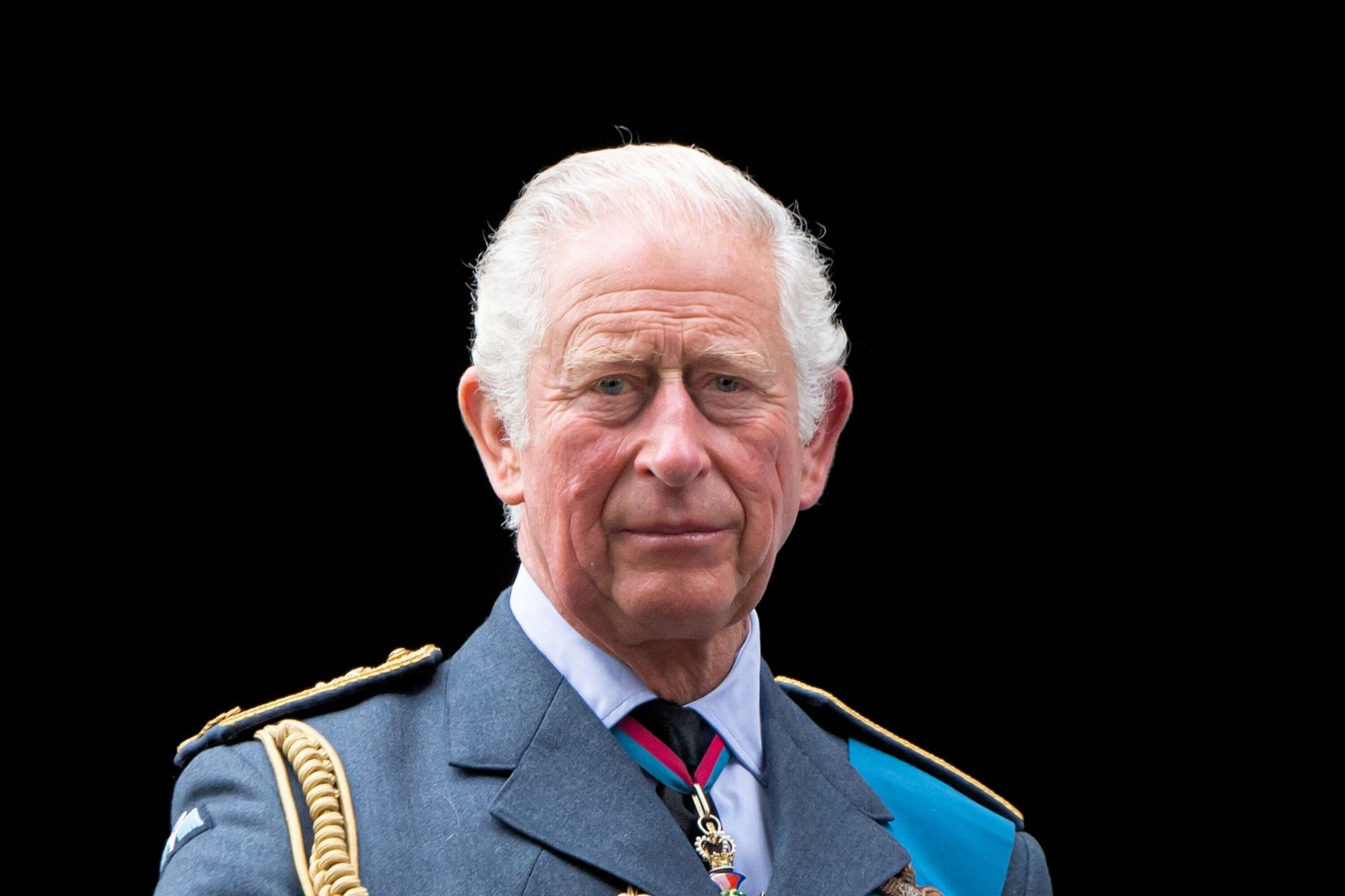 IMAGE SOURCE,GETTY IMAGES
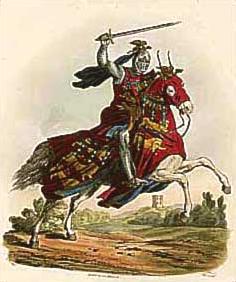

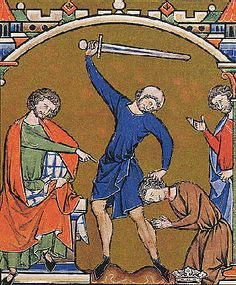

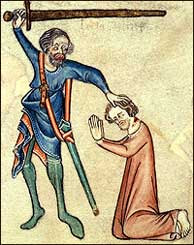
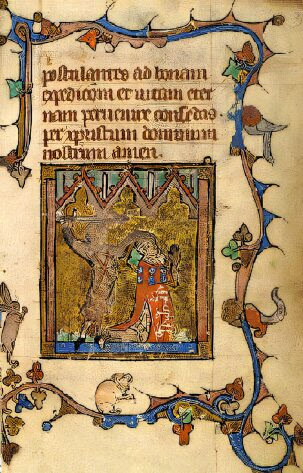
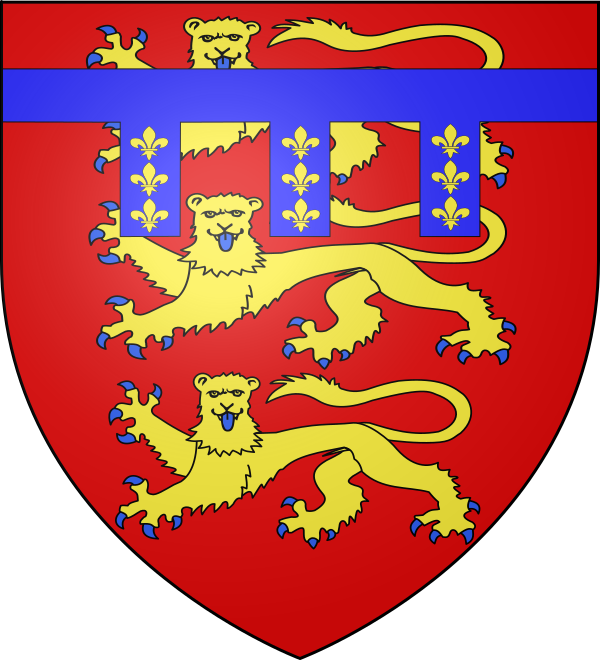


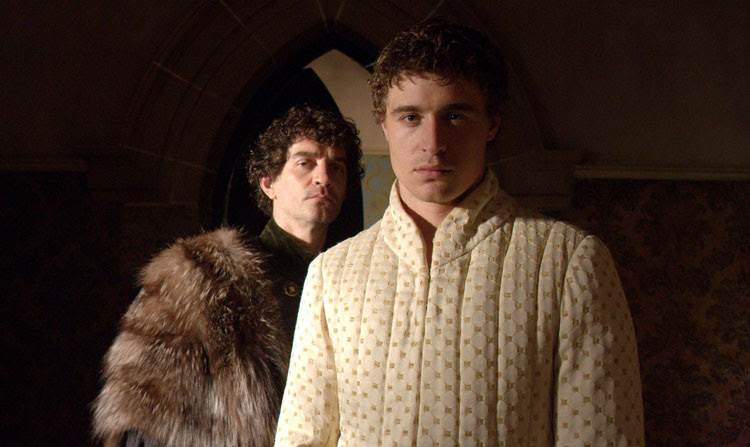

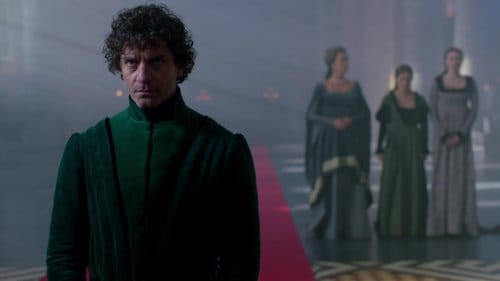
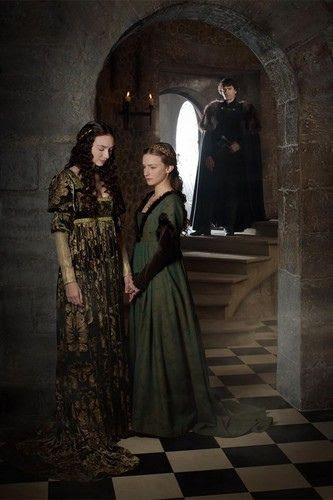
 Meghan Markle and Prince Harry wished everyone a merry Christmas from their family of four.

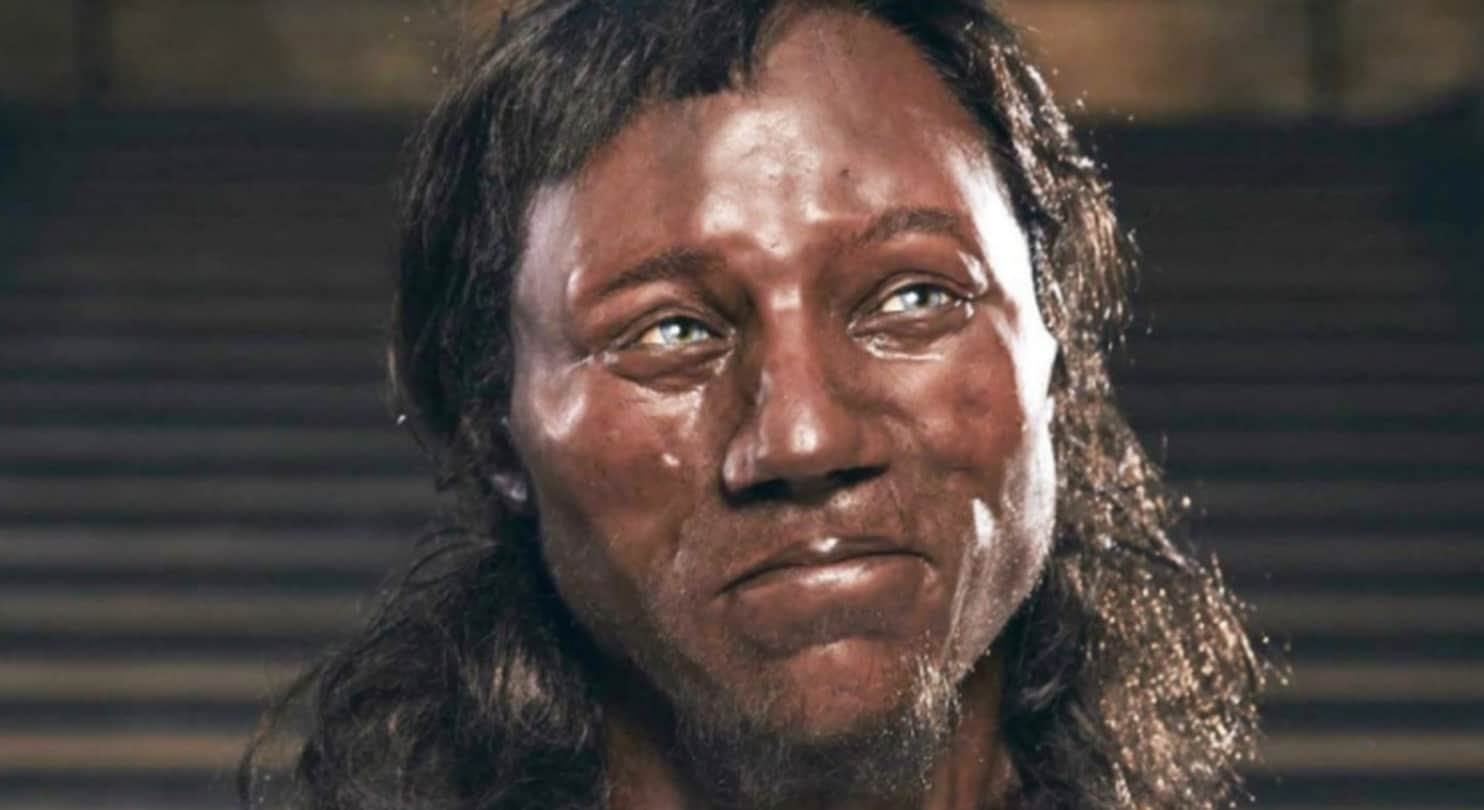
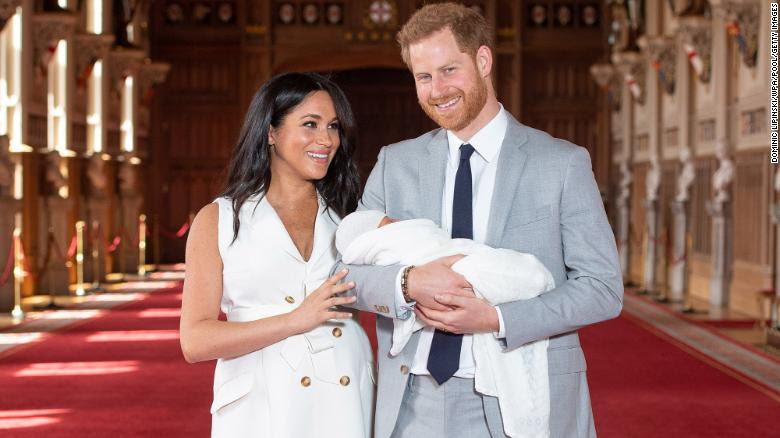
 Wishing them all well at this special time