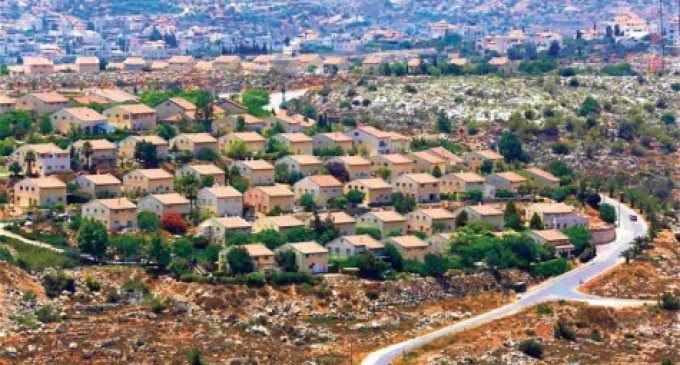
The Israeli settlements in the occupied Palestinian territories are illegal under International Law/Why?

Image result for settlements/Images

THE BITTER FRUITS OF THE ISRAELI OCCUPATION OF

THE PALESTINIAN TERRITORIES: THE ISRAELI SETTLEMENTS

THE ISRAELI SETTLEMENTS IN THE OCCUPIED PALESTINIAN

TERRITORIES ARE ILLEGAL UNDER INTERNATIONAL LAW/WHY?

The Israeli settlements in occupied the Palestinian territories

are illegal under International Law, based on

article 49, 4th Geneva Convention and the Hague Convention of

1907

READ FURTHER

A

WHAT SAYS THE INTERNATIONAL RED CROSS?

ICRC.ORG

WHAT SAYS THE LAW ABOUT THE ESTABLISHMENT OF

SETTLEMENTS IN OCCUPIED TERRITORY?

https://www.icrc.org/en/doc/resources/documents/faq/occupation-faq-051010.htm

05-10-2010 FAQ

When a territory is placed under the authority of a hostile army, the rules of international humanitarian law dealing with occupation apply. Occupation confers certain rights and obligations on the occupying power.

Prohibited actions include forcibly transferring protected persons from the occupied territories to the territory of the occupying power. 
It is unlawful under the Fourth Geneva Convention for an occupying power to transfer parts of its own population into the territory it occupies. This means that international humanitarian law prohibits the establishment of settlements, as these are a form of population transfer into occupied territory. Any measure designed to expand or consolidate settlements is also illegal. Confiscation of land to build or expand settlements is similarly prohibited. 

B

WHAT SAYS THE ISRAELI HUMAN RIGHTS ORGANISATION

BTSELEM?

BTSELEM.ORG

”The establishment of the settlements contravenes international humanitarian law (IHL), which states that an occupying power may not relocate its own citizens to the occupied territory or make permanent changes to that territory, unless these are needed for imperative military needs, in the narrow sense of the term, or undertaken for the benefit of the local population.”

BTSELEM.ORG

SETTLEMENTS

https://www.btselem.org/settlements

C

The illegality of the Israeli settlements is based on article 49, Fourth Geneva Convention and on the Hague Convention of 1907

THE FOURTH GENEVA CONVENTION, ARTICLE 49

”Individual or mass forcible transfers, as well as deportations of protected persons from occupied territory to the territory of the Occupying Power or to that of any other country, occupied or not, are prohibited, regardless of their motive.”

ARTICLE 49, FOURTH GENEVA CONVENTION

https://ihl-databases.icrc.org/en/ihl-treaties/gciv-1949/article-49

D

THE HAGUE CONVENTION OF 1907, ARTICLE 55

Art. 55. The occupying State shall be regarded only as administrator and usufructuary of public buildings, real estate, forests, and agricultural estates belonging to the hostile State, and situated in the occupied country. It must safeguard the capital of these properties, and administer them in accordance with the rules of usufruct.  

CONVENTION RESPECTING THE LAWS AND CUSTOMS OF WARON LAND AND ITS ANNEX: REGULATIONS CONCERNINGTHE LAWS AND CUSTOMS OF WAR ON LAND

THE HAGUE 18 OCTOBER 1907

https://ihl-databases.icrc.org/en/ihl-treaties/hague-conv-iv-1907/regulations-art-55

E

WHAT SAYS AMNESTY INTERNATIONAL?

Israel’s policy of settling its civilians in occupied Palestinian territory and displacing the local population contravenes fundamental rules of international humanitarian law.

Article 49 of the Fourth Geneva Convention states: “The Occupying Power shall not deport or transfer parts of its own civilian population into the territory it occupies.” It also prohibits the “individual or mass forcible transfers, as well as deportations of protected persons from occupied territory”. 

AMNESTY INTERNATIONAL

CHAPTER 3

ISRAELI SETTLEMENTS AND INTERNATIONAL LAW

The situation in the OPT is primarily governed by two international legal regimes: international humanitarian law (including the rules of the law of occupation) and international human rights law. International criminal law is also relevant as some serious violations may constitute war crimes.

STATUS OF SETTLEMENTS UNDER INTERNATIONAL LAW

Israel’s policy of settling its civilians in occupied Palestinian territory and displacing the local population contravenes fundamental rules of international humanitarian law.

Article 49 of the Fourth Geneva Convention states: “The Occupying Power shall not deport or transfer parts of its own civilian population into the territory it occupies.” It also prohibits the “individual or mass forcible transfers, as well as deportations of protected persons from occupied territory”. 

The extensive appropriation of land and the appropriation and destruction of property required to build and expand settlements also breach other rules of international humanitarian law. Under the Hague Regulations of 1907, the public property of the occupied population (such as lands, forests and agricultural estates) is subject to the laws of usufruct. This means that an occupying state is only allowed a very limited use of this property. This limitation is derived from the notion that occupation is temporary, the core idea of the law of occupation. In the words of the International Committee of the Red Cross, the occupying power “has a duty to ensure the protection, security, and welfare of the people living under occupation and to guarantee that they can live as normal a life as possible, in accordance with their own laws, culture, and traditions.”

The Hague Regulations prohibit the confiscation of private property. The Fourth Geneva Convention prohibits the destruction of private or state property, “except where such destruction is rendered absolutely necessary by military operations”.

As the occupier, Israel is therefore forbidden from using state land and natural resources for purposes other than military or security needs or for the benefit of the local population. The unlawful appropriation of property by an occupying power amounts to “pillage”, which is prohibited by both the Hague Regulations and Fourth Geneva Convention and is a war crime under the Rome Statute of the International Criminal Court and many national laws.

Israel’s building of settlements in the West Bank, including in East Jerusalem, does not respect any of these rules and exceptions. Transferring the occupying power’s civilians into the occupied territory is prohibited without exception. Furthermore, as explained earlier, the settlements and associated infrastructure are not temporary, do not benefit Palestinians and do not serve the legitimate security needs of the occupying power. Settlements entirely depend on the large-scale appropriation and/or destruction of Palestinian private and state property which are not militarily necessary. They are created with the sole purpose of permanently establishing Jewish Israelis on occupied land.

In addition to being violations of international humanitarian law, key acts required for the establishment of settlements amount to war crimes under the Rome Statute of the International Criminal Court. Under this body of law, the “extensive destruction and appropriation of property not justified by military necessity and carried out unlawfully and wantonly” and the “transfer, directly or indirectly, by the Occupying Power of parts of its own civilian population into the territory it occupies, or the deportation or transfer of all or parts of the population of the occupied territory within or outside this territory” constitute war crimes. As stated above, “pillage” is also a war crime under the Rome Statute.

Israel’s settlement policy also violates a special category of obligations entitled peremptory norms of international law (jus cogens) from which no derogation is permitted. The International Court of Justice (ICJ) affirmed that the rules of the Geneva Conventions constitute “intransgressible principles of international customary law”. Only a limited number of international norms acquire this status, which is a reflection of the seriousness and importance with which the international community views them. Breaches of these norms give rise to certain obligations on all other states, or “third states”, which are explained below.

SETTLEMENTS, DISCRIMINATION AND HUMAN RIGHTS VIOLATIONS

States have a duty to respect, protect and fulfil the human rights of people under their jurisdiction, including people living in territory that is outside national borders but under the effective control of the state. The ICJ confirmed that Israel is obliged to extend the application of the International Convention on Civil and Political Rights, the International Convention on Economic, Social and Cultural Rights and other treaties to which it is a state party to people in the OPT. Israel is a state party to numerous international human rights treaties and, as the occupying power, it has well defined obligations to respect, protect and fulfil the human rights of Palestinians. 

However, as has been well documented for many years by the UN, Amnesty International and other NGOs, Israel’s settlement policy is one of the main driving forces behind the mass human rights violations resulting from the occupation. These include:

Violations of the right to life: Israeli soldiers, police and security guards have unlawfully killed and injured many Palestinian civilians in the OPT, including during protests against the confiscation of land and the construction of settlements. UN agencies and fact-finding missions have also expressed concern about violence perpetrated by a minority of Israeli settlers aimed at intimidating Palestinian populations.

Violations of the rights to liberty, security of the person and equal treatment before the law: Amnesty International has documented how Palestinians in the OPT are routinely subjected to arbitrary detention, including through administrative detention. Whereas settlers are subject to Israeli civil and criminal law, Palestinians are subject to a military court system which falls short of international standards for the fair  conduct of trials and administration of justice.

Violations of the right to access an effective remedy for acts violating fundamental rights: Israel’s failure to adequately investigate and enforce the law for acts of violence against Palestinians, together with the multiple legal, financial and procedural barriers faced by Palestinians in accessing the court system, severely limit Palestinians’ ability to seek legal redress. The Israeli High Court of Justice has failed to rule on the legality of settlements, as it considered the settlements to be a political issue that that it is not competent to hear.

Violations of the rights to freedom of expression and peaceful assembly: Amnesty International has documented Israel’s use of military orders to prohibit peaceful protest and criminalize freedom of expression in the West Bank. Israeli forces have used tear gas, rubber bullets and occasionally live rounds to suppress peaceful protests.

Violations of the rights to equality and non-discrimination: Systematic discrimination against Palestinians is inherent in virtually all aspects of Israel’s administration of the OPT. Palestinians are also specifically targeted for a range of actions that constitute human rights violations. The Israeli government allows settlers to exploit land and natural resources that belong to Palestinians. Israel provides preferential treatment to Israeli businesses operating in the OPT while putting up barriers to, or simply blocking, Palestinian ones. Israeli citizens receive entitlements and Palestinians face restrictions on the grounds of nationality, ethnicity and religion, in contravention of international standards.

The Israeli authorities have created a discriminatory urban planning and zoning system. Within Area C, where most settlement construction is based, Israel has allocated 70% of the land to settlements and only 1% to Palestinians. In East Jerusalem, Israel has expropriated 35% of the city for the construction of settlements, while restricting Palestinians to construct on only 13% of the land. These figures clearly illustrate Israel’s use of regulatory measures to discriminate against Palestinian residents in Area C.

The UN has also pointed to discrimination against Palestinians in the way in which the criminal law is enforced. While prosecution rates for settler attacks against Palestinians are low, suggesting a lack of enforcement, most cases of violence against Israeli settlers are investigated and proceed to court.

Violations of the right to adequate housing: Since 1967, Israel has constructed tens of thousands of homes on Palestinian land to accommodate settlers while, at the same time, demolishing an estimated 50,000 Palestinian homes and other structures, such as farm buildings and water tanks. Israel also carries out demolitions as a form of collective punishment against the families of individuals accused of attacks on Israelis. In East Jerusalem, about 800 houses have been demolished since 2004 for lack of permits. Israel also confiscates houses inhabited by Palestinians in the city to allocate them to settlers. By forcibly evicting and/or demolishing their homes without providing adequate alternative accommodation, Israel has failed in its duty to respect the right to adequate housing of thousands of Palestinians.

Violations of the right to freedom of movement: Many restrictions on freedom of movement for Palestinian residents are directly linked to the settlements, including restrictions aimed at protecting the settlements and maintaining “buffer zones”. Restrictions include checkpoints, settler-only roads and physical impediments created by walls and gates. 

Violations of the rights of the child: Every year, 500-700 Palestinian children from the occupied West Bank are prosecuted in Israeli juvenile military courts under Israeli military orders. They are often arrested in night raids and systematically ill-treated. Some of these children serve their sentences within Israel, in violation of the Fourth Geneva Convention. The UN has also documented that many children have been killed or injured in settler attacks.

Violations of the right to enjoyment of the highest attainable standard of physical and mental health: Restrictions on movement limit Palestinians’ access to health care. Specialists working with Palestinian populations have also documented a range of serious mental health conditions that stem from exposure to violence and abuse in the OPT.

Violations of the right to water: Most Palestinian communities in Area C are not connected to the water network and are prevented from repairing or constructing wells or water cisterns that hold rainwater. Water consumption in some Area C communities is reported by the UN to be 20% of the minimum recommended standard. Israel’s failure to ensure Palestinian residents have a sufficient supply of clean, safe water for drinking and other domestic uses constitutes a violation of its obligations to respect and fulfil the right to water. 

Violations of the right to education: Palestinian students face numerous obstacles in accessing education, including forced displacement, demolitions, restrictions on movement and a shortage of school places. An independent fact-finding mission in 2012 noted an “upward trend” of cases of settler attacks on Palestinian schools and harassment of Palestinian children on their way to and from school. Such problems can result in children not attending school and in a deterioration in the quality of learning. 

Violations of the right to earn a decent living through work: The expansion of settlements has reduced the amount of land available to Palestinians for herding and agriculture, increasing the dependency of rural communities on humanitarian assistance. Settler violence and the destruction of Palestinian-owned crops and olive trees have damaged the livelihoods of farmers. The UN has reported that in Hebron city centre, the Israeli military has forced 512 Palestinian businesses to close, while more than 1,000 others have shut down due to restricted access for customers and suppliers.

SUSTAINED INTERNATIONAL CONDEMNATION

Most states and international bodies have long recognized that Israeli settlements are illegal under international law. The European Union (EU) has clearly stated that: “settlement building anywhere in the occupied Palestinian Territory, including East Jerusalem, is illegal under international law, constitutes an obstacle to peace and threatens to make a two-state solution impossible.”

The settlements have been condemned as illegal in many UN Security Council and other UN resolutions. As early as 1980, UN Security Council Resolution 465 called on Israel “to dismantle the existing settlements and, in particular, to cease, on an urgent basis, the establishment, construction and planning of settlements in the Arab territories occupied since 1967, including Jerusalem.” The International Committee of the Red Cross and the Conference of High Contracting Parties to the Fourth Geneva Convention have reaffirmed that settlements violate international humanitarian law. The illegality of the settlements was recently reaffirmed by UN Security Council Resolution 2334, passed inDecember 2016, which reiterates the Security Council’s call on Israel to cease all settlement activities in the OPT. The serious human rights violations that stem from Israeli settlements have also been repeatedly raised and condemned by international bodies and experts.

Reacties uitgeschakeld voor The Israeli settlements in the occupied Palestinian territories are illegal under International Law/Why?

Opgeslagen onder Divers

De Israelische nederzettingen in bezet Palestijns Gebied/illegaal volgens het Internationaal Recht

Image result for settlements/Images

BITTEREBIJPRODUCTEN VAN DE ISRAELISCHE BEZETTING:

ISRAELISCHE NEDERZETTINGEN IN BEZET PALESTIJNS GEBIED

DE ISRAELISCHE NEDERZETTINGEN/ILLEGAAL VOLGENS HET INTERNATIONAAL RECHT

De in bezet gebied gestichte Israelische nederzettingen zijn

illegaal volgens het Internationaal Recht, gebaseerd op artikel 49, 4e Conventie van Geneve en het Haags Verdrag uit 1907

Zie hieronder

A

WAT ZEGT HET INTERNATIONALE RODE KRUIS

HET INTERNATIONALE RODE KRUIS

ICRC.ORG

WHAT SAYS THE LAW ABOUT THE ESTABLISHMENT OF

SETTLEMENTS IN OCCUPIED TERRITORY?

https://www.icrc.org/en/doc/resources/documents/faq/occupation-faq-051010.htm

05-10-2010 FAQ

When a territory is placed under the authority of a hostile army, the rules of international humanitarian law dealing with occupation apply. Occupation confers certain rights and obligations on the occupying power.

Prohibited actions include forcibly transferring protected persons from the occupied territories to the territory of the occupying power. 
It is unlawful under the Fourth Geneva Convention for an occupying power to transfer parts of its own population into the territory it occupies. This means that international humanitarian law prohibits the establishment of settlements, as these are a form of population transfer into occupied territory. Any measure designed to expand or consolidate settlements is also illegal. Confiscation of land to build or expand settlements is similarly prohibited. 

B

WAT ZEGT DE ISRAELISCHE MENSENRECHTENORGANISATIE BTSELEM

BTSELEM.ORG

”The establishment of the settlements contravenes international humanitarian law (IHL), which states that an occupying power may not relocate its own citizens to the occupied territory or make permanent changes to that territory, unless these are needed for imperative military needs, in the narrow sense of the term, or undertaken for the benefit of the local population.”

BTSELEM.ORG

SETTLEMENTS

https://www.btselem.org/settlements

C

De Illegaliteit van de nederzettingen is gebaseerd op artikelen

uit de 4e Conventie van  Geneve en het Haags Verdrag van 1907

DE VIERDE CONVENTIE VAN GENEVE

ARTIKEL 49, 4E CONVENTIE VAN GENEVE

”Individual or mass forcible transfers, as well as deportations of protected persons from occupied territory to the territory of the Occupying Power or to that of any other country, occupied or not, are prohibited, regardless of their motive.”

ARTICLE 49, FOURTH GENEVA CONVENTION

https://ihl-databases.icrc.org/en/ihl-treaties/gciv-1949/article-49

D

HET HAAGS VERDRAG VAN 1907

De Staat, die een gebied bezet heeft, mag zich slechts beschouwen als beheerder en vruchtgebruiker der openbare gebouwen, onroerende eigendommen, bosschen en landbouwondernemingen, welke aan den vijandelijken Staat behooren en zich in de bezette landstreek bevinden. Hij moet het grondkapitaal dier eigendommen in zijn geheel laten en die overeenkomstig de regelen van het vruchtgebruik beheeren.”

 ARTIKEL 55, HAAGS VERDRAG 1907

https://wetten.overheid.nl/BWBV0006273/1910-01-26#Verdrag_2

IN HET ENGELS
Art. 55. The occupying State shall be regarded only as administrator and usufructuary of public buildings, real estate, forests, and agricultural estates belonging to the hostile State, and situated in the occupied country. It must safeguard the capital of these properties, and administer them in accordance with the rules of usufruct.  

CONVENTION RESPECTING THE LAWS AND CUSTOMS OF WARON LAND AND ITS ANNEX: REGULATIONS CONCERNINGTHE LAWS AND CUSTOMS OF WAR ON LAND

THE HAGUE 18 OCTOBER 1907

https://ihl-databases.icrc.org/en/ihl-treaties/hague-conv-iv-1907/regulations-art-55

E

WAT ZEGT AMNESTY INTERNATIONAL

Israel’s policy of settling its civilians in occupied Palestinian territory and displacing the local population contravenes fundamental rules of international humanitarian law.

Article 49 of the Fourth Geneva Convention states: “The Occupying Power shall not deport or transfer parts of its own civilian population into the territory it occupies.” It also prohibits the “individual or mass forcible transfers, as well as deportations of protected persons from occupied territory”. 

AMNESTY INTERNATIONAL

CHAPTER 3

ISRAELI SETTLEMENTS AND INTERNATIONAL LAW

The situation in the OPT is primarily governed by two international legal regimes: international humanitarian law (including the rules of the law of occupation) and international human rights law. International criminal law is also relevant as some serious violations may constitute war crimes.

STATUS OF SETTLEMENTS UNDER INTERNATIONAL LAW

Israel’s policy of settling its civilians in occupied Palestinian territory and displacing the local population contravenes fundamental rules of international humanitarian law.

Article 49 of the Fourth Geneva Convention states: “The Occupying Power shall not deport or transfer parts of its own civilian population into the territory it occupies.” It also prohibits the “individual or mass forcible transfers, as well as deportations of protected persons from occupied territory”. 

The extensive appropriation of land and the appropriation and destruction of property required to build and expand settlements also breach other rules of international humanitarian law. Under the Hague Regulations of 1907, the public property of the occupied population (such as lands, forests and agricultural estates) is subject to the laws of usufruct. This means that an occupying state is only allowed a very limited use of this property. This limitation is derived from the notion that occupation is temporary, the core idea of the law of occupation. In the words of the International Committee of the Red Cross, the occupying power “has a duty to ensure the protection, security, and welfare of the people living under occupation and to guarantee that they can live as normal a life as possible, in accordance with their own laws, culture, and traditions.”

The Hague Regulations prohibit the confiscation of private property. The Fourth Geneva Convention prohibits the destruction of private or state property, “except where such destruction is rendered absolutely necessary by military operations”.

As the occupier, Israel is therefore forbidden from using state land and natural resources for purposes other than military or security needs or for the benefit of the local population. The unlawful appropriation of property by an occupying power amounts to “pillage”, which is prohibited by both the Hague Regulations and Fourth Geneva Convention and is a war crime under the Rome Statute of the International Criminal Court and many national laws.

Israel’s building of settlements in the West Bank, including in East Jerusalem, does not respect any of these rules and exceptions. Transferring the occupying power’s civilians into the occupied territory is prohibited without exception. Furthermore, as explained earlier, the settlements and associated infrastructure are not temporary, do not benefit Palestinians and do not serve the legitimate security needs of the occupying power. Settlements entirely depend on the large-scale appropriation and/or destruction of Palestinian private and state property which are not militarily necessary. They are created with the sole purpose of permanently establishing Jewish Israelis on occupied land.

In addition to being violations of international humanitarian law, key acts required for the establishment of settlements amount to war crimes under the Rome Statute of the International Criminal Court. Under this body of law, the “extensive destruction and appropriation of property not justified by military necessity and carried out unlawfully and wantonly” and the “transfer, directly or indirectly, by the Occupying Power of parts of its own civilian population into the territory it occupies, or the deportation or transfer of all or parts of the population of the occupied territory within or outside this territory” constitute war crimes. As stated above, “pillage” is also a war crime under the Rome Statute.

Israel’s settlement policy also violates a special category of obligations entitled peremptory norms of international law (jus cogens) from which no derogation is permitted. The International Court of Justice (ICJ) affirmed that the rules of the Geneva Conventions constitute “intransgressible principles of international customary law”. Only a limited number of international norms acquire this status, which is a reflection of the seriousness and importance with which the international community views them. Breaches of these norms give rise to certain obligations on all other states, or “third states”, which are explained below.

SETTLEMENTS, DISCRIMINATION AND HUMAN RIGHTS VIOLATIONS

States have a duty to respect, protect and fulfil the human rights of people under their jurisdiction, including people living in territory that is outside national borders but under the effective control of the state. The ICJ confirmed that Israel is obliged to extend the application of the International Convention on Civil and Political Rights, the International Convention on Economic, Social and Cultural Rights and other treaties to which it is a state party to people in the OPT. Israel is a state party to numerous international human rights treaties and, as the occupying power, it has well defined obligations to respect, protect and fulfil the human rights of Palestinians. 

However, as has been well documented for many years by the UN, Amnesty International and other NGOs, Israel’s settlement policy is one of the main driving forces behind the mass human rights violations resulting from the occupation. These include:

Violations of the right to life: Israeli soldiers, police and security guards have unlawfully killed and injured many Palestinian civilians in the OPT, including during protests against the confiscation of land and the construction of settlements. UN agencies and fact-finding missions have also expressed concern about violence perpetrated by a minority of Israeli settlers aimed at intimidating Palestinian populations.

Violations of the rights to liberty, security of the person and equal treatment before the law: Amnesty International has documented how Palestinians in the OPT are routinely subjected to arbitrary detention, including through administrative detention. Whereas settlers are subject to Israeli civil and criminal law, Palestinians are subject to a military court system which falls short of international standards for the fair  conduct of trials and administration of justice.

Violations of the right to access an effective remedy for acts violating fundamental rights: Israel’s failure to adequately investigate and enforce the law for acts of violence against Palestinians, together with the multiple legal, financial and procedural barriers faced by Palestinians in accessing the court system, severely limit Palestinians’ ability to seek legal redress. The Israeli High Court of Justice has failed to rule on the legality of settlements, as it considered the settlements to be a political issue that that it is not competent to hear.

Violations of the rights to freedom of expression and peaceful assembly: Amnesty International has documented Israel’s use of military orders to prohibit peaceful protest and criminalize freedom of expression in the West Bank. Israeli forces have used tear gas, rubber bullets and occasionally live rounds to suppress peaceful protests.

Violations of the rights to equality and non-discrimination: Systematic discrimination against Palestinians is inherent in virtually all aspects of Israel’s administration of the OPT. Palestinians are also specifically targeted for a range of actions that constitute human rights violations. The Israeli government allows settlers to exploit land and natural resources that belong to Palestinians. Israel provides preferential treatment to Israeli businesses operating in the OPT while putting up barriers to, or simply blocking, Palestinian ones. Israeli citizens receive entitlements and Palestinians face restrictions on the grounds of nationality, ethnicity and religion, in contravention of international standards.

The Israeli authorities have created a discriminatory urban planning and zoning system. Within Area C, where most settlement construction is based, Israel has allocated 70% of the land to settlements and only 1% to Palestinians. In East Jerusalem, Israel has expropriated 35% of the city for the construction of settlements, while restricting Palestinians to construct on only 13% of the land. These figures clearly illustrate Israel’s use of regulatory measures to discriminate against Palestinian residents in Area C.

The UN has also pointed to discrimination against Palestinians in the way in which the criminal law is enforced. While prosecution rates for settler attacks against Palestinians are low, suggesting a lack of enforcement, most cases of violence against Israeli settlers are investigated and proceed to court.

Violations of the right to adequate housing: Since 1967, Israel has constructed tens of thousands of homes on Palestinian land to accommodate settlers while, at the same time, demolishing an estimated 50,000 Palestinian homes and other structures, such as farm buildings and water tanks. Israel also carries out demolitions as a form of collective punishment against the families of individuals accused of attacks on Israelis. In East Jerusalem, about 800 houses have been demolished since 2004 for lack of permits. Israel also confiscates houses inhabited by Palestinians in the city to allocate them to settlers. By forcibly evicting and/or demolishing their homes without providing adequate alternative accommodation, Israel has failed in its duty to respect the right to adequate housing of thousands of Palestinians.

Violations of the right to freedom of movement: Many restrictions on freedom of movement for Palestinian residents are directly linked to the settlements, including restrictions aimed at protecting the settlements and maintaining “buffer zones”. Restrictions include checkpoints, settler-only roads and physical impediments created by walls and gates. 

Violations of the rights of the child: Every year, 500-700 Palestinian children from the occupied West Bank are prosecuted in Israeli juvenile military courts under Israeli military orders. They are often arrested in night raids and systematically ill-treated. Some of these children serve their sentences within Israel, in violation of the Fourth Geneva Convention. The UN has also documented that many children have been killed or injured in settler attacks.

Violations of the right to enjoyment of the highest attainable standard of physical and mental health: Restrictions on movement limit Palestinians’ access to health care. Specialists working with Palestinian populations have also documented a range of serious mental health conditions that stem from exposure to violence and abuse in the OPT.

Violations of the right to water: Most Palestinian communities in Area C are not connected to the water network and are prevented from repairing or constructing wells or water cisterns that hold rainwater. Water consumption in some Area C communities is reported by the UN to be 20% of the minimum recommended standard. Israel’s failure to ensure Palestinian residents have a sufficient supply of clean, safe water for drinking and other domestic uses constitutes a violation of its obligations to respect and fulfil the right to water. 

Violations of the right to education: Palestinian students face numerous obstacles in accessing education, including forced displacement, demolitions, restrictions on movement and a shortage of school places. An independent fact-finding mission in 2012 noted an “upward trend” of cases of settler attacks on Palestinian schools and harassment of Palestinian children on their way to and from school. Such problems can result in children not attending school and in a deterioration in the quality of learning. 

Violations of the right to earn a decent living through work: The expansion of settlements has reduced the amount of land available to Palestinians for herding and agriculture, increasing the dependency of rural communities on humanitarian assistance. Settler violence and the destruction of Palestinian-owned crops and olive trees have damaged the livelihoods of farmers. The UN has reported that in Hebron city centre, the Israeli military has forced 512 Palestinian businesses to close, while more than 1,000 others have shut down due to restricted access for customers and suppliers.

SUSTAINED INTERNATIONAL CONDEMNATION

Most states and international bodies have long recognized that Israeli settlements are illegal under international law. The European Union (EU) has clearly stated that: “settlement building anywhere in the occupied Palestinian Territory, including East Jerusalem, is illegal under international law, constitutes an obstacle to peace and threatens to make a two-state solution impossible.”

The settlements have been condemned as illegal in many UN Security Council and other UN resolutions. As early as 1980, UN Security Council Resolution 465 called on Israel “to dismantle the existing settlements and, in particular, to cease, on an urgent basis, the establishment, construction and planning of settlements in the Arab territories occupied since 1967, including Jerusalem.” The International Committee of the Red Cross and the Conference of High Contracting Parties to the Fourth Geneva Convention have reaffirmed that settlements violate international humanitarian law. The illegality of the settlements was recently reaffirmed by UN Security Council Resolution 2334, passed inDecember 2016, which reiterates the Security Council’s call on Israel to cease all settlement activities in the OPT. The serious human rights violations that stem from Israeli settlements have also been repeatedly raised and condemned by international bodies and experts.

Reacties uitgeschakeld voor De Israelische nederzettingen in bezet Palestijns Gebied/illegaal volgens het Internationaal Recht

Opgeslagen onder Divers

Happy New Year!

HAPPY NEW YEAR !

I wish to all my readers a Happy, Healthy and Prosperous 2023!

COVID-19 FREE!

https://www.astridessed.nl/tag/in-english/

Astrid Essed

Reacties uitgeschakeld voor Happy New Year!

Opgeslagen onder Divers

Gelukkig Nieuwjaar!

GELUKKIG NIEUWJAAR!

Iedereen een Gezond, Gelukkig en Strijdbaar 2023 toegewenst!

VRIJ VAN COVID-19!

EN EEN SPECIALE DANK AAN ALLE VRIENDEN IN

NEDERLAND, DIE LAK HEBBEN GEHAD AAN HET  VUURWERKVERBOD !

HET VUURWERK WAS PRACHTIG, MOOIER NOG DAN  VORIG

JAAR, WAARVOOR DANK!

ASTRID ESSED

Reacties uitgeschakeld voor Gelukkig Nieuwjaar!

Opgeslagen onder Divers

Christmas Message 2022/2012-2022/Ten Years wandering through Amsterdam/Ten years refugee victims of a sadistic Dutch Government!

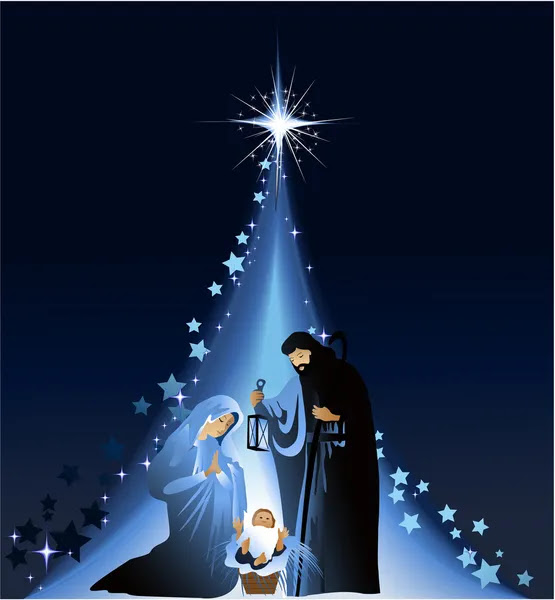
Kerststal Kerststal — Stockvector

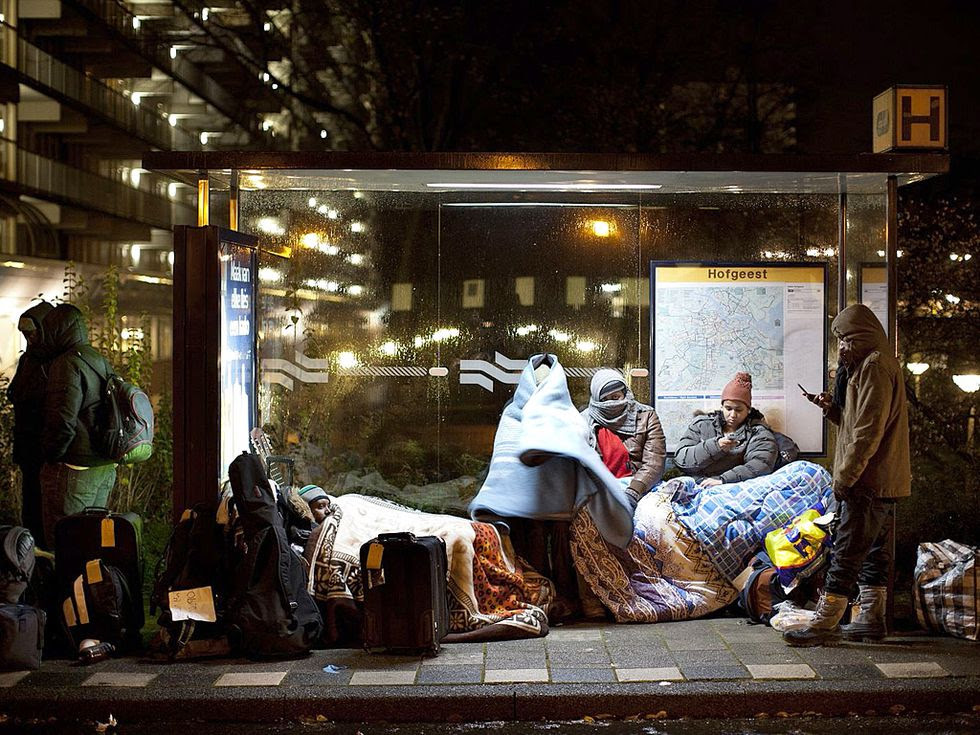
EVICTION OF REJECTED REFUGEES FROM PLACE TO PLACE

CHRISTMAS MESSAGE 2022/TEN YEARS WANDERING THROUGH AMSTERDAM/TEN YEARS REFUGEE VICTIMS OF THE SADISTIC DUTCH GOVERNMENT

A Poor Couple on their way to their PLace of Birth, on the orders of a foreign occupier, who wants to registrate the occupied people.

So is nthe World.

Rulers want to have, they NEED control on everything and everyone.

It is a journey full of hardships, the Wife is pregnant and travels

on the only way poor people can, when they are not walking:

On a Donkey.

And of course she can not walk, for she is full of

Child and the Birth can happen anytime.

When they arrive in their PLace of Birth, there is nowhere a shelter

or Place and the Mother is obliged to deliver her Child in a sort

of Cave, facilitated by a compassionate innkeeper

The Couple gets a warm welcome, not by the authorities,

who don’t care about poor people [just as in our Times],

but by common people.

Like shepherds and local residents.

But also by three Wise Men, who were intrigued by a

miraculous natural phenomenon……

But Hardship is not the end of their Trouble, for the Couple has

to flee, because the occupiers puppet king wants to kill

the newborn child, since a prediction says, that a child, born in

that city, will overshadow the king, when it grows up.

They flee to Egypt, where they can take shelter until

the Danger is over.

Glad for them, that they lived two thousand years ago:

For in this Time, they were, fleeing from Asia [where their

country is situated] stopped at some Wall or deported again [1]

especially when they had the nerves to go to Europe……

2012-2022

That’s what happened in  Christmas Night.

It’s all about persecution, exclusion, discrimination.

That’s NOT something from the past

IT HAPPENS NOW!

Because I know a Group of Refugees, who are hunted down

for ten years by a cruel Dutch government, that throws her responsibility from government to municipality, etc

No one to blame?

THEY ARE ALL TO BLAME, ALL SEGMENTS OF

THE DUTCH STATE!

It concerns the Refugee from the ”WE are Here Group”, originally

coming from asylum refugee Centre Ter Apel [2] to the city

of Amsterdam, because they couldn’t be deported [their asylum had

been rejected] to their country of origin, but were not permitted to remain in the Netherlands either. [3]

Is that not sadistic?

Like throwing people in purgatory! [4]

Yes, there is a socalled ”No Fault Criterium”, implying, that when

refugees can’t possibly return to their country, after tried their

stinking best to leave [for departure is entirely the responsibility of

rejected refugees], that they can get a permit to stay in the Netherlands [5, text alas in Dutch].

But in practice the criteria are that strict, that no one can meet

them……..

This also implies also this Group, composed of people,

coming from all sort of war and conflict countries [6] [which makes that they can’t be deported and also the fact, that their country of origin refuses to give travel documents to return to the country]

WANDERING FROM PLACE TO PLACE

So what’s their Fate?

Wandering from place to place, from squatter centre to squatter centre, mostly helped by leftist radical quatter activists, but

also organizing their own group, their own resistance [7]

With no help whatsoever from the municipality Amsterdam, 

only evictions from their poor shelterings, making them homeless…

[8]

It;s a shame

Those people are totally without rights

As undocumented refugees they have only right to an advocate and

medical service in case of an emergency

That’s NOT the way you deal with people

People have the right to flee, the right on elementary

necessities of life, the right on a warm Shelter, the right on

enough food to live, the right to build a decent life

I AM FURIOUS BECAUSE OF THIS AND MORE THAN ONCE I CONFRONTED THE DUTCH AMSTERDAM MUNICIPALITY 

GOVERNMENT WITH THIS! [9]

CHRISTMAS 2022

Long ago a Poor Couple was rejected and excluded

After 2022 years, on and on refugees are rejected,

as the We are here Group

We, people who seek Justice, will not stand by and let it pass

WE WILL RESIST

You join me?

I know you will

BLESSED AND HAPPY CHRISTMAS DAYS AND

A GOOD, HAPPY AND PROSPOROUS 2023!

ASTRID ESSED

NOTES

NOTES T T/M 9

Reacties uitgeschakeld voor Christmas Message 2022/2012-2022/Ten Years wandering through Amsterdam/Ten years refugee victims of a sadistic Dutch Government!

Opgeslagen onder Divers

Notes 1 t/m 9/We are Here

[1]

ASTRID ESSED ATTACK ON BUDIMEX CONTRACTOR

OF THE POLAND-BELARUS WALL IN THE WAR ON MIGRANTS

14 FEBRUARY 2022

[2]

[TER APEL IS THE REFUGEE CENTRE WHERE REFUGEES, COMING

IN THE NETHERLANDS, MUST COME FIRST TO BE REGISTRATED

IN ORDER TO DO THEIR ASYLYM REQUEST]

”A record number of people have been forced to sleep outside the refugee centre at Ter Apel on Tuesday as staff struggle to cope with demand.”

DUTCH NEWS.NL

REFUGEE CRISIS DEEPENS AT TER APEL, 700 SLEEP OUTSIDE

24 AUGUST 2022

https://www.dutchnews.nl/news/2022/08/refugee-crisis-deepens-at-ter-apel-staff-under-pressure/

A record number of people have been forced to sleep outside the refugee centre at Ter Apel on Tuesday as staff struggle to cope with demand. Some 700 people had to make do with makeshift shelters around the centre, a spokeswoman for the refugee settlement agency COA told press agency ANP. Backlogs at the immigration service IND and a lack of accommodation in other parts of the country for people who have been granted asylum are at the bottom of an ever deepening refugee crisis with no easy solution on the horizon.

The conditions at the centre, the first port of call for all refugees, have been causing tension for months. Instances of theft and violence have prompted Westerwold local council to declare the area around the centre a safety risk, giving police powers to stop and search. A number of intake staff reportedly interrupted work on Tuesday in protest. ‘We spoke about how we go from here. You could call that a work stoppage,’ COA spokeswoman Jacqueline Engbers told regional paper Dagblad van het Noorden. Staff are particularly upset about having to refuse people at the gate, Engbers said. ‘We are here to offer accommodation, not leave them to sort themselves out. At some point you start to think: is that what I joined COA for?’ The government is currently bypassing local council authorities in an effort to force them to take in refugees but the move has proved controversial, especially among local councillors from the right-wing governing party VVD.

END OF THENEWS  MESSAGE

[3]

WIKIPEDIA

WE ARE HERE/REFUGEE ACTION COLLECTIVE

[4]

WIKIPEDIA

PURGATORY

https://en.wikipedia.org/wiki/Purgatory

[5]

NO FAULT CRITERIUM

PARTLY TRANSLATION

DIENST TERUGKEER EN  VERTREK

BUITEN SCHULD

https://www.dienstterugkeerenvertrek.nl/het-terugkeerproces/bijzondere-omstandigheden/buiten-schuld

Het kan voorkomen dat een vreemdeling er alles aan doet om terug te keren naar zijn land van herkomst, maar dat dit niet lukt. Dit kan bijvoorbeeld zo zijn als zijn land van herkomst weigert een (tijdelijk) reisdocument (laissez-passer) te geven, waarmee toegang tot dat land wordt verleend. Voor vreemdelingen die buiten hun schuld niet uit Nederland kunnen vertrekken is er een speciale verblijfsvergunning: de buitenschuldvergunning.

Voor alleenstaande minderjarigen is er een speciaal buitenschuldbeleid. Dit beleid geldt alleen als zij binnen drie jaar nadat de eerste aanvraag is ingediend, buiten hun schuld, niet kunnen terugkeren naar het land van herkomst. Om voor de buitenschuldvergunning in aanmerking te komen moet de amv aan een aantal voorwaarden voldoen. Bijvoorbeeld dat er geen adequate opvang is in het land van herkomst en dat de alleenstaande minderjarige heeft meegewerkt aan zijn terugkeer.

EINDE

PARTLY ENGLISH TRANSLATION

SERVICE RETURN AND DEPARTURE

[DUTCH STATE SERVICE TO PERSUADE AND FORCE

REJECTED REFUGEES TO RETURN TO THEIR COUNTRY OF ORIGIN]

NO FAULT CRITERIUM

It can happen that a foreigner [a rejected refugees/astrid essed explanation] does everything

he can to return to his country of origin, without results.

That is possible when the country of origin refuses to give a [temporary] permit to travel [laissez-passer],

which gives access to that country.

For foreigners, who can’t leave the Netherlands without

their fault, there is a special permit to stay:

the permit ”out of fault”

END OF THE PARTLY TRANSLATION OF THE DUTCH

DOCUMENT ABOVE THIS TEXT

NO FAULT CRITERIUM

TEXT IN DUTCH, SORRY

LOS

VERBLIJFSVERGUNNING BUITEN SCHULD

https://www.stichtinglos.nl/content/verblijfsvergunning-buiten-schuld

Wat is een ‘buiten schuld’ vergunning?

Voor ongedocumenteerde migranten die buiten hun schuld niet uit Nederland kunnen vertrekken is er een speciale verblijfsvergunning. Het kan bijvoorbeeld gebeuren dat de migrant geen identiteitsdocumenten heeft, en het land van herkomst weigert om een vervangend reisdocument te geven om terug te keren. Zo’n vervangend reisdocument heet een laissez-passer.

De verblijfsvergunning ‘buiten schuld’ is bedoeld als oplossing voor mensen die echt proberen om uit Nederland te vertrekken, maar waar dat niet lukt. Om in aanmerking te komen voor deze verblijfsvergunning, moet iemand zelf bewijzen dat hij buiten zijn schuld niet uit Nederland kan vertrekken. Hij moet laten zien dat:

  • Er geen twijfel is over zijn identiteit en nationaliteit
  • Hij altijd heeft meegewerkt met de DT&V om het vertrek mogelijk te maken
  • Hij gemotiveerd is voor terugkeer

Wat zijn de voorwaarden?

Om zijn best te doen om terug te keren, moet een ongedocumenteerde migrant in elk geval de volgende stappen hebben gezet:

  1. de vreemdeling heeft de DT&V om bemiddeling verzocht ten behoeve van zijn vertrek uit Nederland of het verkrijgen van een (vervangend) reisdocument bij de autoriteiten van zijn land van herkomst of een ander land waar hij toegelaten zou kunnen worden, en deze bemiddeling heeft niet het gewenste resultaat opgeleverd;
  2. de vreemdeling heeft naar het oordeel van de DT&V in houding en gedrag laten zien dat hij wil terugkeren naar zijn land van herkomst of een ander land waar hij toegelaten zou kunnen worden, bijvoorbeeld doordat dat hij zich heeft gehouden aan de afspraken die de DT&V met hem heeft gemaakt gedurende de bemiddelingsprocedure; en
  3. op het moment van beslissen is er geen sprake van een lopende procedure in het kader van een aanvraag voor een verblijfsvergunning en voldoet de vreemdeling niet aan de voorwaarden voor verlening van een andere verblijfsvergunning.

Kunnen gezinsleden ook in Nederland blijven?

Ja. Dit is onder bepaalde voorwaarden mogelijk, maar alleen voor de partner en minderjarige kinderen. Om een verblijfsvergunning te kunnen krijgen, moeten de gezinsleden voldoen aan de volgende voorwaarden:

  • De gezinsleden verblijven samen met de aanvrager in Nederland.
  • Er is geen twijfel over dat de gezinsleden familie van elkaar zijn.

Hoe werkt het in de praktijk?

Het is erg lastig om deze verblijfsvergunning te krijgen. De DT&V gelooft vaak niet dat de aanvrager echt terug wil en er ook alles aan heeft gedaan om terug te keren. Begin op tijd met hulp te vragen van de DT&V, en volg hun adviezen op. Registreer ook zelf wat je hebt gedaan met de afspraken en adviezen van DT&V.

Om een verlenging te krijgen van de verblijfsvergunning buiten schuld moet iemand de hele tijd blijven proberen terug te keren naar het land van herkomst. Anders wordt de verblijfsvergunning niet verlengd.

Voor abonnees:

– beleid
– aantallen
– toelating
 literatuur

Staatlozen

Staatlozen hebben een bijzondere positie. Zij kunnen vaak hun staatloosheid niet bewijzen. Dat maakt het voor hen moeilijker om een verblijfsvergunning te krijgen. Dat geldt nog sterker voor een verblijfsvergunning ‘buitenschuld’. Er is beleid in ontwikkeling om staatloosheid vast te stellen.

Kinderen die in Nederland worden geboren zonder nationaliteit maar wel met een verblijfsvergunning, kunnen na 3 jaar naturaliseren. Er is beleid in ontwikkeling om het ook makkelijker te maken voor kinderen zonder nationaliteit en zonder verblijfsvergunning om te naturaliseren in Nederland.

END OF TEXT

LETTER OF THE WE ARE HERE GROUP

[IN DUTCH, AlAS] ASK SOMEONE TO TRANSLATE IT

FOR YOU

WIJ ZIJN HIER.ORG

BRANDBRIEF 5: DE BUITENSCHULD PROCEDURE, NIET VOOR VLUCHTELINGEN

[TRANSLATION: URGENT LETTER : THE OUT OF FAULT PROCEDURE: NOT FOR REFUGEES]

http://wijzijnhier.org/brandbrief-5-de-buitenschuldprocedure-niet-voor-vluchtelingen/

Het VN-Vluchtelingenverdrag – Genève 1951 – verplicht elk land dat het ondertekend heeft om mensen die op de vlucht zijn voor oorlog, vervolging of andere vormen van geweld, de gelegenheid te geven een asielverzoek in te dienen in dat land. Vluchten is een recht.

Een groep van enkele honderden afgewezen vluchtelingen die niet in Nederland mogen blijven maar ook niet terug kunnen, zoekt sinds 2012 in Amsterdam de openbaarheid: Wij Zijn Hier.

Velen van hen zijn afgewezen omdat zij geen identiteits- of nationaliteitsdocumenten bezitten en op straat gezet met de aanzegging Nederland binnen 4 weken te verlaten. Zij zitten klem tussen de pressie om te vertrekken en de onmogelijkheid om daadwerkelijk terug te keren vanwege het geweld dat hun in het land van herkomst te wachten staat.

Als supporters van Wij Zijn Hier hebben wij in de afgelopen vier jaar grondige kennis opgedaan van de vluchtverhalen van deze vluchtelingen. Via deze mail vestigen wij uw aandacht op het feit dat deze vluchtelingen binnen het Nederlandse vreemdelingenrecht geen effectieve rechtsmiddelen hebben om aan te tonen dat zij buiten hun schuld niet kunnen vertrekken omdat terugkeer voor hen te gevaarlijk is.

De Buitenschuldprocedure: niet voor vluchtelingen

Het Nederlandse vreemdelingenrecht kent een procedure voor vreemdelingen die buiten hun schuld Nederland niet kunnen verlaten. Deze zogenoemde buitenschuldprocedure is bedoeld voor vreemdelingen van wie nationaliteit en identiteit boven elke twijfel verheven zijn, maar die er, ook met hulp van de Nederlandse overheid, niet in zijn geslaagd om te vertrekken, hoewel zij er alles aan gedaan hebben om zelfstandig het land te verlaten. Het kan hier bijvoorbeeld gaan om mensen aan wie de ambassades van het herkomstland of van een ander land waar de persoon verbleven heeft, geen inreispapieren willen verschaffen. Het vertrek uit Nederland stuit dan op wat men ‘administratieve problemen’ zou kunnen noemen.

Asielaspecten spelen bij de buitenschuldprocedure nadrukkelijk geen enkele rol. Het is een ‘reguliere’ procedure, geen asielprocedure. Gevaren die de vreemdeling bedreigen bij terugkeer, kunnen in de buitenschuldprocedure niet als beletstel voor het vertrek ingebracht worden. Dit is ook wat de Adviescommissie Vreemdelingenzaken (ACVZ) stelt in haar rapport over de buitenschuldprocedure Waar een wil is, maar geen weg 2013 p. 10: ‘Asielgerelateerde gronden kunnen geen rol spelen in het buitenschuldbeleid’. De ‘schuld’ van de onmogelijkheid te vertrekken ligt bij onwillige ambassades, en niet bij gevaren die bij terugkeer te duchten zijn.

Het merendeel van de vluchtelingen van Wij Zijn Hier is afkomstig uit een land dat in oorlog is (Somalië, Libië, Jemen, Zuid-Sudan, Congo), of zij kunnen bij terugkeer mishandeling, marteling of de dood tegemoet zien (Eritrea, Ethiopië). Zij kunnen dus niet terug naar hun land. Bij gebrek aan papieren is het hun tot nu toe niet gelukt hun identiteit of nationaliteit te bewijzen, zodat zij veroordeeld zijn tot een leven in de illegaliteit onder de voortdurende dreiging in detentie genomen te worden. Er staan hun geen effectieve rechtsmiddelen ter beschikking om aan te tonen dat zij buiten hun schuld niet kunnen vertrekken omdat terugkeer voor hen te gevaarlijk is.

Natuurlijk ZOUDEN vluchtelingen in deze positie kunnen besluiten hun vluchtelingenstatus op te geven en het buitenschuldtraject in te gaan, in de hoop op grond van de weigerachtigheid van hun ambassades verblijf-buiten-schuld te verwerven. Tot nu toe heeft echter geen enkele vluchteling van Wij Zijn Hier deze stap gezet. Om duidelijk te maken waarom dit zo is, schetsen wij wat gedetailleerder het reguliere buitenschuld traject dat de vluchtelingen van Wij Zijn Hier dus ZOUDEN moeten doorlopen als zij voor een verblijfsvergunning-buiten-schuld zouden gaan.

  1. Allereerst zouden zij de vluchtelingenstatus moeten opgeven door eventueel nog lopende asielaanvragen in te trekken, waarmee zij dus afzien van een mogelijke erkenning als vluchteling.
  2. Zij zouden bereid moeten zijn om onder de hoede van de Dienst Terugkeer & Vertrek (DT&V) een in het algemeen meerjarig voortraject in te gaan. Zij zouden hierbij geen verblijfsrecht of recht op voorzieningen hebben – gevaarlijk spel, omdat zij elk moment in detentie genomen kunnen worden.
  3. In dit voortraject zouden zij hun herkomst aannemelijk moeten proberen te maken bij de ambassade van het herkomstland met wat zij inmiddels aan bewijsmiddelen bemachtigd hebben, en op grond van de aldus verkregen identiteitsdocumenten inreispapieren van de ambassade moeten proberen te verkrijgen. Maar de ervaring leert dat ambassades vaak helemaal geen zaken willen doen met onderdanen die illegaal uitgereisd zijn: zelfs weigeren zij vaak hen überhaupt te ontvangen. Als zij hen wel te woord willen staan, dan weigeren zij vaak de gevraagde reispapieren af te geven. Voor veel arme landen vormen onderdanen in de diaspora met de geldzendingen aan hun familie een belangrijke inkomstenbron, zodat de bereidheid om illegaal uitgereisde onderdanen terug te nemen vaak gering is.
  4. Deze weigering zou vervolgens teruggemeld moeten worden aan de DT&V, en wel middels een schriftelijke verklaring van de betreffende ambassade, dat de aanvrager wel als onderdaan erkend wordt, maar toch het land niet in mag. De kans dat ambassades zo’n compromitterende verklaring afgeven is bijzonder klein.
  5. Maar zonder zo’n verklaring van de ambassade, zo is de ervaring van ‘reguliere’ aanvragers, laat de DT&V zich er vaak niet van overtuigen dat de vreemdelingen er echt alles aan gedaan hebben om de gewenste papieren te verkrijgen: ‘u wilde niet echt terug’, ‘u werkt niet mee’. De bewijslast ligt geheel bij de vreemdelingen, zij moeten ‘beter hun best doen’, en het nog eens gaan proberen, en nog eens, en nog eens, soms tot tien keer toe, jarenlang. In heel weinig gevallen geeft de DT&V uiteindelijk een verklaring af aan de IND op grond waarvan deze de buitenschuldaanvraag in behandeling wil nemen. Het aantal toekenningen van verblijf-buitenschuld is dan ook bijzonder klein: in 2012 werden 40 van de 240 aanvragen ingewilligd, in 2013 waren dat er 10 van de 160. Het aantal aanvragen daalt dan ook gestaag, tot 80 in 2014. Tot nu toe zitten daar geen aanvragen van Wij-Zijn-Hier-vluchtelingen bij.

Van veel kanten wordt aangedrongen op een versoepeling van het buitenschuldcriterium. Maar om een dergelijk verblijfscriterium van toepassing te laten zijn op vluchtelingen als die bij Wij Zijn Hier zijn aangesloten, is meer nodig dan alleen een versoepeling van de huidige procedure. Er moet binnen de categorie asiel een parallel buitenschuldcriterium ingesteld worden waarin de gevaarvolheid van terugkeer tot gelding kan komen als grond voor verlening van verblijf-buiten-schuld.

Wat moet er veranderen?

Er dient een mogelijkheid te komen voor vluchtelingen om aan te tonen dat ze buiten hun schuld niet kunnen vertrekken omdat zij bij terugkeer naar hun land gevaar lopen. Zij dienen asiel te krijgen, conform artikel 3 EVRM, dat het terugsturen van asielzoekers die gevaar lopen bij terugkeer naar hun land, verbiedt.

Als zij meer dan drie jaar hun herkomst, identiteit en/of nationaliteit aannemelijk hebben proberen te maken, en dit lukt min of meer, ook al voldoen hun bewijsstukken niet alle aan de hardheidscriteria van de IND, dan moeten zij het voordeel van de twijfel krijgen.

END OF THE LETTER

[6]

WIKIPEDIA

WE ARE HERE/REFUGEE ACTION COLLECTIVE

[7]

WIKIPEDIA

WE ARE HERE/REFUGEE ACTION COLLECTIVE

[8]

WE ARE HERE EVICTED ONCE AGAIN-AMSTERDAM REFUGEE SCANDAL

CONTINUES…..

http://www.tacticalmediafiles.net/classic/events/4874/WE-ARE-HERE-evicted-once-again-_-Amsterdam-refugee-scandal-continues___;jsessionid=A14AF040B8652A85785E185E525A6E56

situation in vluchtschool

Dear followers and supporters,

Thank you very much for your support of more than two years, for everything you brought and you keep on bringing to us. Now that we have a hard moment than before, Now that we are tired and sick, now that the government is punishing us and now that we cannot go back to our respective countries, we turn ourselves towards you, the people of the Netherlands. Knowing that we cannot stay here, and we cannot go to other EU countries due to the EU Dublin’s agreement (law) what are we going to do? We need politically your support more than before.

When we come to Vlucht School in Zuidelijke wandelweg, the Gemeente decided to leave us staying in the Vlucht School until last Monday when suddenly and surprisingly the Gemeente decided that we have to free the building on Friday of this week. Hence, two days the Gemeente decided to evict us because if we do not leave the school building where we are actually squatting, we would be considered as criminals on Friday.  “We are here” group decides to stay until police arrest us because we do not have any other options, we are tired and sick. Yesterday at five o’clock, the Gemente decided not to arrest us but rather to evict and put us on the street. Now that it’s very cold and raining what are going to do? We do not have any other alternative. We need your support at all levels, even politically!!

We are not radical group and we do not want to do radical actions. We came here to get peace and security.  So we deserve to have the minimum right like you. Yesterday the Gemeente decided to leave us staying in the Vlucht School Zuidelijke wandelweg until Saturday morning at 07.00 am, when the police will come to evict us from the building.

Please, we call you for coming to support us on Saturday this week at 07.00 am. We do not want confrontation with the police or the Government. We just want normal live.

We are here group.

August 22, 2014 by WeAreHere

Source:
http://wijzijnhier.org/2014/08/situation-in-vluchtschool/

[9]

LETTER TO THE MEMBERS OF THE DISTRICT COUNCIL OF AMSTERDAM

ZUID-OOST ABOUT THEIR REFUSAL TO PROVIDE

BASIC NEEDS FOR THE REJECTED REFUGEES OF THE VLUCHTGARAGE

ASTRID ESSED

4 JANUARY 2014

Reacties uitgeschakeld voor Notes 1 t/m 9/We are Here

Opgeslagen onder Divers

Refugees/We are Here Refugee Action Collective

WIKIPEDIA

WE ARE HERE (COLLECTIVE)

https://en.wikipedia.org/wiki/We_Are_Here_(collective)

We Are Here (DutchWij Zijn Hier) is a collective of migrants based in Amsterdam, the Netherlands, which campaigns for human rights for its members and all undocumented migrants. The asylum seekers have in many cases had their applications to remain in the Netherlands denied but they either cannot go back or refuse to return to their country of origin. They ask for access to social services such as medical care and housing. The group formed in 2012 and by 2015 contained over 200 migrants from around 15 countries.

The collective is constantly in flux as a result of individually precarious legal situations. Since its members refuse to use the homeless shelters offered by the city of Amsterdam, which can only be used from 5 p.m. until 9 a.m., the collective has squatted a chain of buildings in and around the city since 2012. Most buildings are quickly evicted, some have led to offshoot projects. The group is mostly composed of men originally from Africa, although there have also been women-only occupations. There have been some successes, such as the Vluchtmaat, where a long-term deal was negotiated with the owner, and some long-term squats such as the Vluchtgarage, where Amsterdam city council tolerated the occupation. As of 2017, roughly one hundred people from the group had gained Dutch residence permits.

By 2018, the new council had pledged to set up 24 hour shelters for up to 500 undocumented migrants, but We Are Here stated it was against the hostels since they were only for a short time period and it disputed the plan to send asylum seekers back to their country of origin at the end of the project. The collective has diversified into different subgroups occupying different buildings, such as a women-only group, a Swahili language group, and a group composed of people mainly from EthiopiaEritrea and Sudan.

Contents

Background[edit]

Refugees seeking asylum in the Netherlands are assessed by the Immigration and Naturalisation Service and then either gain residency or fail to do so, based on their documentary evidence. For some who have fled warzones, it is difficult to provide documents or other proof for their claim. If the refugees fail to be granted asylum, they are given temporary housing and have 28 days to leave.[1][2] Some people fall into what human rights groups term the “asylum gap” since they are unable to return to their country of origin, whilst others want to go back but cannot because they do not possess the required visas or identity documents.[3] In 2016, it was estimated there were 35,000 undocumented migrants in the Netherlands. Without a residence permit they are denied access to social services such as healthcare and housing.[1][2]

By the end of 2017, the migrants of the We Are Here collective had occupied over 30 buildings and parks.[4] They argue that they should have access to basic needs such as housing and healthcare. The city council of Amsterdam refuses to accede to their demands. Much of the dispute with the council is that it only offers the so-called BBB service – Bed-Bath-Bread (Dutch: bed-bad-broodvoorziening) – that is to say an overnight accommodation open from 5 p.m. until 9 a.m., which cannot be stayed in during the day. The migrants reject this offer as insufficient and comment that the service is also often over-subscribed.[4] The city council argues that its actions are limited by the policy of the Dutch Government.[5] Therefore, We Are Here have chosen to squat a number of buildings to live in. By 2019, the total had risen to over 50 squats, according to the group. The occupations are tracked on a map hosted on the We Are Here website.[6]

We Are Here is mostly composed of men originally from Africa. In some squats, such as the Vluchtgarage occupation, the collective has been men only.[7] However, there have also been women only squats.[8] The group’s membership changes often since people are often being deported or detained. Overall, representatives of the group estimated that over one hundred people had gained residence permits by 2017.[4] A spokesperson for the group, Khalid Jone, who escaped war in Sudan and had lived in the Netherlands for 16 years, was granted a residence permit in 2018.[9] The collective regularly makes demonstrations highlighting the plight of individuals.[8] It has also set up the We Are Here Academy, a scheme to offer university level qualifications for undocumented migrants.[10]

In 2018, a newly elected Amsterdam city council, now controlled by a centre-left coalition of GroenLinksD66PvdA and SP, decided to go against the will of the Parliament and set up a 24-hour shelter for homeless failed asylum seekers.[11] However, We Are Here as a group announced it would not make use of the shelter, since it would only exist for a maximum time of eighteen months and afterwards participants would be required to return to their country of origin. Since We Are Here was set up for people unable to return to their motherland, a spokesman said the plan offered no real solution.[12] In March 2019, the council announced seven prospective sites for its plan to set up shelters for undocumented migrants. It was considering up to 23 sites, with around 30 beds at each. The cities of Rotterdam, Utrecht, Groningen and Eindhoven stated that they were all also looking for sites.[13]

Femke Halsema, previously parliamentary leader of GroenLinks, started serving a six-year term as Mayor of Amsterdam in July 2018. In 2019, she discussed making the enforcement of the Dutch squatting ban tougher and suggested that the immigration police could be employed to stop the We Are Here collective squatting. GroenLinks asked for clarification since the tradition in Amsterdam is that illegal migrants are not searched for by the police.[14] Halsema stated that if We Are Here members did nothing wrong they had nothing to fear, but that squatting was a criminal offence.[15] GroenLinks stated it was troubled by this position.[16]

Significant occupations[edit]

2012–2017[edit]

We Are Here coalesced as a group in 2012, when a small number of asylum seekers whose claims had been rejected began a protest camp at the garden of the Diakonie on the Nieuwe Herengracht in the Grachtengordel in central Amsterdam.[17] More migrants joined the protest, which then moved location to Notweg in Osdorp. The camp swelled to 130 people and received national media attention. The camp was evicted on 30 November. Everyone was arrested and some people were held in foreign detention (Dutch: vreemdelingendetentie).[18]

After a few nights staying at the Vondelpark Bunker and OT301, the group squatted an empty church in Bos en Lommer. This became known as the Vluchtkerk, a portmanteau of the Dutch words for migrant (Dutch: vluchteling) and church (Dutch: kerk). This began the tradition of giving every new location a nickname, by adding ‘Vlucht’ to the type of place. The Vluchtkerk again generated a lot of media attention in the Netherlands.[19][20] Celebrities such as popstar Anouk made solidarity performances.[21]

The Vluchtkerk was occupied until 31 May 2013. Mayor of Amsterdam Eberhard van der Laan then asked the group to leave a building they had squatted on the Weteringschans and the council offered the migrants the possibility to stay in a former prison for 6 months. Many people refused, citing bad prior experiences of prisons, but 75 others took the opportunity and it became known as the Vluchthaven.[22][23] Only migrants who signed up with the Dutch Refugee Council were eligible to stay there. By the end of the period, a total of 165 people had stayed in the prison. Of these, three had returned to their country of origin, three more were planning to, twelve had successfully gained residency, one person had died and the largest group (38) was formed by those still gathering documents for their asylum process. In terms of country of origin, the largest numbers of people were from Somalia (48), Eritrea (31) and Ethiopia (28).[24]

On 13 December 2013, a building in Amsterdam Zuid Oost was occupied by a group of 90 migrants and their supporters. It was a derelict parking garage with offices attached, which became known as the Vluchtgarage.[25] It was occupied until April 2015. In August 2014, a Somali man called Nassir Guuleed died at the squat. A few days later, Ibrahim Touré from Côte d’Ivoire suffered a brain haemorrhage and broken vertebra when he fell off a stairway. Police and ambulance services refused to enter the building, citing fears of the presence of asbestos, though the city had found none in an inspection earlier that same day. The severely injured man was carried to the ambulance.[26] Fred TeevenUndersecretary for Security and Justice announced his intention to evict the Vluchtgarage in January 2015. At this point there were around 100 people living there.[27] Following the eviction in April 2015, people camped on land in the De Pijp neighbourhood but were moved on by the council.[28]

By 2015, We Are Here was composed in total of around 225 migrants from about 15 countries. As well as occupying several buildings, they regularly made demonstrations demanding rights.[29] At each squat, the collective was helped out by local people who donated things. If something was needed, a request was made on the website or on Facebook. Often things were scavenged from the street.[30] The Vluchtmaat was occupied in 2015 by 40 migrants mainly from Ethiopia and Eritrea. The building had formerly been used by the construction company Bouwmaat. Unusually, the owner did not want to evict the squatters but came to an arrangement with them whereby they could stay for a fixed time as long as the building costs were paid. The security of short-term tenure allowed the former squatters to break the offices up into residential units and spaces which small businesses could rent affordably, thus supplying enough money to pay the costs of electricity, water, insurance and so on. A foundation, Stichting Noodzaak, was set up to deal with the owner. The initial contract was for six months and has since been extended in six month blocks.[31]

Another subgroup of We Are Here is composed of Swahili language speakers. They first squatted on Amstelstraat in the centre of Amsterdam at the end of 2016.[32] They then occupied a disused kindergarten in Amsterdam-Zuidoost in May 2017 and a building on Sarphatistraat in September of the same year.[33][34] In May 2018, they were occupying the former discotheque Club Empire on Buikslootermeerplein in Amsterdam-Noord.[35]

In April 2017, the We Are Here subgroup composed of men from West AfricaEthiopiaEritrea and Sudan occupied a derelict office building on Nienoord street in Diemen. The owner was the Arq Group, which specialises in treating people with severe psychotraumas which cannot be treated by psychologists or psychiatrists.[36] The owner was sympathetic to the squatters but said the building contained asbestos and therefore was unliveable.[36] We Are Here denounced Arq for not making a temporary contract since the building would not be demolished for two years and added that many in the group had actually attended treatment sessions for trauma provided by the group’s Equator Foundation.[37] Normally the group would leave a building willingly after a court order or having made an agreement with the owner, but in this case the squatters said they would resist the eviction, since they were tired of constantly moving.[38] The building was evicted in November 2017 by the police, with one arrest. It was the 29th building which had been squatted by We Are Here since 2012.[39] Out of the 90 people evicted, 17 were from Sudan. Some said they had escaped the Darfur genocide, but the immigration authorities had refused their claims.[40]

Rudolf Dieselstraat[edit]

In April 2018, We Are Here occupied eleven apartments and a shop on Rudolf Dieselstraat in Amsterdam-Oost. They renamed the street ‘We Are Here Village’. Since the housing corporation, Ymere, had left the apartments empty for some time, they asked that they could stay there until they were demolished. The city council backed their request.[41] The previously unknown street became both a media and political sensation with many actors becoming involved in the debate about whether We Are Here should be able to stay or not.[42][43][44][45]

In Parliament, centre-right parties VVD and CDA demanded that the state took action to evict the squatters.[46] This was in response from a motion at the Amsterdam city council put forward by centre-left parties D66PvdASP and GroenLinks proposing that the council would not put asylum seekers on the street and would ask owners of occupied buildings not to evict migrants.[47] Acting mayor Jozias van Aartsen of the VVD party opposed the motion. He later received criticism from within his party for not taking further action and replied that “You must be very careful with the mayor’s office and not go down the route of politicizing the mayor’s role.”[48] CDA Parliament member Madeleine van Toorenburg stated that “the enforcement of the law [which criminalised squatting] is a joke.”[49]

The housing corporation, Ymere, went to court to evict the squatters. The judge decided that Ymere was not demonstrating an immediate need for the buildings, which would eventually be demolished. He stated that the squat action had not disturbed the public order and that the squatters could stay until 1 June.[50] The situation then became more tense when a far-right group announced that they would also occupy a building on the same estate, in protest against We Are Here. Identitair Verzet (a small Dutch branch of Generation Identity) claimed to have squatted a building but Ymere later stated a property guardian had let them into a house.[51] The house was immediately attacked with fireworks and had its windows smashed.[52] The police then evicted the house on grounds of public order. Identitair Verzet had also previously tried to demonstrate against the Vluchtkerk.[53] The houses occupied by the We Are Here collective were subsequently evicted in June.[54]

2018-

We Are Here squatted in a building in Amstelveen on Groen van Prinstererlaan in June 2018, having left Rudolf Dieselstraat. They had briefly occupied a former bowling alley in Amsterdam-Noord and failed to squat at Hoog Kadijk and Weesperzijde.[55] They were then given an eviction order for the end of the month.[56]

The Weesperzijde squat action at a former United Nations building became a notorious incident, since the building was actually inhabited. A heated confrontation between We Are Here and a resident, who happened to be the son of the chair of the local branch of the VVD, was filmed and circulated in the press.[57][58] In April 2019, member of the collective Fortune M. was given a three-day jail sentence and a conditional fine of €150, for damaging a door during the attempt to squat the building.[59]

In popular culture[edit]

  • 2014: Photographer Manel Quiros won third place in the International Photography Awards with a photoseries following We Are Here.[60]
  • 2015–2016: Inspired by meeting members of the We Are Here collective and following them around for several months, Dutch artist Manon van Hoeckel created the Limbo Embassy. This provided a way for people to hear the stories of We Are Here participants. Members of the collective were otherwise not allowed to work or volunteer, but because it was an artistic project they could be paid for performances and sell political printed matter. Between June 2015 to June 2016, the embassy visited 15 events, including the Dutch Design Week in Eindhoven.[1][61]
  • 2015: Alexandra Jansse made an hour-long documentary called Wij Zijn Hier about the group [62]
  • 2017: We Are Here featured in the exhibition Architecture of Appropriation at Het Nieuwe Instituut (the Dutch Institute of Architecture), in Rotterdam.[63]
  • 2018: Artist Hilda Moucharrafieh won the International Bursary Award at the Amsterdam Fringe Festival for her project Tracing Erased Memories: A parallel walk of Amsterdam & Cairo. She worked with members of We Are Here to make a choreographed roadmap in which a person walked through central Amsterdam wearing headphones and hearing the sounds of someone walking through central Cairo.[64]
  • 2018: Academics who have studied We Are Here organised a meeting at Spui 25 cultural centre to discuss their findings with members of the collective and to listen to their feedback.[65]

See also[edit]

References[edit]

  1. Jump up to:a b c Merks, Kelly. “Life in Limbo in the Netherlands”Access Magazine. Archived from the original on 11 July 2019. Retrieved 11 July 2019.
  2. Jump up to:a b Keulen, Brechtje. “‘Wij zijn allemaal moe'”Groene Amsterdammer (in Dutch). Archived from the original on 12 July 2019. Retrieved 12 July 2019.
  3. ^ Tilotta, Sarah. “Worse than Wilders? Refugees fear status quo”CNN. Archived from the original on 11 July 2019. Retrieved 10 April 2020.
  4. Jump up to:a b c Wolthuizen, Josien; Koops, Ruben (1 December 2017). “We Are Here: Vijf jaar later nog geen stap verder”ParoolArchived from the original on 10 May 2019. Retrieved 10 May 2019.
  5. ^ Karman, Jasper (6 December 2013). “Havenstraat biedt iedereen hoop”Parool (in Dutch). Archived from the original on 5 July 2019. Retrieved 5 July 2019. Dat tot frustratie van de burgemeester en de gemeenteraad, die allebei graag meer wilden doen, maar moesten blijven herhalen dat niet Amsterdam, maar Den Haag over het asielbeleid gaat en dat de stad geen asielzoekers mág opvangen.
  6. ^ “Geschiedenis van Wij Zijn Hier”We Are Here. 26 December 2015. Archived from the original on 5 July 2019. Retrieved 12 July 2019.
  7. ^ “BED, BAD, BROOD EN MÉÉR…” Vluchtverhalen (in Dutch). 20 June 2017. Archived from the original on 5 July 2019. Retrieved 5 July 2019. Het zijn alleen mannen, afkomstig uit vooral Afrikaanse en Arabische landen.
  8. Jump up to:a b “We Are Here-vrouwen demonstreren bij Stopera”Parool (in Dutch). 10 April 2018. Archived from the original on 9 July 2019. Retrieved 9 July 2019.
  9. ^ Kieft, Tom (18 July 2018). “We Are Here-woordvoerder krijgt na 16 jaar verblijfsvergunning”ParoolArchived from the original on 10 May 2019. Retrieved 14 May 2019. Toen hij dinsdag zijn email opende en las dat hem een verblijfsvergunning zou zijn toegekend, geloofde hij het niet.
  10. ^ Agustín, Óscar García; Jørgensen, Martin Bak (19 July 2018). Solidarity and the ‘Refugee Crisis’ in EuropeISBN 9783319918488.
  11. ^ van Unen, David (3 June 2018). “We Are Here probeert tevergeefs nieuw pand te kraken”Parool. Archived from the original on 10 May 2019. Retrieved 10 July 2019. Het nieuwe college van Groenlinks, D66, PvdA en SP wil, ondanks weerstand uit Den Haag, 24-uursopvang gaan aanbieden voor de veelal uitgeprocedeerde asielzoekers van We Are Here.
  12. ^ van Unen, David (3 June 2018). “We Are Here probeert tevergeefs nieuw pand te kraken”Parool. Archived from the original on 10 May 2019. Retrieved 10 July 2019. De nieuwe opvang biedt voor maximaal anderhalf jaar een oplossing. Daarna moeten asielzoekers meewerken aan een terugkeer naar het land van herkomst, terwijl dat juist niet is wat We Are Here wil.
  13. ^ Raap, Rebekka; Hielkema, David (12 March 2019). “Dit zijn de 7 mogelijke locaties voor opvang van asielzoekers” (in Dutch). Archived from the original on 10 May 2019. Retrieved 10 July 2019.
  14. ^ Koops, Ruben (18 December 2019). “Halsema: ‘Illegalen die geen strafbare feiten plegen hebben niets te vrezen'”Het Parool (in Dutch). Archived from the original on 14 March 2020. Retrieved 27 December 2019. GroenLinks had om opheldering gevraagd, nadat Halsema eerder dit jaar zei dat zij de vreemdelingenpolitie wil inschakelen tegen de asielactivisten van We Are Here […] GroenLinks was bang dat de burgemeester daarmee afscheid nam van de Amsterdamse traditie dat op illegale vreemdelingen in principe niet gejaagd wordt door de veiligheidsdiensten.
  15. ^ Koops, Ruben (18 December 2019). “Halsema: ‘Illegalen die geen strafbare feiten plegen hebben niets te vrezen'”Het Parool (in Dutch). Archived from the original on 14 March 2020. Retrieved 27 December 2019. Illegalen die niets hebben gedaan worden niet in detentie geplaatst,” beloofde Halsema. “Maar ook voor We Are Here geldt dat, als er strafbare feiten worden gepleegd, er aanhoudingen volgen en de juridische procedure moet worden doorlopen.
  16. ^ Koops, Ruben (18 December 2019). “Halsema: ‘Illegalen die geen strafbare feiten plegen hebben niets te vrezen'”Het Parool (in Dutch). Archived from the original on 14 March 2020. Retrieved 27 December 2019. Onder de achterban van GroenLinks was grote onrust ontstaan om de uitspraken van de burgemeester.
  17. ^ Wolthuizen, Josien (17 November 2017). “Arrestatie bij ontruiming 29ste onderkomen Wij Zijn Hier”Parool (in Dutch). Archived from the original on 20 June 2019. Retrieved 20 June 2019. In september van dat jaar sloegen drie asielzoekers uit Eritrea een tentje op in de achtertuin van de Diakonie op de Nieuwe Herengracht
  18. ^ “BED, BAD, BROOD EN MÉÉR…”VLUCHTVERHALEN. Vluchtverhalen. 20 June 2017. Archived from the original on 5 July 2019. Retrieved 5 July 2019. Het aantal bewoners in het tentenkamp in Osdorp groeit tot ongeveer 130 […] Uiteindelijk geeft burgemeester Eberhard van der Laan op 30 november 2012 de politie opdracht het kamp te ontruimen. Vele mensen worden gearresteerd. Een tiental verdwijnt in vreemdelingendetentie.
  19. ^ Steenhuis, Peter Henk (18 December 2012). “Wie geen nationaliteit heeft, heeft geen rechten”TrouwArchived from the original on 12 July 2019. Retrieved 12 July 2019.
  20. ^ van Wijk, Lieke; van Wijnbergen, Lucille (13 March 2013). “‘Illegaliteit strafbaar? Zo criminaliseer je groep die bescherming nodig heeft'”VolkskrantArchived from the original on 12 July 2019. Retrieved 12 July 2019.
  21. ^ Redactie (26 December 2012). “Weblog Vluchtkerk: kerst met Anouk en PVV met een geweer”BN DeStem (in Dutch). Archived from the original on 3 July 2019. Retrieved 3 July 2019. Afrikaanse muziek is het natuurlijk niet, maar de titel van een van de nummers die Anouk op kerstavond zong tijdens haar verrassingsoptreden in De Vluchtkerk was wel toepasselijk:’I don’t wanna hurt no more’ …….
  22. ^ Eigenraam, Anouk. “Amsterdamse asielzoekers kraken nieuw pand”NRC (in Dutch). Retrieved 5 July 2019. Burgemeester Eberhard van der Laan eiste dat de groep uit dit pand zou vertrekken. Ongeveer 75 anderen accepteerden het bod van de gemeente Amsterdam en kregen zo onderdak in een voormalige gevangenis aan de Havenstraat. Ze mogen daar een halfjaar blijven.
  23. ^ Karman, Jasper (6 December 2013). “Havenstraat biedt iedereen hoop”Parool (in Dutch). Archived from the original on 5 July 2019. Retrieved 5 July 2019. Daarnaast riep ook het gebouw zelf weerstand op: bij de aanblik van de gevangenis hadden velen vervelende associaties.
  24. ^ Devaney, Beulah Maud (12 September 2014). “The city of Amsterdam has come up with a new way to help its refugee population”City Metric. Archived from the original on 10 December 2017. Retrieved 11 July 2019.
  25. ^ Eigenraam, Anouk. “Amsterdamse asielzoekers kraken nieuw pand”NRC (in Dutch). Retrieved 5 July 2019. De uitgeprocedeerde asielzoekers die sinds begin december door Amsterdam zwerven, hebben vandaag een nieuw pand gekraakt, zo laten ze in een verklaring weten. Het gaat om de groep van negentig asielzoekers die niet in aanmerking kwam voor opvang in een voormalige gevangenis.
  26. ^ Hokstam, Marvin (27 August 2014). “Politics Asylum seeker hurt in Amsterdam squat”Dutch News. Retrieved 5 July 2019.
  27. ^ “Vluchtgarage Amsterdam wordt ontruimd”NOS (in Dutch). 13 January 2015. Archived from the original on 5 July 2019. Retrieved 5 July 2019. De ruim honderd uitgeprocedeerde asielzoekers die worden opgevangen in de Vluchtgarage in Amsterdam, moeten het gebouw uit. Staatssecretaris Teeven van Justitie laat weten dat de oude garage in Zuidoost ontruimd zal worden.
  28. ^ “Amsterdam tells refugees to dismantle camp on building land”Dutch News. Archived from the original on 22 June 2019. Retrieved 11 July 2019.
  29. ^ Drummond, Lyn (30 October 2015). “Asylum seekers squat empty buildings while waiting for Netherlands approval”New Internationalist. Archived from the original on 10 July 2019. Retrieved 10 July 2019. NI
  30. ^ Mamadouh, Virginie; Wageningen, Anne van (5 January 2016). EU@Amsterdam: Een stedelijke raadISBN 9789048531448.
  31. ^ Kafka, George. “The Vluchtmaat”Disegno. Archived from the original on 14 May 2019. Retrieved 14 May 2019.
  32. ^ “Uitgeprocedeerde asielzoekers kraken A-locatie”Vastgoedmarkt (in Dutch). 4 January 2017. Archived from the original on 12 July 2019. Retrieved 12 July 2019.
  33. ^ “Vluchtelingen Wij Zijn Hier kraken Haardstee”Zuidoost TV. 30 May 2017. Archived from the original on 5 July 2019. Retrieved 12 July 2019.
  34. ^ “‘Wij zijn hier’ kraakt pand aan Sarphatistraat”AT5. 4 September 2017. Archived from the original on 12 July 2019. Retrieved 12 July 2019.
  35. ^ Claus, Ryan (24 September 2018). “We Are Here: ‘Dit is mijn land en ik ga niet meer weg!'”Revu (in Dutch). Archived from the original on 9 July 2019. Retrieved 12 July 2019. Meer
  36. Jump up to:a b Wolthuizen, Josien (17 November 2017). “Arrestatie bij ontruiming 29ste onderkomen Wij Zijn Hier”Parool (in Dutch). Archived from the original on 3 July 2019. Retrieved 20 June 2019. Over twee jaar wordt het gesloopt, maar vanwege de asbest kunnen we het niet verhuren. Daarom vinden we ook dat er geen mensen zouden moeten wonen. Het is hartstikke gevaarlijk
  37. ^ “Geschiedenis van Wij Zijn Hier”Wij Zijn Hier. 26 December 2015. See note 33 on map. Archived from the original on 5 July 2019. Retrieved 10 July 2019.
  38. ^ “Wij Zijn Hier-leden kondigen verzet aan bij ontruiming”Parool (in Dutch). 16 November 2017. Archived from the original on 20 June 2019. Retrieved 10 July 2019. ‘Wij zijn kapot van het rondzwerven en hebben besloten niet vrijwillig te vertrekken. We hebben al onze sympathisanten opgeroepen ons te komen ondersteunen in ons vreedzaam verzet.’
  39. ^ Wolthuizen, Josien (17 November 2017). “Arrestatie bij ontruiming 29ste onderkomen Wij Zijn Hier”Parool (in Dutch). Archived from the original on 3 July 2019. Retrieved 20 June 2019. Het was het 29ste pand dat sinds 2012 werd gekraakt door Wij Zijn Hier
  40. ^ “Darfur refugees among 90 forcibly evicted in Amsterdam”Radio Dabanga. 18 November 2017. Archived from the original on 14 December 2017. Retrieved 11 July 2019. A human rights activist told Radio Dabanga that the Dutch immigration authority has closed the files of 17 Sudanese nationals in the Netherlands including Darfuris, as they do not believe they come from Darfur. The refugees said they had proved it, but the immigration authorities doubted their arguments.
  41. ^ “Amsterdam: asylum seekers squat 12 buildings”Freedom. 4 April 2018. Archived from the original on 14 May 2019. Retrieved 20 June 2019.
  42. ^ Hiemstra, Eelco (26 January 2019). “Straks compact wonen in de nieuwe ‘Rudolf Dieselbuurt'”Oost Online (in Dutch). Retrieved 20 June 2019. Ongedocumenteerde vluchtelingen van We Are Here kraakten er tijdens de paasdagen een aantal woningen en vanaf dat moment wisten vele voor- en tegenstanders, journalisten en politici de tot dan toe relatief onbekende straat te vinden.
  43. ^ “Uitgeprocedeerde asielzoekers kraken 12 panden in Oost”Parool (in Dutch). 3 April 2018. Archived from the original on 3 July 2019. Retrieved 3 July 2019.
  44. ^ Pieters, Janine. “Business Amsterdam squatters turn to court over eviction”NL Times. Retrieved 3 July 2019.
  45. ^ Brown, Emma (11 April 2018). “Is the Netherlands too soft on squatting asylum seekers?”Dutch Review. Retrieved 11 July 2019.
  46. ^ “De gekraakte woningen in Amsterdam-Oost ANP VVD en CDA willen dat kabinet ingrijpt in Amsterdam om krakende illegalen”NOS (in Dutch). ANP. 18 May 2018. Archived from the original on 3 July 2019. Retrieved 3 July 2019. Het kabinet moet in Amsterdam ingrijpen in de zaak van illegalen die corporatiewoningen hebben gekraakt, vinden de regeringspartijen VVD en CDA in de Tweede Kamer.
  47. ^ “De gekraakte woningen in Amsterdam-Oost ANP VVD en CDA willen dat kabinet ingrijpt in Amsterdam om krakende illegalen”NOS (in Dutch). ANP. 18 May 2018. Archived from the original on 3 July 2019. Retrieved 3 July 2019. Met steun van D66, PvdA en SP kreeg GroenLinks een motie door de raad waarin staat dat de gemeente voorlopig geen uitgeprocedeerde asielzoekers op straat zet en pandeigenaren verzoekt geen ontruiming aan te vragen.
  48. ^ “Van Aartsen: ‘Ik heb geen enkele zin om me in debat over krakers te laten trekken'”AT5 (in Dutch). 13 April 2018. Archived from the original on 3 July 2019. Retrieved 3 July 2019. U moet heel voorzichtig zijn met het ambt burgemeester en niet de route op gaan om de burgemeester te politiseren.
  49. ^ “De gekraakte woningen in Amsterdam-Oost ANP VVD en CDA willen dat kabinet ingrijpt in Amsterdam om krakende illegalen”NOS (in Dutch). ANP. 18 May 2018. Archived from the original on 3 July 2019. Retrieved 3 July 2019. Volgens Van Toorenburg wordt de wet niet goed gehandhaafd en worden krakers in de praktijk niet vervolgd na een aangifte. “De handhaving van de wet is een lachertje”, zei ze in het debat.
  50. ^ “De gekraakte woningen in Amsterdam-Oost ANP VVD en CDA willen dat kabinet ingrijpt in Amsterdam om krakende illegalen”NOS (in Dutch). ANP. 18 May 2018. Archived from the original on 3 July 2019. Retrieved 3 July 2019. Woningcorporatie Ymere heeft volgens hem niet hard kunnen maken dat onmiddellijke ontruiming nodig is omdat anders de nieuwbouw van 144 woningen vertraging oploopt. Ook was de rechter niet overtuigd dat de openbare orde ernstig verstoord was door de kraakactie.
  51. ^ “We Are Here vermoedt complot: ‘Rechtse krakers kregen sleutel'”AT5. 21 April 2018. Archived from the original on 3 July 2019. Retrieved 3 July 2019.
  52. ^ “Confrontatie met actievoerders Rudolf Dieselstraat: ramen ingegooid en vuurwerk afgestoken”AT5 (in Dutch). 21 April 2018. Archived from the original on 3 July 2019. Retrieved 3 July 2019. Op beelden is het ingooien van de ruiten te horen. Ook is te zien dat er vuurwerk is afgestoken.
  53. ^ “ID Verzet is ‘rechtse splintergroepering'”Nu (in Dutch). ANP. 18 June 2013. Archived from the original on 24 June 2015. Retrieved 12 July 2019. De Vluchtkerk in Amsterdam kreeg in april met ID Verzet te maken. Een aangekondigde demonstratie bij de Vluchtkerk ging niet door.
  54. ^ Muller, Mike (7 June 2018). “Getergd door asielkrakers”Telegraaf (in Dutch). Retrieved 7 April 2020.
  55. ^ Pieters, Janene (5 June 2018). “Politics Amsterdam squatters move into Amstelveen building”NL Times. Retrieved 20 June 2019.
  56. ^ “We Are Here group ordered to leave office block in Amstelveen”Dutch News. 25 June 2018. Archived from the original on 14 May 2019. Retrieved 20 June 2019.
  57. ^ “Zien: heftige confrontatie krakers en bewoner”Telegraaf (in Dutch). 4 June 2018. Archived from the original on 13 April 2019. Retrieved 11 July 2019.
  58. ^ Brown, Emma (5 June 2018). “‘We Are Here’ squatters stopped by residents when they try and break in (vid inside!)”Dutch Review. Archived from the original on 11 July 2019. Retrieved 11 July 2019.
  59. ^ “Celstraf en voorwaardelijke boete lid We Are Here”Parool. ANP. 26 April 2019. Archived from the original on 10 May 2019. Retrieved 10 May 2019. De politierechter in Amsterdam heeft de 36-jarige Fortune M., lid van het vluchtelingencollectief We Are Here, veroordeeld tot een celstraf van drie dagen en een voorwaardelijke geldboete van 150 euro.
  60. ^ “We Are Here”International Photography Awards. Retrieved 5 July 2019.
  61. ^ Reimerink, Letty (18 September 2015). “In Amsterdam, an ‘Embassy’ Where Migrants Connect With Locals”City LabArchived from the original on 11 July 2019. Retrieved 11 July 2019.
  62. ^ “Hacks/Hackers Amsterdam is organizing a ‘Refugee Hackathon’ from February 4–6 at A-Lab”Hacks HackersArchived from the original on 30 August 2018. Retrieved 3 July 2019.
  63. ^ Buxton, Pamela. “Squatting as urban regeneration”RIBAJArchived from the original on 25 May 2019. Retrieved 25 May 2019.
  64. ^ “Hilda Moucharrafieh wins the International Bursary Award”HKU. 24 September 2018. Archived from the original on 14 May 2019. Retrieved 14 May 2019.
  65. ^ Idzikowska, Ula (26 October 2018). “Wat leert de wetenschap ons over We Are Here?”One WorldArchived from the original on 3 July 2019. Retrieved 5 July 2019.

Further reading[edit]

External links[edit]

showvteSquatting
showvteSquatting in the Netherlands

Categories

Navigation menu

Contribute

Tools

Print/export

In other projects

Languages

Add links

Reacties uitgeschakeld voor Refugees/We are Here Refugee Action Collective

Opgeslagen onder Divers

Kerstboodschap 2022/Tien jaar dolend in Amsterdam, 2012-2022/Tien jaar slachtoffer van een sadistische Overheid

Kerststal Kerststal — Stockvector

UITGEPROCEDEERDE ASIELZOEKERS VAN HOT NAAR HER VERDREVEN

10 JAAR DOLEND IN AMSTERDAM, 2012-2022, 10 JAAR SLACHTOFFER VAN

EEN SADISTISCHE OVERHEID!

Een arm Echtpaar op weg, naar hun geboorteplaats op bevel van een buitenlandse Bezetter,

die het door hem bezette volk wil registreren.

Dat gaat zo:

Machthebbers willen graag de controle hebben.

Het is een barre tocht vol ontberingen, de Vrouw is in verwachting en reist op de het enige manier, die dat voor arme

mensen open staat, die niet kunnen lopen

Een Ezel

En natuurlijk kan ze niet lopen, want de Geboorte is aanstaande.

En eenmaal in hun Geboorteplaats aangekomen, is er nergens plaats en

moet ze bevallen in een soortement Grot, die door een medelijdende

herbergier ter beschikking is gesteld.

Ze worden warm onthaald, maar niet door autoriteiten of

Overheid, die net zoals deze Tijd weinig om armen geven, maar

door mensen zonder status.

Herders

Maar ook door drie Geleerden, die op een Interessant Natuurverschijnsel

afkwamen.

Het zit ze niet mee, want na al die ontberingen  moeten ze vluchten,

omdat de marionet koning, de puppet van de Bezetter, het pasgeboren

Kind wil doden, omdat er een voorspelling is over de Geboorte van

een Kind, dat hem later over het hoofd zal groeien.

Ze vluchten naar Egypte, waar ze kunnen blijven, totdat het Gevaar is

geweken.

Laten ze blij zijn, dat ze Vroeger leefden.

In deze Tijd waren ze, zeker als ze naar Europa [hun land lag en ligt

in Azie] waren gevlucht, waarschijnlijk of bij een Muur tegengehouden,

of weer uitgezet.

Of ze konden op straat als daklozen rondzwerven, omdat ze EN niet

konden worden uitgezet EN niet konden blijven.

Noem dat gerust duivels, een dergelijke Behandeling

2012-2022

Daar gaat deze Nacht over

Over uitsluiting, ontberingen, vervolging.

Dat is niet iets van een Ver Verleden.

Dat speelt NU

Want ik ken een Groep Vluchtelingen, die al tien jaar wordt

opgejaagd door een sadistische Overheid, die de verantwoordelijkheid

van de ene naar de andere toeschuift.

Het gaat hier om de Vluchtelingen van We Are Here, Wij Zijn Hier [1],

in 2012 van Ter Apel naar Amsterdam neergestreken, omdat

zij niet uitzetbaar waren, maar ook niet in Nederland mochten blijven.

Wat is dat voor een duivels, walgelijk Beleid?

Met wat voor Dilemma zadel je medemensen op?

Ooit was er voor een dergelijke Situatie een Buitenschuldcriterium

in het Leven geroepen, maar de voorwaarden zijn zo absurd, dat niemand

daaraan kan voldoen

Ook deze Groep, heterogeen samengesteld [uit allerlei landen,

meest oorlogsgebieden] niet 

ZIE MAAR ONDER 2

Dus hun Lot is al jaren dolen van Kraakpand naar Kraakpand of

tochtige garages, waar je je hond nog niet zou laten slapen

en wat doet de Amsterdamse Overheid?

DAT ZAL IK U VERTELLEN!

ZE HET LEVEN ZO MOEILIJK MOGELIJK MAKEN

Niet eens een leegstaand Gemee ntegebouw wordt hen

ter beschikking gesteld om een dak boven hun hoofd te hebben,

geen chemisch toilet, HELEMAAL NIETS!

Als er geen solidaire activisten en andere betrokkenen waren, waren ze

misschien al verhongerd of ernstig ondervoed geraakt

Ze behoren tot de meest rechteloze Groep in Nederland,

de Ongedocumenteerde Vluchtelingen, recht op niets, behalve

op een advocaat en in een noodgeval, medische Hulp.

Dus zo gaat een Stad om met rechtelozen, een stad met in

haar Wapen onder andere het Woord ”Barmhartig;; [3]

Maar dit is niet zozeer een kwestie van Barmhartigheid

maar van RECHTEN

Mensen hebben het RECHT op elementaire levensbehoeften, een warme

verblijfplaats, een volle tas met boodschappen, zonder

steeds ”alstublieft” en ”dankjewel” te hoeven zeggen!

Mensen hebben toch ook hun trots

En Groen Links, met zo’n Mond erover, dat ”Niemand in Amsterdam

op Straat slaapt” heeft rechtszaken [Groen Links Wethouder Groot

Wassink] tegen deze rechteloze mensen aangespannen,

waardoor ze dakloos zouden worden! [4]

Werd er dan niets voor hen gedaan?

Ja, zij konden geholpen worden onder voorwaarde van ”meewerking

aan terugkeer”

Laat me niet lachen

Zij KUNNEN niet terug

Want terug waarheen

Naar Somalie, waar al jaren een burgeroorlog

woedt in een vrijwel onbestuurbaar land

Naar Eritrea, waar een gesloten dictatuur heerst

Naar…..

Noem maar op

Hoe meer ik erover schrijf, hoe kwader ik word en dat is niet

de bedoeling

De Bedoeling is het Onrecht nogmaals aan de Kaak te stellen,

maar ook het Verzet ertegen weer aan te wakkeren

DEZE NACHT

Want deze Nacht gaat over uitsluiting, achterstelling, maar ook

over Verzet

Het Echtpaar legde zich niet neer bij de onderdrukking, maar vluchtte,

omdat het werd bedreigd

Ook de We are Here Groep legt zich bij zijn behandeling niet

neer en is zelf goed en pittig georganiseerd

Alle respect, dat ze het na Tien Jaar nog volhouden

En alle respect voor iedereen, die hen op  welke manier ook

maar heeft gesteund en/of het nog steeds doet.

Dat wilde ik maar zeggen, deze Nacht voor Kerstmis

Dat bij alle Feestvreugde en/of Lol [want dat moeten we ook

doen, Leven, Genieten, het Leven vieren] de Strijd doorgaat

En dat de Muren van het Onrecht worden geslecht

Gaan we dat doen?

Ik denk van wel

IEDEREEN GOEDE KERSTDAGEN EN EEN GELUKKIG EN STRIJDBAAR 2023 

TOEGEWENST!

ASTRID ESSED

ZIE NOTEN 1 T/M 4

Reacties uitgeschakeld voor Kerstboodschap 2022/Tien jaar dolend in Amsterdam, 2012-2022/Tien jaar slachtoffer van een sadistische Overheid

Opgeslagen onder Divers

Noten 1 t/m 4/Wij Zijn Hier

[1]

WE ARE STILL HERE

http://wijzijnhier.org/

[2]

LOS

VERBLIJFSVERGUNNING BUITEN SCHULD

https://www.stichtinglos.nl/content/verblijfsvergunning-buiten-schuld

VERBLIJFSVERGUNNING BUITEN SCHULD

Wat is een ‘buiten schuld’ vergunning?

Voor ongedocumenteerde migranten die buiten hun schuld niet uit Nederland kunnen vertrekken is er een speciale verblijfsvergunning. Het kan bijvoorbeeld gebeuren dat de migrant geen identiteitsdocumenten heeft, en het land van herkomst weigert om een vervangend reisdocument te geven om terug te keren. Zo’n vervangend reisdocument heet een laissez-passer.

De verblijfsvergunning ‘buiten schuld’ is bedoeld als oplossing voor mensen die echt proberen om uit Nederland te vertrekken, maar waar dat niet lukt. Om in aanmerking te komen voor deze verblijfsvergunning, moet iemand zelf bewijzen dat hij buiten zijn schuld niet uit Nederland kan vertrekken. Hij moet laten zien dat:

  • Er geen twijfel is over zijn identiteit en nationaliteit
  • Hij altijd heeft meegewerkt met de DT&V om het vertrek mogelijk te maken
  • Hij gemotiveerd is voor terugkeer

Wat zijn de voorwaarden?

Om zijn best te doen om terug te keren, moet een ongedocumenteerde migrant in elk geval de volgende stappen hebben gezet:

  1. de vreemdeling heeft de DT&V om bemiddeling verzocht ten behoeve van zijn vertrek uit Nederland of het verkrijgen van een (vervangend) reisdocument bij de autoriteiten van zijn land van herkomst of een ander land waar hij toegelaten zou kunnen worden, en deze bemiddeling heeft niet het gewenste resultaat opgeleverd;
  2. de vreemdeling heeft naar het oordeel van de DT&V in houding en gedrag laten zien dat hij wil terugkeren naar zijn land van herkomst of een ander land waar hij toegelaten zou kunnen worden, bijvoorbeeld doordat dat hij zich heeft gehouden aan de afspraken die de DT&V met hem heeft gemaakt gedurende de bemiddelingsprocedure; en
  3. op het moment van beslissen is er geen sprake van een lopende procedure in het kader van een aanvraag voor een verblijfsvergunning en voldoet de vreemdeling niet aan de voorwaarden voor verlening van een andere verblijfsvergunning.

Kunnen gezinsleden ook in Nederland blijven?

Ja. Dit is onder bepaalde voorwaarden mogelijk, maar alleen voor de partner en minderjarige kinderen. Om een verblijfsvergunning te kunnen krijgen, moeten de gezinsleden voldoen aan de volgende voorwaarden:

  • De gezinsleden verblijven samen met de aanvrager in Nederland.
  • Er is geen twijfel over dat de gezinsleden familie van elkaar zijn.

Hoe werkt het in de praktijk?

Het is erg lastig om deze verblijfsvergunning te krijgen. De DT&V gelooft vaak niet dat de aanvrager echt terug wil en er ook alles aan heeft gedaan om terug te keren. Begin op tijd met hulp te vragen van de DT&V, en volg hun adviezen op. Registreer ook zelf wat je hebt gedaan met de afspraken en adviezen van DT&V.

Om een verlenging te krijgen van de verblijfsvergunning buiten schuld moet iemand de hele tijd blijven proberen terug te keren naar het land van herkomst. Anders wordt de verblijfsvergunning niet verlengd.

Voor abonnees:

– beleid
– aantallen
– toelating
 literatuur

Staatlozen

Staatlozen hebben een bijzondere positie. Zij kunnen vaak hun staatloosheid niet bewijzen. Dat maakt het voor hen moeilijker om een verblijfsvergunning te krijgen. Dat geldt nog sterker voor een verblijfsvergunning ‘buitenschuld’. Er is beleid in ontwikkeling om staatloosheid vast te stellen.

Kinderen die in Nederland worden geboren zonder nationaliteit maar wel met een verblijfsvergunning, kunnen na 3 jaar naturaliseren. Er is beleid in ontwikkeling om het ook makkelijker te maken voor kinderen zonder nationaliteit en zonder verblijfsvergunning om te naturaliseren in Nederland.

[3]

”Onder het schild is een wit lint met de wapenspreuk “Heldhaftig Vastberaden Barmhartig”. Ditzelfde ontwerp vindt men terug op de Amsterdamse vlag, maar dan liggend.”

WIKIPEDIA

WAPEN VAN AMSTERDAM

https://nl.wikipedia.org/wiki/Wapen_van_Amsterdam

[4]

PERMANENT VERBLIJF.ORG

ONDERSTAANDE BRIEF IS GEPUBLICEERD OP

13-12-21 DOOR ASTRID ESSED

Voor deze brief en meer artikelen over dit onderwerp van Astrid Essed, klik dan op onderstaande link:

GROENLINKS FRACTIE GEMEENTE AMSTERDAM, VOORKOMUITZETTING MENSEN ZONDER PAPIEREN UIT LVV

AAN:

Mevrouw F Roosma, Fractievoorzitter Groenlinks Gemeenteraad Amsterdam

Aan de fractieleden Groenlinks, Gemeenteraad Amsterdam

Onderwerp: Uitzetting ongedocumenteerden uit LVV Amsterdam

Geachte mevrouw Roosma,


Hoewel ik hier u aanspreek, geldt deze brief uiteraard evenzeer uw fractiegenoten in de Gemeenteraad Amsterdam. Mevrouw Roosma, ik heb u niet en detail gevolgd, maar waar ik wel van uwactiviteiten op de hoogte ben, heb ik een zeer gunstige indruk van u gekregen, met name in de kwestie van het door burgemeester Halsema geentameerde nieuwe kraakbeleid, waarop up-terecht-kritiek had. Ik citeer hier AT5: ”GroenLinks vreest echter voor de gevolgen van het beleid. ‘Kraken heeft ook een functie om leegstand tegen te gaan’, zegt fractievoorzitter Femke Roosma. ‘Ik maak me het meest zorgen over het registreren en het onverwachte. Want dat is met name voor mensen zonder papieren heel gevaarlijk. Als ze hun gegevens moeten achterlaten, dan kunnen ze in detentie raken. ‘[1] Dat is zeer juist. Het verweer van de burgemeester vond ik dan ook zeer zwak [2] en ik heb daarover zelf ook het mijne geschreven. [3] De reden, dat ik dit voor u zeer gunstige voorval noemde is, omdat daaruit blijkt, dat u wel degelijk hart voor mensen zonder papieren heeft en ik ga ervan uit, uw mede fractieleden ook.


Vandaar deze brief: Zoals u hebt kunnen zien [ik heb ze u cc toegezonden en een aantal fractieleden ook, wie deze niet heeft ontvangen, hierbij excuses, ik had niet alle gegevens], heb ik Groen LinksWethouder R Groot-Wassink aangeschreven [en ook via het meldformulier van de Gemeente [4], vanwege de door hem/Gemeente Amsterdam gestarte rechtszaken, erop gericht ongedocumenteerden uit de LVV te zetten, ”die niet of onvoldoende meewerken aan hun terugkeer” [5]


Ik heb de heer Groot-Wassink erop gewezen, dat de consequentie van het in het gelijk stellen van de Gemeente door de rechter kan zijn, dat een ongedocumenteerde dakloos wordt, zoals zo cynisch door de rechter in een van de rechtszaken is beaamd [6]Daarbij heb ik de Wethouder herinnerd aan het adagium van GroenLinks in het verkiezingsprogramma ”In Amsterdam slaapt niemand op straat” [7] en hem erop gewezen, dat het wel erg instrijd is met linkse solidariteit, niet alleen om mensen, die geen kant uit kunnen, dakloos te maken, maar ook omdat Groenlinks zo expliciet gezegd heeft ”In Amsterdam slaapt niemand op straat”.


Daarbij komt nog, dat de heer Groot-Wassink heel goed weet, omdat hij de hopeloze situatie van mensen zonder papieren kent, dat ondertekening van de LVV Verklaring [waarmee zij evt accoord gaan met de terugkeeroptie] de facto chantage is, want wie de keuze heeft: De Straat of LVV opvang, KAN niet in vrijheid beslissen, de machtsverhoudingen liggen totaal ongelijk en moet dan wel iets ondertekenen, dat niet altijd nagekomen kan worden. Het is dat of de straat [8]


En dan, juist als Groenlinks Wethouder, rechtszaken tegen deze hopelozen, deze bezitlozen aanspannen om ze wederom, in dezelfde uitzichtloze situatie, de straat op te schoppen [want dat IS het] vind ik lager dan laag en geheel in strijd met linkse solidariteit.


Ik weet ook wel, dat de heer Groot-Wassink hen geen permanente verblijfsvergunning kan verschaffen, wat ze, gezien hun positie, allang hadden moeten krijgen, maar hij kan WEL menselijkheid tonen. Hij kan wel zorgen voor een permanente locatie, waar ze tot rust kunnen komen en elementaire levensbehoeften krijgen.
En in ieder geval dient hij geen rechtszaken tegen hen aan te spannen, om hen nog verder de ellende in te duwen. Protesteert het Rijk wees dan een echte Groen Linkser, ga tegen ze in geweer en weiger, deelgenoot te zijn van een dergelijk chantagebeleid.


Maar in ieder geval: Probeer ze niet via een rechtszaak de LVV uit te trappen!

UW OPDRACHT
Mijn opdracht aan u is dan ook, dit niet zomaar te laten gebeuren. Stelt u Gemeenteraadsvragen over dit rechtszaken beleiden maakt u, als fractievoorzitter, als fractie of, gesteld door een individueel fractielid, duidelijk, dat u zich keert tegen de rechtszaken, die mensen zonder papieren in LVV’s nu worden aangedaan en die hen weer terugschopt in dakloosheid.
Spreekt uw afkeuring uit over dit beleid van de Wethouder en zeg onverbloemd uw steun op aan zijn beleid!
Dien een motie van afkeuring of wantrouwen in!
Wanneer het u als Groen Linksers werkelijk ernst is, linkse solidariteit te tonen, is dit het moment om in actie te komen.
Doet u dat niet, dan is uw adagium ”In Amsterdam slaaptniemand op straat” een holle frase, kiezersbedrog en een verraad aan de linkse idealen.
Handel dus!
Ik reken op u.

Bedankt voor het lezen van deze brief

Vriendelijke groeten,
Astrid Essed

Amsterdam

NOTEN, via deze link https://www.astridessed.nl/groenlinks-fractie-gemeenteraad-amsterdam-voorkom-uitzetting-mensen-zonder-papieren-uit-lvv/

Categories: IN DE MEDIA

Reacties uitgeschakeld voor Noten 1 t/m 4/Wij Zijn Hier

Opgeslagen onder Divers

Toespraak minister president Mark Rutte over het slavernijverleden/Excuses!

De aankomst van een Nederlands schip met Afrikaanse totslaafgemaakten voor de verkoop, Jamestown, Virginia, 1619. (Hulton Archive/Getty Images) Beeld Getty ImagesDe aankomst van een Nederlands schip met Afrikaanse totslaafgemaakten voor de verkoop, Jamestown, Virginia, 1619. (Hulton Archive/Getty Images)Beeld Getty ImagesFoto
https://www.rijksoverheid.nl/documenten/toespraken/2022/12/19/toespraak-minister-president-rutte-over-het-slavernijverleden

TOESPRAAK MINISTER PRESIDENT MARK RUTTE OVER HET

SLAVERNIJVERLEDEN/EXCUSES!

https://www.rijksoverheid.nl/documenten/toespraken/2022/12/19/toespraak-minister-president-rutte-over-het-slavernijverleden

ALVORENS DE TEKST TE LEZEN, ZIE OOK DE TOESPRAAK

OP YOUTUBE

TEKST

Toespraak | 19-12-2022

Minister-president Mark Rutte biedt in deze toespraak excuses aan voor het handelen van de Nederlandse staat in het verleden: postuum aan alle tot slaafgemaakten die wereldwijd onder dat handelen hebben geleden, aan hun dochters en zonen, en aan al hun nazaten tot in het hier en nu. De minister-president uitte zijn excuses in het Nationaal Archief in Den Haag in aanwezigheid van vertegenwoordigers van organisaties die zich sterk maken voor erkenning van de gevolgen van slavernij.

Dames en heren, goedemiddag.
En voor iedereen die meekijkt of luistert in een andere tijdzone:
Bun morgu,
Bon dia,
Good morning,

Hier in het Nationaal Archief spreekt de geschiedenis tot ons in miljoenen documenten.
En ook al horen we de ongeschreven stemmen uit het verleden niet, het verhaal dat uit al die archiefstukken naar voren komt, is niet alleen maar mooi.
Het is vaak ook lelijk, pijnlijk en zelfs ronduit beschamend.
Dat geldt zeker voor de rol van Nederland in het slavernijverleden.
Wij, levend in het hier en nu, kunnen slavernij alleen in de allerduidelijkste bewoordingen erkennen en veroordelen als misdaad tegen de menselijkheid.
Als een misdadig systeem, dat wereldwijd onnoemelijk veel mensen onnoemelijk veel en groot leed heeft gebracht, en dat doorwerkt in de levens van mensen hier en nu.
En wij in Nederland moeten ons aandeel in dat verleden onder ogen zien.
Daarom is het goed dat we elkaar vandaag in het Nationaal Archief ontmoeten.
Hier ligt ons nationale geheugen opgeslagen.
Dus dit is de plek voor nationaal gewetensonderzoek.

Hier kun je niet om de historische feiten heen.
Tot 1814 werden ruim 600.000 tot slaaf gemaakte Afrikaanse vrouwen, mannen en kinderen onder erbarmelijke omstandigheden naar het Amerikaanse continent verscheept door Nederlandse slavenhandelaren.
De meesten naar Suriname, maar ook naar Curaçao, Sint Eustatius en andere plaatsen.
Zij werden weggerukt van hun families, ontmenselijkt, als vee vervoerd en behandeld.
Vaak onder het overheidsgezag van de West-Indische Compagnie.
In Azië werden tussen de 660.000 en ruim 1 miljoen mensen – we weten het niet eens precies – verhandeld binnen de gebieden die onder het gezag stonden van de Verenigde Oost-Indische Compagnie.

De getallen zijn onvoorstelbaar.
Het menselijk leed dat er achter schuilgaat, is nog veel onvoorstelbaarder.
Talloos zijn de overgeleverde verhalen en getuigenissen die bewijzen hoe er in het slavernijsysteem geen maat stond op wreedheid en willekeur.
En dus geen maat op onrecht en pure angst.
We hoeven alleen maar Anton de Koms Wij slaven van Suriname open te slaan om te lezen over de meest gruwelijke behandelingen en straffen.
We lezen over geseling en marteling tot de dood erop volgde, over mensen van wie ledematen werden afgehakt, over brandmerken in het gezicht.
Het lot van de ene persoon nog verschrikkelijker dan van de andere, op elke pagina onrecht en nog meer onrecht.
En zoals Anton de Kom het beschreef voor Suriname, zo gebeurde het ook elders, onder hetzelfde Nederlandse overheidsgezag.
We lezen het, we weten het, en toch is het afschuwelijke lot van tot slaaf gemaakte mensen nauwelijks te bevatten.

Of neem, inderdaad, de feiten zoals die uit de archieven spreken.
Bijvoorbeeld uit de enorme administratie die is opgezet rond de afschaffing van de slavernij in 1863 en die hier ingezien kan worden.
Pagina na pagina staan daarop per plantage en per slaveneigenaar de namen vermeld van tot slaaf gemaakten plus nog enkele andere persoonlijke gegevens.
Zakelijk, systematisch, in een droge opsomming, die juist daardoor zo confronterend is, omdat het de absurditeit onderstreept van een systeem waarin de ene mens de andere mens tot handelswaar maakte.
Een systeem zo onmenselijk en onrechtvaardig, dat in 1863 niet de tot slaaf gemaakten financieel werden gecompenseerd door de staat, maar de slaveneigenaren.
En nog kon het hardvochtiger, nog oneerlijker, want iedereen die in Suriname in 1863
in naam vrij werd, moest gedwongen nog tien jaar lang onder staatstoezicht blijven werken.
De facto betekende dat voor velen nog tien jaar langer een leven in onvrijheid, een leven onder dwang.
Tot 1873.
Komend jaar is dat 150 jaar geleden.

Die geschiedenis houdt ons bezig.
Een complexe geschiedenis, waarin op verschillende plaatsen verschillende jaartallen en gebeurtenissen betekenis hebben.
Niet alleen 1863 en 1873.
Maar bijvoorbeeld ook 1860, de wettelijke afschaffing van de slavernij in toenmalig Nederlands Indië.
1814, het jaar dat ook Nederland de trans-Atlantische slavenhandel afschafte.
1848, toen op Sint Maarten de slavernij de facto voorbij was.
Of bijvoorbeeld 1795, toen onder leiding van Tula op Curaçao een opstand plaatsvond die nog jaarlijks wordt herdacht.
Eindeloos veel momenten, eindeloos veel verhalen, eindeloos veel geschiedenis.

Die geschiedenis krijgt de laatste jaren meer aandacht – in tentoonstellingen, in publicaties en in het maatschappelijk debat.
Er vindt maatschappelijke bewustwording plaats.
En daardoor ook een verandering in het denken.
Dat is goed en terecht en nodig, want te lang is het stil gebleven.

Ik heb die verandering in denken ook persoonlijk doorgemaakt – daar wil ik open over zijn.
Lange tijd dacht ik dat het niet goed mogelijk is op een betekenisvolle manier verantwoordelijkheid te nemen voor iets dat zo lang geleden is, en waar niemand van ons zelf bij is geweest.
Lange tijd dacht ik dus eigenlijk: het slavernijverleden is geschiedenis die achter ons ligt.
Maar ik had het mis.
Want eeuwen van onderdrukking en uitbuiting werken door in het hier en nu.
In racistische stereotypen.
In discriminerende patronen van uitsluiting.
In sociale ongelijkheid.
En om dat te doorbreken, moeten we ook het verleden open en eerlijk onder ogen zien.
Een verleden dat we delen met andere landen, waardoor onze samenlevingen voor altijd op een speciale manier met elkaar zijn verbonden.
Het klopt dat niemand die nu leeft persoonlijk schuld draagt voor de slavernij.
Maar het klopt ook dat de Nederlandse Staat in al zijn historische verschijningsvormen verantwoordelijkheid draagt voor het grote leed dat tot slaafgemaakten en hun nazaten is aangedaan.
En dus kunnen we niet voorbij gaan aan de doorwerking van het verleden in onze tijd.

Het rapport Ketenen van het verleden van de Dialooggroep Slavernijverleden speelt een belangrijke rol in het bewustwordingsproces dat velen van ons doormaken.
Dat rapport verscheen op 1 juli vorig jaar en bevatte een aantal niet mis te verstane conclusies en aanbevelingen.
De drie kernwoorden zijn: erkenning, excuses, herstel.
Vandaag sturen we de officiële kabinetsreactie naar de Tweede Kamer.
Daarin omarmen we de analyse en conclusies van de Dialooggroep.
In de tussenliggende anderhalf jaar heeft het kabinet op verschillende manieren, op verschillende plekken en met verschillende mensen en groepen over het slavernijverleden gesproken.
Ik ben zelf in september jongstleden in Suriname geweest, waar ik heb geleerd hoe diep de geschiedenis nog altijd ingrijpt in het dagelijks leven van mensen, ook spiritueel.
Ik heb ook geleerd hoe ervaringen, herinneringen en gevoelens per groep en per persoon kunnen verschillen.
Het maakt uit of je voorouders uit Afrika werden geroofd of behoorden tot de oorspronkelijke bewoners.
Het maakt uit in welk land of regio hun leven zich afspeelde.
En het maakt ook uit in welke periode zij leefden.

Die historische, geografische en culturele verschillen tussen bevolkingsgroepen en mensen doen ertoe, ook in het hier en nu.
En dat maakt het doen van algemene uitspraken over het slavernijverleden ook zo kwetsbaar.
Want hoe doe je recht aan al die verschillen?
Wat is daarvoor het beste moment?
Hoe doe je recht aan alle spirituele symbolen en rituelen, die in sommige culturen zo enorm belangrijk zijn?
En hoe omvat je met woorden zoveel onrecht, zoveel pijn, zoveel gruwelijkheden?
Elke poging daartoe zal altijd onvolkomen zijn en nieuwe vragen en discussies oproepen.
Met alle emoties die daarbij horen.
Met alle beladenheid.
We weten dat er niet één goed moment is voor iedereen, niet de juiste woorden voor iedereen, niet één juiste plaats voor iedereen.
En ik erken dat de aanloop naar deze dag beter had gekund.
Maar laat dat geen reden zijn dan maar niets te doen.
We moeten met elkaar stappen vooruit zetten.
We moeten met elkaar verder komen.
Dus laat ons dat gesprek over het slavernijverleden alsjeblieft voeren, ook als dat een moeilijk gesprek is.

En dat gesprek begint met erkenning.
Erkenning van het afschuwelijke leed dat generaties tot slaaf gemaakten is aangedaan.
Erkenning van en eerherstel voor al die mensen die in verzet kwamen, zoals de dappere Marrons van Suriname.
Ik noem vandaag met eerbied de namen van Tula op Curaçao, Jolicoeur, Boni en Baron in Suriname, One-Tété-Lohkay op Sint Maarten en we gedenken al die naamloos gebleven vrouwen en mannen die door de eeuwen heen heldhaftig de vrijheid zochten en daar vaak op de meest gruwelijke manier voor werden gestraft.
En natuurlijk erkenning van historische verantwoordelijkheid, met de woorden die daarbij horen.
Deze woorden.

Eeuwenlang hebben de Nederlandse staat en zijn vertegenwoordigers slavernij mogelijk gemaakt, gestimuleerd, in stand gehouden en ervan geprofiteerd.
Eeuwenlang zijn in naam van de Nederlandse staat mensen tot handelswaar gemaakt, uitgebuit en mishandeld.
Eeuwenlang is onder Nederlands staatsgezag de menselijke waardigheid met voeten getreden op de meest afschuwelijke manier.
En te weinig hebben opeenvolgende Nederlandse regeringen na 1863 gezien en erkend dat het slavernijverleden een negatieve doorwerking had en heeft.

Daarvoor bied ik namens de Nederlandse regering excuses aan.
Today I apologize.
Awe mi ta pidi diskulpa.
Tide mi wani taki pardon.

Vandaag bied ik namens de Nederlandse regering excuses aan voor het handelen van de Nederlandse staat in het verleden: postuum aan alle tot slaafgemaakten die wereldwijd onder dat handelen hebben geleden, aan hun dochters en zonen, en aan al hun nazaten tot in het hier en nu.
We doen dit niet om schoon schip te maken.
Niet om het verleden af te sluiten en achter ons te laten.
We doen dit en we doen dit nu, om staande op de drempel van een belangrijk herdenkingsjaar, samen de weg vooruit te vinden.
We delen niet alleen het verleden, maar ook de toekomst.
Dus zetten we vandaag een komma, geen punt.
Het gesprek over het slavernijverleden moet zo breed mogelijk worden gevoerd, niet alleen in Nederland, maar juist ook op de plekken waar het gebeurde, met iedereen die betrokken is of zich betrokken voelt.
Daarom klinken de excuses die ik net uitsprak vandaag door op zeven andere plekken in de wereld, daar waar de pijn en de gevolgen van het slavernijverleden tot de dag van vandaag het meest worden gevoeld en het meest zichtbaar zijn.
Ze klinken door in de woorden die worden uitgesproken door zeven vertegenwoordigers van de Nederlandse regering.
In Suriname.
Op Curaçao.
Op Sint Maarten.
Op Aruba.
Op Bonaire.
Op Saba.
En op Sint Eustatius.

“We doen dit, en we doen dit nu, om staande op de drempel van een belangrijk herdenkingsjaar, samen de weg vooruit te vinden. We delen niet alleen het verleden, maar ook de toekomst. Dus zetten we vandaag een komma, geen punt.”

De regering wil in overleg met alle groepen en mensen uit alle landen waarmee wij dit verleden delen, intensiever werken aan meer kennis over het slavernijverleden en dus aan meer bewustwording, erkenning en begrip.
Dat proces vraagt tijd en we kunnen het werk alleen in gezamenlijkheid doen.
Op weg naar die belangrijke symbolische datum 1 juli 2023.
Daarna, in het hele herdenkingsjaar.
En in de jaren die daar op volgen.
De kabinetsreactie op het rapport van de Dialooggroep Slavernijverleden gaat hier uitvoerig op in.
Het belangrijkste is nu dat we alle stappen die we gaan zetten ook echt gezamenlijk zetten.
In overleg, luisterend en met als enige intentie: recht doen aan het verleden, heling in het heden.
Een komma, geen punt.

Met Suriname, met de Caribische delen van het Koninkrijk en met alle nazaten in Nederland werken we aan zichtbaarheid van erfgoed, aan bewustwording via onderwijs en aan wetenschappelijk historisch onderzoek.
Tijdens het herdenkingsjaar zullen alle facetten van het slavernijverleden en de doorwerking in onze tijd in het volle licht staan.
De Koning voelt zich persoonlijk zeer betrokken bij het onderwerp en zal op 1 juli aanwezig zijn bij de herdenking en viering in Amsterdam.
En we kijken verder, over 2023 heen.
Een onafhankelijk en breed samengesteld Herdenkingscomité buigt zich over de beste manier om ook in de toekomst waardig en zo veel mogelijk gezamenlijk te herdenken.
En er komt een fonds voor maatschappelijke initiatieven in het hele Koninkrijk en Suriname, waarmee de doorwerking van het slavernijverleden de zichtbaarheid, aandacht en aanpak krijgt die nodig is.
Het helingsproces moet nu beginnen en het programma daarvoor, schrijven we samen.

Dames en heren,
Het boek van onze gedeelde geschiedenis kent veel pagina’s die ons – levend in de 21e eeuw – met verbijstering en afschuw vervullen.
En met diepe schaamte.
Die pagina’s wissen we met excuses niet uit en dat is ook niet de bedoeling.
We kunnen het verleden niet veranderen, alleen onder ogen zien.
Wat de regering vurig hoopt, wat ik ook persoonlijk vurig hoop, is dat dit moment, dat deze dag ons helpt Koninkrijksbreed en samen met Suriname en andere landen, de open pagina’s die vóór ons liggen in te vullen met dialoog, erkenning en heling.
Dank u wel.

EINDE TOESPRAAK

Persbericht en Kabinetsreactie

Zie ook

Verantwoordelijk

Reacties uitgeschakeld voor Toespraak minister president Mark Rutte over het slavernijverleden/Excuses!

Opgeslagen onder Divers