”Waarom geeft Rutte toe aan Gekkies, die terras en bioscoopbezoek belangrijker vinden dan de volksgezondheid” Ik ben met stomheid geslagen!Ondanks het feit, dat meermalen is geconstateerd, dat mensen steeds meer verslappen, het drukker wordt en zich steeds minder aan de broodnoodzakelijke Coronamaatregelen houden [1], dat er anti Lockdowndemonstraties zijn waar toch weer teveel groepsvorming plaatshad [2], dat er steeds meer Gekkies zeuren, dat ze weer naar de kapper willen of op het terras zitten, heeft deze regering Rutte, op grond van een aantal tijdelijke gunstige cijfers [3] [die zo weer kunnen omslaan], besloten om over te gaan tot aanzienlijke versoepeling van de Coronamaatregelen [4]Veel te vroeg, constateer ik.Levensgevaarlijk, want zo speelt dit kabinet Russische Roulette met mensenlevens, omdat nog niet eens het effect is gebleken van de opening van de scholen op aanstaande maandag 11 mei. [5]
Want laten we eerlijk zijn:Het gaat hier niet om een ”gewoon griepje”, maar om een levensgevaarlijke pandemie [6], die, EN DAT ZEG IK ER NADRUKKELIJK BIJ, niet alleen ouderen treft, maar ook jonge of relatief jonge mensen!Zo was een van de eerst bekende slachtoffers de Chinese arts Li Wenliang, die we allemaal dankbaar moeten zijn als Klokkenluider, die deze virusvariant heeft ontdekt en daarvoor in China nog problemen met de politie kreeg ook! [7]Hij overleed op 34 jarige leeftijd [8]In Nederland overleed aan Corona een twintiger [9], zijn broer [31 jaar] ontwaakte uit een kunstmatige slaap [waarin hij was gebracht] [10], evenals een zestienjarige jongen, die geruime tijd in coma heeft gelegen. [11]Luister, lezers, wat hij aan jongeren zegt”“Blijf thuis en hou je aan de regels.” [12]En hij kan het weten! WEG DUS MET DIE GEVAARLIJKE ONZIN, DAT DEZE ZIEKTE ALLEEN MAAR OUDEREN TREFT!
OVERHEIDSMAATREGELEN VANAF 6 MEIVERWARREND,CHAOTISCH.GEVAARLIJKK,ONVERANTWOORDELIJK,WETENSCHAPPELIJK NIET GOED DOORWROCHT Allereerst iets positief: Hoewel ik een aantal van deze maatregelen afbrand als te gevaarlijk, chaotisch en ondoordacht, vind ik het verstandig, dat tenminste nadrukkelijk wordt vastgehouden aan die anderhalve maatregel. de hygienische maatregelen en wat te doen bij ziekte [13]Ook wordt goed duidelijk gemaakt, dat we er nog lang niet zijn [14] Maar daar stopt mijn waardering! Want de overgrote [niet alles is even onzinnig] rest van die maatregelen zijn gevaarlijk, ze zijn verwarrend en chaotisch, ze zijn wetenschappelijk niet altijd goed doorwrocht, ze zijn niet goed doordacht en ze zenden een verkeerd signaal uit.
FASTEN YOUR SEATBELTS!
A OPENING SCHOLEN OP 11 MEI/WETENSCHAPPELIJK NIET GOED DOORWROCHT Neem nou die eerder bepaalde maatregel, dat de basisscholen op aanstaande maandag 11 mei weer open gaan.Dat is besloten o.a. op advies van het Outbreak Management Team [15] dat zich baseert op onderzoeken waaruit zou blijken, dat er aanwijzingen zijn, dat de verspreiding van het virus vanuit kinderen kleiner zou zijn [16]Ook het RIVM houdt eraan vast, dat de verspreidingskans via kinderen kleiner zou zijn. [17]SO FAR, SO GOODAan de andere kant echter is hierover in het OMT [Outbreak Management Team] advies het volgende te lezen” COVID-19 en rol van kinderen Er zijn voorlopige resultaten van verschillende onderzoeken en surveillancedata gepresenteerd aan het OMT. Hoewel deze onderzoeken nog niet afgerond zijn en er nog beperkte surveillancedata beschikbaar zijn, impliceren deze dat het verloop van de infectie onder kinderen die ziek worden, mild is.” [18]Zo duidelijk zijn die onderzoeken dus ook niet!
DUITS ONDERZOEK/KINDEREN MOGELIJK NET ZO BESMETTELIJK ALS ANDEREN Maar uit een recent onderzoek door gerenommeerde Duitse virologen zou blijken, dat kinderen wel eens net zo besmettelijk kunnen zijn als oudere leeftijdsgroepen en het coronavirus dus even makkelijk verspreiden [19]De onderzoeksleider, viroloog Drosten, is een belangrijk adviseur van de Duitse regering. [20]Je zou dan verwachten, dat het OMT een dergelijk onderzoek, dat hun bevindingen tegenspreekt, terdege zou bestuderen, waarmee de beslissing, de scholen op maandag 11 mei open te gooien, in eerste instantie zou moeten worden opgeschort, en wellicht herzien.Ik vind het van verre van wetenschappelijke zorgvuldigheid-en daardoor gevaarlijk voor de samenleving- getuigen, niet eerst dit onderzoek goed onder de loupe te nemen en de scholen opengooi beslissing zolang op te schorten [wat dan aan de regering is]Dan pleeg je verantwoordelijk bestuur.
B MEER OVER SCHOLEN IN HET BASISONDERWIJS Ik citeer Rijksoverheid
”Vanaf 11 mei geldt:
School
Scholen in het basisonderwijs, inclusief het speciaal (basis)onderwijs, de dag- en gastouderopvang openen op 11 mei.” [21]
ONVERSTANDIG: De opening van scholen in het basisonderwijs betekent meer ouders op straat, waardoor het besmettingsrisico toeneemt, omdat, zeker in drukke buurten, de anderhalve meter afstand minder goed te handhaven is.Het betekent ook:Een drukker Openbaar Vervoer, waarin de anderhalve meter minder goed te handhaven is en dat niet aansluit op de verplichte mondkapjes, omdat die maatregel pas op 1 juni ingaat [22], terwijl de scholen al op 11 mei worden opengesteld.Bepaald is ook, dat ouders de school niet in mogen, om besmettingsrisico’s te voorkomen. Op zich verstandig, maar dat betekent, dat de ouders na afloop van de school buiten moeten wachten op hun kinderen en omdat het een redelijke groep ouders is, is die anderhalve meter [buiten het schoolgebouw] minder goed te handhaven,waardoor het besmettingsrisico dan weer toeneemt.
C DE WAANZIN TEN TOPMAATREGELEN OVER CONTACTBEROEPEN DE NIEUWE MAATREGELEN Ik citeer de Rijksoverheid:
”
Het uitoefenen van de meeste contactberoepen is weer mogelijk. Het gaat om rij-instructeurs, (para)medische beroepen (diëtist, masseur, ergotherapeut, tandprotheticus, enz.), medewerkers in uiterlijke verzorging (kapper, schoonheidsspecialist, pedicure, enz.) en alternatieve geneeswijzen (acupuncturist, homeopaat, enz.).
Het werk wordt zoveel mogelijk op anderhalve meter afstand georganiseerd.
Er wordt gewerkt op afspraak, waarbij de ondernemer/medewerker en de klant samen vooraf bespreken of het bezoek een risico oplevert.” [23]
[EINDE CITAAT RIJKSOVERHEID] DIT IS MIJN COMMENTAAR[Nogmaals de Rijksoverheid citeren] ”
Het uitoefenen van de meeste contactberoepen is weer mogelijk. Het gaat om rij-instructeurs, (para)medische beroepen (diëtist, masseur, ergotherapeut, tandprotheticus, enz.), medewerkers in uiterlijke verzorging (kapper, schoonheidsspecialist, pedicure, enz.) en alternatieve geneeswijzen (acupuncturist, homeopaat, enz.).
Het werk wordt zoveel mogelijk op anderhalve meter afstand georganiseerd. [24]
Hebt u dat gelezen, lezers?Kan IEMAND mij uitleggen, hoe een rij-instructeur [naast wie je zit in de auto, dietist, masseur [ja, dat is een leuke!], kapper, accupuncturist of pedicure zijn/haar clienten kan behandelen op ANDERHALVE METER? Ziet u dat voor zich:Een kapper met een uitschuifbare glazenwasserstok, een rijinstructeur in een James Bond achtige mega auto, een accupuncturist met een anderhalve meter stok waaraan de behandelingsnaalden vastzitten?HAHAHAAls het niet zo gevaarlijk was! En dan nog zo’n leuk punt ”Er wordt gewerkt op afspraak, waarbij de ondernemer/medewerker en de klant samen vooraf bespreken of het bezoek een risico oplevert.” [25]Hiermee bedoelt Rutte, dat bijvoorbeeld een kapper vraagt, of iemand verkoudheidsklachten heeft, waarna het bezoek dus niet doorgaat. Intelligente opmerking [al zeg ik het zelf]En stel nu eens, dat de bezoeker aan de kapsalon nu eens niet de volledige waarheid spreekt [bijvoorbeeld omdat hij/zij zijn/haar haar na al die weken van ”intelligente lockdown” zo graag gedaan wil hebben] en misschien niet verkouden is, maar wel keelpijn heeft [een van de Coronaverschijnselen] [26]En een andere opmerking:Hoe kan bijvoorbeeld een kapper of rijinstructeur, als niet medicus, een juiste afweging maken?Een persoonlijk voorbeeld:Mijn wasmachine moest worden gerepareerd en vlak voor de strenge[re] lockdownmaatregelen van maart, toen er nog enige ruimte was, vroeg de monteur mij, of ik verkoudheids en/of keelklachten had.Volkomen naar waarheid antwoordde ik:”Neen”Maar stel nu, dat ik had gelogen?Kon hij dat dan, als niet medicus, beoordelen?Juist ja!
DMONDKAPJES Ik citeer [hoe kan het ook anders] Rijksoverheid
”Over mondkapjes
In een aantal situaties is het niet mogelijk de 1,5 meter afstand te bewaren. Voor reizigers en medewerkers in het openbaar vervoer is het daarom per 1 juni verplicht niet-medische mondkapjes te dragen. Om schaarste in de zorg te voorkomen, mogen dit dus geen mondkapjes zijn die bedoeld zijn voor de zorg. Voor contactberoepen neemt een check vooraf veel risico’s weg. Het dragen van mondkapjes is dan niet nodig, maar het staat ieder natuurlijk vrij er gebruik van te maken.”[27][EINDE CITAAT RIJKSOVERHEID]
MIJN COMMENTAAR Lijkt verstandig te klinken, zo op het eerste gezicht Toch schuilt er een giftig addertje onder het gras:Want hoewel begrijpelijk is, dat medische mondkapjes in de eerste plaats voor de medische beroepen bestemd zijn en er te weinig zijn voor iedereen, betwijfel ik de effectiviteit van niet-medische mondkapjes.De premier had het erover, dat mensen ”die zelf kunnen maken” en er zou een website in het leven worden geroepen met aanwijzingen, hoe de mondkapjes te maken. [28]We zitten niet op de Kleuterschool, premier Rutte!Dit is geen spelletje!Je moet kennis van zaken hebben, naar mijn mening, om een betrouwbaar mondkapje te kunnen fabriceren.Bovendien legt Rutte de verantwoordelijkheid bij de burgers zelf, terwijl de Overheid ervoor moet zorgen, dat er voldoende mondkapjes te bemachtigen zijn.De Belgische Overheid stelt aan alle Belgen een mondkapje ter beschikking [29]
E STEL DWAZEN!/HEROPENING BIOSCOPEN, RESTAURANTS, CAFE’S EN CULTURELE INSTELLINGEN/VRAGEN OM PROBLEMEN EN RAMPSPOED Wat bezielt deze idiote regering?Want ja, het gezeur van een toenemend aantal Gekkies[al zijn er gelukkig nog genoeg verstandige mensen, die hun gezondheid belangrijker vinden dan een terras of bioscoopbezoek] over het feit, dat zij niet naar hun stamkroeg of terras konden, lijkt beloond te zijn.Vanaf 1 juni mag het weer Ik citeer Rijksoverheid: ”
Verwachting per 1 juni
Als het virus onder controle blijft, is het de bedoeling dat het volgende wordt toegestaan:
Voortgezet onderwijs (de manier waarop wordt nog verder uitgewerkt);
Terrassen met zitplaatsen waarbij 1,5 meter afstand tot elkaar wordt gehouden;
Bioscopen, restaurants en cafés, en culturele instellingen (zoals concertzalen en theaters), mogen open, onder voorwaarden: een maximum van 30 personen (incl. personeel) en 1,5 meter afstand;
bezoekers moeten reserveren;
in een gesprek vooraf tussen ondernemer en klant wordt ingeschat of een bezoek risico’s oplevert.
Musea en monumenten mogen open als bezoekers kaartjes vooraf kopen, zodat er gestuurd kan worden op de 1,5 meter afstand.” [30]
Nou meneer Rutte, dit is vragen om problemen, want sectoren als restaurants, bioscopen, terrassen en ja, ook musea, zijn ideale besmettingshaarden.Kun je bij een museum echter nog de deuren sluiten als er meer dan het vereiste aantal mensen binnen zijn, hoe gaat dat in de praktijk bij restaurants en vooral cafe’s?Ook al wil men netjes die anderhalve meter handhaven, what about cafebezoekers, die teveel hebben toegegeven aan Bacchus [31] en [stom] dronken zijn.Of gewoon uitgelatenLijkt me moeilijk, meneer Rutte, om dan uw anderhalve meter te handhaven. Het wordt mooier weer, mensen zijn uitgelaten, gaan naar een restaurant, cafe, eten en drinken teveel….Neen, ik voorzie daar moeilijkheden Je moet wel dwaas zijn, of idioot optimistisch, of gewoon slecht beleid voeren, om te denken, dat , in het stadium, dat er nog lang geen vaccin is [32], mensen nog nauwelijks anti-stoffen tegen dit virus hebben gevormd [het aantal mensen, dat Corona gehad heeft bedraagt hooguit drie procentt, terwijl voor groepsimmuniteit nodig is, dat 60 procent het virus gehad heeft.] [33]Om in een dergelijke setting [geen vaccin, geen spoor van groepsimmuniteit, zeer besmettelijk virus, nog weinig kennis over dat virus]] te denken, dat cafe’s en dergelijke weer open kunnen.Dat campings vrolijk open blijven!Okay, er wordt een limiet aan het aantal mensen gesteld, maar wat wanneer men zich daar niet aan houdt en de drukte Gekte, vanwege het mooie weer, toeslaat…Wat dan? De poppen aan het dansen. Terecht merkte activist en schrijver Peter Storm op 25 april over dit Coronabeleid [of beter gezegd, gebrek aan beleid] op:”Dit gaat te goed. Dit gaat verkeerd.” [34]
E RUTTE ALS RUSSISCHE ROULETTE SPELER/UITBREIDING NAAR100 MENSEN….. Maar de Rutte/De Jonge [minister van Volksgezondheid, Welzijn en Sport] combinatie is nog niet klaar met gevaarlijke DwaashedenLees met mij mee, lezer, naar wat Rijksoverheid zegt”
Verwachting per 1 juli
Als het virus onder controle blijft, kunnen per 1 juli de gemeenschappelijke wc’s en douches op de campings en vakantieparken weer open. Ook kan het maximum aantal bezoekers hopelijk worden uitgebreid naar 100 personen voor bioscopen, restaurants en cafés, culturele instellingen. Dit geldt dan ook voor georganiseerde samenkomsten, zoals kerkdiensten, bruiloften en uitvaarten.” [35]
EN
”
Verwachting per 1 september
Als het virus onder controle blijft, gaat ook de deur van het slot voor de fitnessclubs, sauna’s en wellness centra, verenigingskantines, coffeeshops, casino’s en sekswerkers.
Alle contactsporten en binnensporten zijn weer mogelijk voor alle leeftijden. Sportwedstrijden kunnen plaatsvinden zonder publiek. Dit geldt ook voor het betaald voetbal.
Over evenementen met veel publiek, zoals festivals en grote concerten wordt voorafgaand aan 1 september een besluit genomen.” [36]
WEL ja, 100 personen voor bioscopen, restaurants en cafés, culturele instellingen!
Waarom ook niet.
Okay, een slag om de arm wordt gemaakt
”Als het virus onder controle blijft”
Maar toch:
Zo snel al [want juli is dichterbij dan je denkt] 100 personen voor bioscopen, restaurants, etc?
Dit is geen beleid.
Dit is KAMIKAZE! [37]
Geen vaccin, geen antistoffen, nauwelijks kennis, hoe het virus werkt, slechts 3 procent heeft antistoffen, zeer besmettelijk virus, maar Rutte gooit de boel weer open!
WAT een kortzichtigheid.
EPILOOG Na een aanvankelijk redelijk begin met die ”intelligente Lockdown” [38], is de regering nu het Pad der Dwaasheid ingeslagen.Een gevaarlijke Dwaasheid:Want met die ”stap voor stap” genomen en nog te nemenversoepelingsmaatregelen, zaait de regering bitter zaad. Ten eerste zijn de maatregelen verwarrend.Wat mag wel en wat mag niet en wanneer precies?Dat onthoudt zo niemand. Ten tweede worden er grove risico’s genomen, die hun weerslag kunnen hebben op de Volksgezondheid.Scholen open, kappers, schoonheidssalons, cafe’s, restaurants, musea, eerst met 30, daarna met 100 mensen [39], het is allemaal nog te vroeg en te snel achter elkaar.De effecten van de opening van de scholen is nog niet eens gemeten en er worden al in het tempo van Zoef de Haas [40]gevaarlijke versoepelingen aangekondigd.Dit is spelen met de gezondheid van duizenden, misschien wel tienduizenden mensen!Misschien is het Derde nog het gevaarlijkst:De menselijke natuur kennende [mensen horen graag wat zij willen horen] gaat van die inderdaad gefaseerde versoepelingen een riskant signaal uit.Mensen, die zich toch al niet aan de regels willen houden of eenvoudigweg niet kunnen [het IS ook lastig, te lang in huis te moeten zitten] voelen zich nu gesterkt om ze maar helemaal aan hun laars te lappen! Je zult zien, wat IK ook vaak zie op straat:Mensen, die weer in grotere groepen gaan lopen, die geen afstand houden, die met zijn vieren in een lift gaan, terwijl er volgens de [door Woningstichtingen opgestelde] richtlijnen, maar twee mensen in mogen. En het einde is zoek. En wat uberhaupt te denken van een premier, die op 29 april nog waarschuwde tegen het ”verrommelen” van de maatregelen [41] en op 6 mei op de versoepelingstoer gaat? [42]
IK voor mij houd afstand, want alleen met de nodige behoedzaamheid in de komende maanden EN de ontwikkeling van een vaccin, kan Corona worden verslagen. Houd u ook afstand? AAN IEDEREEN:STAY HEALTHYSTAY SAFE
Het kabinet wil het coronavirus gecontroleerd laten verspreiden door de bevolking. Misschien een verstandige keuze, maar dat gaat voorlopig wel meer doden opleveren dan in landen als Duitsland, die met massaal testen en contactonderzoek het virus zoveel mogelijk proberen in te dammen. Hoe verkoop je zo’n beleid? Met slimme communicatie natuurlijk. Hele slimme communicatie, zelfs.
Rutte trapte meteen af met een meesterzet: De Speech van 16 maart. Zijn beleid werd in een plechtige setting als het redelijke midden tussen “een jaar lockdown” en “chaotische verspreiding” gepresenteerd. De andere optie, de Duitse, werd niet eens genoemd. Geniaal. Met het in de wetenschap eigenlijk onbekende “mikken op groepsimmuniteit” werd de indruk gewekt dat er licht gloort aan het einde van de tunnel. En wat denk je van deze: “we bouwen een muurtje om de kwetsbare mensen heen”. Een kistje eigenlijk, bleek al gauw.
Er was bewieroking alom. Een staatsman is opgestaan! De dag erna rekende iemand op een bierviltje uit dat gecontroleerd uitrazen iets van 100.000 doden oplevert. Binnen een dag presenteerde het RIVM de groepsimmuniteit als “gevolg”, niet als doel. De hooivorken bleven op stal.
Massaal testen
Nadat een pizzabezorger iets tegen een Kamerlid zei over dat Duitsland wél veel testen doet, werd de farmaceut Roche de zondebok. Ze geven de testen niet vrij! Dat deden ze wel. Minister De Jonge, die met zijn verspreidingsbeleid weinig heeft aan massaal testen, beloofde dus maar gauw bergen testcapaciteit in april. Let op: meer capaciteit, niet meer testen. Die er ook niet kwamen. Op 29 april herhaalde minister Slob deze aanpak nog een keer. Slim gevonden, toch?
Al gauw begon Nederland zich qua dodenaantal stabiel in de wereldtop te nestelen. Maar de IC’s hielden het! Dit lukte eigenlijk vooral omdat doodzieke mensen “in goed overleg met de patiënt” meestal de binnenkant van een ziekenhuis niet zagen, vaak terecht maar misschien soms ook minder terecht. Iets voor de onvermijdelijke Parlementaire Enquête, maar nu is/lijkt alles onder controle, en zo zien we dat graag aan de benedenloop van Rijn en Maas.
De Kamer blijft ondertussen toch stilletjes hopen op een indambeleid, en komt met steeds meer voorzichtige vragen. Gaan we nog een keertje virus jagen eigenlijk? Het kabinet lanceert onze eigen polder-App. We geven het virus van katoen! Drie weken soebatten over privacy, Bluetooth en Singapore later is het plan dood. Net als minstens 10.000 mensen, trouwens.
Mondkapjes
Zorgmedewerkers begonnen zich ondertussen achter de schermen af te vragen of ze niet meer aan mondkapjes hebben dan aan schattig applaus. Vaak mógen verplegers zich niet eens beschermen tijdens hun werk, maar het kabinet komt met het innovatieve “ze zijn op!”. Nou ja, niet al drie maanden lang natuurlijk, en ook niet op Praxis.nl, Bol.com of Ali Express, maar dat mogen de media zelf uitzoeken. De hel bevriest voor ze dat doen, weet het kabinet.
Als de IC’s begin mei ruimte lijken te gaan krijgen kan gas gegeven worden, want verspreiden kan en moet met een beetje tempo. De scholen open! Kinderen zijn met hun geklit hele goede verspreiders, docenten komen in gevaar, maar als je maar blijft hameren op “kids worden zelf niet erg ziek” kun je via Vrij Parkeren door naar de Kalverstraat.
Ondertussen heeft de hele wereld door dat maskers voor iedereen erg handig zouden zijn. Dat weten wij in Nederland heel goed, want ons eigen RIVM heeft al in 2009 en 2010 aangetoond dat zelfs theedoeken voor je mond een epidemie in hun eentje kunnen stoppen. Dat is lastig als je gecontroleerd wilt verspreiden. Snel volgt op het niet erg eerlijke “maskers helpen niet” het innovatieve “schijnveiligheid” en dan de beproefde klassieker “tekorten!”. U leest het goed, tekorten aan theedoeken of sjaals. En de media zagen dat het goed was.
Als je tegen al je eigen voorwaarden in de scholen open wilt om een beetje gas te geven met verspreiding kun je niet langer doen alsof je indamt. Een onbekend lid van het Outbreak Management Team van de rijksoverheid verschijnt bij de altijd sympathieke Eva Jinek en presenteert uitrazen als voldongen feit. De ophef daarna scoort 0,0 op de schaal van Richter.
Besmettelijkheid van kinderen
En zo hebben we een masterclass in propaganda in actie gezien sinds januari. Gaslighting zelfs. Een in de wereld uniek beleid is gepresenteerd als onvermijdelijk. Onaantrekkelijke opties werden verborgen. Met woordgeintjes hoef je niet eens te liegen om de volgzame media en Kamer te misleiden. En het belangrijkste: potentiële tegenstanders zijn voortdurend in het defensief gedwongen met discussies over privacy, hoeveel er getest wordt en besmettelijkheid van kinderen. Terwijl hele afdelingen van verpleeghuizen besmet raakten en Duitsland relatief tien keer minder minder doden moet betreuren.
Pas nu komen oppositiefracties in de Tweede Kamer met de openlijke eis aan indamming te gaan doen. Maar het is al bijna te laat om koers te wijzigen, en dat hoeft een zo populair kabinet ook niet. Mission Accomplished!
Michael Blok is strategieconsultant en activist. Hij raakte als ondernemer zijn gehele omzet kwijt door de Corona-pandemie, maar heeft daardoor wel tijd voor thuisonderwijs van zijn kinderen.
Reacties uitgeschakeld voor [Artikel op Frontaal Naakt, auteur Michael Blok]/Het coronabeleid van dit kabinet is een masterclass in gaslighting
TER ERE VAN ISRAEL’S ONAFHANKELIJKHEIDSDAG/CONCERTGEBOUW AMSTERDAM GEEFT FOUT CONCERT
AANCONCERTGEBOUW AMSTERDAM
Onderwerp: Uw concert [zonder publiek]op 28 april 2020 ter ere van Israel’s Onafhankelijkheidsdag
Geacht Bestuur, ”Al is de leugen nog zo snel, de waarheid achterhaalt ze wel” [1]Ongetwijfeld kent u deze oud-vaderlandse uitdrukking, hier op u van toepassing. Want wellicht dacht u”Nu met die Coronamaatregelen gewone concerten [met publiek] niet mogelijk zijn, zal een ter ere van Israel gehouden concert niet of nauwelijks opvallen-en dus niet de nodige kritiek uitlokken.”‘Nou, MIS POES, Geacht Bestuur!Vandaar deze brief, die er NIET om liegt en u een stevige, virtuele draai om uw oren geeft! Want met het faciliteren van dit concert, met of zonder publiek [2] hebt u een eerbetoon gedaan aan bezetting, etnische zuiveringen en massaslachtingen, dit alles gegoten in een neo koloniaal jasje.En kom me niet aan met de smoes, dat uw Bestuur a-politiek zou zijn:U herdenkt en eert hier de ONAFHANKELIJKHEIDSDAG [3] van een land, dat ontstaan is op basis van land en identiteitsroof!Met andere woorden:Gebouwd op Bloed, Zweet en Tranen van een ander volk, namelijk het Palestijnse! [4] TOELICHTING:’ Die Israelische ”Onafhankelijkheidsdag” is een van de meest doortrapte staaltjes van neo-kolonialistisch geschonden zelfbeschikkingsrecht na de Tweede Wereldoorlog!Ik zeg nadrukkelijk NA de Tweede Wereldoorlog, want voor de Tweede Wereldoorlog, zeker aan het begin van de twintigste eeuw, toen de Israelisch [al werd dat toen nog ”zionistisch” genoemd Joodse kolonisatie van Palestina eenaanvang nam aanvang nam, werd de opdeling van het land van andere volkeren, of de inbeslagname van hun land als gewoon gezien, gebaseerd als dat was op in de 19e eeuw ontwikkelde Westerse superioriteitstheorieeen. Hiervan zijn de Palestijnen het slachtoffer geworden, want waar het in het kort op neer komt is dat hun land, historisch Palestina [eeuwenlang behorend tot het Ottomaanse Rijk] waarin zij eeuwenlang woonden, over hun ruggen is opgedeeld in een Joods en een Arabisch deel in 1947, bij VN Resolutie 181. [5] Daaraan voorafgegaan was het aan het eind van de 19e eeuw door de Oostenrijkse journalist Theodor Herzl opgerichte zionistische beweging [6]met als doel het creeren van een Joods Thuisland in Palestina. [7]Dit begon verwezenlijkt te worden door de Balfour Declaratie in 1917 [8], waarbij aan de voorzitter van de zionistische beweging in Groot-Britannie door de toenmalige minister van Buitenlandse Zaken Balfour de belofte werd gedaan van een Joods Thuisland in het toen nog bij het Ottomaanse Rijk behorende Palestina.Palestina, dat alvast in 1916 als een Taart door toenmalige koloniale machten Frankrijk en Groot Britannie in het Sykes-Picot Verdrag aan de Britten was toegewezen.[9]”Grappig” was wat schrijver Arthur Koestler opmerkte over die Balfour Declaration:dat ”“one nation solemnly promised to a second nation the country of a third,” [10]Een buitengewoon rake beschrijving van wat er in werkelijkheid gebeurde.Want het ging al gauw niet meer om de bewoning van Joodse mensen in Palestina [die migratie was vanaf het begin van de twintigste eeuw mondjesmaat en later veel enthousiaster, op gang gekomen], maar om het stichten van een Staat in anderman’s land.Complicerende factor:Dat ”anderman’s land, was eerst een onderdeel van het Ottomaanse Rijk en na de Eerste Wereldoorlog vanaf 1922 ”Mandaatgebied Palestina” [11], met andere woorden een situatie waarin de Palestijnse bevolking geen zelfbeschikking had.Maar het was ook de tijd, dat overal in de kololnieen onafhankelijkheidsbewegingen opkwamen, wat uiteindelijk na WO II leidde tot onafhankelijkheid en zelfbeschikkingsrecht.Maar doordat er deals tussen Groot-Britannie en de zionistische beweging waren gesloten, werd dat zelfbeschikkingsrecht de Palestijnen door de neus geboord en hun land in 1947 over hun ruggen heen, opgedeeld in een Joods en Palestijns gedeelte. [12]Daarna [eind 1947] liepen de spanningen tussen de zionistische organisaties en hun achterban enerzijds en de Palestijnse bevolking anderszijds steeds hoger op, Palestijnen werden toen reeds etnisch gezuiverd [verdreven van huis en haard] en in mei 1948 riep de zionistische leider David Ben Goerion eenzijdig [In VN resolutie 181 werd nog gesproken van het ”toekomstige bestuur van Palestina” de zionistisch-Israelische Staat uit [die eenzijdige uitroeping vieren ze dus nu als ”Onafhankelijkheidsdag] [13]De spanningen liepen verder op, een openlijke strijd brak uit en in de zogenaamde ”Onafhankelijkheidsoorlog” werden meer dan 750 000 Palestijnen etnisch gezuiverd. [14]Een VN bemiddelaar, Graaf Bernadotte, die ten gunste van de Palestijnse vluchtelingen wilde ingrijpen, werd geliquideerd door zionistische terroristen. [15]Van Bernadotte is bekend, dat hij gezegd heeft”It would be an offence against the principles of elemental justice if these innocent victims of the conflict were denied the right to return to their homes while Jewish immigrants flow into Palestine, and, indeed, at least offer the threat of permanent replacement of the Arab refugees who have been rooted in the land for centuries” [16]
EPILOOG Dat u niet van al die details/voorgeschiedenis op de hoogte bent, neem ik u op zich niet kwalijk.Echter:Wanneer u een de ”Onafhankelijkheidsdag” van een land eert, hoort u zich eerst in de voorgeschiedenis ervan te verdiepen, om in dit geval tot de conclusie te komen, dat niet Israel een onafhankelijkheidsdag had moeten vieren, maar de Palestijnen! Maar wat ik u WEL in hoge mate aanreken, is dat u een concert organiseert ter ere van een land, dat zich -en DAT hoort u WEL te weten, al 53 jaar schuldig maakt aan de meest universele schendingen van mensenrechten.Namelijk bezetting, onderdrukking, oorlogsmisdaden. [17]Een land, dat letterlijk land heeft gestolen in bezet Palestijns gebied door het bouwen van nederzettingen, die in strijd zijn met het Internationaal Recht [18]En die nederzettingen zijn niet alleen een hap uit bezet Palestijns gebied, Israel gaat vrolijk door met de uitbreiding ervan. [19] De onafhankelijkheidsdag van een dergelijk land eren is de legitimatie van bezetting, onderdrukking, etnische zuiveringen. Met het geven van een concert, onder deze condities, getuigt u van het totaal ontbreken van elementaire beschaving en gebrek aan respect voor het Internationaal Recht.Weet u wel, hoe vaak Israel VN Resoluties aan zijn laars gelapt heeft? [20] En daarvan, van die bezetting en onderdrukking, hoort u anno 2020 op de hoogte te zijn. Ik eis dan ook van u, dat het de laatste keer is geweest, dat u een concert ter ere van Israel gegeven hebt. Dat dit zonder publiek heeft plaatsgehad, is meer dan passend. Een dikke NUL voor uw handelwijze. BAH!
JEWISH TELEGRAPH AGENCYISRAEL’S INDEPENDENCE DAY GETS FIRST CELEBRATION AT THE DUTCH ROYAL CONCERT HALL-WITHOUT A CROWD28 APRIL 2020 https://www.jta.org/quick-reads
AMSTERDAM (JTA) — This year was supposed to be the first time that Israel’s Independence Day was celebrated in a public concert at the main royal concert hall in the Netherlands.
Planned for April 28 at the main hall of the 134-year-old Royal Concertgebouw in Amsterdam, the concert was to feature well-known artists including Shuly Nathan playing her iconic “Jerusalem of Gold” before an expected sellout crowd of 2,000 spectators.
The event was canceled because of the coronavirus, yet Israel’s 72nd birthday was still celebrated at the Concertgebouw thanks to the determination of the concert’s producer, Barry Mehler, who also produces the annual Hanukkah concert at the hall.
Mehler, a U.S.-born professional singer and cantor who has been living in Amsterdam since 1989, in recent days recorded five tracks in Israel’s honor with a group of musicians from the Jewish Amsterdam Chamber Ensemble. They played in an empty hall while observing social distancing protocols.
The setup used the empty hall as background to haunting effect: The musicians are facing the camera with their backs to the red velvet-upholstered seats.
The tracks, which Mehler has shared online, include an instrumental rendition of “Hatikvah,” Israel’s national anthem, and the melancholic song “Mishehu,” or “Someone,” written by Matti Caspi, for Israel’s Memorial Day, which symbolically precedes the nation’s Independence Day.
“Performing in the main hall of the Concertgebouw is an honor reserved to few professional musicians, and more so, that they have allowed us to record parts of our canceled concert,” Mehler, 54, told the Jewish Telegraphic Agency.BY CNAAN LIPHSHIZ
What should have been first public concert to mark anniversary of Jewish state’s founding is canceled due to coronavirus lockdown, but organizers record performance anyway
AMSTERDAM (JTA) — This year was supposed to be the first time that Israel’s Independence Day was celebrated in a public concert at the main royal concert hall in the Netherlands.
Planned for April 28 at the 134-year-old Royal Concertgebouw in Amsterdam, the concert was to feature well-known artists including Shuly Nathan playing her iconic “Jerusalem of Gold” before an expected sellout crowd of 2,000 spectators.
The event was canceled because of the coronavirus, yet Israel’s 72nd birthday was still celebrated at the Concertgebouw thanks to the determination of the concert’s producer, Barry Mehler, who also produces the annual Hanukkah concert at the hall.
Mehler, a US-born professional singer and cantor who has been living in Amsterdam since 1989, in recent days recorded five tracks in Israel’s honor with a group of musicians from the Jewish Amsterdam Chamber Ensemble. They played in an empty hall while observing social distancing protocols.
The setup used the empty hall as background to haunting effect: The musicians are facing the camera with their backs to the red velvet-upholstered seats.
The tracks, which Mehler has shared online, include an instrumental rendition of “Hatikvah,” Israel’s national anthem, and the melancholic song “Mishehu,” or “Someone,” written by Matti Caspi, for Israel’s Memorial Day, which symbolically precedes the nation’s Independence Day.“Performing in the main hall of the Concertgebouw is an honor reserved to few professional musicians, and more so, that they have allowed us to record parts of our canceled concert,” Mehler, 54, told the Jewish Telegraphic Agency.
[3]
”Independence Day (Hebrew: יום העצמאות Yom Ha’atzmaut, lit. “Day of Independence”) is the national day of Israel, commemorating the Israeli Declaration of Independence in 1948. The day is marked by official and unofficial ceremonies and observances.
Because Israel declared independence on 14 May 1948, which corresponded with the Hebrew date 5 Iyar in that year, Yom Ha’atzmaut was originally celebrated on that date. However, to avoid Sabbath desecration, it may be commemorated one or two days before or after the 5th of Iyar if it falls too close to the Jewish Sabbath. Yom Hazikaron, the Israeli Fallen Soldiers and Victims of Terrorism Remembrance Day is always scheduled for the day preceding Independence Day.
In the Hebrew calendar, days begin in the evening.[2] The next occurrence of Yom Haatzmaut will take place on 28–29 April 2020”
Having met in special session at the request of the mandatory Power to constitute and instruct a special committee to prepare for the consideration of the question of the future government of Palestine at the second regular session;
Having constituted a Special Committee and instructed it to investigate all questions and issues relevant to the problem of Palestine, and to prepare proposals for the solution of the problem, and
Having received and examined the report of the Special Committee (document A/364) 1/ including a number of unanimous recommendations and a plan of partition with economic union approved by the majority of the Special Committee,
Considers that the present situation in Palestine is one which is likely to impair the general welfare and friendly relations among nations;
Takes note of the declaration by the mandatory Power that it plans to complete its evacuation of Palestine by 1 August 1948;
Recommends to the United Kingdom, as the mandatory Power for Palestine, and to all other Members of the United Nations the adoption and implementation, with regard to the future government of Palestine, of the Plan of Partition with Economic Union set out below;
Requests that
(a) The Security Council take the necessary measures as provided for in the plan for its implementation;
(b) The Security Council consider, if circumstances during the transitional period require such consideration, whether the situation in Palestine constitutes a threat to the peace. If it decides that such a threat exists, and in order to maintain international peace and security, the Security Council should supplement the authorization of the General Assembly by taking measures, under Articles 39 and 41 of the Charter, to empower the United Nations Commission, as provided in this resolution, to exercise in Palestine the functions which are assigned to it by this resolution;
(c) The Security Council determine as a threat to the peace, breach of the peace or act of aggression, in accordance with Article 39 of the Charter, any attempt to alter by force the settlement envisaged by this resolution;
(d) The Trusteeship Council be informed of the responsibilities envisaged for it in this plan;
Calls upon the inhabitants of Palestine to take such steps as may be necessary on their part to put this plan into effect;
Appeals to all Governments and all peoples to refrain from taking action which might hamper or delay the carrying out of these recommendations, and
Authorizes the Secretary-General to reimburse travel and subsistence expenses of the members of the Commission referred to in Part I, Section B, paragraph 1 below, on such basis and in such form as he may determine most appropriate in the circumstances, and to provide the Commission with the necessary staff to assist in carrying out the functions assigned to the Commission by the General Assembly.
B 2/ The General Assembly
Authorizes the Secretary-General to draw from the Working Capital Fund a sum not to exceed $2,000,000 for the purposes set forth in the last paragraph of the resolution on the future government of Palestine.
Hundred and twenty-eighth plenary meeting 29 November 1947
[At its hundred and twenty-eighth plenary meeting on 29 November 1947 the General Assembly, in accordance with the terms of the above resolution [181 A], elected the following members of the United Nations Commission on Palestine: Bolivia, Czechoslovakia, Denmark, Panama and Philippines.]
PLAN OF PARTITION WITH ECONOMIC UNION
PART I
Future constitution and government of Palestine
A. TERMINATION OF MANDATE, PARTITION AND INDEPENDENCE
1. The Mandate for Palestine shall terminate as soon as possible but in any case not later than 1 August 1948.
2. The armed forces of the mandatory Power shall be progressively withdrawn from Palestine, the withdrawal to be completed as soon as possible but in any case not later than 1 August 1948.
The mandatory Power shall advise the Commission, as far in advance as possible, of its intention to terminate the Mandate and to evacuate each area.
The mandatory Power shall use its best endeavours to ensure than an area situated in the territory of the Jewish State, including a seaport and hinterland adequate to provide facilities for a substantial immigration, shall be evacuated at the earliest possible date and in any event not later than 1 February 1948.
3. Independent Arab and Jewish States and the Special International Regime for the City of Jerusalem, set forth in part III of this plan, shall come into existence in Palestine two months after the evacuation of the armed forces of the mandatory Power has been completed but in any case not later than 1 October 1948. The boundaries of the Arab State, the Jewish State, and the City of Jerusalem shall be as described in parts II and III below.
4. The period between the adoption by the General Assembly of its recommendation on the question of Palestine and the establishment of the independence of the Arab and Jewish States shall be a transitional period.
B. STEPS PREPARATORY TO INDEPENDENCE
1. A Commission shall be set up consisting of one representative of each of five Member States. The Members represented on the Commission shall be elected by the General Assembly on as broad a basis, geographically and otherwise, as possible.
2. The administration of Palestine shall, as the mandatory Power withdraws its armed forces, be progressively turned over to the Commission; which shall act in conformity with the recommendations of the General Assembly, under the guidance of the Security Council. The mandatory Power shall to the fullest possible extent co-ordinate its plans for withdrawal with the plans of the Commission to take over and administer areas which have been evacuated.
In the discharge of this administrative responsibility the Commission shall have authority to issue necessary regulations and take other measures as required.
The mandatory Power shall not take any action to prevent, obstruct or delay the implementation by the Commission of the measures recommended by the General Assembly.
3. On its arrival in Palestine the Commission shall proceed to carry out measures for the establishment of the frontiers of the Arab and Jewish States and the City of Jerusalem in accordance with the general lines of the recommendations of the General Assembly on the partition of Palestine. Nevertheless, the boundaries as described in part II of this plan are to be modified in such a way that village areas as a rule will not be divided by state boundaries unless pressing reasons make that necessary.
4. The Commission, after consultation with the democratic parties and other public organizations of The Arab and Jewish States, shall select and establish in each State as rapidly as possible a Provisional Council of Government. The activities of both the Arab and Jewish Provisional Councils of Government shall be carried out under the general direction of the Commission.
If by 1 April 1948 a Provisional Council of Government cannot be selected for either of the States, or, if selected, cannot carry out its functions, the Commission shall communicate that fact to the Security Council for such action with respect to that State as the Security Council may deem proper, and to the Secretary-General for communication to the Members of the United Nations.
5. Subject to the provisions of these recommendations, during the transitional period the Provisional Councils of Government, acting under the Commission, shall have full authority in the areas under their control, including authority over matters of immigration and land regulation.
6. The Provisional Council of Government of each State acting under the Commission, shall progressively receive from the Commission full responsibility for the administration of that State in the period between the termination of the Mandate and the establishment of the State’s independence.
7. The Commission shall instruct the Provisional Councils of Government of both the Arab and Jewish States, after their formation, to proceed to the establishment of administrative organs of government, central and local.
8. The Provisional Council of Government of each State shall, within the shortest time possible, recruit an armed militia from the residents of that State, sufficient in number to maintain internal order and to prevent frontier clashes.
This armed militia in each State shall, for operational purposes, be under the command of Jewish or Arab officers resident in that State, but general political and military control, including the choice of the militia’s High Command, shall be exercised by the Commission.
9. The Provisional Council of Government of each State shall, not later than two months after the withdrawal of the armed forces of the mandatory Power, hold elections to the Constituent Assembly which shall be conducted on democratic lines.
The election regulations in each State shall be drawn up by the Provisional Council of Government and approved by the Commission. Qualified voters for each State for this election shall be persons over eighteen years of age who are: (a) Palestinian citizens residing in that State and (b) Arabs and Jews residing in the State, although not Palestinian citizens, who, before voting, have signed a notice of intention to become citizens of such State.
Arabs and Jews residing in the City of Jerusalem who have signed a notice of intention to become citizens, the Arabs of the Arab State and the Jews of the Jewish State, shall be entitled to vote in the Arab and Jewish States respectively.
Women may vote and be elected to the Constituent Assemblies.
During the transitional period no Jew shall be permitted to establish residence in the area of the proposed Arab State, and no Arab shall be permitted to establish residence in the area of the proposed Jewish State, except by special leave of the Commission.
10. The Constituent Assembly of each State shall draft a democratic constitution for its State and choose a provisional government to succeed the Provisional Council of Government appointed by the Commission. The constitutions of the States shall embody chapters 1 and 2 of the Declaration provided for in section C below and include inter alia provisions for:
(a) Establishing in each State a legislative body elected by universal suffrage and by secret ballot on the basis of proportional representation, and an executive body responsible to the legislature;
(b) Settling all international disputes in which the State may be involved by peaceful means in such a manner that international peace and security, and justice, are not endangered;
(c) Accepting the obligation of the State to refrain in its international relations from the threat or use of force against the territorial integrity of political independence of any State, or in any other manner inconsistent with the purposes of the United Nations;
(d) Guaranteeing to all persons equal and non-discriminatory rights in civil, political, economic and religious matters and the enjoyment of human rights and fundamental freedoms, including freedom of religion, language, speech and publication, education, assembly and association;
(e) Preserving freedom of transit and visit for all residents and citizens of the other State in Palestine and the City of Jerusalem, subject to considerations of national security, provided that each State shall control residence within its borders.
11. The Commission shall appoint a preparatory economic commission of three members to make whatever arrangements are possible for economic co-operation, with a view to establishing, as soon as practicable, the Economic Union and the Joint Economic Board, as provided in section D below.
12. During the period between the adoption of the recommendations on the question of Palestine by the General Assembly and the termination of the Mandate, the mandatory Power in Palestine shall maintain full responsibility for administration in areas from which it has not withdrawn its armed forces. The Commission shall assist the mandatory Power in the carrying out of these functions. Similarly the mandatory Power shall co-operate with the Commission in the execution of its functions.
13. With a view to ensuring that there shall be continuity in the functioning of administrative services and that, on the withdrawal of the armed forces of the mandatory Power, the whole administration shall be in the charge of the Provisional Councils and the Joint Economic Board, respectively, acting under the Commission, there shall be a progressive transfer, from the mandatory Power to the Commission, of responsibility for all the functions of government, including that of maintaining law and order in the areas from which the forces of the mandatory Power have been withdrawn.
14. The Commission shall be guided in its activities by the recommendations of the General Assembly and by such instructions as the Security Council may consider necessary to issue.
The measures taken by the Commission, within the recommendations of the General Assembly, shall become immediately effective unless the Commission has previously received contrary instructions from the Security Council.
15. The Commission shall make its final report to the next regular session of the General Assembly and to the Security Council simultaneously.
C. DECLARATION
A declaration shall be made to the United Nations by the provisional government of each proposed State before independence. It shall contain inter alia the following clauses: General Provision
The stipulations contained in the declaration are recognized as fundamental laws of the State and no law, regulation or official action shall conflict or interfere with these stipulations, nor shall any law, regulation or official action prevail over them.
Chapter 1
Holy Places, religious buildings and sites
1. Existing rights in respect of Holy Places and religious buildings or sites shall not be denied or impaired.
2. In so far as Holy Places are concerned, the liberty of access, visit and transit shall be guaranteed, in conformity with existing rights, to all residents and citizens of the other State and of the City of Jerusalem, as well as to aliens, without distinction as to nationality, subject to requirements of national security, public order and decorum.
Similarly, freedom of worship shall be guaranteed in conformity with existing rights, subject to the maintenance of public order and decorum.
3. Holy Places and religious buildings or sites shall be preserved. No act shall be permitted which may in any way impair their sacred character. If at any time it appears to the Government that any particular Holy Place, religious building or site is in need of urgent repair, the Government may call upon the community or communities concerned to carry out such repair. The Government may carry it out itself at the expense of the community or communities concerned if no action is taken within a reasonable time.
4. No taxation shall be levied in respect of any Holy Place, religious building or site which was exempt from taxation on the date of the creation of the State.
No change in the incidence of such taxation shall be made which would either discriminate between the owners or occupiers of Holy Places, religious buildings or sites, or would place such owners or occupiers in a position less favourable in relation to the general incidence of taxation than existed at the time of the adoption of the Assembly’s recommendations.
5. The Governor of the City of Jerusalem shall have the right to determine whether the provisions of the Constitution of the State in relation to Holy Places, religious buildings and sites within the borders of the State and the religious rights appertaining thereto, are being properly applied and respected, and to make decisions on the basis of existing rights in cases of disputes which may arise between the different religious communities or the rites of a religious community with respect to such places, buildings and sites. He shall receive full co-operation and such privileges and immunities as are necessary for the exercise of his functions in the State.
Chapter 2
Religious and Minority Rights
1. Freedom of conscience and the free exercise of all forms of worship, subject only to the maintenance of public order and morals, shall be ensured to all.
2. No discrimination of any kind shall be made between the inhabitants on the ground of race, religion, language or sex.
3. All persons within the jurisdiction of the State shall be entitled to equal protection of the laws.
4. The family law and personal status of the various minorities and their religious interests, including endowments, shall be respected.
5. Except as may be required for the maintenance of public order and good government, no measure shall be taken to obstruct or interfere with the enterprise of religious or charitable bodies of all faiths or to discriminate against any representative or member of these bodies on the ground of his religion or nationality.
6. The State shall ensure adequate primary and secondary education for the Arab and Jewish minority, respectively, in its own language and its cultural traditions.
The right of each community to maintain its own schools for the education of its own members in its own language, while conforming to such educational requirements of a general nature as the State may impose, shall not be denied or impaired. Foreign educational establishments shall continue their activity on the basis of their existing rights.
7. No restriction shall be imposed on the free use by any citizen of the State of any language in private intercourse, in commerce, in religion, in the Press or in publications of any kind, or at public meetings.3/
8. No expropriation of land owned by an Arab in the Jewish State (by a Jew in the Arab State)4/ shall be allowed except for public purposes. In all cases of expropriation full compensation as fixed by the Supreme Court shall be paid previous to dispossession.
Chapter 3
Citizenship, international conventions and financial obligations
1. Citizenship. Palestinian citizens residing in Palestine outside the City of Jerusalem, as well as Arabs and Jews who, not holding Palestinian citizenship, reside in Palestine outside the City of Jerusalem shall, upon the recognition of independence, become citizens of the State in which they are resident and enjoy full civil and political rights. Persons over the age of eighteen years may opt, within one year from the date of recognition of independence of the State in which they reside, for citizenship of the other State, providing that no Arab residing in the area of the proposed Arab State shall have the right to opt for citizenship in the proposed Jewish State and no Jew residing in the proposed Jewish State shall have the right to opt for citizenship in the proposed Arab State. The exercise of this right of option will be taken to include the wives and children under eighteen years of age of persons so opting.
Arabs residing in the area of the proposed Jewish State and Jews residing in the area of the proposed Arab State who have signed a notice of intention to opt for citizenship of the other State shall be eligible to vote in the elections to the Constituent Assembly of that State, but not in the elections to the Constituent Assembly of the State in which they reside.
2. International conventions. (a) The State shall be bound by all the international agreements and conventions, both general and special, to which Palestine has become a party. Subject to any right of denunciation provided for therein, such agreements and conventions shall be respected by the State throughout the period for which they were concluded.
(b) Any dispute about the applicability and continued validity of international conventions or treaties signed or adhered to by the mandatory Power on behalf of Palestine shall be referred to the International Court of Justice in accordance with the provisions of the Statute of the Court.
3. Financial obligations. (a) The State shall respect and fulfil all financial obligations of whatever nature assumed on behalf of Palestine by the mandatory Power during the exercise of the Mandate and recognized by the State. This provision includes the right of public servants to pensions, compensation or gratuities.
(b) These obligations shall be fulfilled through participation in the Joint economic Board in respect of those obligations applicable to Palestine as a whole, and individually in respect of those applicable to, and fairly apportionable between, the States.
(c) A Court of Claims, affiliated with the Joint Economic Board, and composed of one member appointed by the United Nations, one representative of the United Kingdom and one representative of the State concerned, should be established. Any dispute between the United Kingdom and the State respecting claims not recognized by the latter should be referred to that Court.
(d) Commercial concessions granted in respect of any part of Palestine prior to the adoption of the resolution by the General Assembly shall continue to be valid according to their terms, unless modified by agreement between the concession-holder and the State.
Chapter 4
Miscellaneous provisions
1. The provisions of chapters 1 and 2 of the declaration shall be under the guarantee of the United Nations, and no modifications shall be made in them without the assent of the General Assembly of the United nations. Any Member of the United Nations shall have the right to bring to the attention of the General Assembly any infraction or danger of infraction of any of these stipulations, and the General Assembly may thereupon make such recommendations as it may deem proper in the circumstances.
2. Any dispute relating to the application or the interpretation of this declaration shall be referred, at the request of either party, to the International Court of Justice, unless the parties agree to another mode of settlement.
D. ECONOMIC UNION AND TRANSIT
1. The Provisional Council of Government of each State shall enter into an undertaking with respect to economic union and transit. This undertaking shall be drafted by the commission provided for in section B, paragraph 1, utilizing to the greatest possible extent the advice and co-operation of representative organizations and bodies from each of the proposed States. It shall contain provisions to establish the Economic Union of Palestine and provide for other matters of common interest. If by 1 April 1948 the Provisional Councils of Government have not entered into the undertaking, the undertaking shall be put into force by the Commission.
The Economic Union of Palestine
2. The objectives of the Economic Union of Palestine shall be:
(a) A customs union;
(b) A joint currency system providing for a single foreign exchange rate;
(c) Operation in the common interest on a non-discriminatory basis of railways; inter-State highways; postal, telephone and telegraphic services, and port and airports involved in international trade and commerce;
(d) Joint economic development, especially in respect of irrigation, land reclamation and soil conservation;
(e) Access for both States and for the City of Jerusalem on a non-discriminatory basis to water and power facilities.
3. There shall be established a Joint Economic Board, which shall consist of three representatives of each of the two States and three foreign members appointed by the Economic and Social Council of the United Nations. The foreign members shall be appointed in the first instance for a term of three years; they shall serve as individuals and not as representatives of States.
4. The functions of the Joint Economic Board shall be to implement either directly or by delegation the measures necessary to realize the objectives of the Economic Union. It shall have all powers of organization and administration necessary to fulfil its functions.
5. The States shall bind themselves to put into effect the decisions of the Joint Economic Board. The Board’s decisions shall be taken by a majority vote.
6. In the event of failure of a State to take the necessary action the Board may, by a vote of six members, decide to withhold an appropriate portion of that part of the customs revenue to which the State in question is entitled under the Economic Union. Should the State persist in its failure to co-operate, the Board may decide by a simple majority vote upon such further sanctions, including disposition of funds which it has withheld, as it may deem appropriate.
7. In relation to economic development, the functions of the Board shall be the planning, investigation and encouragement of joint development projects, but it shall not undertake such projects except with the assent of both States and the City of Jerusalem, in the event that Jerusalem is directly involved in the development project. 8. In regard to the joint currency system the currencies circulating in the two States and the City of Jerusalem shall be issued under the authority of the Joint Economic Board, which shall be the sole issuing authority and which shall determine the reserves to be held against such currencies.
9. So far as is consistent with paragraph 2 (b) above, each State may operate its own central bank, control its own fiscal and credit policy, its foreign exchange receipts and expenditures, the grant of import licenses, and may conduct international financial operations on its own faith and credit. During the first two years after the termination of the Mandate, the Joint Economic Board shall have the authority to take such measures as may be necessary to ensure that–to the extent that the total foreign exchange revenues of the two States from the export of goods and services permit, and provided that each State takes appropriate measures to conserve its own foreign exchange resources–each State shall have available, in any twelve months’ period, foreign exchange sufficient to assure the supply of quantities of imported goods and services for consumption in its territory equivalent to the quantities of such goods and services consumed in that territory in the twelve months’ period ending 31 December 1947.
10. All economic authority not specifically vested in the Joint Economic Board is reserved to each State.
11. There shall be a common customs tariff with complete freedom of trade between the States, and between the States and the City of Jerusalem.
12. The tariff schedules shall be drawn up by a Tariff Commission, consisting of representatives of each of the States in equal numbers, and shall be submitted to the Joint Economic Board for approval by a majority vote. In case of disagreement in the Tariff Commission, the Joint Economic Board shall arbitrate the points of difference. In the event that the Tariff Commission fails to draw up any schedule by a date to be fixed, the Joint Economic Board shall determine the tariff schedule.
13. The following items shall be a first charge on the customs and other common revenue of the Joint Economic Board:
(a) The expenses of the customs service and of the operation of the joint services;
(b) The administrative expenses of the Joint Economic Board;
(c) The financial obligations of the Administration of Palestine consisting of:
(i) The service of the outstanding public debt;
(ii) The cost of superannuation benefits, now being paid or falling due in the future, in accordance with the rules and to the extent established by paragraph 3 of chapter 3 above.
14. After these obligations have been met in full, the surplus revenue from the customs and other common services shall be divided in the following manner: not less than 5 per cent and not more than 10 per cent to the City of Jerusalem; the residue shall be allocated to each State by the Joint Economic Board equitably, with the objective of maintaining a sufficient and suitable level of government and social services in each State, except that the share of either State shall not exceed the amount of that State’s contribution to the revenues of the Economic Union by more than approximately four million pounds in any year. The amount granted may be adjusted by the Board according to the price level in relation to the prices prevailing at the time of the establishment of the Union. After five years, the principles of the distribution of the joint revenues may be revised by the Joint Economic Board on a basis of equity.
15. All international conventions and treaties affecting customs tariff rates, and those communications services under the jurisdiction of the Joint Economic Board, shall be entered into by both States. In these matters, the two States shall be bound to act in accordance with the majority vote of the Joint Economic Board.
16. The Joint Economic Board shall endeavour to secure for Palestine’s export fair and equal access to world markets.
17. All enterprises operated by the Joint Economic Board shall pay fair wages on a uniform basis.
Freedom of transit and visit
18. The undertaking shall contain provisions preserving freedom of transit and visit for all residents or citizens of both States and of the City of Jerusalem, subject to security considerations; provided that each state and the City shall control residence within its borders.
Termination, modification and interpretation of the undertaking
19. The undertaking and any treaty issuing therefrom shall remain in force for a period of ten years. It shall continue in force until notice of termination, to take effect two years thereafter, is given by either of the parties.
20. During the initial ten-year period, the undertaking and any treaty issuing therefrom may not be modified except by consent of both parties and with the approval of the General Assembly.
21. Any dispute relating to the application or the interpretation of the undertaking and any treaty issuing therefrom shall be referred, at the request of either party, to the international Court of Justice, unless the parties agree to another mode of settlement.
E. ASSETS
1. The movable assets of the Administration of Palestine shall be allocated to the Arab and Jewish States and the City of Jerusalem on an equitable basis. Allocations should be made by the United Nations Commission referred to in section B, paragraph 1, above. Immovable assets shall become the property of the government of the territory in which they are situated.
2. During the period between the appointment of the United Nations Commission and the termination of the Mandate, the mandatory Power shall, except in respect of ordinary operations, consult with the Commission on any measure which it may contemplate involving the liquidation, disposal or encumbering of the assets of the Palestine Government, such as the accumulated treasury surplus, the proceeds of Government bond issues, State lands or any other asset.
F. ADMISSION TO MEMBERSHIP IN THE UNITED NATIONS
When the independence of either the Arab or the Jewish State as envisaged in this plan has become effective and the declaration and undertaking, as envisaged in this plan, have been signed by either of them, sympathetic consideration should be given to its application for admission to membership in the United Nations in accordance with Article 4 of the Charter of the United Nations.
PART II
Boundaries5/
A. THE ARAB STATE
The area of the Arab State in Western Galilee is bounded on the west by the Mediterranean and on the north by the frontier of the Lebanon from Ras en Naqura to a point north of Saliha. From there the boundary proceeds southwards, leaving the built-up area of Saliha in the Arab State, to join the southernmost point of this village. Thence it follows the western boundary line of the villages of `Alma, Rihaniya and Teitaba, thence following the northern boundary line of Meirun village to join the Acre-Safad sub-district boundary line. It follows this line to a point west of Es Sammu’i village and joins it again at the northernmost point of Farradiya. Thence it follows the sub-district boundary line to the Acre-Safad main road. From here it follows the western boundary of Kafr I’nan village until it reaches the Tiberias-Acre sub-district boundary line, passing to the west of the junction of the Acre-Safad and Lubiya-Kafr I’nan roads. From south-west corner of Kafr I’nan village the boundary line follows the western boundary of the Tiberias sub-district to a point close to the boundary line between the villages of Maghar and Eilabun, thence bulging out to the west to include as much of the eastern part of the plain of Battuf as is necessary for the reservoir proposed by the Jewish Agency for the irrigation of lands to the south and east.
The boundary rejoins the Tiberias sub-district boundary at a point on the Nazareth-Tiberias road south-east of the built-up area of Tur’an; thence it runs southwards, at first following the sub-district boundary and then passing between the Kadoorie Agricultural School and Mount Tabor, to a point due south at the base of Mount Tabor. From here it runs due west, parallel to the horizontal grid line 230, to the north-east corner of the village lands of Tel Adashim. It then runs to the north-west corner of these lands, whence it turns south and west so as to include in the Arab State the sources of the Nazareth water supply in Yafa village. On reaching Ginneiger it follows the eastern, northern and western boundaries of the lands of this village to their south-west corner, whence it proceeds in a straight line to a point on the Haifa-Afula railway on the boundary between the villages of Sarid and El Mujeidil. This is the point of intersection.
The south-western boundary of the area of the Arab State in Galilee takes a line from this point, passing northwards along the eastern boundaries of Sarid and Gevat to the north-eastern corner of Nahalal, proceeding thence across the land of Kefar ha Horesh to a central point on the southern boundary of the village of `Ilut, thence westwards along that village boundary to the eastern boundary of Beit Lahm, thence northwards and north-eastwards along its western boundary to the north-eastern corner of Waldheim and thence north-westwards across the village lands of Shafa ‘Amr to the south-eastern corner of Ramat Yohanan’. From here it runs due north-north-east to a point on the Shafa ‘Amr-Haifa road, west of its junction with the road to I’Billin. From there it proceeds north-east to a point on the southern boundary of I’Billin situated to the west of the I’Billin-Birwa road. Thence along that boundary to its westernmost point, whence it turns to the north, follows across the village land of Tamra to the north-westernmost corner and along the western boundary of Julis until it reaches the Acre-Safad road. It then runs westwards along the southern side of the Safad-Acre road to the Galilee-Haifa District boundary, from which point it follows that boundary to the sea.
The boundary of the hill country of Samaria and Judea starts on the Jordan River at the Wadi Malih south-east of Beisan and runs due west to meet the Beisan-Jericho road and then follows the western side of that road in a north-westerly direction to the junction of the boundaries of the sub-districts of Beisan, Nablus, and Jenin. From that point it follows the Nablus-Jenin sub-district boundary westwards for a distance of about three kilometres and then turns north-westwards, passing to the east of the built-up areas of the villages of Jalbun and Faqqu’a, to the boundary of the sub-districts of Jenin and Beisan at a point north-east of Nuris. Thence it proceeds first north-westwards to a point due north of the built-up area of Zir’in and then westwards to the Afula-Jenin railway, thence north-westwards along the district boundary line to the point of intersection on the Hejaz railway. From here the boundary runs south-westwards, including the built-up area and some of the land of the village of Kh.Lid in the Arab State to cross the Haifa-Jenin road at a point on the district boundary between Haifa and Samaria west of El Mansi. It follows this boundary to the southernmost point of the village of El Buteimat. From here it follows the northern and eastern boundaries of the village of Ar’ara, rejoining the Haifa-Samaria district boundary at Wadi’Ara, and thence proceeding south-south-westwards in an approximately straight line joining up with the western boundary of Qaqun to a point east of the railway line on the eastern boundary of Qaqun village. From here it runs along the railway line some distance to the east of it to a point just east of the Tulkarm railway station. Thence the boundary follows a line half-way between the railway and the Tulkarm-Qalqiliya-Jaljuliya and Ras el Ein road to a point just east of Ras el Ein station, whence it proceeds along the railway some distance to the east of it to the point on the railway line south of the junction of the Haifa-Lydda and Beit Nabala lines, whence it proceeds along the southern border of Lydda airport to its south-west corner, thence in a south-westerly direction to a point just west of the built-up area of Sarafand el’Amar, whence it turns south, passing just to the west of the built-up area of Abu el Fadil to the north-east corner of the lands of Beer Ya’Aqov. (The boundary line should be so demarcated as to allow direct access from the Arab State to the airport.) Thence the boundary line follows the western and southern boundaries of Ramle village, to the north-east corner of El Na’ana village, thence in a straight line to the southernmost point of El Barriya, along the eastern boundary of that village and the southern boundary of ‘Innaba village. Thence it turns north to follow the southern side of the Jaffa-Jerusalem road until El Qubab, whence it follows the road to the boundary of Abu Shusha. It runs along the eastern boundaries of Abu Shusha, Seidun, Hulda to the southernmost point of Hulda, thence westwards in a straight line to the north-eastern corner of Umm Kalkha, thence following the northern boundaries of Umm Kalkha, Qazaza and the northern and western boundaries of Mukhezin to the Gaza District boundary and thence runs across the village lands of El Mismiya, El Kabira, and Yasur to the southern point of intersection, which is midway between the built-up areas of Yasur and Batani Sharqi.
From the southern point of intersection the boundary lines run north-westwards between the villages of Gan Yavne and Barqa to the sea at a point half way between Nabi Yunis and Minat el Qila, and south-eastwards to a point west of Qastina, whence it turns in a south-westerly direction, passing to the east of the built-up areas of Es Sawafir, Es Sharqiya and Ibdis. From the south-east corner of Ibdis village it runs to a point south-west of the built-up area of Beit ‘Affa, crossing the Hebron-El Majdal road just to the west of the built-up area of Iraq Suweidan. Thence it proceeds southwards along the western village boundary of El Faluja to the Beersheba sub-district boundary. It then runs across the tribal lands of ‘Arab el Jubarat to a point on the boundary between the sub-districts of Beersheba and Hebron north of Kh. Khuweilifa, whence it proceeds in a south-westerly direction to a point on the Beersheba-Gaza main road two kilometres to the north-west of the town. It then turns south-eastwards to reach Wadi Sab’ at a point situated one kilometre to the west of it. From here it turns north-eastwards and proceeds along Wadi Sab’ and along the Beersheba-Hebron road for a distance of one kilometre, whence it turns eastwards and runs in a straight line to Kh. Kuseifa to join the Beersheba-Hebron sub-district boundary. It then follows the Beersheba-Hebron boundary eastwards to a point north of Ras Ez Zuweira, only departing from it so as to cut across the base of the indentation between vertical grid lines 150 and 160.
About five kilometres north-east of Ras ez Zuweira it turns north, excluding from the Arab State a strip along the coast of the Dead Sea not more than seven kilometres in depth, as far as Ein Geddi, whence it turns due east to join the Transjordan frontier in the Dead Sea.
The northern boundary of the Arab section of the coastal plain runs from a point between Minat el Qila and Nabi Yunis, passing between the built-up areas of Gan Yavne and Barqa to the point of intersection. From here it turns south-westwards, running across the lands of Batani Sharqi, along the eastern boundary of the lands of Beit Daras and across the lands of Julis, leaving the built-up areas of Batani Sharqi and Julis to the westwards, as far as the north-west corner of the lands of Beit Tima. Thence it runs east of El Jiya across the village lands of El Barbara along the eastern boundaries of the villages of Beit Jirja, Deir Suneid and Dimra. From the south-east corner of Dimra the boundary passes across the lands of Beit Hanun, leaving the Jewish lands of Nir-Am to the eastwards. From the south-east corner of Dimra the boundary passes across the lands of Beit Hanun, leaving the Jewish lands of Nir-Am to the eastwards. From the south-east corner of Beit Hanun the line runs south-west to a point south of the parallel grid line 100, then turns north-west for two kilometres, turning again in a south-westerly direction and continuing in an almost straight line to the north-west corner of the village lands of Kirbet Ikhza’a. From there it follows the boundary line of this village to its southernmost point. It then runs in a southernly direction along the vertical grid line 90 to its junction with the horizontal grid line 70. It then turns south-eastwards to Kh. el Ruheiba and then proceeds in a southerly direction to a point known as El Baha, beyond which it crosses the Beersheba-El ‘Auja main road to the west of Kh. el Mushrifa. From there it joins Wadi El Zaiyatin just to the west of El Subeita. From there it turns to the north-east and then to the south-east following this Wadi and passes to the east of ‘Abda to join Wadi Nafkh. It then bulges to the south-west along Wadi Nafkh. It then bulges to the south-west along Wadi Nafkh, Wadi Ajrim and Wadi Lassan to the point where Wadi Lassan crosses the Egyptian frontier.
The area of the Arab enclave of Jaffa consists of that part of the town-planning area of Jaffa which lies to the west of the Jewish quarters lying south of Tel-Aviv, to the west of the continuation of Herzl street up to its junction with the Jaffa-Jerusalem road, to the south-west of the section of the Jaffa-Jerusalem road lying south-east of that junction, to the west of Miqve Israel lands, to the north-west of Holon local council area, to the north of the line linking up the north-west corner of Holon with the north-east corner of Bat Yam local council area and to the north of Bat Yam local council area. The question of Karton quarter will be decided by the Boundary Commission, bearing in mind among other considerations the desirability of including the smallest possible number of its Arab inhabitants and the largest possible number of its Jewish inhabitants in the Jewish State.
B. THE JEWISH STATE
The north-eastern sector of the Jewish State (Eastern) Galilee) is bounded on the north and west by the Lebanese frontier and on the east by the frontiers of Syria and Transjordan. It includes the whole of the Hula Basin, Lake Tiberias, the whole of the Beisan sub-district, the boundary line being extended to the crest of the Gilboa mountains and the Wadi Malih. From there the Jewish State extends north-west, following the boundary described in respect of the Arab State.
The Jewish Section of the coastal plain extends from a point between Minat et Qila and Nabi Yunis in the Gaza sub-district and includes the towns of Haifa and Tel-Aviv, leaving Jaffa as an enclave of the Arab State. The eastern frontier of the Jewish State follows the boundary described in respect of the Arab State.
The Beersheba area comprises the whole of the Beersheba sub-district, including the Negeb and the eastern part of the Gaza sub-district, but excluding the town of Beersheba and those areas described in respect of the Arab State. It includes also a strip of land along the Dead Sea stretching from the Beersheba-Hebron sub-district boundary line to Ein Geddi, as described in respect of the Arab State.
C. THE CITY OF JERUSALEM
The boundaries of the City of Jerusalem are as defined in the recommendations on the City of Jerusalem. (See Part III, Section B, below).
PART III
City of Jerusalem
A. SPECIAL REGIME
The City of Jerusalem shall be established as a corpus separatum under a special international regime and shall be administered by the United Nations. The Trusteeship Council shall be designated to discharge the responsibilities of the Administering Authority on behalf of the United Nations.
B. BOUNDARIES OF THE CITY
The City of Jerusalem shall include the present municipality of Jerusalem plus the surrounding villages and towns, the most eastern of which shall be Abu Dis; the most southern, Bethlehem; the most western, Ein Karim (including also the built-up area of Motsa); and the most northern Shu’fat, as indicated on the attached sketch-map (annex B).
C. STATUTE OF THE CITY
The Trusteeship Council shall, within five months of the approval of the present plan, elaborate and approve a detailed Statute of the City which shall contain inter alia the substance of the following provisions:
1. Government machinery; special objectives. The Administering Authority in discharging its administrative obligations shall pursue the following special objectives:
(a) To protect and to preserve the unique spiritual and religious interests located in the city of the three great monotheistic faiths throughout the world, Christian, Jewish and Moslem; to this end to ensure that order and peace, and especially religious peace, reign in Jerusalem;
(b) To foster co-operation among all the inhabitants of the city in their own interests as well as in order to encourage and support the peaceful development of the mutual relations between the two Palestinian peoples throughout the Holy Land; to promote the security, well-being and any constructive measures of development of the residents, having regard to the special circumstances and customs of the various peoples and communities.
2. Governor and administrative staff. A Governor of the City of Jerusalem shall be appointed by the Trusteeship Council and shall be responsible to it. He shall be selected on the basis of special qualifications and without regard to nationality. He shall not, however, be a citizen of either State in Palestine.
The Governor shall represent the United Nations in the City and shall exercise on their behalf all powers of administration, including the conduct of external affairs. He shall be assisted by an administrative staff classed as international officers in the meaning of Article 100 of the Charter and chosen whenever practicable from the residents of the city and of the rest of Palestine on a non-discriminatory basis. A detailed plan for the organization of the administration of the city shall be submitted by the Governor to the Trusteeship Council and duly approved by it.
3. Local autonomy. (a) The existing local autonomous units in the territory of the city (villages, townships and municipalities) shall enjoy wide powers of local government and administration.
(b) The Governor shall study and submit for the consideration and decision of the Trusteeship Council a plan for the establishment of a special town units consisting respectively, of the Jewish and Arab sections of new Jerusalem. The new town units shall continue to form part of the present municipality of Jerusalem.
4. Security measures. (a) The City of Jerusalem shall be demilitarized; its neutrality shall be declared and preserved, and no para-military formations, exercises or activities shall be permitted within its borders.
(b) Should the administration of the City of Jerusalem be seriously obstructed or prevented by the non-co-operation or interference of one or more sections of the population, the Governor shall have authority to take such measures as may be necessary to restore the effective functioning of the administration.
(c) To assist in the maintenance of internal law and order and especially for the protection of the Holy Places and religious buildings and sites in the city, the Governor shall organize a special police force of adequate strength, the members of which shall be recruited outside of Palestine. The Governor shall be empowered to direct such budgetary provision as may be necessary for the maintenance of this force.
5. Legislative organization. A Legislative Council, elected by adult residents of the city irrespective of nationality on the basis of universal and secret suffrage and proportional representation, shall have powers of legislation and taxation. No legislative measures shall, however, conflict or interfere with the provisions which will be set forth in the Statute of the City, nor shall any law, regulation, or official action prevail over them. The Statute shall grant to the Governor a right of vetoing bills inconsistent with the provisions referred to in the preceding sentence. It shall also empower him to promulgate temporary ordinances in case the council fails to adopt in time a bill deemed essential to the normal functioning of the administration.
6. Administration of justice. The Statute shall provide for the establishment of an independent judiciary system, including a court of appeal. All the inhabitants of the City shall be subject to it.
7. Economic union and economic regime. The City of Jerusalem shall be included in the Economic Union of Palestine and be bound by all stipulations of the undertaking and of any treaties issued therefrom, as well as by the decision of the Joint Economic Board. The headquarters of the Economic Board shall be established in the territory of the City.
The Statute shall provide for the regulation of economic matters not falling within the regime of the Economic Union, on the basis of equal treatment and non-discrimination for all members of the United Nations and their nationals.
8. Freedom of transit and visit; control of residents. Subject to considerations of security, and of economic welfare as determined by the Governor under the directions of the Trusteeship Council, freedom of entry into, and residence within, the borders of the City shall be guaranteed for the residents or citizens of the Arab and Jewish States. Immigration into, and residence within, the borders of the city for nationals of other States shall be controlled by the Governor under the directions of the Trusteeship Council.
9. Relations with the Arab and Jewish States. Representatives of the Arab and Jewish States shall be accredited to the Governor of the City and charged with the protection of the interests of their States and nationals in connexion with the international administration of the City.
10. Official languages. Arabic and Hebrew shall be the official languages of the city. This will not preclude the adoption of one or more additional working languages, as may be required.
11. Citizenship. All the residents shall become ipso facto citizens of the City of Jerusalem unless they opt for citizenship of the State of which they have been citizens or, if Arabs or Jews, have filed notice of intention to become citizens of the Arab or Jewish State respectively, according to part I, section B, paragraph 9, of this plan.
The Trusteeship Council shall make arrangements for consular protection of the citizens of the City outside its territory.
12. Freedoms of Citizens. (a) Subject only to the requirements of public order and morals, the inhabitants of the City shall be ensured the enjoyment of human rights and fundamental freedoms, including freedom of conscience, religion and worship, language, education, speech and press, assembly and association, and petition.
(b) No discrimination of any kind shall be made between the inhabitants on the grounds of race, religion, language or sex.
(c) All persons within the City shall be entitled to equal protection of the laws.
(d) The family law and personal status of the various persons and communities and their religious interests, including endowments, shall be respected.
(e) Except as may be required for the maintenance of public order and good government, no measure shall be taken to obstruct or interfere with the enterprise of religious or charitable bodies of all faiths or to discriminate against any representative or member of these bodies on the ground of his religion or nationality.
(f) The City shall ensure adequate primary and secondary education for the Arab and Jewish communities respectively, in their own languages and in accordance with their cultural traditions.
The right of each community to maintain its own schools for the education of its own members in its own language, while conforming to such educational requirements of a general nature as the City may impose, shall not be denied or impaired. Foreign educational establishments shall continue their activity on the basis of their existing rights.
(g) No restriction shall be imposed on the free use by any inhabitant of the City of any language in private intercourse, in commerce, in religion, in the Press or in publications of any kind, or at public meetings.
13. Holy Places. (a) Existing rights in respect of Holy Places and religious buildings or sites shall not be denied or impaired.
(b) Free access to the Holy Places and religious buildings or sites and the free exercise of worship shall be secured in conformity with existing rights and subject to the requirements of public order and decorum.
(c) Holy Places and religious buildings or sites shall be preserved. No act shall be permitted which may in any way impair their sacred character. If at any time it appears to the Governor that any particular Holy Place, religious building or site is in need of urgent repair, the Governor may call upon the community or communities concerned to carry out such repair. The Governor may carry it out himself at the expense of the community or communities concerned if no action is taken within a reasonable time.
(d) No taxation shall be levied in respect of any Holy Place, religious building or site which was exempt from taxation on the date of the creation of the City. No change in the incidence of such taxation shall be made which would either discriminate between the owners or occupiers of Holy Places, religious buildings or sites, or would place such owners or occupiers in a position less favourable in relation to the general incidence of taxation than existed at the time of the adoption of the Assembly’s recommendations.
14. Special powers of the Governor in respect of the Holy Places, religious buildings and sites in the City and in any part of Palestine. (a) The protection of the Holy Places, religious buildings and sites located in the City of Jerusalem shall be a special concern of the Governor.
(b) With relation to such places, buildings and sites in Palestine outside the city, the Governor shall determine, on the ground of powers granted to him by the Constitutions of both States, whether the provisions of the Constitutions of the Arab and Jewish States in Palestine dealing therewith and the religious rights appertaining thereto are being properly applied and respected.
(c) The Governor shall also be empowered to make decisions on the basis of existing rights in cases of disputes which may arise between the different religious communities or the rites of a religious community in respect of the Holy Places, religious buildings and sites in any part of Palestine.
In this task he may be assisted by a consultative council of representatives of different denominations acting in an advisory capacity.
D. DURATION OF THE SPECIAL REGIME
The Statute elaborated by the Trusteeship Council on the aforementioned principles shall come into force not later than 1 October 1948. It shall remain in force in the first instance for a period of ten years, unless the Trusteeship Council finds it necessary to undertake a re-examination of these provisions at an earlier date. After the expiration of this period the whole scheme shall be subject to re-examination by the Trusteeship Council in the light of the experience acquired with its functioning. The residents of the City shall be then free to express by means of a referendum their wishes as to possible modifications of the regime of the City.
PART IV
CAPITULATIONS
States whose nationals have in the past enjoyed in Palestine the privileges and immunities of foreigners, including the benefits of consular jurisdiction and protection, as formerly enjoyed by capitulation or usage in the Ottoman Empire, are invited to renounce any right pertaining to them to the re-establishment of such privileges and immunities in the proposed Arab and Jewish States and the City of Jerusalem.
* * *
Notes
1/ See Official Records of the second session of the General Assembly, Supplement No. 11, Volumes I-IV.
2/ This resolution was adopted without reference to a Committee.
3/ The following stipulation shall be added to the declaration concerning the Jewish State: “In the Jewish State adequate facilities shall be given to Arab-speaking citizens for the use of their language, either orally or in writing, in the legislature, before the Courts and in the administration.”
4/ In the declaration concerning the Arab State, the words “by an Arab in the Jewish State” should be replaced by the words “by a Jew in the Arab State”.
5/ The boundary lines described in part II are indicated in Annex A. The base map used in marking and describing this boundary is “Palestine 1:250000” published by the Survey of Palestine, 1946.
”His support for Israel wasn’t entirely without qualification, though: he famously said about the Balfour Declaration that “one nation solemnly promised to a second nation the country of a third,””
The British pledge to establish a ‘Jewish national home’ in Palestine is being celebrated and condemned as a divisive anniversary approaches. By Ian Black
Tue 17 Oct 2017 06.00 BSTLast modified on Mon 27 Nov 2017 15.20 GMT
Shares848
On the evening of Thursday 2 November, at an elegant but as yet undisclosed central London location, Theresa May will sit down for a festive dinner with Israel’s prime minister, Benjamin Netanyahu, and 150 other carefully selected VIP guests. They will be celebrating the historic promise, made a century ago to the day, that the British government would use its “best endeavours” to facilitate the creation of a Jewish homeland in Palestine. Security for the event will be tight and protesters will be kept well away. This is no ordinary anniversary.
That 1917 pledge – known to posterity as the Balfour declaration – had fateful consequences for the Middle East and the world. It paved the way for the birth of Israel in 1948, and for the eventual defeat and dispersal of the Palestinians – which is why its centenary next month is the subject of furious contestation. After 100 years, the two sides in the most closely studied conflict on earth are still battling over the past.
Controversy dogged the declaration from the moment that Arthur Balfour, then foreign secretary, sent it to Lionel Walter, Lord Rothschild, who represented the British Jewish community. Its 67 words combined considerations of imperial planning, wartime propaganda, biblical resonances and a colonial mindset, as well as evident sympathy for the Zionist idea – embodied in the famous commitment to “view with favour the establishment of a national home for the Jewish people” in the Holy Land. It ended with two important qualifications: first, that nothing should be done to prejudice the “civil and religious rights” of Palestine’s “existing non-Jewish communities.” And second, that the declaration should not affect the rights and political status of Jews living in other countries.
This contested anniversary is a dangerous minefield for May’s embattled government. The prime minister has said she is looking forward to it – although the London dinner, as all those involved are anxious to emphasise, is deliberately being hosted not by her, but by the current Lords Rothschild and Balfour. In addition to the two prime ministers and other political heavyweights, invitees include the historian Simon Schama, who will deliver a public lecture on the subject the day before. Scores of other events are being organised by Jewish communities across the UK. Christian Zionists, who believe in the unerring power of biblical prophecy, are to celebrate at the Albert Hall under the slogan “Partners in this Great Enterprise”.FacebookTwitterPinterest The Balfour declaration of 1917. Photograph: Universal History Archive/UIG/Getty
Israel’s parliament, the Knesset, will hold a special session honouring Balfour, while British immigrants to the Jewish state are organising street parties to celebrate the day. In the US, the Israel Forever Foundation is urging supporters to “Stand with Balfour and make it YOUR declaration”. The original letter, kept in the British Library, may be loaned to Israel next year to mark the 70th anniversary of the country’s independence. In 2015 it was inspected by a reverential Netanyahu, who used the photo opportunity to call for a renewal of the “partnership” of 1917. (Netanyahu’s official residence, incidentally, is on Balfour Street in West Jerusalem. The address is used in the Israeli media, like Downing Street in Britain, as shorthand for its occupant.) A copy of Balfour’s letter is also on permanent display at the Yasser Arafat Museum in the West Bank town of Ramallah, seat of the Palestinian Authority and, since the 1967 war, occupied territory under international law.Advertisement
In London, Jerusalem and elsewhere, however, others will be commemorating and protesting what they condemn as an act of betrayal and perfidy, the “original sin” that led to injustice, war and disaster for the Palestinians in the Nakba (Arabic for “catastrophe”) of 1948. Two packed conferences took place on the same day in London in early October, with speakers lambasting British responsibility for continuing Palestinian suffering.
The Balfour Project – founded by clergymen and academics who want to see change in the UK’s Middle East policy – is holding a public meeting in Westminster on 31 October. Its slogan is: “Britain’s Broken Promise – Time for a New Approach”. But concern for the plight of the Palestinians is no fringe preoccupation. The former UN envoy to Syria, Lakhdar Brahimi – one of the Elders, a group of world leaders founded by Nelson Mandela in 2007 – is the biggest name on a Chatham House panel on Balfour. The British Academy is organising a seminar about the decision, which was described by the historian Elizabeth Monroe in the 1960s as “one of the greatest mistakes of our imperial history”. A London art gallery is running a series of events called “Turning the Page on the Balfour Declaration”, focusing on Arab culture and identity in Palestine before 1948. The centenary was debated in the House of Lords in July.
In an age when the conflict is increasingly waged by volunteer armies of social-media warriors, it should come as no surprise that both sides are determined to press their competing claims. The Balfour Apology Campaign is demanding Britain make amends for “colonial crimes” in Palestine. It is promoting a short film, 100 Balfour Road, which tries to explain the long-term effect of the declaration by showing the Joneses, an ordinary family in suburban London who are evicted from their home by soldiers and forced to live in appalling conditions in their back yard. Another family, the Smiths, take over their house and, supported by the soldiers, mistreat the Joneses and deprive them of food, medicine and their basic rights. The dissident group Independent Jewish Voices has produced a critical talking-heads documentary about Balfour – being circulated under the Twitter hashtag #NoCelebration.
”For the past year, the Palestinian mission to the UK has been running its own campaign around the centenary, titled “Make It Right”, to demonstrate that “the legacy of the British government’s broken promise still continues”. This month, the Palestinians attempted to place adverts on the London underground and buses, citing Balfour’s qualification about “the civil and religious rights of non-Jewish communities”, alongside before-and-after pictures highlighting Palestinian suffering since 1948. But Transport for London blocked the ads on the grounds that the issue is too sensitive and controversial. Manuel Hassassian, the Palestinian Authority’s ambassador to the UK, has complained of “censorship”.
In Jerusalem on 2 November, separate Palestinian and Israeli Balfour conferences are being held – completely ignoring each other – on the eastern and western sides of what Israeli governments call the country’s “united” capital. In the UK, a national march and rally will be staged on 4 November by the Palestine Solidarity Campaign and the Stop the War Campaign. History is alive, toxic, intensely political and bitterly divisive – and it will be revisited with passion and anger on this resonant anniversary.
The battle over Balfour has much in common with other disputes over historic apologies or redress for the wrongs of the past. It may be seen alongside recent rows over the Cecil Rhodes statues in Oxford and Cape Town and Confederate memorials in the US, compensation for British mistreatment of Mau Mau rebels in Kenya and French atonement for atrocities in Algeria. But the Israel-Palestine issue is far harder to deal with. Its past is not another country. Truth and reconciliation, let alone closure, are remote fantasies. Unlike slavery, apartheid, the Irish famine and western colonialism – all, at least formally, consigned to the dust heap of history – the Arab-Jewish conflict between the Mediterranean and the River Jordan shows no signs of fading. Indeed, it remains as bitter as ever, stuck in a volatile status quo of unending occupation and political deadlock.
Arthur James Balfour has always been a hero to Zionists and a villain to Arabs and their respective supporters. The brief document that bears his name is seen as marking the beginning of what is today widely considered the world’s most intractable conflict. On that, if on little else, Israelis and Palestinians agree. The central issue is that when the declaration promised that “Jewish national home”, what it defined as Palestine’s “existing non-Jewish communities” – who remained unnamed – made up some 90% of the 700,000-strong population. The words Arab, Muslim or Christian were not mentioned. Nor were those natives consulted as to the future of their country, which was then made up of three provinces of the Ottoman Empire. Their “civil and religious rights” in fact counted for little.
The anniversary has been marked by Arab protests since the very first one in 1918. In 2004, when president George W Bush issued a statement that reversed decades of US policy by stating that Israeli settlements in the occupied territories could stay put, the Palestine Liberation Organisation compared it to Balfour’s declaration – which has been traditionally described in Arabic as a “calamitous promise”.
“For Palestinians, the Balfour declaration is the root cause of our destitution, dispossession and the ongoing occupation,” the Palestinian mission to the UK told the Commons foreign affairs committee in April as it gathered evidence for an inquiry into British policy towards the Middle East peace process. “The centenary … allows us to take the long view. Our present reality is a consequence of a British policy that created Israel at the expense of the Palestinian people.”
At a recent film festival in Gaza – ruled by the Islamist movement Hamas – attendees walked up a red carpet that had been imprinted with quotations from the declaration. In Ramallah this February, a day after the Knesset voted to retroactively legalise West Bank Jewish settlements, which are seen by most of the world as illegal, I interviewed Hanan Ashrawi, the veteran Palestinian spokesperson and legislator, who described the ongoing occupation as a natural consequence of the 1917 declaration. “This is Balfour’s chickens,” she said, “coming home to roost.”FacebookTwitterPinterest ‘Dripping with Olympian disdain’ … Arthur Balfour. Photograph: Corbis/Getty
The declaration, Ashrawi said, “didn’t create the state of Israel, but it set in motion a process by which Zionism was adopted internationally. It is an outcome of a colonial era and it belongs to that era in many ways – the European white man’s burden of trying to reorganise the world as they saw fit, to distribute land, to create states. They defined us as the ‘non-Jewish communities’. It’s so patronising, so racist.”
By contrast, Israel and its supporters like to remember a magnanimous British gesture towards a persecuted people who were yearning, according to the Zionist narrative, to “return” from exile to their biblical homeland – even though, in the three decades before the first world war, the vast majority of east European Jews who were able to were heading west to that far more promising land, the US. (Britain’s self-interested motives are acknowledged too, and there is an awareness, on what remains of the Israeli left, of the stigma of colonialist patronage.)
Yet not only is there nothing to be sorry about, many insist, but to demand an apology is an act of antisemitism; to question the justice of the declaration, it is argued, is to question the right of the Jewish people to self-determination in a century that saw a third of them exterminated by the Nazis. “The Palestinians’ new campaign to highlight the ostensible illegalities and iniquities of the Balfour declaration,” David Horovitz, the editor of the Times of Israel, has written, “shows an undimmed hostility to the very notion of Jewish sovereignty anywhere in the holy land, and an abiding refusal to accept Jewish legitimacy here.”
Netanyahu uses similar language – stating ever more explicitly, especially since the Donald Trump era began, that a Palestinian state worthy of the name will never be created. His government is the most rightwing in Israel’s history. The “peace process” has been clinically dead for three years, and moribund for several more. Pro-Palestinian activists are using the centenary to step up the international campaign for Boycott, Divestment and Sanctions (BDS), many of whose supporters characterise Israel unequivocally as an apartheid settler state, and whose modest successes so far have alarmed many Israelis and Jews. Others, including the UK’s Balfour Project, are adamant that they are not questioning the legitimacy of Israel, but working for Palestinian rights and a two-state solution. But a middle ground is hard to find when the mainstream positions of the two sides on this question are so very far apart. “God did not give you the land,” protested one pro-Palestinian Twitter message this month. “The UK did – illegally.”
The most memorable line about the Balfour declaration was composed by the Hungarian-born Jewish writer Arthur Koestler. With it, he quipped, “one nation solemnly promised to a second nation the country of a third” – an echo of the popular early Zionist slogan that depicted Palestine as “a land without a people for a people without a land”. Questions about exactly what constituted a nation or people, Palestine’s identity and borders and how these related to Britain’s other wartime promises have occupied historians – and propagandists – ever since. Avi Shlaim, emeritus professor of international relations at Oxford and a leading expert on the Arab-Israeli conflict, has described Balfour as “a millstone round Britain’s neck” because it prompted the wrath of both dissatisfied or impatient Zionists and angry Arabs and Muslims. Jonathan Schneer, an American historian, has called the pledge “the highly contingent product of a tortuous process characterised as much by deceit and chance as by vision and diplomacy”.
There has long been debate over the intentions and meaning of the declaration. David Lloyd George, the Liberal prime minister at the time, highlighted sympathy for Jews and his own Welsh nonconformist familiarity with the Old Testament. But British motives in the penultimate year of the first world war, following the February revolution in Russia and America’s entry into the conflict, were mixed. The decisive considerations were the wish to outsmart the French in the postwar Levant, and to use Palestine’s strategic location to protect Egypt, the Suez canal and the route to India by creating “a loyal Jewish Ulster”, in the words of Ronald Storrs, the first British military governor of Jerusalem.Advertisement
Other scholars have placed greater emphasis on the need to mobilise Jewish public opinion behind the flagging allied war effort. Balfour told the cabinet: “If we could make a declaration favourable to such an ideal [Zionism], we should be able to carry on extremely useful propaganda both in Russia and in America.” This approach, as modern researchers have observed, wildly exaggerated Jewish wealth, power and influence – a familiar antisemitic habit. Balfour, as Conservative prime minister, had, after all, backed the 1905 Aliens Act, which severely restricted Jewish immigration. Anti-Zionist critics like to point out that he never proposed a national home for oppressed Jews in his native Scotland; he was “uncertain and uncomfortable about their place in gentile society,” reported Leonard Stein, who published the first serious study of the declaration.
Questions continue to be asked about the connections and contradictions between Balfour’s public statement of support for Zionism; the secret 1916 Sykes-Picot agreement between Britain, France and Russia to carve up Palestine, Syria, Lebanon and Iraq; and earlier secret pledges about Arab independence made by the British to encourage Sharif Hussein of Mecca to launch his “revolt in the desert” against the Turks (with the help of TE Lawrence “of Arabia”). The truth, buried in imprecise definitions, misunderstandings and duplicity, remains elusive. But Britain’s own wartime interests, in any event, were the absolute priority.
Arab views were blunt from the start. The Balfour declaration, argued the Lebanese historian George Antonius, betrayed the understandings between Sharif Hussein and Sir Henry McMahon, Britain’s high commissioner in Egypt. And these in turn were contradicted by Sykes-Picot, under which much of Palestine was to be under international administration. Britain’s promise to the Zionists, Antonius wrote in his 1938 book The Arab Awakening, “lacks real validity, partly because she had previously committed herself to recognising Arab independence in Palestine, and partly because the promise involves an obligation which she cannot fulfil without Arab consent”. If the first point – often summarised as “the twice-promised land” – was debatable, the second was not. Arabs had not consented; they felt, then as now, that they had been cheated.
Balfour’s carefully drafted formulation was also studiously vague – a diplomatic “fudgerama” in the words of the current foreign secretary, Boris Johnson. It neither defined the legal meaning of a “national home” nor promised to create a Jewish state. And that vagueness encouraged Palestinians to hope that Britain’s policy would not be pursued. Chaim Weizmann, the Russian-born Zionist leader whose charm and assiduous lobbying were instrumental in securing the declaration, was disappointed with its final wording. “I did not like the boy at first,” he wrote. “He was not the one I had expected. But I knew this was a great event.”
The key fact was that the world’s greatest power had given a massive boost to the Zionist movement 20 years after its birth – against the background of Russian pogroms and the Dreyfus affair in France. In a mood that is often described as “messianic”, Balfour was hailed as a “new Cyrus” – the Persian king who liberated the Jews from their Babylonian exile in the sixth century BC. “There was a great stirring of the dry bones of Israel,” one Zionist wrote, “as if in realisation of the prophetic vision of Ezekiel.”
The Manchester Guardian gave the declaration an effusive welcome. CP Scott, its editor, had introduced Weizmann to Lloyd George; his editorial invoked the memory of the recent massacres of the (Christian) Armenians by the (Muslim) Turks, as well as reflecting contemporary colonialist assumptions. Jews needed a national home for their security, wrote Scott, calling Balfour “the signpost of a destiny”.
Arabs in Palestine reacted with alarm. The country’s native Jews were predominantly Orthodox, and enjoyed religious autonomy under Ottoman rule. But the demographics of the Jewish community had begun to change with the arrival of the first Zionist settlers from Europe in the 1880s. In 1910, an Arab writer fretted that Jews in Haifa were starting to interact exclusively with their own community. “Establishing a Jewish state after thousands of years of decline … we [Arabs] fear that the new settler will expel the indigenous and we will have to leave our country en masse. We shall then be looking back over our shoulder and mourn our land as did the Muslims of Andalusia,” Abdullah Mukhlis warned in a remarkably prescient article. “Palestine may be endangered. In a few decades it might witness a struggle for survival.”
The new reality of British rule arrived on 11 December 1917, when General Sir Edmund Allenby walked through the Jaffa Gate into Jerusalem’s Old City. “Palestine is Arab”, a newly created nationalist association declared. “Its language is Arabic. We want to see this formally recognised. It was Great Britain that rescued us from Turkish tyranny and we do not believe that it will deliver us into the claws of the Jews. We ask for fairness and justice. We ask that it protect our rights and not decide the future of Palestine without asking our opinion.”
That 1917 pledge – known to posterity as the Balfour declaration – had fateful consequences for the Middle East and the world. It paved the way for the birth of Israel in 1948, and for the eventual defeat and dispersal of the Palestinians – which is why its centenary next month is the subject of furious contestation. After 100 years, the two sides in the most closely studied conflict on earth are still battling over the past.
Controversy dogged the declaration from the moment that Arthur Balfour, then foreign secretary, sent it to Lionel Walter, Lord Rothschild, who represented the British Jewish community. Its 67 words combined considerations of imperial planning, wartime propaganda, biblical resonances and a colonial mindset, as well as evident sympathy for the Zionist idea – embodied in the famous commitment to “view with favour the establishment of a national home for the Jewish people” in the Holy Land. It ended with two important qualifications: first, that nothing should be done to prejudice the “civil and religious rights” of Palestine’s “existing non-Jewish communities.” And second, that the declaration should not affect the rights and political status of Jews living in other countries.
This contested anniversary is a dangerous minefield for May’s embattled government. The prime minister has said she is looking forward to it – although the London dinner, as all those involved are anxious to emphasise, is deliberately being hosted not by her, but by the current Lords Rothschild and Balfour. In addition to the two prime ministers and other political heavyweights, invitees include the historian Simon Schama, who will deliver a public lecture on the subject the day before. Scores of other events are being organised by Jewish communities across the UK. Christian Zionists, who believe in the unerring power of biblical prophecy, are to celebrate at the Albert Hall under the slogan “Partners in this Great Enterprise”.
The new reality of British rule arrived on 11 December 1917, when General Sir Edmund Allenby walked through the Jaffa Gate into Jerusalem’s Old City. “Palestine is Arab”, a newly created nationalist association declared. “Its language is Arabic. We want to see this formally recognised. It was Great Britain that rescued us from Turkish tyranny and we do not believe that it will deliver us into the claws of the Jews. We ask for fairness and justice. We ask that it protect our rights and not decide the future of Palestine without asking our opinion.”Advertisement
British officials ignored such appeals, though some quickly recognised what was happening. “It is indeed difficult to see how we can keep our promises to the Jews by making the country a ‘national home’ without inflicting injury on nine-tenths of the population,” one wrote in 1920. “But we have now got the onus of it on our shoulders, and have incurred odium from the Moslems & Christians, who are not appeased by vague promises that their interests will not be affected.” In 1922, Balfour’s pledge was incorporated into the League of Nations Mandate for Palestine, setting out the terms for Britain’s administration – what the new body called a “sacred trust for civilisation”. Promotion of Jewish immigration and the revived Hebrew language were key commitments. The word “Arab” did not appear in it.
Early Arab opposition to Zionism was often described as an “unseen question”, and it was frequently suggested that the Palestinians had no national identity before the arrival of the first Jewish settlers. But both the British and Zionists were acutely aware of local objections from the start. “Even if all our political schemings turn out the way we desire, the Arabs will remain our most tremendous problem,” Weizmann’s colleague Harry Sacher worried in June 1917. “I don’t want us in Palestine to deal with the Arabs as the Poles deal with the Jews, and with the lesser excuse that belongs to a numerical minority.” Zionists believed fervently in their “right to national rebirth” in Eretz-Yisrael (“the land of Israel”) – from where their ancestors had been exiled by the Romans in AD70. Earlier efforts to secure recognition from the Turks had failed. Balfour mattered because the alliance with Britain allowed them to exercise that right. And there was wider support – contrary to Koestler’s clever “one nation” quip – from the US, France, and Italy.
The League of Nations mandate, five years after Balfour, provided the first international legal framework for Zionist ambitions – ignoring Palestinian objections and setting a pattern that would be repeated in the future. Britain’s recognition also helped the Zionist movement evolve from an insignificant minority in world Jewry to one that attracted growing sympathy. Objections by Jews to Zionism started to fade once the mandate was in place – though it took the horrors of the second world war for them to all but disappear. Arab opposition never weakened.
Balfour showed no regrets. In 1919 he famously told his cabinet colleague, Lord Curzon, who had expected the declaration to cause trouble for Britain, that “Zionism, be it right or wrong, good or bad, is rooted in age-old traditions, in present needs, in future hopes of far profounder importance than the desires and prejudices of the 700,000 Arabs who now inhabit that ancient land”. This brutally candid display of partiality – “dripping with Olympian disdain” in the words of the veteran Palestinian historian Walid Khalidi – still arouses Arab anger.Advertisement
The aftermath was marked out by sombre milestones, each representing further escalation. Arabs attacked Jews in 1920 and 1921. In 1925 Balfour, now retired, visited Palestine, where he was feted by Jews – who named a new settlement in the Jezreel Valley (Marj Ibn Amr in Arabic) after him. Arabs shunned him. Four years later came new disturbances in Jerusalem: the focus, then as now, was the Haram al-Sharif/Temple Mount, site of the al-Aqsa mosque. The worst bloodshed, though, was in Hebron, where Arabs killed 67 defenceless Orthodox Jews who were not part of the Zionist camp – though that old distinction was rapidly disappearing. Three of the 1929 killers were hanged by the British in Acre jail – and are still hailed in a popular song as “martyrs” to the Palestinian cause.
British officials ignored such appeals, though some quickly recognised what was happening. “It is indeed difficult to see how we can keep our promises to the Jews by making the country a ‘national home’ without inflicting injury on nine-tenths of the population,” one wrote in 1920. “But we have now got the onus of it on our shoulders, and have incurred odium from the Moslems & Christians, who are not appeased by vague promises that their interests will not be affected.” In 1922, Balfour’s pledge was incorporated into the League of Nations Mandate for Palestine, setting out the terms for Britain’s administration – what the new body called a “sacred trust for civilisation”. Promotion of Jewish immigration and the revived Hebrew language were key commitments. The word “Arab” did not appear in it.
Early Arab opposition to Zionism was often described as an “unseen question”, and it was frequently suggested that the Palestinians had no national identity before the arrival of the first Jewish settlers. But both the British and Zionists were acutely aware of local objections from the start. “Even if all our political schemings turn out the way we desire, the Arabs will remain our most tremendous problem,” Weizmann’s colleague Harry Sacher worried in June 1917. “I don’t want us in Palestine to deal with the Arabs as the Poles deal with the Jews, and with the lesser excuse that belongs to a numerical minority.” Zionists believed fervently in their “right to national rebirth” in Eretz-Yisrael (“the land of Israel”) – from where their ancestors had been exiled by the Romans in AD70. Earlier efforts to secure recognition from the Turks had failed. Balfour mattered because the alliance with Britain allowed them to exercise that right. And there was wider support – contrary to Koestler’s clever “one nation” quip – from the US, France, and Italy.
The League of Nations mandate, five years after Balfour, provided the first international legal framework for Zionist ambitions – ignoring Palestinian objections and setting a pattern that would be repeated in the future. Britain’s recognition also helped the Zionist movement evolve from an insignificant minority in world Jewry to one that attracted growing sympathy. Objections by Jews to Zionism started to fade once the mandate was in place – though it took the horrors of the second world war for them to all but disappear. Arab opposition never weakened.
Balfour showed no regrets. In 1919 he famously told his cabinet colleague, Lord Curzon, who had expected the declaration to cause trouble for Britain, that “Zionism, be it right or wrong, good or bad, is rooted in age-old traditions, in present needs, in future hopes of far profounder importance than the desires and prejudices of the 700,000 Arabs who now inhabit that ancient land”. This brutally candid display of partiality – “dripping with Olympian disdain” in the words of the veteran Palestinian historian Walid Khalidi – still arouses Arab anger.
The aftermath was marked out by sombre milestones, each representing further escalation. Arabs attacked Jews in 1920 and 1921. In 1925 Balfour, now retired, visited Palestine, where he was feted by Jews – who named a new settlement in the Jezreel Valley (Marj Ibn Amr in Arabic) after him. Arabs shunned him. Four years later came new disturbances in Jerusalem: the focus, then as now, was the Haram al-Sharif/Temple Mount, site of the al-Aqsa mosque. The worst bloodshed, though, was in Hebron, where Arabs killed 67 defenceless Orthodox Jews who were not part of the Zionist camp – though that old distinction was rapidly disappearing. Three of the 1929 killers were hanged by the British in Acre jail – and are still hailed in a popular song as “martyrs” to the Palestinian cause
On 2 November 1932, by now a familiar date, the Arabic newspaper Filastin devoted its front page to a cartoon picturing Lord Balfour dominating a map of the country, clutching his “calamitous promise”. It displayed “the woes inflicted on Palestine” – the advances of Zionism under the protection of the British, represented by a haughty officer in riding boots and a warship moored off Haifa. It shows Jewish immigrants striding energetically towards Tel Aviv, passing a glum-looking Arab peasant family on a camel, evicted from their land and plodding towards the desert. The scenery is dotted with factories, mechanised agriculture and bustling public works – all Jewish achievements. In the corner stand Arab men in European suits and tarbushes, arguing (presumably ineffectively) about the transformation they are witnessing. Sir John Chancellor, British high commissioner until shortly before, reflected that Balfour had been “a colossal blunder”. Events elsewhere, however, were soon to mean that it was too late to do very much about it.Advertisement
In the mid-1930s, with the spread of antisemitic legislation in eastern Europe and Hitler’s rise to power, came a massive wave of immigration – of refugees who were also settlers – doubling Palestine’s Jewish population. In the wake of the Arab rebellion in 1937 – Balfour’s 20th anniversary – Britain’s Peel Commission, which was established to look at the cause of the violence, acknowledged the “irreconcilable aspirations” of the two peoples. It proposed partitioning the country into Jewish and Arab states, but retreated from the idea as a new war approached. Only in 1939 did Britain change policy, severely restricting Jewish immigration and land sales, and promising Palestinian independence. “The framers of the Mandate in which the Balfour Declaration was embodied could not have intended that Palestine should be converted into a Jewish State against the will of the Arab population,” stated that year’s white paper. “His Majesty’s government … now declare unequivocally that it is not part of their policy that Palestine should become a Jewish state.” The Jews, outraged, rejected this – many now viewing the British as their enemy. But so, foolishly, did the Arabs, missing a last chance to salvage something from what the Palestinian historian Rashid Khalidi has called the “iron cage” of the mandate and the wreckage of the preceding two decades.
By the declaration’s 30th anniversary, in November 1947, in the wake of the Holocaust, public opinion outside the Arab and Muslim world backed the creation of a Jewish state. Even as the Royal Navy was turning back Jewish refugees trying desperately to reach the shores of Palestine, and Irgun and Stern Gang terrorists were targeting the British, the Jewish population had reached a third of the total. In the US in particular, Zionists were seen as progressives, fighting both British imperialism and its reactionary Arab lackeys. In those early cold war days, the US and USSR both supported that month’s UN plan to partition the country into separate Jewish and Arab states. It was rejected by the Palestinians, because they refused to surrender to what they saw as foreign settlers who had transformed the country while ignoring them. It was another error – though arguably an understandable one. Israel’s independence became the Palestinians’ catastrophe – the Nakba – in which half the country’s Arabs were driven out or fled. Arab Palestine was erased by Israel and Jordan. The UN’s decision would not have taken place without the British one in November 1917. Balfour remains a byword for the legitimacy of Zionism, and for the calamity that it brought the Palestinians. It is hard to imagine that changing.
Preparations for the centenary have posed a difficult challenge for the British government. It continues to emphasise support for a two-state solution to the conflict, a position that dates back to the late 1980s, though its roots can be traced to 1967, when Balfour’s jubilee was overshadowed by the six-day war. Israel’s stunning feat of arms that year meant that all of Mandatory Palestine – as well as the Egyptian Sinai peninsula and Syria’s Golan Heights – was re-reunited under its rule. Military victory, though, turned out to be the easy part.
The timing created a neat and thought-provoking link between two towering historical landmarks: the first political triumph of Zionism, and the beginning of an occupation that would, over the years, undermine it and threaten to isolate Israel. “If the Balfour declaration represents the moment the goal of Jewish statehood first gained formal international recognition and legitimacy, 1967 was the moment when the recognition and legitimacy started to ebb, gradually giving way to 50 years of growing unease,” Jewish-American journalist JJ Goldberg wrote this summer. “Put differently, the Balfour declaration launched a diplomatic process that led to an international embrace of what had been up to then a crazy dream of Jewish national rebirth. The six-day war touched off a series of events that may yet end in the dream’s demise.”
It was then that the Palestinians, remembered since 1948 only as “Arab refugees,” returned to centre stage. Resistance to occupation or terrorist acts such as the Munich Olympics massacre of 1972 made headlines. Sympathy for them grew with the Lebanon war of 1982. But the Israelis were only seriously challenged in 1987, by the first intifada – the “war of the stones” – when the world saw Palestinian children confront Israel’s armed might. That was followed by Yasser Arafat’s unilateral declaration of Palestinian independence, which paved the way for the 1993 Oslo agreement. Oslo was killed off – after the assassination of Yitzhak Rabin – by settlement expansion, bad faith, suicide bombings and a second, armed intifada that erupted disastrously after the collapse of the Camp David summit in 2000. Arafat’s death in 2004 marked a nadir for the Palestinian cause. Little has changed since he was succeeded by Mahmoud Abbas, though the Hamas takeover of Gaza in 2007 was deeply divisive. In 2012, when Abbas secured UN observer status for Palestine, the UK refused to follow the 136 other countries which had recognised it, standing loyally by the US.
Last year the government’s initial public line, after nervous consultations in Whitehall, was awkwardly defensive: Britain would simply “mark”, not “celebrate”, Balfour because the declaration was flawed in not backing political rights for Arabs as well as Jews. But Britain would not apologise. To do so, ministers told Manuel Hassassian, the Palestinian ambassador, would open a Pandora’s box of demands about Cyprus and Kashmir and other festering imperial wounds. “It can’t be all bells and whistles to support Israel, but nor can it be complete sackcloth and ashes and let’s hear it for those who would recover Palestine,” one well-placed politician told me. “It’s about finding a line between those two.”
The aftermath of the EU referendum in 2016 brought a small but significant change in Britain’s public stance. May, attempting to think more “globally” after the Brexit vote and Trump’s election victory, criticised Barack Obama’s secretary of state, John Kerry, for his warning that the expansion of Israeli settlements was leading to “one state and perpetual occupation”. Kerry’s remarks followed the passage of UN security resolution 2334, which reiterated that Israeli settlements were illegal under international law – and which was backed by the UK and, unusually, not vetoed by the US. That was widely seen as a frustrated Obama’s parting shot and an attempt (so far in vain) to “Trump-proof” US policy.
May was scorned for trying to curry favour with the incoming president. Soon afterwards she invited Netanyahu to London for the Balfour centenary, and added that Britain would mark it “with pride” – two words that attracted disproportionate attention, as ever with this most sensitive of subjects. And that remains the current official mantra – albeit muttered sheepishly by embarrassed FCO officials.
The official UK response to the demand for a Balfour apology – which had been supported by 13,600 people who signed a petition to parliament – was released this April. “We are proud of our role in creating the state of Israel,” it said. “Establishing a homeland for the Jewish people in the land to which they had such strong historical and religious ties was the right and moral thing to do, particularly against the background of centuries of persecution.” Alistair Burt, minister for the Middle East, has quietly compromised since then by talking of “pride and sadness”.
Brexit also killed off the ongoing investigation by the Commons foreign affairs committee into UK policy towards the conflict. The FAC, as the rules require, was dissolved along with parliament when the election was called. Its chairman, Crispin Blunt, had hoped to publish his report on 2 November – for symbolic reasons – and had been expected to challenge government positions. Blunt was unpopular with Israel and its supporters. His replacement, Tom Tugendhat, is far closer to Israeli views and emphasises wider regional instability. The Arab spring and its bloody aftermath, he has suggested, “showed that the Israeli-Palestinian conflict doesn’t matter”. There is said to be “no appetite” to reopen the FAC investigation on his watch.
Sir Vincent Fean, the former British consul-general in East Jerusalem, and a supporter of the Balfour Project, never believed that an apology for Balfour was worth pursuing, preferring to call for UK recognition of Palestine. “Recognition means that when Abbas or whoever comes after him next applies to the UN for full membership, the UK will vote yes,” he argues. “That will put us in a different part of the forest from the US, and it does strengthen the argument that there should be consequences for breaches of international law. It could cause other EU members to think hard about doing it, too.” Foreign Office officials insist, however, that recognition will not happen until or unless it can help advance peace – leaving unsaid that a decision of that magnitude is, of course, for Washington to make. Still, resentment at the UK attitude may yet produce a pre-centenary parliamentary statement that at least reiterates support for a Palestinian state alongside Israel.
………”It would be an offence against the principles of elemental justice if these innocent victims of the conflict were denied the right to return to their homes while Jewish immigrants flow into Palestine, and, indeed, at least offer the threat of permanent replacement of the Arab refugees who have been rooted in the land for centuries’
[18]DE ILLEGALITEIT VAN DE NEDERZETTINGEN ”The Fourth Geneva Convention prohibits an occupying power from transferring citizens from its own territory to the occupied territory (Article 49).The Hague Regulations prohibit an occupying power from undertaking permanent changes in the occupied area unless these are due to military needs in the narrow sense of the term, or unless they are undertaken for the benefit of the local population. ”BTSELEM.ORGSETTLEMENTS
AANDIRK VAN DEN BROEKDIRECTIE EN MANAGEMENT Onderwerp:Herhaalde verkoop van Israelische bloeddadels
Geachte DirectieGeacht Management Als men EEN keer in de fout gaat en zijn leven betert [u kent het wel ”’liever ten halve gekeerd dan ten hele gedwaald” [1] kunnen ik en waarschijnlijk anderen, die onrecht willen aanpakken, dat nog wel vergeven.Maar als blijkt dat men er niets van leert, zeker als het ernstige fouten zijn, en er gewoon vrolijk mee doorgaat, wordt het een heel ander Verhaal!
En dat laatste is met u het geval.
En niet zomaar ”een fout”, maar een Bloedfout!Ja, waarde Directie en Management:U hebt Bloed aan uw Handen. Want bezetting, onderdrukking, oorlogsmisdaden, mensenrechtenschendingen,basis schendingen van het Internationaal Recht, basisschendingen van het universele recht op vrijheid, laten u kennelijk geheel onverschillig.Nou moet u dat lekker zelf weten, maar het wordt een hele andere zaak als u aan dit schreeuwende onrecht geld verdient!Dan neem ik u, en naar ik hoop heel veel andere mensen, te grazen!
WAT IS ER AAN DE HAND?/HADIKLAIM IS ER AAN DE HAND……. Ondanks meerdere acties om u hiervan af te brengen [2], gaat u door met de verkoop van dadels van het merk Bomaja van het Israelische bedrijf Hadiklaim. [3]Nu vind ik sowieso, dat Israelische producten niet thuis horen in Nederlandse supermarkten, vanwege de nu al 53 jaar durende bezetting van de Palestijnse Gebieden [in juni wordt het 53 jaar, maar ik heb niet de illusie, dat Israel over een maand de Bezette Gebieden ontruimt] [4] Maar er is hier nog meer aan de hand dan dat we hier te maken hebben met een fout Israelisch bedrijf. WAT IS HIER AAN DE HAND?/BEDRIJF HADIKLAIM/CONNECTIES MET DE ILLEGALE NEDERZETTINGEN Zoals ik al schreef:Zaken doen met Israelische bedrijven vind ik om principiele redenen onjuist. [5]Zaken doen met Israelische bedrijven, die hun tentakels uitbreiden naar de in bezet Palestijns gebied gebouwde nederzettingen, een misdaad! Bedrijf Hadiklaim, waarmee u zaken doet, IS een bedrijf, met vestigingen in de Israelische nederzettingen. [6] En zoals u weet, of althans hoort te weten, zijn die in bezet Palestijns gebied gebouwde nederzettingen in strijd met het Internationaal Recht [7] Keer op keer heeft ook de EU de illegaliteit van die nederzettingen bevestigd, [8], wat wordt ondersteund door de Nederlandse regering. Maar niet alleen zijn die nederzettingen pure landdiefstal, ook maken velen van die kolonisten zich voortdurend en structureel schuldig aan geweld tegen de bezette Palestijnse bevolking.Lees er de Israelische mensenrechtenorganisatie Btselem maar op na! [9] VN EN HADIKLAIM En dit ter uwer informatie:Onlangs heeft de VN [haar Mensenrechtenkantoor] een lijst gepubliceerd van bedrijven, die vestigingen/economische banden hebben met de illegale nederzettingen in bezet Palestijns gebied. [10]Hadiklaim kunt u aantreffen op nummer 41 [11] Moet ik hier nog meer aan toevoegen?Ik dacht het niet!
CONCLUSIE Duidelijk is, dat u ondanks alle aan u verstrekte infornmatie en eerdere waarschuwingen [12] gewoon doorgaat, zaken te doen met een bedrijf, dat vuilere handen dan vuil maakt door te verdienen aan landroof, landdiefstal, intimidatie en geweld.Want dat is het geval als een bedrijf zaken doet met illegale nederzettingen, gebaseerd op bezetting, onrecht en mensenrechtenschendingen. Geld, dat zo is verdiend is BLOEDGELD! Supermarkten zoals de uwe, die producten van een dergelijk bedrijf verkopen, zijn handelaren in BLOEDGELD. Het is u meerdere malen duidelijk gemaakt [13]TOCH gaat u ermee door. Dus nogmaals: Ik vraag van u, neen EIS van u, dat u per direct stopt met de verkoop van bloeddadels van het bedrijf Hadiklaim.PER DIRECT ja. En reken er maar op, dat ik en anderen u op de huid blijven zitten, als u hieraan geen gehoor geeft. Leer van deze Oproep, die hopelijk door vele anderen wordt gedaan. Ik reken op u. Vriendelijke groetenAstrid EssedAmsterdam NOTEN
Diverse klanten van uw supermarkt hebben bij ons geklaagd over de aanwezigheid van Bomaja medjoul dadels in uw supermarkt. De dadels zijn niet voorzien van herkomstaanduiding, en volgens de barcode zou de herkomst Nederland zijn. Voor zover wij weten zijn er geen dadelplantages in Nederland. Wij menen zeker te weten dat Bomaja een merk is van het Israelische bedrijf Hadiklaim, dat dadels exporteert uit de Palestijnse bezette gebieden.
Wij verzoeken u de herkomst van de dadels correct aan te duiden, en zullen het ontbreken van herkomstaanduiding melden bij het Ministerie van Economische zaken en de NVWA. Wij willen u graag informatie geven over de afkomst van uw dadels en andere dadels: https://planteenolijfboom.nl/actueel/2016/6/2/respecteert-jouw-dadel-mensenrechten.
Hadiklaim verkoopt 65 procent van alle Israëlische dadels, en is een Israëlische coöperatie waar plantages in nederzettingen in de Jordaanvallei onderdeel van zijn. De merknamen zijn: * Bomaja, Jordan River, King Solomon, Tamara Barhi Dates, Desert Diamond, Rapunzel, Shams en Delilah. Ze verkopen ook dadels aan supermarkten die ze vervolgens onder hun eigen merknaam verkopen.
Wij willen u dringend verzoeken om de herkomst van de dadels op uw verpakking te vermelden zodat mensen een weloverwogen keuze zouden kunnen maken.
Klanten zijn op de hoogte dat wij u aanspreken op de afkomst en zullen controleren of u hier gehoor aan geeft. Wij zullen zelf ook uw winkels bezoeken en controleren of u aan ons verzoek hebt voldaan.
Op internet zullen wij een voorbeeldbrief plaatsen die burgers naar u kunnen sturen met het verzoek om labeling.
Met vriendelijke groeten,
Benji de Levie, voorzitter docP
EINDE BRIEF AAN DIRK VAN DEN BROEK
”DocP stelt dat Nederland helemaal geen dadels produceert en dat Bomaja een merknaam is van het Israëlische bedrijf Hadiklaim, waarvan is vastgesteld dat het dadels verhandelt uit illegale Israëlische nederzettingen in bezet Palestina. DocP baseert zich mede op documentatie van Stichting Plant een Olijfboom.”
Wij hebben een onderzoek gedaan naar dadels verkocht door een aantal Nederlandse supermarkten. Helaas troffen wij weer bloeddadels aan, met name van het merk van Bomaja van Hadiklaim
….
…..
”Supermarktketen DIRK van den Broek/DekaMarkt is wat je noemt een recidivist. Reeds in 2017 hebben we actie gevoerd tegen de aanwezigheid van Bomaja dadels bij DIRK. Daarom hebben we Dirk van den Broek/DekaMarkt en de Coöperatieve Inkoop Vereniging Superunie waartoe zij en 12 andere Nederlandse supermarktketens behoren dit jaar uitgekozen voor een emailactie.”
”Exporter of organic and non-organic dates. The biggest dates’ exporter in Israel.
Some of the company’s dates originate from the occupied Jordan Valley and Dead Sea area. Dates from the Megilot Dead Sea Regional Council – a regional council of settlements in the northern Dead Sea area – are exported solely by Hadiklaim. This regional council includes the settlements of Almog, Beit Ha’arava, Mitzpe Shalem, Kalia and Vered Yeriho. As of 2010, the company also exported dates from the settlements of Patza’el, Messua, Mehola in the Jordan Valley and from the Golan Heights.”
Exporter of organic and non-organic dates. The biggest dates’ exporter in Israel.
Some of the company’s dates originate from the occupied Jordan Valley and Dead Sea area. Dates from the Megilot Dead Sea Regional Council – a regional council of settlements in the northern Dead Sea area – are exported solely by Hadiklaim. This regional council includes the settlements of Almog, Beit Ha’arava, Mitzpe Shalem, Kalia and Vered Yeriho. As of 2010, the company also exported dates from the settlements of Patza’el, Messua, Mehola in the Jordan Valley and from the Golan Heights.
As of 2011, some of the organic dates exported by Hadiklaim to various countries in Europe were grown by Zorganika in the Hamra settlement and the Zarzir enclave.
Hadiklaim works with packing houses in Israel and the occupied territories, among them the packing houses in the Tomer, Gilgal and Yafit settlements in the Jordan Valley and in the Beit Ha’arava settlement in the Dead Sea area.The company markets dates under the brand names of Jordan River, Jordan River Bio-Top and King Solomon, and under private labels of supermarket chains. EINDE ARTIKEL WHO PROFITS ”Hadiklaim, Mehandrin and Carmel Agrexco all have operations in Israeli settlements in the West Bank. Hadiklaim and Carmel Agrexco have been accused of using child labour and paying Palestinian workers less than the minimum wage” AL JAZEERAHBOYCOTTING ISRAELI DATES IS WORKING AND WE NEED TO KEEP GOING24 APRIL 2020 https://www.aljazeera.com/indepth/opinion/boycotting-israeli-dates-working-200423103555231.html This Ramadan, make the right choice and do not buy dates from companies that exploit Palestinian land and labour.
Throughout the 1930s, a Zionist settler and founder of the Kinneret kibbutz by the name of Ben-Zion Israeli travelled the Middle East to collect cuttings of palm trees. In many cases, he had to smuggle them illegally out of the countries he visited – Iraq, Persia, Egypt – as they were considered a national treasure and it was forbidden to export them.
Those smuggled cuttings have helped establish large plantations across Israeli territories. Palm groves were planted from the Red Sea in the south along the Dead Sea, and as far as the Sea of Galilee up north, which has given the Israeli date industry its nickname “the industry of the three seas”. Since Israel occupied the Palestinian West Bank in 1967, it has also established date plantations in its illegal settlements in that portion of the Jordan Valley.
This industry is highly exploitative and much of its operations happen in illegal settlements, so its products must be boycotted. Approximately 40 percent of Israeli dates today are grown in illegal settlements. Because of the gruelling work involved in picking dates, Israeli settlers bring in low-paid Palestinian labourers to do the difficult work. Israeli farmers are also known to employ Palestinian children.
Date-picking in the Jordan Valley is a hazardous business. Workers have to climb high ladders and work up there for hours. They are exposed to high temperatures, which put them at risk of heatstroke, and when they get injured, they often are not afforded healthcare or compensation. Workers, including children, are forced to work long hours and fulfil quotas before they are able to go home.
Israeli settlements, which are illegal under international law, not only grow these palm plantations on stolen land using exploited Palestinian labour, but they also divert water resources away from Palestinian villages, leaving them struggling to get water for drinking and irrigation. Under the strain of military occupation, the native Palestinian date industry has found it difficult to compete with Israeli dates flooding the local and international markets.
There are five major Israeli date companies that export to the United States and Europe: Hadiklaim and its brands Jordan River and King Solomon, Mehadrin, Galilee Export, Carmel Agrexco and Agrifood Marketing with its brand Star Dates.
Hadiklaim, Mehandrin and Carmel Agrexco all have operations in Israeli settlements in the West Bank. Hadiklaim and Carmel Agrexco have been accused of using child labour and paying Palestinian workers less than the minimum wage.
It is important to note that if you buy Medjool (Medjoul) dates in Europe or the US, there is a good chance they were grown in a settlement or from Israel proper. Unless it is from a trusted Palestinian source like Zaytoun or Yaffa, you could be eating a date that contributes to the dispossession of the Palestinian people. California dates, such as Orchid Dates and Best Fresh Produce, provide good alternative options as well.
American Muslims for Palestine (AMP) initiated the first-ever nationwide boycott of dates produced in settlements during Ramadan 2012. In coalition with our chapters in New York, New Jersey, Detroit, Minnesota, Chicago, and Sacramento, as well as partners in Washington, DC, and Philadelphia, AMP answered the 2005 Palestinian call for boycott, divestment and sanctions by urging grocery store owners to remove Israeli dates from their shelves.
Since then, tens of thousands of postcards and brochures have been distributed to stores, mosques, and communities nationwide. Consumers have answered the call and the boycott is working.
According to Economic Research Service data provided by the US Department of Agriculture, Israel’s exports of dates to the US have dropped significantly since 2015. Whereas 10.7 million kilogrammes (23.6 million pounds) of Israeli dates entered the US market in 2015-2016, only 3.1 million kilogrammes (seven million pounds) entered the US market in 2017-2018. The boycott is working and it is having a detrimental effect on the Israeli date industry.This Ramadan, make the right choice and boycott dates that exploit Palestinian land and labour and contribute to the oppression of the Palestinian people.
”De Europese Commissie in Brussel wil speciale labels voor producten uit Israëlische nederzettingen in bezet Palestijns gebied. Het is de bedoeling dat er daarover nog dit jaar een akkoord komt.”…….”Dat meldde de Israëlische krant Haaretz dinsdag. Het dagblad baseert zich op een brief van EU-buitenlandchef Catherine Ashton aan zeven andere leden van de Europese Commissie. De woordvoerster van Ashton bevestigde dat de commissie bezig is allerlei Europees beleid jegens Israël om te zetten in richtlijnen. Brussel vindt de nederzettingen illegaal.” ADEU WIL LABELS OP PRODUCTEN JOODSE NEDERZETTINGEN https://www.ad.nl/buitenland/eu-wil-labels-op-producten-joodse-nederzettingen~a8660ebb/
De Europese Commissie in Brussel wil speciale labels voor producten uit Israëlische nederzettingen in bezet Palestijns gebied. Het is de bedoeling dat er daarover nog dit jaar een akkoord komt.
Dat meldde de Israëlische krant Haaretz dinsdag. Het dagblad baseert zich op een brief van EU-buitenlandchef Catherine Ashton aan zeven andere leden van de Europese Commissie. De woordvoerster van Ashton bevestigde dat de commissie bezig is allerlei Europees beleid jegens Israël om te zetten in richtlijnen. Brussel vindt de nederzettingen illegaal.
De etiketten moeten duidelijkheid scheppen voor consumenten en misverstanden voorkomen. Producten met het etiket ‘Israël’ moeten echt uit dat land komen en niet uit de bezette gebieden.
Misleiding Volgens internationaal recht zijn de nederzettingen illegaal. Brussel wil voorkomen dat consumenten worden misleid door het etiket Made In Israel, dat ook op producten uit de Joodse nederzettingen staat. Producten met het label Israël moeten echt uit dat land komen en niet uit de bezette gebieden.
Nederland is een van de EU-lidstaten die al langer hamert op Europese wetgeving. Minister Frans Timmermans van Buitenlandse Zaken verdedigde in maart het kabinetsstandpunt in de Tweede Kamer. ‘De Britten en Denen gingen ons al voor. Nederland wil voorkomen dat ten onrechte ‘uit Israël’ staat op producten die niet uit Israël komen’, zei de minister toen.
Brussel zou een niet-bindende richtlijn overwegen. Mogelijk worden wel labels verplicht voor agrarische en cosmetische producten en enkele andere producten uit de nederzettingen.EINDE ARTIKEL AD [9] BTSELEM.ORGAL-MUGHAYIR: SETTLERS ENTER VILLAGE GROVES AND ATTACK FAMILIES
https://www.btselem.org/settler_violence_updates/during-corona-crisis Al-Mughayir: Settlers enter village groves and attack familiesOn 29 March 2020, around 3:30 P.M., three families from the village of al-Mughayir met in a-Dhahrat, north of the village, to have a picnic in the olive groves. The settlement outpost of Adei Ad was built about five kilometers from there. Just after they parked and got out of their cars, the families saw seven settlers, armed with clubs and knives, coming towards them from the settlement.Two of the families managed to flee in the tractor cart of a farmer who was passing by. The settlers started hurling stones at the car of the remaining family, Anwaar (27) and Munzar (34) Abu ‘Alia and their two children, while they were standing next to it. Anwaar, who is four months pregnant, fled on foot at her husband’s insistence. The settlers continued to hurl stones at the car, slashed its tires with knives and demanded the keys from Munzar. When he refused, they grabbed them by force. Abu ‘Alia and his two children fled the scene on foot, leaving car and mobile phone behind. The settlers started to chase them. Abu ‘Alia responded by throwing stones to fend them off and protect his children. [10] UN RIGHTS OFFICE ISSUES REPORT ON BUSINESS ACTIVITIES RELATED TO SETTLEMENTS IN THE OCCUPIED PALESTINIAN TERRITORYhttps://ohchr.org/EN/NewsEvents/Pages/DisplayNews.aspx?NewsID=25542&LangID=E
GENEVA (12 February) – The UN Human Rights Office on Wednesday issued a report on business enterprises involved in certain activities relating to settlements in the Occupied Palestinian Territory, in response to a specific request by the UN Human Rights Council, contained in a March 2016 resolution, that mandated the Office to produce a database of business enterprises involved in such activities.*
In an interim report (A/HRC/37/39) presented to the Human Rights Council in March 2018 by the then High Commissioner, Zeid Ra’ad Al Hussein, the UN Human Rights Office noted it had reviewed information that was publicly available, or had been received from a variety of sources, about an initial 307 companies. After further research, the total number reviewed increased to 321. Of these, a total of 206 companies were considered for further assessment.
The report released on Wednesday sets out conclusions following further communications with business entities, as well as a thorough review and assessment of all information available. It identifies 112 business entities which the UN Human Rights Office, on the basis of the information it has gathered, has reasonable grounds to conclude have been involved in one or more of the specific activities referenced in Human Rights Council resolution 31/36.
Of the 112 business entities identified in the report, 94 are domiciled in Israel and 18 in six other States. During the complex process of drawing up the database, the Office consulted the UN Working Group on Business and Human Rights, and held widespread discussions with numerous States, civil society organizations, think tanks, academics and others, as well as having extensive interactions with the companies themselves.
The report makes clear that the reference to these business entities is not, and does not purport to be, a judicial or quasi-judicial process. While the settlements as such are regarded as illegal under international law**, this report does not provide a legal characterization of the activities in question, or of business enterprises’ involvement in them. Any further steps with respect to the continuation of this mandate will be a matter for the Member States of the Human Rights Council, which will consider the report during the Council’s next session, beginning on 24 February.
“I am conscious this issue has been, and will continue to be, highly contentious,” said Michelle Bachelet, the current High Commissioner for Human Rights. “However, after an extensive and meticulous review process, we are satisfied this fact-based report reflects the serious consideration that has been given to this unprecedented and highly complex mandate, and that it responds appropriately to the Human Rights Council’s request contained in resolution 31/36,” Bachelet said.
ENDS
* Human Rights Council resolution 31/36, adopted on 24 March 2016, requested the Office of the UN High Commissioner for Human Rights to produce a report to follow up on the 2013 report of the Independent International Fact-Finding Mission to investigate the implications of the Israeli settlements on the civil, political, economic, social and cultural rights of the Palestinian people throughout the Occupied Palestinian Territory, including East Jerusalem (A/HRC/22/63). The resolution defined the parameters of the current report by reference to ten specific activities listed in Paragraph 96 of the Fact-Finding Mission’s report. Human Rights Council resolution 31/36 was adopted with 32 States in favour, none against and 15 abstentions.** Human Rights Council resolution 31/36 recalls reports of the UN Secretary-General, resolutions of the UN General Assembly and Security Council, an advisory opinion of the International Court of Justice and the opinions of several human rights bodies reaffirming the illegality of the Israeli settlements in the Occupied Palestinian Territory, including in East Jerusalem.
END HET VN RAPPORT REPORT OF THE UNITED NATIONS HIGH COMMISIONER FOR HUMAN RIGHTS DATABASE OF ALL BUSINESS ENTERPRISES INVOLVED IN THE ACTIVITIES DETAILED IN PARAGRAPH 96 OF THE INDEPENDENT INTERNATIONAL FACT-FINDING MISSION TO INVESTIGATE THR IMPLICATIONS OF THE ISRAELI SETTLEMENTS ON THE CIVIL, POLITICAL, ECOMOMIC, SOCIAL AND CULTURAL RIGHTS OF THE PALESTINIAN PEOPLE THROUGHOUT THE OCCUPIED PALESTINIAN TERRITORY, INCLUDING EAST JERUSALEM https://undocs.org/en/A/HRC/43/71
[11] 41. Hadiklaim Israel Date Growers Cooperative Ltd. (g) Israel”
REPORT OF THE UNITED NATIONS HIGH COMMISIONER FOR HUMAN RIGHTS DATABASE OF ALL BUSINESS ENTERPRISES INVOLVED IN THE ACTIVITIES DETAILED IN PARAGRAPH 96 OF THE INDEPENDENT INTERNATIONAL FACT-FINDING MISSION TO INVESTIGATE THR IMPLICATIONS OF THE ISRAELI SETTLEMENTS ON THE CIVIL, POLITICAL, ECOMOMIC, SOCIAL AND CULTURAL RIGHTS OF THE PALESTINIAN PEOPLE THROUGHOUT THE OCCUPIED PALESTINIAN TERRITORY, INCLUDING EAST JERUSALEM https://undocs.org/en/A/HRC/43/71
[12]
DOC.P
OPEN BRIEF AAN DIRK
8 FEBRUARI 2017
http://www.docp.nl/open-brief-aan-dirk/
[13]
DOC.P
OPEN BRIEF AAN DIRK
8 FEBRUARI 2017
http://www.docp.nl/open-brief-aan-dirk/
Reacties uitgeschakeld voor Dirk van den Broek en de Israelische nederzettingen/Het bloedgeld van Dirk van den Broek
Heel snel heb ik daarop een reactie ontvangen van de journaliste van dit artikel, de Volkskrant redacteur Buitenland, Sacha Kester Zie direct hieronder haar reactie [in mail], die voor zich spreekt:Ze betoogt, dat ze de diverse partijen [niet alleen de kolonisten] aan het woord laat in reeds geplaatste of nog te plaatsen stukken. Mijn directe kritiek gold echter niet haar gebrek aan hoor en wederhoor [hoewel dat ook belangrijk is], maar haar partijdige taalgebruik en het feit, dat ze de kolonisten kritiekloos aan het woord laat.Let wel:Ze mag ze best aan het woord laten, omdat ook hun zienswijze gehoord moet worden, maar dan met kritische kanttekeningen. Enfin, ik heb haar inmiddels van repliek gediend en niet mals ook! Zie eerst het gewraakte Volkskrant artikel [A]Daarna mijn oorspronkelijke brief, als link [B]Vervolgens het antwoord van Sacha Kester aan mij,in mail [C]mijn reactie op Sacha Kester’s antwoord, in mail [D]En tenslotte, mijn oorspronkelijke brief aan de Volkskrant, in mail [E]
Allereerst hartelijk dank voor uw uitgebreide bericht. U heeft uw mail naar de redactie gestuurd, maar graag reageer ik nog even persoonlijk.
We hebben het er zelf ook lang over gehad; hoe we dat plan van Trump zouden aanpakken, en hebben bewust besloten om niet de voorspelbare reportage te gaan maken aan twee kanten van het hek, waarbij de ene partij zegt dat het een prachtig plan is, en de andere het afschuwelijk vindt.
Het idee was om een drieluik te maken, waarin we betrokken groepen aan het woord laten over drie aspecten uit het plan: de Israëlische Arabieren, de kolonisten en de Palestijnen. Op deze manier kun je meer de diepte in gaan, en het leek ons belangrijk om te laten zien wat de gevoelens en motieven van betrokkenen zijn, en hoe zelfs binnen die groepen weer verschillen zijn (de ene kolonist vond het een prachtig plan, de ander vond het niet ver genoeg gaan). Dat maakt ook duidelijk hoezeer betrokkenen ingegraven kunnen zitten in hun eigen gelijk, en hoe uitzichtloos dit conflict is.
De corona pandemie heeft enigszins roet in het eten gegooid, want het eerste verhaal van het drieluik is in februari verschenen, en daarna was er plotseling geen plek meer voor een reportage waarin het woord ‘corona’ niet voorkomt. Gelukkig komt daar nu weer wat meer ruimte voor.
Maar ik begrijp uw kritiek: achteraf hadden we in het intro duidelijk moeten maken dat het verhaal onderdeel was van een drieluik.
Hier is de link naar het verhaal van de Israëlische Arabieren:
Het verhaal vanuit de Palestijnen (vanuit twee verloederde buitenwijken van Jeruzalem, die Trump hen als kruimel toewerpt, met de mededeling dat zij daar hun hoofdstad van kunnen maken) komt binnenkort.
Met vriendelijke groet,Sacha KesterRedacteur buitenland, de Volkskrant www.volkskrant.nl@sachakesterMobile: +31 6 466 48 490Desk: +31 20 562 2817
D
MIJN REACTIE OP HET ANTWOORD VAN SACHA KESTERIN MAIL
Astrid Essed To:Sacha KesterCc:VK OmbudsmanWed, Apr 29 at 2:17 PM
AANMEVROUW S KESTERREDACTEUR BUITENLAND DE VOLKSKRANT Geachte mevrouw Kester, [VOORAFVoor het gemak nog even mijn oorspronkelijke mail aan u onder P/S] Vriendelijk bedankt voor uw snelle reactie, hetgeen door mij gewaardeerd.U denkt door uw reactie aan mij, mij te overtuigen, dat u wel degelijk hebt beantwoord aan het journalistieke principe ”hoor en wederhoor”, omdat uw artikel””Israelische kolonisten over het plan van Trump: ”We zijn hier al 3500 jaar” onderdeel is van een drieluik waarbij zowel de kolonisten [uw door mij gewraakte artikel] de ”Israelische Arabieren” [in feite een idiote term, het was gewoon dat onderdeel van de oorspronkelijke Palestijnse bevolking, dat niet etnisch gezuiverd was door de Israelisch-zionistische troepen en in het huidige Israel, HUN vaderland Palestina, was blijven wonen] en de Palestijnen aan het woord komen.Nu is dat artikel over de ”Israelische Arabieren” reeds gepubliceerd, waarvan u mij de link hebt toegestuurd, [1]Ik kan de inhoud niet beoordelen, want u hebt er een betaalmuur op staan.Ook weet ik natuurlijk nog niet, hoe uw nog te publiceren artikel over de Palestijnen eruit gaat zien.Maar dat is niet van groot belang voor mijn kritiek.Want, als u mijn brief goed gelezen hebt, centreerde mijn kritiek zich rond het feit, dat u niet alleen de kolonisten kritiekloos aan het woord liet, maar u zichzelf bovendien, ten nadele van de Palestijnen, bevooroordeeld toonde.Nog ten overvloede een toelichting MOPPERENDE PALESTIJNEN Ik citeer wederom uit uw artikel ”Het plan van Trump werd juichend omarmd door de Israëlische premier Benjamin Netanyahu, maar vol afschuw verworpen door Palestijnse leiders. Trump had de eindstatus van alle gevoelige kwesties bij voorbaat al vastgelegd: hoe de grenzen moeten lopen, wat er met de Palestijnse vluchtelingen moet gebeuren, en wat de status van Jeruzalem wordt. Allemaal in het voordeel van Israël, mopperden de Palestijnen.” [2] En ik herhaal wederom wat ik ook al in mijn mail schreef:Met dat ”mopperende Palestijnen” vertolkt u NIET de mening van een of andere kolonist [en gezien hun wereldbeeld zou ik die opmerking begrijpen], maar dit is uw [redacteur Buitenland Volkskrant] eigen interpretatie en vandaar mijn verontwaardiging.Nogmaals, hoe durft u taalgebruik ”mopperen” in de mond [of liever gezegd, de pen] te nemen, op de hoogte zijnde van de Israelische bezetting, etnische zuiveringen, oorlogsmisdaden.Dat vind ik getuigen van een totaal gebrek aan empathie, aan politiek-historische realiteit, aan 21ste eeuws besef.Want dit is geen artikel uit 1970, toen Nederland, media incluis, nog fanatiek pro Israel was, maar u schrijft dit artikel in 2020 ”met de kennis van nu”En dan zeg ik:Als redacteur nota bene [ik had het wat Palestina betreft beter gedaan als Buitenland redacteur van de Volkskrant!] van een krant, die men een ”kwaliteitskrant” noemt, hebt u het er in dit artikel belabberd afgebracht. ”AMERIKAANSE BUITENWIJK” EN ”ONVEILIGHEID” KOLONISTEN Weer een citaat van u ”De nederzetting Eli doet denken aan een Amerikaanse buitenwijk: keurige huizen met een tuin voor en een tuin achter. Rechte, overdag vrijwel verlaten straten, aangeharkte plantsoenen, en een klein winkelcentrum met een grote parkeerplaats. Het voelt ruim en schoon. Ideaal voor gezinnen.”……….”De grenzen van het dorp zijn afgezet met prikkeldraad en warmtecamera’s. ‘Die zijn drie jaar geleden geplaatst’, zegt Passentin. ‘Palestijnse tieners probeerden bij iemand in te breken en hebben de vader aangevallen met messen en een honkbalknuppel.’ [3] Ook hieruit blijkt weer uw bevooroordeeldheid en uw [of u dat nu bewust hebt nagestreefd of niet] impliciete steun aan die kolonisten.Want-en nu ga ik even heel scherp zijn en laat iedere historische vergelijking verder buiten beschouwing, alleen een eye opener voor u]-WAT als er nu [volgt u het Bevrijdingsjournaal? [4], was geschreven over het huis van Duitsers, die zich in de bezettingstijd huizen van Nederlandse Joden hadden toegeeigend ”De ……. doet denken aan een Duitse buitenwijk: keurige huizen met een tuin voor en een tuin achter. Rechte, overdag vrijwel verlaten straten, aangeharkte plantsoenen, en een klein winkelcentrum met een grote parkeerplaats. Het voelt ruim en schoon. Ideaal voor gezinnen.” Terwijl je weet, hoeveel Joods leed erachter schuilgaat.Leed van gedeporteerde mensen U doet niet anders:U maakt een idyllisch beeld van huizen van Israelische kolonisten, met weglating van het verschrikkelijke dat erachter schuilt: Het Palestijnse leed.Het leed van van hun land weggejaagde Palestijnen.Van het land, dat eeuwenlang van hen was…….. Die uitspraak over die ”keurige buitenwijk” is NIET van de kolonisten zelf, maar van u.Hieruit blijkt dus weer uw bevooroordeeldheid. En wat die ”onveiligheid” van de kolonisten betreft.Ik ben het met u eens:Niemand mag een ander te lijf gaan, mensen bedreigen, iemand’s veiligheid bedreigen, Palestijn of kolonist.Maar ten eerste zijn die Palestijnse aanvallen vaak zelfv erdediging.Ten tweede negeert u maar gemakshalve even het feit van de veel grotere bedreiging:De aanvallen van kolonisten op de bezette Palestijnse bevolking, vaak met steun van de Israelische Staat en bezettingsleger. [5]
KOLONISTEN EN KRITIEK Nogmaals:Ik heb er geen enkel bezwaar tegen, dat u in een artikel een stel kolonisten interviewt, die ook hun gezichtspunt belichten.Dat hoort bij het journalistieke vak, de gezichtspunten van de diverse dramatis personae [6] belichten.Waar ik WEL bezwaar tegen heb is, is VOORAL het feit, dat u niet duidelijk aangeeft, hoezeer die nederzettingen in strijd zijn met het Internationaal Recht, hoeveel VN resoluties daaroverheen gegaan zijn, hoe vaak de EU en de Nederlandse regeringen de illegaliteit van die nederzettingen niet hebben veroordeeld.Hoe president Donald [helaas geen stripfiguur] Trump breekt met de VS opstelling, dat die nederzettingen illegaal zijn. Moest dat allemaal in uw artikel? Neen.Maar een enkele, duidelijk kritische reactie over de illegaliteit van deze roofnederzettingen [7] had er WEL in voor moeten komen. De opmerkingen en zienswijzen van de kolonisten laat ik bij hen.Maar u als redacteur had zich EN in taalgebruik niet partijdig moeten uiten EN de werkelijkheid rond de nederzettingen moeten belichten in een noot of wat dan ook. U hebt mij dan ook allerminst overtuigd van uw journalistieke objectiviteit, ook al laat u andere Spelers in dit conflict aan het woord.En een lesje Internationaal Recht zou u zeker aan u besteed zijn. Ik hoop dat u hiervan leert.Verdere discussie gesloten Vriendelijke groeten Astrid Essed Amsterdam NOTEN [1]
”De nederzetting Eli doet denken aan een Amerikaanse buitenwijk: keurige huizen met een tuin voor en een tuin achter. Rechte, overdag vrijwel verlaten straten, aangeharkte plantsoenen, en een klein winkelcentrum met een grote parkeerplaats. Het voelt ruim en schoon. Ideaal voor gezinnen.”……….”De grenzen van het dorp zijn afgezet met prikkeldraad en warmtecamera’s. ‘Die zijn drie jaar geleden geplaatst’, zegt Passentin. ‘Palestijnse tieners probeerden bij iemand in te breken en hebben de vader aangevallen met messen en een honkbalknuppel.’ VOLKSKRANTISRAELISCHE KOLONISTEN OVER HET PLAN VAN TRUMP: ”WE ZIJN HIER AL 3500 JAAR”21 APRIL 2020
”Violence by settlers (and sometimes by other Israeli civilians) toward Palestinians has long since become part of daily life under occupation in the West Bank. These actions range from blocking roads, throwing stones at cars and houses, raiding villages and farmland, torching fields and olive groves, and damaging crops and property to physical assault, sometimes to the point of hurling Molotov cocktails or using live fire. Over the years, this widespread violence toward Palestinians has resulted in injuries to life and limb, as well as damage to property and land.”
Onderwerp:Uw artikel ”Israelische kolonisten over het plan van Trump: ”We zijn hier al 3500 jaar” [Het artikel is geschreven door uw journalist Sacha van Kester, maar ik richt mij tot u, omdat u uiteindelijk hoofdverantwoordelijkheid draagt] Geachte Redactie,
Welke woorden begrijpt u niet uit het rijtje:Bezetting, diefstal en etnische zuiveringen?Hebt u sinds 1970 onder een steen geslapen en bent u op 21 april 2020 wakker geworden?En waarom steek ik er eigenlijk nog tijd in, een jankerig, propagandistisch en journalistiek als de uwe onder de maats artikel zoals door u geschreven, te debunken? [1]Fair is foul and foul is fair…..[2] JA:Ik doel daarbij op uw verbazingwekkende [maar dan in het negatieve] kolonisten interview, getiteld: ”Israelische kolonisten over het plan van Trump: ”We zijn hier al 3500 jaar”Transcriptie hiervan onder P/S Het is, dat ik het zelf gelezen heb, anders zou ik het niet geloofd hebben van een redactie, die als ”eigentijds” te boek staat.
UW ARTIKEL Wat ik kwalijk vind aan uw artikel is niet, dat u een stel kolonisten interviewt over het zogenaamde ”vredesplan” van de Amerikaanse president Trump [3], want ook hun gezichtspunt mag belicht worden.Maar wat mij byzonder stoort en waarover ik mij echt heb opgewonden-dat mag u rustig weten- is, dat u dit niet alleen KRITIEKLOOS doet, maar dat u er nog een schepje bovenop gedaan hebt, door u partijdig te tonen.Hoe durft u , anno 2020, met alle kennis over bezettings en kolonisatiepolitiek van de Staat Israel? [4]Daarover zometeen
UW ARTIKELKRITIEKLOOS, FEITELIJK ONJUIST EN PARTIJDIG Ik citeer eerst drie gedeelten uit uw artikel, dan ga ik ten aanval:
CITAAT 1HET ”GEMOPPER” VAN DE PALESTIJNEN” ”Palestijnse leiders. Trump had de eindstatus van alle gevoelige kwesties bij voorbaat al vastgelegd: hoe de grenzen moeten lopen, wat er met de Palestijnse vluchtelingen moet gebeuren, en wat de status van Jeruzalem wordt. Allemaal in het voordeel van Israël, mopperden de Palestijnen.” EINDE CITAAT 1 CITAAT 2DE ”ONVEILIGHEID” VAN DE KOLONISTEN
De nederzetting Eli doet denken aan een Amerikaanse buitenwijk: keurige huizen met een tuin voor en een tuin achter. Rechte, overdag vrijwel verlaten straten, aangeharkte plantsoenen, en een klein winkelcentrum met een grote parkeerplaats. Het voelt ruim en schoon. Ideaal voor gezinnen.
Maar er zijn ook zaken die eraan herinneren dat dit geen slaperig dorpje in een vredige provincie is. Zo is de speelplaats van het kinderdagverblijf omgeven door een fors hek – alsof de kleintjes spelen in een grote kooi. De grenzen van het dorp zijn afgezet met prikkeldraad en warmtecamera’s. ‘Die zijn drie jaar geleden geplaatst’, zegt Passentin. ‘Palestijnse tieners probeerden bij iemand in te breken en hebben de vader aangevallen met messen en een honkbalknuppel.’
EINDE CITAAT 2
CITAAT 3
”TERUGKEER VAN HET JOODSE VOLK NAAR HET LAND ISRAEL”
Wij zijn hier. Het idee dat wij ooit naar dit land terug zouden keren, heeft het Joodse volk duizenden jaren op de been gehouden, en nu we er zijn, gaan we nergens anders heen.’
EINDE CITAAT 3
CITAAT 1
HET ”GEMOPPER” VAN DE PALESTIJNEN
Hoe durft u, Volkskrant Redactie!
Want dit is niet een opmerking van een van de drie door u geinterviewde kolonisten-van wie ik dit nog zou kunnen volgen-maar van u als redactie!
WAT nou ”gemopper”!
Moet ik u er in 2020 aan herinneren, dat er sprake is van een 53 jaar durende bezetting, met als gevolg onderdrukking, mensenrechtenschendingen, oorlogsmisdaden? [5]
Dat met dit onzalige plan liefst 30 procent van bezet land, waar de Palestijnen recht op hebben, wordt geannexeerd, ten behoeve van de ILLEGALE [dat moet voor u blijkbaar in hoofdletters worden afgedrukt] nederzettingen?
Ja, illegaal volgens het Internationaal Recht!! [6]
En dat weet u dondersgoed!
Overigens, ook door de EU werd het onzalige Trump vredesplan afgewezen [7], zoals u ongetwijfeld weet.
Dat zogenaamde Palestijnse ”gemopper” is dus niets meer of minder dan meer dan terechte kritiek op het plan van een president, die van meet af aan uitverkoop hield met Palestijnse rechten, door de nederzettingen niet meer illegaal te verklaren [8] en daarna te komen met wat hij een ”vredesplan” noemt. CITAAT 2DE ”ONVEILIGHEID” VAN DE KOLONISTEN Wat u onder dit citaat [zie boven] schreef, vind ik ronduit schunnig.Eerst geeft u een idyllische beschrijving van de leefomgeving van de kolonisten en vervolgens hebt u het lef, te suggereren, dat de veiligheid van deze kolonisten, die hier al uberhaupt al niet horen te zitten, wordt bedreigd door de Palestijnen, die van hun land zijn gejaagd!TOPPUNT! Hebt u weleens gehoord van al het geweld, dat door Joods-Israelische kolonisten wordt gepleegd tegen de bezette Palestijnse bevolking? Hier heb ik een ”leuk” geval voor u:Op 29 maart-niet zo lang geleden- werden drie families bedreigd en aangevallen door zeven kolonisten, die waren gewapend met honkbalknuppels en messen.Twee families slaagden erin te vluchten, maar een derde familie was minder gelukkig:Ik citeer de Israelische mensenrechtenorganisatie Btselem ”The settlers started hurling stones at the car of the remaining family, Anwaar (27) and Munzar (34) Abu ‘Alia and their two children, while they were standing next to it. Anwaar, who is four months pregnant, fled on foot at her husband’s insistence. The settlers continued to hurl stones at the car, slashed its tires with knives and demanded the keys from Munzar. When he refused, they grabbed them by force. Abu ‘Alia and his two children fled the scene on foot, leaving car and mobile phone behind. The settlers started to chase them. Abu ‘Alia responded by throwing stones to fend them off and protect his children.” [9] Dit, Geachte Volkskrant Redactie, is geen incident, maar de dagelijkse realiteit waarmee het grootste deel van de Palestijnse bezette bevolking te maken krijgt!Btselem monitort dit geregeld!Zie onder noot 10 Daarmee zeg ik niet, dat er geen geweld onder Palestijnentegen kolonisten IS, maar niet alleen is dit vaak zelfverdediging, het geweld van kolonisten is schering en inslag en veel bedreigender, omdat het heel vaak wordt ondersteund door het Israelische bezettingsleger en de Staat! [11]
CITAAT 3
”TERUGKEER VAN HET JOODSE VOLK NAAR HET LAND ISRAEL”
”Wij zijn hier. Het idee dat wij ooit naar dit land terug zouden keren, heeft het Joodse volk duizenden jaren op de been gehouden, en nu we er zijn, gaan we nergens anders heen.” [12]
Volkskrant redactie, houdt u toch op met die ONZIN!
Dat de kolonisten dit zeggen [het is een uitspraak van een van de geinterviewden] dat had ik niet anders verwacht, maar dat u dergelijke kwalijke Sprookjes kritiekloos laat passeren, slaat werkelijk alles.
De hierboven geinterviewde kolonisten zijn allen naar Israel/Palestina toegekomen, evenals alle nu aanwezige Israeli, terwijl de Palestijnen, die afstammen van de oorspronkelijke bevolking, al eeuwen en eeuwen in Israel/Palestina wonen!
HUN land is, ten gevolge van de [neo]kolonialistische machtspolitiek in 1947 verdeeld [Palestina, eerst onderdeel van het Ottomaanse Rijk, sinds 1922 Brits Mandaat gebied, in 1947 over de hoofden van de Palestijnen verdeeld in een Joods en Arabisch deel [13]
ZIJ zijn in de oorlog van 1947/48 etnisch gezuiverd [14]
HUN [resterende] land is in 1967 bezet door Israelische troepen en nog steeds bezet, ondanks VN Veiligheidsraadsresolutie 242 [15] en ik weet niet hoeveel opvolgende resoluties, allemaal door Israel genegeerd [16]
Land van de Palestijnen is gestolen door de Israelische Staat en verdeeld onder een stel kolonisten [17], dus wie is hier nu eigenlijk slachtoffer?
Wie hoorde, als er sprake van geweest van een normaal dekolonisatieproces zoals in andere delen van de wereld, het bestuur over een ONverdeeld Palestina te krijgen?
De Palestijnen, als oorspronkelijke bevolking?
Of vanuit Europa gekomen zionisten, die een Staat wilden stichten in andermans land?
Wat als na 2 of 3000 jaar de Batavieren terug zouden keren naar Nederland en de helft van Nederland zouden opeisen?
Ik verwacht niet, dat u dat allemaal in een artikel vermeldt, maar wel, dat u kolonisten, die leven op van de Palestijnen gestolen land [voorheen leefden daar Palestijnse families], niet kritiekloos aan het woord laat.
Misschien is mevrouw Eliana Passentin de ergste koloniste niet [hoewel ik niet in haar hart kan kijken], maar het is gewoon waar:
Zij is een dief.
En ja, daardoor in ieder geval moreel, verantwoordelijk is voor de pijn van onschuldige slachtoffers. [18]
Zij zegt zelf:
”Mocht iemand achteraf kunnen aantonen dat het toch zijn bezit is, wordt het huis weer afgebroken en het land teruggegeven” [19]
Het zou haar sieren, als zij dat per direct deed!
EPILOOG
Het is een schande, redactie, dat onder uw verantwoordelijkheid een stuk is gepubliceerd, waarin kritiekloos de taal van de nederzettingen, een van de ergste kanten van de Israelische bezetting, pure landdiefstal en terreur, wordt gesproken.
En u draait alles om!
Fair is foul and foul is fair [20]
Vrij vertaald uit het Shakespeare van Macbeth:
Goed is bij u slecht en slecht is bij u goed.
Landdieven moeten zogenaamd vrezen voor hun ”veiligheid” terwijl juist zij de bezette Palestijnse bevolking aanvallen.
En mensen, die niet langer dan vanaf het begin van de 20ste eeuw naar Palestina/Israel zijn toegekomen, zou het land rechtens toebehoren, terwijl de Palestijnen, die er onafgebroken al eeuwenlang wonen, blij mogen zijn met de kruimels, die Israel en consorten [de Bende van Trump] hen willen toeschuiven.
In 1970 zou deze onzin in een Nederlandse krant niet hebben misstaan, vanwege het fanatiek pro Israel klimaat.
In 2020 zouden de media, uw krant voorop, beter moeten weten.
Daarom heb ik toch maar weer tijd en energie gestoken, uw pro Israelische en historisch onjuiste onzin te bestrijden.
PAS EROP!
Ik wil dergelijke onzin niet meer in uw krant tegenkomen!
Bedankt voor het lezen van deze brief en leer ervan!
De Amerikaanse president Donald Trump heeft een plan gepresenteerd om het Israëlisch-Palestijns conflict te beëindigen. Volgens Trump is het de “deal van de eeuw”. De Israëlische premier Netanyahu, die bij de presentatie in het Witte Huis aanwezig was, is tevreden, maar de Palestijnen hebben het plan op voorhand afgewezen.Mede door die afwijzing lijkt de kans minimaal dat het voorstel de vredesbesprekingen tussen Israël en de Palestijnen tot leven zal wekken. De laatste Israëlisch-Palestijnse onderhandelingen strandden na een reeks vruchteloze pogingen in 2014.Het plan omvat een “realistische tweestatenoplossing”, zei Trump. Dat is een scenario dat de internationale gemeenschap, waaronder Nederland, ook steunt. Maar de Amerikanen gaan verder en erkennen de Israëlische nederzettingen op onder andere de Westelijke Jordaanoever, die illegaal zijn verklaard door de Verenigde Naties en ingaan tegen het internationaal recht.De Amerikaanse president twitterde na de persconferentie een kaart van het grondgebied zoals hij dat ziet in wat hij zijn ‘vredesplan’ noemt. In dit voorstel raken de Palestijnen veel gebied kwijt, en dat is ook dan ook een belangrijke reden dat ze het nieuwe Amerikaanse plan afwijzen.
Netanyahu was juist lovend en zei dat Trump de soevereiniteit van Israël in de Jordaanvallei en alle nederzettingen op de Westelijke Jordaanoever erkent. Hij noemde Trump “de grootste vriend van Israël ooit in het Witte Huis”. Na de persconferentie voegde de Israëlische premier nog toe dat hij zijn kabinet zal vragen in te stemmen met annexatie van gedeeltes van de Westelijke Jordaanoever.Een ander heikel punt is Jeruzalem, dat in de woorden van Trump de “onverdeelde hoofdstad” van Israël zal zijn. Hij zei dat onder luid applaus en gejoel, waarna hij knipoogde naar Netanyahu. “Maar dat stelt niet zoveel voor, dat heb ik al voor jullie gedaan.” Daarmee doelt hij op zijn besluit om de Amerikaanse ambassade in Israël naar Jeruzalem te verplaatsen en de stad als hoofdstad van Israël te erkennen.
Het zou “niet eerlijk” zijn als de Palestijnen niets krijgen in het plan, zei de president van de VS. Daarom staat erin dat de Palestijnen een hoofdstad krijgen in Oost-Jeruzalem en dat ze meer dan twee keer zo veel territorium krijgen.Jeruzalem is een van de grote twistpunten in het conflict en het is niet duidelijk hoe Trump zijn uitspraken met elkaar wil rijmen: het idee van een onverdeeld Jeruzalem is immers strijdig met de belofte dat de Palestijnen een hoofdstad krijgen in het oostelijk deel van de stad, al dan niet in een buitenwijk op de Westelijke Jordaanoever.’Bedrog van de eeuw’Trump zei tegen Mahmoud Abbas, de president van de Palestijnse Autoriteit, dat de Verenigde Staten hem zullen helpen “als hij voor vrede kiest”. Maar van Palestijnse kant klinkt harde kritiek. “Ik kan dit geen vredesplan noemen”, zei de Palestijnse hoofdonderhandelaar Saeb Erekat in een interview met de NOS. Hij noemt het plan niet de deal, maar “het bedrog van de eeuw”.
Trump heeft voor de Palestijnen als bemiddelaar afgedaan na een reeks pro-Israëlische beslissingen. Zo viel de beslissing van de Amerikaanse president om Jeruzalem als hoofdstad van Israël te erkennen en de Amerikaanse ambassade naar die stad te verplaatsen, niet in goede aarde.Vandaag demonstreerden dan ook duizenden Palestijnen tegen het plan, ook al voordat het werd gepresenteerd. Zowel in de Gazastrook, waar de radicaal-islamitische beweging Hamas de dienst uitmaakt, als in de Westelijke Jordaanoever gingen betogers de straat op. Het Israëlische leger houdt er rekening mee dat er extra troepen worden ingezet.
Zo impopulair als Donald Trump onder de Palestijnen is, zo geliefd is hij bij de Israëliërs. In de Israëlische politiek kan dit plan op brede instemming rekenen. Zowel premier Netanyahu als oppositieleider Gantz mocht het vooraf inzien en beiden toonden zich tevreden.Gantz, van de partij Blauw en Wit, ziet het plan als “een belangrijke en historische mijlpaal”. En ook Netanyahu is klaar om “geschiedenis te schrijven”.Voor de Israëlische premier biedt de presentatie van het plan in de aanloop naar de verkiezingen van maart bovendien een welkome afleiding van zijn juridische problemen. Vandaag werd Netanyahu officieel aangeklaagd in drie verschillende corruptiezaken, nadat was gebleken dat het parlement hem geen onschendbaarheid voor de rechter wilde verlenen.
De Europese Unie zal zich niet neerleggen bij een annexatie van delen van de Westelijke Jordaanoever door Israël. EU-buitenlandchef Josep Borrell zegt in een statement dat hij kernelementen van het Amerikaanse vredesplan van vorige week niet accepteert.Het Amerikaanse plan voor het Israëlisch-Palestijns conflict werd een week geleden door president Trump gepresenteerd. De Palestijnen waren niet betrokken bij de onderhandelingen en wezen het plan af. De Israëlische premier Netanyahu was tevreden, hij noemde Trump de grootste vriend van Israël ooit in het Witte Huis.Scherpere veroordelingHet plan voorziet in annexatie van de Israëlische nederzettingen op de Westelijke Jordaanoever en van de Jordaanvallei. De Verenigde Staten vinden dat legitiem.Een groot deel van de internationale gemeenschap vindt dat de nederzettingen illegaal zijn, omdat ze gebouwd zijn in bezet gebied en indruisen tegen internationaal recht en resoluties van de Verenigde Naties.”We zijn verontrust over uitspraken over annexaties van de Westelijke Jordaanoever en de Jordaanvallei”, zegt de EU’s hoogste buitenlandvertegenwoordiger. “De EU erkent de soevereiniteit van Israël in de sinds 1967 bezette gebieden niet. Stappen richting annexatie zullen niet onbetwist blijven.”Borrell veroordeelt Trumps plan scherper dan dan hij aanvankelijk deed. Twee dagen geleden zei de EU-diplomaat dat het voorstel weinig kans van slagen heeft als niet alle partijen betrokken zijn bij vredesonderhandelingen. Bij de presentatie zei Borrell het plan nader te bekijken.
De Verenigde Staten beschouwen Israëlische nederzettingen op de Westelijke Jordaanoever niet langer als strijdig met het internationaal recht. Minister van Buitenlandse Zaken Pompeo heeft de koerswijziging bekendgemaakt.De stap volgt in een reeks pro-Israëlische beslissingen van de regering van president Trump. Eerder besloot de Amerikaanse president om Jeruzalem te erkennen als de ongedeelde hoofdstad van Israël en de Amerikaanse ambassade erheen te verplaatsen. Daarna heeft hij de financiële steun aan de Palestijnen stopgezet. In maart erkende de president de annexatie van de Golanhoogten, die Israël in 1967 veroverde op Syrië.HindernisDe Israëlische premier Netanyahu spreekt zijn waardering uit voor de Amerikaanse stap. Hij noemt het “een belangrijke maatregel die een historische fout corrigeert”. Israël blijft bereid tot vredesonderhandelingen met de Palestijnen, maar zal blijven afwijzen dat sprake is van illegale nederzettingen, aldus Netanyahu.De Palestijnse president Abbas zegt in reactie dat de VS zijn geloofwaardigheid om een rol te spelen in het vredesproces heeft verloren.Ook de Palestijnse politica Hanan Ashrawi veroordeelt de Amerikaanse koerswijziging. Volgens haar is het “een nieuwe klap voor het internationale recht, gerechtigheid en vrede”.De Europese Unie en de meerderheid van de internationale gemeenschap achten de nederzettingen volgens internationaal recht illegaal. En dat blijft zo, liet EU-buitenlandchef Mogherini weten in een verklaring.Vorige week oordeelde het Europees Hof voor Justitie nog dat levensmiddelen uit Israëlische nederzettingen niet langer het label ‘made in Israel’ mogen dragen.TweestatenoplossingDe EU ziet de Israëlische nederzettingen net als internationale organisaties als de Verenigde Naties als een grote hindernis voor een oplossing van het conflict met de Palestijnen. Zij beschouwen de bezette Westelijke Jordaanoever en Oost-Jeruzalem als essentiële onderdelen van een toekomstige Palestijnse staat.In de verklaring roept Mogherini Israël op om te stoppen met de uitbreiding van nederzettingen.In 2016 nam de VN-Veiligheidsraad een resolutie aan waarin van Israël wordt geëist dat het stopt met bouwen in nederzettingen, “een flagrante schending” van het internationaal recht. De VS, onder president Obama, koos toen voor een koerswijziging en blokkeerde de resolutie niet maar onthield zich van stemming. De Amerikaanse VN-ambassadeur van destijds zei dat de nederzettingen een tweestatenoplossing in de weg staan.Israël bezette de gebieden in 1967. Sindsdien groeide het aantal Israëlische kolonisten er tot meer dan 600.000.
March 202029Al-Mughayir: Settlers enter village groves and attack familiesOn 29 March 2020, around 3:30 P.M., three families from the village of al-Mughayir met in a-Dhahrat, north of the village, to have a picnic in the olive groves. The settlement outpost of Adei Ad was built about five kilometers from there. Just after they parked and got out of their cars, the families saw seven settlers, armed with clubs and knives, coming towards them from the settlement.Two of the families managed to flee in the tractor cart of a farmer who was passing by. The settlers started hurling stones at the car of the remaining family, Anwaar (27) and Munzar (34) Abu ‘Alia and their two children, while they were standing next to it. Anwaar, who is four months pregnant, fled on foot at her husband’s insistence. The settlers continued to hurl stones at the car, slashed its tires with knives and demanded the keys from Munzar. When he refused, they grabbed them by force. Abu ‘Alia and his two children fled the scene on foot, leaving car and mobile phone behind. The settlers started to chase them. Abu ‘Alia responded by throwing stones to fend them off and protect his children. [10]
”Violence by settlers (and sometimes by other Israeli civilians) toward Palestinians has long since become part of daily life under occupation in the West Bank. These actions range from blocking roads, throwing stones at cars and houses, raiding villages and farmland, torching fields and olive groves, and damaging crops and property to physical assault, sometimes to the point of hurling Molotov cocktails or using live fire. Over the years, this widespread violence toward Palestinians has resulted in injuries to life and limb, as well as damage to property and land.”
State-Backed Settler ViolenceState-Backed Settler Violence 11 November 2017Share: Facebook shareTwitterWhatsApp Violence by settlers (and sometimes by other Israeli civilians) toward Palestinians has long since become part of daily life under occupation in the West Bank. These actions range from blocking roads, throwing stones at cars and houses, raiding villages and farmland, torching fields and olive groves, and damaging crops and property to physical assault, sometimes to the point of hurling Molotov cocktails or using live fire. Over the years, this widespread violence toward Palestinians has resulted in injuries to life and limb, as well as damage to property and land.The long-term outcome of settler violence is the dispossession of Palestinians from more and more areas in the West Bank, facilitating Israel’s seizure of land and resources.Under international law, Israel has a duty to protect Palestinians in the West Bank from this conduct. However, Israeli authorities routinely shirk this responsibility, even when the violent actions can be anticipated. Thousands of testimonies, videos and reports, as well as many years of close monitoring by B’Tselem and other organizations, reveal that Israeli security forces not only allow settlers to harm Palestinians and their property as a matter of course – they often provide the perpetrators escort and back-up. In some cases, they even join in on the attack. In other instances, security forces have prevented anticipated harm by removing the targeted Palestinians, rather than the Israeli assailants.The law enforcement agencies, for their part, rarely make settlers face consequences for attacking Palestinians. In almost all cases, the investigations – if one was opened, in the first place – have not resulted in any action taken against the perpetrators. This undeclared policy of lenience toward settler violence aimed at Palestinians has been documented in numerous reports by human rights organizations, as well as in official state reports (such as the Karp Report of 1982 and the Shamgar Report of 1994).In a ten-year review published in May 2015, human rights organization Yesh Din found that some 85% of investigations into such cases (including violence, arson, damage to property, mutilation of trees and takeover of land) ended with no further action taken, and that the odds of a police complaint filed by a Palestinian resulting in the conviction of an Israeli civilian were a mere 1.9%. Given the futility of this effort, many Palestinians choose to forgo filing a complaint altogether.Since it was founded in 1989, B’Tselem has been documenting incidents of settler violence against Palestinians and advocating for security forces to fulfill their obligation to protect Palestinians and their property from such injury. For many years, B’Tselem has stressed the duty of Israeli authorities to make the necessary preparations, including allocating forces, to prevent attacks that can be predicted – especially when they are carried out in the open – and arrest the assailants. We have repeatedly called attention to the responsibility of the law enforcement agencies to quickly and efficiently investigate attacks after they take place. B’Tselem has provided the police and the military with documentation of such attacks, including video footage filmed by volunteers. We have also helped Palestinian victims file complaints with the police and have monitored the investigations – including appealing closed cases. After more than 25 years of this work, there is no escaping the conclusion that the authorities merely make a show of law enforcement in this context and that, with few exceptions, they have no interest in seriously investigating settler violence against Palestinians.A stark example recurs every year during the olive harvest. After repeated settler attacks, the military forbade Palestinian farmers from entering their own land if it lies near a settlement – instead of protecting the farmers by enforcing the law on the settlers. In 2004, the heads of five Palestinian local councils petitioned Israel’s High Court of Justice (HCJ), demanding that the military allow them to access their lands and protect them from settler attacks during the olive harvest. The court accepted the petition about two years later, ruling that the military should not, in general, deny Palestinians access to their land in the name of protecting them. The justices also ruled that the security establishment must “give clear, unequivocal instructions to the forces operating in the field” and also “deploy forces to protect the property of the Palestinian inhabitants” (HCJ 9593/04 Murar et al. v. IDF Commander for Judea and Samaria et al.). As a result, the state created a “coordination system” for supposedly enabling Palestinians throughout the West Bank to access their land for several days, twice a year – during the harvest and plowing seasons. This requires prior coordination with the military, which assigns them a security detail.In practice, the system does little to resolve this violent reality and is largely another empty show of law enforcement. First, it furthers the assumption that the solution lies with restricting the Palestinian victims, rather than the violent settlers. Second, it is relevant to two specific periods every year, leaving settlers free to roam and vandalize land and trees the rest of the time, while the Palestinian owners are barred access. Third, the military requires Palestinians to undergo such a complicated coordination process and meet so many requirements that, in many cases, attaining access is impossible.Settler violence has a pervasive impact on life in the West Bank, creating a lingering sense of intimidation. Countless attacks have left their traumatic mark on individual Palestinians and on the collective memory. As a result, many Palestinians now avoid approaching “danger zones” near settlements. Landowners do not dare enter these areas without military escort or Israeli civilians accompanying them. As a result, in some plots, the yield has become so poor that the owners have given up trying to reach the land and tend it. This dynamic has created invisible walls throughout the West Bank, beyond which Palestinians know they face violence to the point of risking their lives.The rogue settlements euphemistically known as “illegal outposts” – since they were formally established in breach of Israeli law, although they enjoy broad government support and funding – contribute to this reality. These 100 or so outposts, established throughout the West Bank since the 1990s, have effectively taken over large swathes of land, expanding the scope of settlement control. This dispossession has been accompanied by violence towards Palestinian landowners that includes physical assaults, threats, attacks on shepherds and theft of land. Apart from very rare exceptions in which outposts were removed further to legal proceedings, virtually all outposts remain standing and are gradually gaining formal recognition as a substantial part of the settlement enterprise.Violent actions of settlers against Palestinians are not exceptions to a rule. Rather, they form part of a broader strategy in which the state colludes, as it stands to benefit from the result. Over time, this unchecked violence is gradually driving Palestinians from more and more locations in the West Bank, making it easier for the state to take over land and resources.
[12]
VOLKSKRANTISRAELISCHE KOLONISTEN OVER HET PLAN VAN TRUMP: ”WE ZIJN HIER AL 3500 JAAR”21 APRIL 2020
”Het doet pijn, zegt Eliana Passentin, als mensen zeggen dat zij een misdadiger is. Een dief. Iemand die verantwoordelijk is voor de pijn van onschuldige slachtoffers.”VOLKSKRANTISRAELISCHE KOLONISTEN OVER HET PLAN VAN TRUMP: ”WE ZIJN HIER AL 3500 JAAR”21 APRIL 2020
” Mocht iemand achteraf kunnen aantonen dat het toch zijn bezit is, wordt het huis weer afgebroken en het land teruggegeven” VOLKSKRANTISRAELISCHE KOLONISTEN OVER HET PLAN VAN TRUMP: ”WE ZIJN HIER AL 3500 JAAR”21 APRIL 2020
Het doet pijn, zegt Eliana Passentin, als mensen zeggen dat zij een misdadiger is. Een dief. Iemand die verantwoordelijk is voor de pijn van onschuldige slachtoffers.
Ze woont al 24 jaar op de top van een heuvel in de Westelijke Jordaanoever, en hier zat ze ook op de bank, samen met haar gezin, toen de Amerikaanse president Trump zijn vredesplan voor het Midden-Oosten presenteerde. ‘Het was een emotioneel moment’, zegt ze. ‘Eindelijk werd bevestigd dat wij niet andermans land bezetten, maar daadwerkelijk het recht hebben om hier te zijn – dat het Joodse volk thuishoort in dit gebied.’
Het plan van Trump werd juichend omarmd door de Israëlische premier Benjamin Netanyahu, maar vol afschuw verworpen door Palestijnse leiders. Trump had de eindstatus van alle gevoelige kwesties bij voorbaat al vastgelegd: hoe de grenzen moeten lopen, wat er met de Palestijnse vluchtelingen moet gebeuren, en wat de status van Jeruzalem wordt. Allemaal in het voordeel van Israël, mopperden de Palestijnen.
Annexatie
Het plan voorziet in een mogelijke toekomstige Palestijnse staat, maar op slechts 70 procent van de Westelijke Jordaanoever. De andere 30 procent, waar zich meer dan 135 Joodse nederzettingen bevinden (die volgens de meeste landen illegaal zijn), zouden door Israël geannexeerd kunnen worden. Dat gaat heel snel realiteit worden nu Netanyahu deze week een coalitie heeft gesmeed, want in het regeerakkoord staat dat de annexatie nog voor juli dit jaar moet beginnen.
Passentin is daar blij mee. Ze is opgegroeid in San Francisco, en met haar ouders naar Israël geëmigreerd toen ze 11 was. Na haar huwelijk besloten zij en haar man om naar Eli te verhuizen, wat toen nog een kleine nederzetting was. ‘Mijn echtgenoot had hier, voordat hij in het leger ging, op de Talmoedschool gestudeerd, waardoor we kennissen in de omgeving hadden. Ikzelf was verliefd op de schoonheid van deze regio. Maar wat zeker meespeelde, was het idee om Israël te steunen door ons te vestigen in het land van onze voorvaderen.’
Trots loopt Passentin, ondertussen moeder van acht kinderen, door haar tuin. Ze laat de olijfbomen zien die haar zoon heeft geplant, en wijst naar Shiloh, onderaan de heuvel – de Bijbelse eerste hoofdstad van het Joodse volk en nu een geliefde attractie voor pelgrims. Ze zouden nooit zomaar land stelen, benadrukt Passentin. ‘We bouwen alleen op land waar niemand eigendomspapieren van heeft. Mocht iemand achteraf kunnen aantonen dat het toch zijn bezit is, wordt het huis weer afgebroken en het land teruggegeven.’
Amerikaanse buitenwijk
De nederzetting Eli doet denken aan een Amerikaanse buitenwijk: keurige huizen met een tuin voor en een tuin achter. Rechte, overdag vrijwel verlaten straten, aangeharkte plantsoenen, en een klein winkelcentrum met een grote parkeerplaats. Het voelt ruim en schoon. Ideaal voor gezinnen.
Maar er zijn ook zaken die eraan herinneren dat dit geen slaperig dorpje in een vredige provincie is. Zo is de speelplaats van het kinderdagverblijf omgeven door een fors hek – alsof de kleintjes spelen in een grote kooi. De grenzen van het dorp zijn afgezet met prikkeldraad en warmtecamera’s. ‘Die zijn drie jaar geleden geplaatst’, zegt Passentin. ‘Palestijnse tieners probeerden bij iemand in te breken en hebben de vader aangevallen met messen en een honkbalknuppel.’
Passentin vindt het vreselijk, die hekken, en zou juist meer contact willen met haar Palestijnse buren. ‘Ik praat met hen in de supermarkt, en ik geloof dat de meesten van hen in vrede met ons willen samenleven. Daar zet ik me ook voor in. Zo zou ik een fotocursus aan Palestijnse vrouwen geven, maar op het laatste moment ging het niet door, omdat hun echtgenoten het niet goed vonden.’ Ze heft haar handen op, palmen naar buiten, een gebaar waarmee ze wil uitdrukken dat zij het dan ook niet meer weet.
Pompeo wijn
Een kleine twintig minuten verderop, drinkt Miri Maoz Ovadia een kop thee bij het bezoekerscentrum van de Psagot wijnmakerij. Op een houten ton staan een aantal opvallende flessen: de Pompeo wijn, vernoemd naar de Amerikaanse minister van Buitenlandse Zaken Mike Pompeo, als dank, omdat hij een rapport heeft verworpen waarin werd gesteld dat Israëlische nederzettingen illegaal zijn.
‘Dit is een fijne regio om een gezin groot te brengen’, zegt Maoz Ovadia, woordvoerster van de regionale raad van dit district. ‘Ja, we wonen achter hekken en we worden soms blootgesteld aan geweld, maar de laatste tijd gaat het beter. De afgelopen vijf jaar hebben wij geen enkele keer naar de schuilkelders hoeven rennen.’
Ook Maoz Ovadia is blij met het voorstel van Trump, en ook zij onderstreept het belang van de erkenning dat zij het recht heeft om hier te leven. ‘Dat was noodzakelijk’, zegt ze. ‘Voorheen werd de Palestijnen steeds voorgespiegeld dat wij hier tijdelijk waren, dat er nog onderhandeld kon worden over onze aanwezigheid, of dat we met geweld kunnen worden verdreven. Dat is een illusie. Wij zijn hier. Het idee dat wij ooit naar dit land terug zouden keren, heeft het Joodse volk duizenden jaren op de been gehouden, en nu we er zijn, gaan we nergens anders heen.’
Het is lastig, verzucht Maoz Ovadia, dat twee volken dezelfde plek ‘thuis’ noemen. ‘We zullen samen moeten oplossen hoe we dit land gaan delen, en daarvoor moeten ook wij dromen opgeven. In het plan van Trump staat dat 70 procent van Judea en Samaria naar de Palestijnen gaat. Dat is een groot offer. Ik vind wel dat de Palestijnse Autoriteit eerst moet bewijzen dat zij hun mensen goed kunnen regeren, want zoals het nu gaat, is het slecht voor het Palestijnse volk, en gevaarlijk voor ons. Maar ik heb er vertrouwen in dat er uiteindelijk vrede komt.’
Vijandig volk
Dat vertrouwen wordt niet gedeeld door opiniemaker David Haivri. ‘We moeten af van dat hele idee van een twee staten oplossing’, zegt hij zittend in zijn tuin in de nederzetting Kfar Tapuach. Op de grond ligt een grote hond met een vriendelijke blik, en bij de deur staat kinderspeelgoed. ‘Dit is heilig land voor het Joodse volk, en het idee dat we een deel moeten overdragen aan een vijandig volk, is onverteerbaar.’
Daar is Haivri van overtuigd geraakt door wat de Palestijnse Autoriteiten de afgelopen 25 jaar hebben laten zien. ‘Als zij leiderschap hadden getoond’, zegt hij, ‘als zij hun verantwoordelijkheden hadden genomen, had ik erop kunnen vertrouwen dat er een Palestijnse naast een Joodse staat kon bestaan. Maar ik zie alleen corruptie, incompetentie en de aanmoediging van geweld – of in elk geval het onvermogen om dat te stoppen.’
Haivri wijst erop dat 15 Israëlische nederzettingen volgens het plan van Trump totaal geïsoleerde enclaves in een Palestijnse staat zouden worden. Veertig andere nederzettingen, waaronder de zijne, zouden met een kleine, smalle corridor zijn verbonden met de rest van Israël, omringd door Palestijns grondgebied. Dat is volgens hem niet alleen levensgevaarlijk, de dorpen zouden bovendien niet kunnen groeien omdat de grond buiten de dorpsgrenzen aan een ander land zullen toebehoren. ‘Jongeren kunnen dan geen huis bouwen, en zullen wegtrekken. De gemeenschappen zouden uitsterven.’Eén ding is Haivri dus met de Palestijnen eens: het plan van Trump is niks. Zijn eigen voorstel? Eén groot Israël. ‘Zeker, de Palestijnen zouden hun droom verliezen, en misschien niet mogen stemmen, maar ze zouden wel werk hebben, een goede infrastructuur, en ze zouden hun geloof kunnen uitoefenen. Ze zouden het bij ons beter hebben dan in een Palestijnse Staat. Dat is niet eerlijk, maar de wereld is nu eenmaal hard. En ik ben ervan overtuigd dat we dan eindelijk vrede zouden hebben.’
E
MIJN OORSPRONKELIJKE MAIL AAN DE VOLKSKRANT REDACTIE
Onderwerp:Uw artikel ”Israelische kolonisten over het plan van Trump: ”We zijn hier al 3500 jaar” [Het artikel is geschreven door uw journalist Sacha van Kester, maar ik richt mij tot u, omdat u uiteindelijk hoofdverantwoordelijkheid draagt] Geachte Redactie,
Welke woorden begrijpt u niet uit het rijtje:Bezetting, diefstal en etnische zuiveringen?Hebt u sinds 1970 onder een steen geslapen en bent u op 21 april 2020 wakker geworden?En waarom steek ik er eigenlijk nog tijd in, een jankerig, propagandistisch en journalistiek als de uwe onder de maats artikel zoals door u geschreven, te debunken? [1]Fair is foul and foul is fair…..[2] JA:Ik doel daarbij op uw verbazingwekkende [maar dan in het negatieve] kolonisten interview, getiteld: ”Israelische kolonisten over het plan van Trump: ”We zijn hier al 3500 jaar”Transcriptie hiervan onder P/S Het is, dat ik het zelf gelezen heb, anders zou ik het niet geloofd hebben van een redactie, die als ”eigentijds” te boek staat.
UW ARTIKEL Wat ik kwalijk vind aan uw artikel is niet, dat u een stel kolonisten interviewt over het zogenaamde ”vredesplan” van de Amerikaanse president Trump [3], want ook hun gezichtspunt mag belicht worden.Maar wat mij byzonder stoort en waarover ik mij echt heb opgewonden-dat mag u rustig weten- is, dat u dit niet alleen KRITIEKLOOS doet, maar dat u er nog een schepje bovenop gedaan hebt, door u partijdig te tonen.Hoe durft u , anno 2020, met alle kennis over bezettings en kolonisatiepolitiek van de Staat Israel? [4]Daarover zometeen
UW ARTIKELKRITIEKLOOS, FEITELIJK ONJUIST EN PARTIJDIG Ik citeer eerst drie gedeelten uit uw artikel, dan ga ik ten aanval:
CITAAT 1HET ”GEMOPPER” VAN DE PALESTIJNEN” ”Palestijnse leiders. Trump had de eindstatus van alle gevoelige kwesties bij voorbaat al vastgelegd: hoe de grenzen moeten lopen, wat er met de Palestijnse vluchtelingen moet gebeuren, en wat de status van Jeruzalem wordt. Allemaal in het voordeel van Israël, mopperden de Palestijnen.” EINDE CITAAT 1 CITAAT 2DE ”ONVEILIGHEID” VAN DE KOLONISTEN
De nederzetting Eli doet denken aan een Amerikaanse buitenwijk: keurige huizen met een tuin voor en een tuin achter. Rechte, overdag vrijwel verlaten straten, aangeharkte plantsoenen, en een klein winkelcentrum met een grote parkeerplaats. Het voelt ruim en schoon. Ideaal voor gezinnen.
Maar er zijn ook zaken die eraan herinneren dat dit geen slaperig dorpje in een vredige provincie is. Zo is de speelplaats van het kinderdagverblijf omgeven door een fors hek – alsof de kleintjes spelen in een grote kooi. De grenzen van het dorp zijn afgezet met prikkeldraad en warmtecamera’s. ‘Die zijn drie jaar geleden geplaatst’, zegt Passentin. ‘Palestijnse tieners probeerden bij iemand in te breken en hebben de vader aangevallen met messen en een honkbalknuppel.’
EINDE CITAAT 2
CITAAT 3
”TERUGKEER VAN HET JOODSE VOLK NAAR HET LAND ISRAEL”
Wij zijn hier. Het idee dat wij ooit naar dit land terug zouden keren, heeft het Joodse volk duizenden jaren op de been gehouden, en nu we er zijn, gaan we nergens anders heen.’
EINDE CITAAT 3
CITAAT 1
HET ”GEMOPPER” VAN DE PALESTIJNEN
Hoe durft u, Volkskrant Redactie!
Want dit is niet een opmerking van een van de drie door u geinterviewde kolonisten-van wie ik dit nog zou kunnen volgen-maar van u als redactie!
WAT nou ”gemopper”!
Moet ik u er in 2020 aan herinneren, dat er sprake is van een 53 jaar durende bezetting, met als gevolg onderdrukking, mensenrechtenschendingen, oorlogsmisdaden? [5]
Dat met dit onzalige plan liefst 30 procent van bezet land, waar de Palestijnen recht op hebben, wordt geannexeerd, ten behoeve van de ILLEGALE [dat moet voor u blijkbaar in hoofdletters worden afgedrukt] nederzettingen?
Ja, illegaal volgens het Internationaal Recht!! [6]
En dat weet u dondersgoed!
Overigens, ook door de EU werd het onzalige Trump vredesplan afgewezen [7], zoals u ongetwijfeld weet.
Dat zogenaamde Palestijnse ”gemopper” is dus niets meer of minder dan meer dan terechte kritiek op het plan van een president, die van meet af aan uitverkoop hield met Palestijnse rechten, door de nederzettingen niet meer illegaal te verklaren [8] en daarna te komen met wat hij een ”vredesplan” noemt. CITAAT 2DE ”ONVEILIGHEID” VAN DE KOLONISTEN Wat u onder dit citaat [zie boven] schreef, vind ik ronduit schunnig.Eerst geeft u een idyllische beschrijving van de leefomgeving van de kolonisten en vervolgens hebt u het lef, te suggereren, dat de veiligheid van deze kolonisten, die hier al uberhaupt al niet horen te zitten, wordt bedreigd door de Palestijnen, die van hun land zijn gejaagd!TOPPUNT! Hebt u weleens gehoord van al het geweld, dat door Joods-Israelische kolonisten wordt gepleegd tegen de bezette Palestijnse bevolking? Hier heb ik een ”leuk” geval voor u:Op 29 maart-niet zo lang geleden- werden drie families bedreigd en aangevallen door zeven kolonisten, die waren gewapend met honkbalknuppels en messen.Twee families slaagden erin te vluchten, maar een derde familie was minder gelukkig:Ik citeer de Israelische mensenrechtenorganisatie Btselem ”The settlers started hurling stones at the car of the remaining family, Anwaar (27) and Munzar (34) Abu ‘Alia and their two children, while they were standing next to it. Anwaar, who is four months pregnant, fled on foot at her husband’s insistence. The settlers continued to hurl stones at the car, slashed its tires with knives and demanded the keys from Munzar. When he refused, they grabbed them by force. Abu ‘Alia and his two children fled the scene on foot, leaving car and mobile phone behind. The settlers started to chase them. Abu ‘Alia responded by throwing stones to fend them off and protect his children.” [9] Dit, Geachte Volkskrant Redactie, is geen incident, maar de dagelijkse realiteit waarmee het grootste deel van de Palestijnse bezette bevolking te maken krijgt!Btselem monitort dit geregeld!Zie onder noot 10 Daarmee zeg ik niet, dat er geen geweld onder Palestijnentegen kolonisten IS, maar niet alleen is dit vaak zelfverdediging, het geweld van kolonisten is schering en inslag en veel bedreigender, omdat het heel vaak wordt ondersteund door het Israelische bezettingsleger en de Staat! [11]
CITAAT 3
”TERUGKEER VAN HET JOODSE VOLK NAAR HET LAND ISRAEL”
”Wij zijn hier. Het idee dat wij ooit naar dit land terug zouden keren, heeft het Joodse volk duizenden jaren op de been gehouden, en nu we er zijn, gaan we nergens anders heen.” [12]
Volkskrant redactie, houdt u toch op met die ONZIN!
Dat de kolonisten dit zeggen [het is een uitspraak van een van de geinterviewden] dat had ik niet anders verwacht, maar dat u dergelijke kwalijke Sprookjes kritiekloos laat passeren, slaat werkelijk alles.
De hierboven geinterviewde kolonisten zijn allen naar Israel/Palestina toegekomen, evenals alle nu aanwezige Israeli, terwijl de Palestijnen, die afstammen van de oorspronkelijke bevolking, al eeuwen en eeuwen in Israel/Palestina wonen!
HUN land is, ten gevolge van de [neo]kolonialistische machtspolitiek in 1947 verdeeld [Palestina, eerst onderdeel van het Ottomaanse Rijk, sinds 1922 Brits Mandaat gebied, in 1947 over de hoofden van de Palestijnen verdeeld in een Joods en Arabisch deel [13]
ZIJ zijn in de oorlog van 1947/48 etnisch gezuiverd [14]
HUN [resterende] land is in 1967 bezet door Israelische troepen en nog steeds bezet, ondanks VN Veiligheidsraadsresolutie 242 [15] en ik weet niet hoeveel opvolgende resoluties, allemaal door Israel genegeerd [16]
Land van de Palestijnen is gestolen door de Israelische Staat en verdeeld onder een stel kolonisten [17], dus wie is hier nu eigenlijk slachtoffer?
Wie hoorde, als er sprake van geweest van een normaal dekolonisatieproces zoals in andere delen van de wereld, het bestuur over een ONverdeeld Palestina te krijgen?
De Palestijnen, als oorspronkelijke bevolking?
Of vanuit Europa gekomen zionisten, die een Staat wilden stichten in andermans land?
Wat als na 2 of 3000 jaar de Batavieren terug zouden keren naar Nederland en de helft van Nederland zouden opeisen?
Ik verwacht niet, dat u dat allemaal in een artikel vermeldt, maar wel, dat u kolonisten, die leven op van de Palestijnen gestolen land [voorheen leefden daar Palestijnse families], niet kritiekloos aan het woord laat.
Misschien is mevrouw Eliana Passentin de ergste koloniste niet [hoewel ik niet in haar hart kan kijken], maar het is gewoon waar:
Zij is een dief.
En ja, daardoor in ieder geval moreel, verantwoordelijk is voor de pijn van onschuldige slachtoffers. [18]
Zij zegt zelf:
”Mocht iemand achteraf kunnen aantonen dat het toch zijn bezit is, wordt het huis weer afgebroken en het land teruggegeven” [19]
Het zou haar sieren, als zij dat per direct deed!
EPILOOG
Het is een schande, redactie, dat onder uw verantwoordelijkheid een stuk is gepubliceerd, waarin kritiekloos de taal van de nederzettingen, een van de ergste kanten van de Israelische bezetting, pure landdiefstal en terreur, wordt gesproken.
En u draait alles om!
Fair is foul and foul is fair [20]
Vrij vertaald uit het Shakespeare van Macbeth:
Goed is bij u slecht en slecht is bij u goed.
Landdieven moeten zogenaamd vrezen voor hun ”veiligheid” terwijl juist zij de bezette Palestijnse bevolking aanvallen.
En mensen, die niet langer dan vanaf het begin van de 20ste eeuw naar Palestina/Israel zijn toegekomen, zou het land rechtens toebehoren, terwijl de Palestijnen, die er onafgebroken al eeuwenlang wonen, blij mogen zijn met de kruimels, die Israel en consorten [de Bende van Trump] hen willen toeschuiven.
In 1970 zou deze onzin in een Nederlandse krant niet hebben misstaan, vanwege het fanatiek pro Israel klimaat.
In 2020 zouden de media, uw krant voorop, beter moeten weten.
Daarom heb ik toch maar weer tijd en energie gestoken, uw pro Israelische en historisch onjuiste onzin te bestrijden.
PAS EROP!
Ik wil dergelijke onzin niet meer in uw krant tegenkomen!
Bedankt voor het lezen van deze brief en leer ervan!
De Amerikaanse president Donald Trump heeft een plan gepresenteerd om het Israëlisch-Palestijns conflict te beëindigen. Volgens Trump is het de “deal van de eeuw”. De Israëlische premier Netanyahu, die bij de presentatie in het Witte Huis aanwezig was, is tevreden, maar de Palestijnen hebben het plan op voorhand afgewezen.Mede door die afwijzing lijkt de kans minimaal dat het voorstel de vredesbesprekingen tussen Israël en de Palestijnen tot leven zal wekken. De laatste Israëlisch-Palestijnse onderhandelingen strandden na een reeks vruchteloze pogingen in 2014.Het plan omvat een “realistische tweestatenoplossing”, zei Trump. Dat is een scenario dat de internationale gemeenschap, waaronder Nederland, ook steunt. Maar de Amerikanen gaan verder en erkennen de Israëlische nederzettingen op onder andere de Westelijke Jordaanoever, die illegaal zijn verklaard door de Verenigde Naties en ingaan tegen het internationaal recht.De Amerikaanse president twitterde na de persconferentie een kaart van het grondgebied zoals hij dat ziet in wat hij zijn ‘vredesplan’ noemt. In dit voorstel raken de Palestijnen veel gebied kwijt, en dat is ook dan ook een belangrijke reden dat ze het nieuwe Amerikaanse plan afwijzen.
Netanyahu was juist lovend en zei dat Trump de soevereiniteit van Israël in de Jordaanvallei en alle nederzettingen op de Westelijke Jordaanoever erkent. Hij noemde Trump “de grootste vriend van Israël ooit in het Witte Huis”. Na de persconferentie voegde de Israëlische premier nog toe dat hij zijn kabinet zal vragen in te stemmen met annexatie van gedeeltes van de Westelijke Jordaanoever.Een ander heikel punt is Jeruzalem, dat in de woorden van Trump de “onverdeelde hoofdstad” van Israël zal zijn. Hij zei dat onder luid applaus en gejoel, waarna hij knipoogde naar Netanyahu. “Maar dat stelt niet zoveel voor, dat heb ik al voor jullie gedaan.” Daarmee doelt hij op zijn besluit om de Amerikaanse ambassade in Israël naar Jeruzalem te verplaatsen en de stad als hoofdstad van Israël te erkennen.
Het zou “niet eerlijk” zijn als de Palestijnen niets krijgen in het plan, zei de president van de VS. Daarom staat erin dat de Palestijnen een hoofdstad krijgen in Oost-Jeruzalem en dat ze meer dan twee keer zo veel territorium krijgen.Jeruzalem is een van de grote twistpunten in het conflict en het is niet duidelijk hoe Trump zijn uitspraken met elkaar wil rijmen: het idee van een onverdeeld Jeruzalem is immers strijdig met de belofte dat de Palestijnen een hoofdstad krijgen in het oostelijk deel van de stad, al dan niet in een buitenwijk op de Westelijke Jordaanoever.’Bedrog van de eeuw’Trump zei tegen Mahmoud Abbas, de president van de Palestijnse Autoriteit, dat de Verenigde Staten hem zullen helpen “als hij voor vrede kiest”. Maar van Palestijnse kant klinkt harde kritiek. “Ik kan dit geen vredesplan noemen”, zei de Palestijnse hoofdonderhandelaar Saeb Erekat in een interview met de NOS. Hij noemt het plan niet de deal, maar “het bedrog van de eeuw”.
Trump heeft voor de Palestijnen als bemiddelaar afgedaan na een reeks pro-Israëlische beslissingen. Zo viel de beslissing van de Amerikaanse president om Jeruzalem als hoofdstad van Israël te erkennen en de Amerikaanse ambassade naar die stad te verplaatsen, niet in goede aarde.Vandaag demonstreerden dan ook duizenden Palestijnen tegen het plan, ook al voordat het werd gepresenteerd. Zowel in de Gazastrook, waar de radicaal-islamitische beweging Hamas de dienst uitmaakt, als in de Westelijke Jordaanoever gingen betogers de straat op. Het Israëlische leger houdt er rekening mee dat er extra troepen worden ingezet.
Zo impopulair als Donald Trump onder de Palestijnen is, zo geliefd is hij bij de Israëliërs. In de Israëlische politiek kan dit plan op brede instemming rekenen. Zowel premier Netanyahu als oppositieleider Gantz mocht het vooraf inzien en beiden toonden zich tevreden.Gantz, van de partij Blauw en Wit, ziet het plan als “een belangrijke en historische mijlpaal”. En ook Netanyahu is klaar om “geschiedenis te schrijven”.Voor de Israëlische premier biedt de presentatie van het plan in de aanloop naar de verkiezingen van maart bovendien een welkome afleiding van zijn juridische problemen. Vandaag werd Netanyahu officieel aangeklaagd in drie verschillende corruptiezaken, nadat was gebleken dat het parlement hem geen onschendbaarheid voor de rechter wilde verlenen.
De Europese Unie zal zich niet neerleggen bij een annexatie van delen van de Westelijke Jordaanoever door Israël. EU-buitenlandchef Josep Borrell zegt in een statement dat hij kernelementen van het Amerikaanse vredesplan van vorige week niet accepteert.Het Amerikaanse plan voor het Israëlisch-Palestijns conflict werd een week geleden door president Trump gepresenteerd. De Palestijnen waren niet betrokken bij de onderhandelingen en wezen het plan af. De Israëlische premier Netanyahu was tevreden, hij noemde Trump de grootste vriend van Israël ooit in het Witte Huis.Scherpere veroordelingHet plan voorziet in annexatie van de Israëlische nederzettingen op de Westelijke Jordaanoever en van de Jordaanvallei. De Verenigde Staten vinden dat legitiem.Een groot deel van de internationale gemeenschap vindt dat de nederzettingen illegaal zijn, omdat ze gebouwd zijn in bezet gebied en indruisen tegen internationaal recht en resoluties van de Verenigde Naties.”We zijn verontrust over uitspraken over annexaties van de Westelijke Jordaanoever en de Jordaanvallei”, zegt de EU’s hoogste buitenlandvertegenwoordiger. “De EU erkent de soevereiniteit van Israël in de sinds 1967 bezette gebieden niet. Stappen richting annexatie zullen niet onbetwist blijven.”Borrell veroordeelt Trumps plan scherper dan dan hij aanvankelijk deed. Twee dagen geleden zei de EU-diplomaat dat het voorstel weinig kans van slagen heeft als niet alle partijen betrokken zijn bij vredesonderhandelingen. Bij de presentatie zei Borrell het plan nader te bekijken.
De Verenigde Staten beschouwen Israëlische nederzettingen op de Westelijke Jordaanoever niet langer als strijdig met het internationaal recht. Minister van Buitenlandse Zaken Pompeo heeft de koerswijziging bekendgemaakt.De stap volgt in een reeks pro-Israëlische beslissingen van de regering van president Trump. Eerder besloot de Amerikaanse president om Jeruzalem te erkennen als de ongedeelde hoofdstad van Israël en de Amerikaanse ambassade erheen te verplaatsen. Daarna heeft hij de financiële steun aan de Palestijnen stopgezet. In maart erkende de president de annexatie van de Golanhoogten, die Israël in 1967 veroverde op Syrië.HindernisDe Israëlische premier Netanyahu spreekt zijn waardering uit voor de Amerikaanse stap. Hij noemt het “een belangrijke maatregel die een historische fout corrigeert”. Israël blijft bereid tot vredesonderhandelingen met de Palestijnen, maar zal blijven afwijzen dat sprake is van illegale nederzettingen, aldus Netanyahu.De Palestijnse president Abbas zegt in reactie dat de VS zijn geloofwaardigheid om een rol te spelen in het vredesproces heeft verloren.Ook de Palestijnse politica Hanan Ashrawi veroordeelt de Amerikaanse koerswijziging. Volgens haar is het “een nieuwe klap voor het internationale recht, gerechtigheid en vrede”.De Europese Unie en de meerderheid van de internationale gemeenschap achten de nederzettingen volgens internationaal recht illegaal. En dat blijft zo, liet EU-buitenlandchef Mogherini weten in een verklaring.Vorige week oordeelde het Europees Hof voor Justitie nog dat levensmiddelen uit Israëlische nederzettingen niet langer het label ‘made in Israel’ mogen dragen.TweestatenoplossingDe EU ziet de Israëlische nederzettingen net als internationale organisaties als de Verenigde Naties als een grote hindernis voor een oplossing van het conflict met de Palestijnen. Zij beschouwen de bezette Westelijke Jordaanoever en Oost-Jeruzalem als essentiële onderdelen van een toekomstige Palestijnse staat.In de verklaring roept Mogherini Israël op om te stoppen met de uitbreiding van nederzettingen.In 2016 nam de VN-Veiligheidsraad een resolutie aan waarin van Israël wordt geëist dat het stopt met bouwen in nederzettingen, “een flagrante schending” van het internationaal recht. De VS, onder president Obama, koos toen voor een koerswijziging en blokkeerde de resolutie niet maar onthield zich van stemming. De Amerikaanse VN-ambassadeur van destijds zei dat de nederzettingen een tweestatenoplossing in de weg staan.Israël bezette de gebieden in 1967. Sindsdien groeide het aantal Israëlische kolonisten er tot meer dan 600.000.
March 202029Al-Mughayir: Settlers enter village groves and attack familiesOn 29 March 2020, around 3:30 P.M., three families from the village of al-Mughayir met in a-Dhahrat, north of the village, to have a picnic in the olive groves. The settlement outpost of Adei Ad was built about five kilometers from there. Just after they parked and got out of their cars, the families saw seven settlers, armed with clubs and knives, coming towards them from the settlement.Two of the families managed to flee in the tractor cart of a farmer who was passing by. The settlers started hurling stones at the car of the remaining family, Anwaar (27) and Munzar (34) Abu ‘Alia and their two children, while they were standing next to it. Anwaar, who is four months pregnant, fled on foot at her husband’s insistence. The settlers continued to hurl stones at the car, slashed its tires with knives and demanded the keys from Munzar. When he refused, they grabbed them by force. Abu ‘Alia and his two children fled the scene on foot, leaving car and mobile phone behind. The settlers started to chase them. Abu ‘Alia responded by throwing stones to fend them off and protect his children. [10]
”Violence by settlers (and sometimes by other Israeli civilians) toward Palestinians has long since become part of daily life under occupation in the West Bank. These actions range from blocking roads, throwing stones at cars and houses, raiding villages and farmland, torching fields and olive groves, and damaging crops and property to physical assault, sometimes to the point of hurling Molotov cocktails or using live fire. Over the years, this widespread violence toward Palestinians has resulted in injuries to life and limb, as well as damage to property and land.”
State-Backed Settler ViolenceState-Backed Settler Violence 11 November 2017Share: Facebook shareTwitterWhatsApp Violence by settlers (and sometimes by other Israeli civilians) toward Palestinians has long since become part of daily life under occupation in the West Bank. These actions range from blocking roads, throwing stones at cars and houses, raiding villages and farmland, torching fields and olive groves, and damaging crops and property to physical assault, sometimes to the point of hurling Molotov cocktails or using live fire. Over the years, this widespread violence toward Palestinians has resulted in injuries to life and limb, as well as damage to property and land.The long-term outcome of settler violence is the dispossession of Palestinians from more and more areas in the West Bank, facilitating Israel’s seizure of land and resources.Under international law, Israel has a duty to protect Palestinians in the West Bank from this conduct. However, Israeli authorities routinely shirk this responsibility, even when the violent actions can be anticipated. Thousands of testimonies, videos and reports, as well as many years of close monitoring by B’Tselem and other organizations, reveal that Israeli security forces not only allow settlers to harm Palestinians and their property as a matter of course – they often provide the perpetrators escort and back-up. In some cases, they even join in on the attack. In other instances, security forces have prevented anticipated harm by removing the targeted Palestinians, rather than the Israeli assailants.The law enforcement agencies, for their part, rarely make settlers face consequences for attacking Palestinians. In almost all cases, the investigations – if one was opened, in the first place – have not resulted in any action taken against the perpetrators. This undeclared policy of lenience toward settler violence aimed at Palestinians has been documented in numerous reports by human rights organizations, as well as in official state reports (such as the Karp Report of 1982 and the Shamgar Report of 1994).In a ten-year review published in May 2015, human rights organization Yesh Din found that some 85% of investigations into such cases (including violence, arson, damage to property, mutilation of trees and takeover of land) ended with no further action taken, and that the odds of a police complaint filed by a Palestinian resulting in the conviction of an Israeli civilian were a mere 1.9%. Given the futility of this effort, many Palestinians choose to forgo filing a complaint altogether.Since it was founded in 1989, B’Tselem has been documenting incidents of settler violence against Palestinians and advocating for security forces to fulfill their obligation to protect Palestinians and their property from such injury. For many years, B’Tselem has stressed the duty of Israeli authorities to make the necessary preparations, including allocating forces, to prevent attacks that can be predicted – especially when they are carried out in the open – and arrest the assailants. We have repeatedly called attention to the responsibility of the law enforcement agencies to quickly and efficiently investigate attacks after they take place. B’Tselem has provided the police and the military with documentation of such attacks, including video footage filmed by volunteers. We have also helped Palestinian victims file complaints with the police and have monitored the investigations – including appealing closed cases. After more than 25 years of this work, there is no escaping the conclusion that the authorities merely make a show of law enforcement in this context and that, with few exceptions, they have no interest in seriously investigating settler violence against Palestinians.A stark example recurs every year during the olive harvest. After repeated settler attacks, the military forbade Palestinian farmers from entering their own land if it lies near a settlement – instead of protecting the farmers by enforcing the law on the settlers. In 2004, the heads of five Palestinian local councils petitioned Israel’s High Court of Justice (HCJ), demanding that the military allow them to access their lands and protect them from settler attacks during the olive harvest. The court accepted the petition about two years later, ruling that the military should not, in general, deny Palestinians access to their land in the name of protecting them. The justices also ruled that the security establishment must “give clear, unequivocal instructions to the forces operating in the field” and also “deploy forces to protect the property of the Palestinian inhabitants” (HCJ 9593/04 Murar et al. v. IDF Commander for Judea and Samaria et al.). As a result, the state created a “coordination system” for supposedly enabling Palestinians throughout the West Bank to access their land for several days, twice a year – during the harvest and plowing seasons. This requires prior coordination with the military, which assigns them a security detail.In practice, the system does little to resolve this violent reality and is largely another empty show of law enforcement. First, it furthers the assumption that the solution lies with restricting the Palestinian victims, rather than the violent settlers. Second, it is relevant to two specific periods every year, leaving settlers free to roam and vandalize land and trees the rest of the time, while the Palestinian owners are barred access. Third, the military requires Palestinians to undergo such a complicated coordination process and meet so many requirements that, in many cases, attaining access is impossible.Settler violence has a pervasive impact on life in the West Bank, creating a lingering sense of intimidation. Countless attacks have left their traumatic mark on individual Palestinians and on the collective memory. As a result, many Palestinians now avoid approaching “danger zones” near settlements. Landowners do not dare enter these areas without military escort or Israeli civilians accompanying them. As a result, in some plots, the yield has become so poor that the owners have given up trying to reach the land and tend it. This dynamic has created invisible walls throughout the West Bank, beyond which Palestinians know they face violence to the point of risking their lives.The rogue settlements euphemistically known as “illegal outposts” – since they were formally established in breach of Israeli law, although they enjoy broad government support and funding – contribute to this reality. These 100 or so outposts, established throughout the West Bank since the 1990s, have effectively taken over large swathes of land, expanding the scope of settlement control. This dispossession has been accompanied by violence towards Palestinian landowners that includes physical assaults, threats, attacks on shepherds and theft of land. Apart from very rare exceptions in which outposts were removed further to legal proceedings, virtually all outposts remain standing and are gradually gaining formal recognition as a substantial part of the settlement enterprise.Violent actions of settlers against Palestinians are not exceptions to a rule. Rather, they form part of a broader strategy in which the state colludes, as it stands to benefit from the result. Over time, this unchecked violence is gradually driving Palestinians from more and more locations in the West Bank, making it easier for the state to take over land and resources.
[12]
VOLKSKRANTISRAELISCHE KOLONISTEN OVER HET PLAN VAN TRUMP: ”WE ZIJN HIER AL 3500 JAAR”21 APRIL 2020
”Het doet pijn, zegt Eliana Passentin, als mensen zeggen dat zij een misdadiger is. Een dief. Iemand die verantwoordelijk is voor de pijn van onschuldige slachtoffers.”VOLKSKRANTISRAELISCHE KOLONISTEN OVER HET PLAN VAN TRUMP: ”WE ZIJN HIER AL 3500 JAAR”21 APRIL 2020
” Mocht iemand achteraf kunnen aantonen dat het toch zijn bezit is, wordt het huis weer afgebroken en het land teruggegeven” VOLKSKRANTISRAELISCHE KOLONISTEN OVER HET PLAN VAN TRUMP: ”WE ZIJN HIER AL 3500 JAAR”21 APRIL 2020
Het doet pijn, zegt Eliana Passentin, als mensen zeggen dat zij een misdadiger is. Een dief. Iemand die verantwoordelijk is voor de pijn van onschuldige slachtoffers.
Ze woont al 24 jaar op de top van een heuvel in de Westelijke Jordaanoever, en hier zat ze ook op de bank, samen met haar gezin, toen de Amerikaanse president Trump zijn vredesplan voor het Midden-Oosten presenteerde. ‘Het was een emotioneel moment’, zegt ze. ‘Eindelijk werd bevestigd dat wij niet andermans land bezetten, maar daadwerkelijk het recht hebben om hier te zijn – dat het Joodse volk thuishoort in dit gebied.’
Het plan van Trump werd juichend omarmd door de Israëlische premier Benjamin Netanyahu, maar vol afschuw verworpen door Palestijnse leiders. Trump had de eindstatus van alle gevoelige kwesties bij voorbaat al vastgelegd: hoe de grenzen moeten lopen, wat er met de Palestijnse vluchtelingen moet gebeuren, en wat de status van Jeruzalem wordt. Allemaal in het voordeel van Israël, mopperden de Palestijnen.
Annexatie
Het plan voorziet in een mogelijke toekomstige Palestijnse staat, maar op slechts 70 procent van de Westelijke Jordaanoever. De andere 30 procent, waar zich meer dan 135 Joodse nederzettingen bevinden (die volgens de meeste landen illegaal zijn), zouden door Israël geannexeerd kunnen worden. Dat gaat heel snel realiteit worden nu Netanyahu deze week een coalitie heeft gesmeed, want in het regeerakkoord staat dat de annexatie nog voor juli dit jaar moet beginnen.
Passentin is daar blij mee. Ze is opgegroeid in San Francisco, en met haar ouders naar Israël geëmigreerd toen ze 11 was. Na haar huwelijk besloten zij en haar man om naar Eli te verhuizen, wat toen nog een kleine nederzetting was. ‘Mijn echtgenoot had hier, voordat hij in het leger ging, op de Talmoedschool gestudeerd, waardoor we kennissen in de omgeving hadden. Ikzelf was verliefd op de schoonheid van deze regio. Maar wat zeker meespeelde, was het idee om Israël te steunen door ons te vestigen in het land van onze voorvaderen.’
Trots loopt Passentin, ondertussen moeder van acht kinderen, door haar tuin. Ze laat de olijfbomen zien die haar zoon heeft geplant, en wijst naar Shiloh, onderaan de heuvel – de Bijbelse eerste hoofdstad van het Joodse volk en nu een geliefde attractie voor pelgrims. Ze zouden nooit zomaar land stelen, benadrukt Passentin. ‘We bouwen alleen op land waar niemand eigendomspapieren van heeft. Mocht iemand achteraf kunnen aantonen dat het toch zijn bezit is, wordt het huis weer afgebroken en het land teruggegeven.’
Amerikaanse buitenwijk
De nederzetting Eli doet denken aan een Amerikaanse buitenwijk: keurige huizen met een tuin voor en een tuin achter. Rechte, overdag vrijwel verlaten straten, aangeharkte plantsoenen, en een klein winkelcentrum met een grote parkeerplaats. Het voelt ruim en schoon. Ideaal voor gezinnen.
Maar er zijn ook zaken die eraan herinneren dat dit geen slaperig dorpje in een vredige provincie is. Zo is de speelplaats van het kinderdagverblijf omgeven door een fors hek – alsof de kleintjes spelen in een grote kooi. De grenzen van het dorp zijn afgezet met prikkeldraad en warmtecamera’s. ‘Die zijn drie jaar geleden geplaatst’, zegt Passentin. ‘Palestijnse tieners probeerden bij iemand in te breken en hebben de vader aangevallen met messen en een honkbalknuppel.’
Passentin vindt het vreselijk, die hekken, en zou juist meer contact willen met haar Palestijnse buren. ‘Ik praat met hen in de supermarkt, en ik geloof dat de meesten van hen in vrede met ons willen samenleven. Daar zet ik me ook voor in. Zo zou ik een fotocursus aan Palestijnse vrouwen geven, maar op het laatste moment ging het niet door, omdat hun echtgenoten het niet goed vonden.’ Ze heft haar handen op, palmen naar buiten, een gebaar waarmee ze wil uitdrukken dat zij het dan ook niet meer weet.
Pompeo wijn
Een kleine twintig minuten verderop, drinkt Miri Maoz Ovadia een kop thee bij het bezoekerscentrum van de Psagot wijnmakerij. Op een houten ton staan een aantal opvallende flessen: de Pompeo wijn, vernoemd naar de Amerikaanse minister van Buitenlandse Zaken Mike Pompeo, als dank, omdat hij een rapport heeft verworpen waarin werd gesteld dat Israëlische nederzettingen illegaal zijn.
‘Dit is een fijne regio om een gezin groot te brengen’, zegt Maoz Ovadia, woordvoerster van de regionale raad van dit district. ‘Ja, we wonen achter hekken en we worden soms blootgesteld aan geweld, maar de laatste tijd gaat het beter. De afgelopen vijf jaar hebben wij geen enkele keer naar de schuilkelders hoeven rennen.’
Ook Maoz Ovadia is blij met het voorstel van Trump, en ook zij onderstreept het belang van de erkenning dat zij het recht heeft om hier te leven. ‘Dat was noodzakelijk’, zegt ze. ‘Voorheen werd de Palestijnen steeds voorgespiegeld dat wij hier tijdelijk waren, dat er nog onderhandeld kon worden over onze aanwezigheid, of dat we met geweld kunnen worden verdreven. Dat is een illusie. Wij zijn hier. Het idee dat wij ooit naar dit land terug zouden keren, heeft het Joodse volk duizenden jaren op de been gehouden, en nu we er zijn, gaan we nergens anders heen.’
Het is lastig, verzucht Maoz Ovadia, dat twee volken dezelfde plek ‘thuis’ noemen. ‘We zullen samen moeten oplossen hoe we dit land gaan delen, en daarvoor moeten ook wij dromen opgeven. In het plan van Trump staat dat 70 procent van Judea en Samaria naar de Palestijnen gaat. Dat is een groot offer. Ik vind wel dat de Palestijnse Autoriteit eerst moet bewijzen dat zij hun mensen goed kunnen regeren, want zoals het nu gaat, is het slecht voor het Palestijnse volk, en gevaarlijk voor ons. Maar ik heb er vertrouwen in dat er uiteindelijk vrede komt.’
Vijandig volk
Dat vertrouwen wordt niet gedeeld door opiniemaker David Haivri. ‘We moeten af van dat hele idee van een twee staten oplossing’, zegt hij zittend in zijn tuin in de nederzetting Kfar Tapuach. Op de grond ligt een grote hond met een vriendelijke blik, en bij de deur staat kinderspeelgoed. ‘Dit is heilig land voor het Joodse volk, en het idee dat we een deel moeten overdragen aan een vijandig volk, is onverteerbaar.’
Daar is Haivri van overtuigd geraakt door wat de Palestijnse Autoriteiten de afgelopen 25 jaar hebben laten zien. ‘Als zij leiderschap hadden getoond’, zegt hij, ‘als zij hun verantwoordelijkheden hadden genomen, had ik erop kunnen vertrouwen dat er een Palestijnse naast een Joodse staat kon bestaan. Maar ik zie alleen corruptie, incompetentie en de aanmoediging van geweld – of in elk geval het onvermogen om dat te stoppen.’
Haivri wijst erop dat 15 Israëlische nederzettingen volgens het plan van Trump totaal geïsoleerde enclaves in een Palestijnse staat zouden worden. Veertig andere nederzettingen, waaronder de zijne, zouden met een kleine, smalle corridor zijn verbonden met de rest van Israël, omringd door Palestijns grondgebied. Dat is volgens hem niet alleen levensgevaarlijk, de dorpen zouden bovendien niet kunnen groeien omdat de grond buiten de dorpsgrenzen aan een ander land zullen toebehoren. ‘Jongeren kunnen dan geen huis bouwen, en zullen wegtrekken. De gemeenschappen zouden uitsterven.’Eén ding is Haivri dus met de Palestijnen eens: het plan van Trump is niks. Zijn eigen voorstel? Eén groot Israël. ‘Zeker, de Palestijnen zouden hun droom verliezen, en misschien niet mogen stemmen, maar ze zouden wel werk hebben, een goede infrastructuur, en ze zouden hun geloof kunnen uitoefenen. Ze zouden het bij ons beter hebben dan in een Palestijnse Staat. Dat is niet eerlijk, maar de wereld is nu eenmaal hard. En ik ben ervan overtuigd dat we dan eindelijk vrede zouden hebben.’
Reacties uitgeschakeld voor Volkskrant en Israelische kolonisten/Volkskrant redacteur Buitenland Sacha Kester’s impliciete steun aan landdiefstal
Het gaat te goed in Nederland, en naar ik vrees ook elders. We krijgen cijfers voorgeschoteld waaruit dat duidelijk blijkt: minder doden wegens corona, minder nieuwe besmettingen. Het is alsof het ergste achter de rug is, alsof de piek echt achter ons ligt en de pandemie gaandeweg afzwakt. Dat is goed. Het is ook te goed, en dus slecht. Want het versterkt de druk om de zaak weer open te gooien. Met alle pandemische gevaren van dien.
Kust veiliger, wanneer mogen we weer? Dat zeggen, begrijpelijk genoeg, mensen die het binnen zitten nauwelijks nog kunnen verduren. Dat zeggen echter ook stemmen uit het bedrijfsleven dan wel weer eens ‘aan het werk wil’ – lees: haar personeel weer aan het werk wil zetten. Het is een zorgwekkende houding. Het gevaar is niet geweken. Hoe meer we weer naar buiten gaan, ons gewone leventje met sociale contacten en groepsontmoetingen hervatten, hoe eerder de pandemie terug is met volle kracht. Laten we echt de gezondheid en levens van onszelf en elkaar in gevaar brengen ter wille van de Heilige Economie? Of houden we vol, scherpen we onze houding nog wat verder aan en dwingen we dat nare virus echt op de knieën?
Over die cijfers. Zijn die zo gunstig als ze lijken? Voorzichtigheid is geboden, het RIVM heeft ons eerder op verkeerde benen doen belanden, met geruststelling die in ieder geval achteraf wel heel misplaatst overkomt. Met tweets als deze bijvoorbeeld: ‘Met wat we nu weten, lijkt het inderdaad een beetje op de gewone griep’ (25 februari 2020),(1). En deze: ‘we geven aan dat het mogelijk is dat het virus ook naar Nederland komt. Maar dat de kans klein is dat het zich hier verspreidt’ ,(24 januari 2020),(2). En deze: ‘Er is voldoende capaciteit om ernstig zieke patiënten op te nemen op de intensive care’ (24 februari 2020).(3)
Maar de dalende trend waar RIVM-cijfers op wijzen, wordt ook daarbuiten wel bevestigd. Op 25 april meldde het RIVM 120 sterfgevallen wegens corona. Vorige week waren dat er 142. Voor het aantal mensen die wegens corona in het ziekenhuis belandden, geldt iets soortgelijks: honderd nieuwe meldingen op 25 april. ‘Dat zijn er minder dan een week eerder, toen er 129 nieuwe opnames werden gerapporteerd’.(1) Het beeld: ‘Volgens het RIVM is de grote lijn nog altijd dat zowel de opnames als de sterfgevallen “een dalende lijn verto0nen”’.(2)
Het aantal mensen op intensive care (IC) blijft ook dalen, zij het traag: vandaag lagen daar nog 959 mensen met corona, vier minder dan een dag eerder.(3) Dan is er nog de oversterfte, het aantal sterfgevallen boven het gemiddelde. Die extra doden weerspiegelen de sterfte wegens corona. Die daalt inmiddels volgens het Centraal Bureau van de Statistiek CBS) ook weer. ‘Vorige week overleden nog altijd bijna 1200 mensen meer dan gebruikelijk in Nederland, maar de zogenaamde oversterfte in verband met corona was lager dan de week daarvoor’.(4)
Allemaal gunstige berichten dus! Wel een paar kanttekeningen, voordat ik in ga op oorzaken van deze ontwikkeling en op de vraag wat ons nu te doen staat. Er wordt een daling van het aantal IC-opnames gemeld. Maar ik las ook dit: ‘Ouderen die ernstig ziek zijn door het coronavirus belanden minder op de intensive care’.(5) Waarom is dat? ‘(Huis)artsen hanteren sinds 27 maart een nieuwe leidraad voor ouderen met corona. Die leidraad dient om samen met de patiënt en familieleden goed te kunnen beoordelen of een ziekenhuisopname zinvol is.’ Want, zo is de redenering, opname en behandeling zijn erg zwaar en beangstigend, juist voor deze mensen. Het klinkt haast een beetje als: doodgaan kunt u thuis ook, dat hoeft u toch niet in zo’n akelig ziekenhuis te doen? Marcel Olde Rikkert, verbonden aan het Radboutumc in Nijmegen: ‘Er is nu een scherpere selectie aan de poort: zieke en kwetsbare mensen blijven vaker thuis en krijgen daar eventueel zuurstof en medicijnen’. Selectie aan de poort? Het klinkt alsof het gaat om toelatingsexamens, niet om het redden van mensenlevens.
Het artikel bevat ook het volgende huiveringwekkende zinnetje: ‘Hoeveel meer ouderen nu thuis sterven aan corona is niet bekend.’ Hoeveel meer er thuis sterven, en niet of er meer mensen thuis sterven is kennelijk de vraag. Dit mogen we wel in het achterhoofd houden als we lezen over dalende aantallen in de IC’s: mensen worden met een goed gesprek kennelijk op andere gedachten gebracht en moge thuis herstellen of, in onbekende aantallen, doodgaan. Deze gegevens wijzen niet op dalende aantallen ernstig ziektegevallen. Deze cijfers wijzen op een andere aanpak van mensen die ernstig ziek zijn geworden vanwege corona. Deze cijfers stellen bepaald niet gerust. Ze vragen om nader onderzoek en grote waakzaamheid.
Ook over het dalend aantal ziekenhuisopnames is inmiddels meer te vertellen. Die vindt niet gelijkmatig plaats In Noord-Brabant meldt het Regionale Overleg Acute Zorgketen ROAZ juist een toename van het aantal wegens corona opgenomen mensen, al is het corona-vermoeden niet bij al deze mensen al via een test bevestigd. Een woordvoerder van dat ROAZ: ‘Het baart ons in ieder geval zorgen, want een deel van deze patiënten komt straks ook weer op de intensive care terecht, waardoor daar de druk dan opnieuw toeneemt.’ Zo blijft het ook moeilijk om de zorg voor niet-coronapatiënten goed op gang te krijgen, zo legt de voorzitter van het ROAZ uit.(6)
Het gaat dus over het geheel genomen wel wat beter, maar het gaat bepaald niet echt goed. Het is hoe dan ook gevaarlijk om op de verbetering al te veel nadruk te leggen. Want hoe meer daar de nadruk ligt, hoe groter de neiging om maatregelen los te laten en nonchalant te worden, minder zorgvuldig afstand te houden, eerder in groepjes samen te komen, naar buiten te gaan, in het OV te stappen en dergelijke, onder het noodlottige motto: het kan wel weer, toch? Die afnemende zorgvuldigheid kan de afname van het aantal besmettingen, ziektegevallen en overlijdens binnen enkele weken weer doen omslaan in een nieuwe toename. Een te positief beeld kan ook bedrijfstakken en ondernemers aanmoedigen om de druk om ‘de economie’ weer op gang te brengen, verder op te voeren.
Zowel die nonchalance als die druk dienen met kracht te worden bestreden. Door onszelf, want op de regering kunnen we bepaald niet rekenen. En dat is dan nog heel zacht gezegd. Het wordt hoog tijd om van de halfslachtige en geenszins intelligente lockdown die ons van hogerhand is opgelegd, en die nu dreigt t worden losgelaten, eigenhandig en van onderop in een zelf-georganiseerde shutdown om te vormen. Voor onze eigen gezondheid en levens en die van elkaar.
Onderwerp:Uw artikel ”Israelische kolonisten over het plan van Trump: ”We zijn hier al 3500 jaar” [Het artikel is geschreven door uw journalist Sacha van Kester, maar ik richt mij tot u, omdat u uiteindelijk hoofdverantwoordelijkheid draagt] Geachte Redactie,
Welke woorden begrijpt u niet uit het rijtje:Bezetting, diefstal en etnische zuiveringen?Hebt u sinds 1970 onder een steen geslapen en bent u op 21 april 2020 wakker geworden?En waarom steek ik er eigenlijk nog tijd in, een jankerig, propagandistisch en journalistiek als de uwe onder de maats artikel zoals door u geschreven, te debunken? [1]Fair is foul and foul is fair…..[2] JA:Ik doel daarbij op uw verbazingwekkende [maar dan in het negatieve] kolonisten interview, getiteld: ”Israelische kolonisten over het plan van Trump: ”We zijn hier al 3500 jaar”Transcriptie hiervan onder P/S Het is, dat ik het zelf gelezen heb, anders zou ik het niet geloofd hebben van een redactie, die als ”eigentijds” te boek staat.
UW ARTIKEL Wat ik kwalijk vind aan uw artikel is niet, dat u een stel kolonisten interviewt over het zogenaamde ”vredesplan” van de Amerikaanse president Trump [3], want ook hun gezichtspunt mag belicht worden.Maar wat mij byzonder stoort en waarover ik mij echt heb opgewonden-dat mag u rustig weten- is, dat u dit niet alleen KRITIEKLOOS doet, maar dat u er nog een schepje bovenop gedaan hebt, door u partijdig te tonen.Hoe durft u , anno 2020, met alle kennis over bezettings en kolonisatiepolitiek van de Staat Israel? [4]Daarover zometeen
UW ARTIKELKRITIEKLOOS, FEITELIJK ONJUIST EN PARTIJDIG Ik citeer eerst drie gedeelten uit uw artikel, dan ga ik ten aanval:
CITAAT 1HET ”GEMOPPER” VAN DE PALESTIJNEN” ”Palestijnse leiders. Trump had de eindstatus van alle gevoelige kwesties bij voorbaat al vastgelegd: hoe de grenzen moeten lopen, wat er met de Palestijnse vluchtelingen moet gebeuren, en wat de status van Jeruzalem wordt. Allemaal in het voordeel van Israël, mopperden de Palestijnen.” EINDE CITAAT 1 CITAAT 2DE ”ONVEILIGHEID” VAN DE KOLONISTEN
De nederzetting Eli doet denken aan een Amerikaanse buitenwijk: keurige huizen met een tuin voor en een tuin achter. Rechte, overdag vrijwel verlaten straten, aangeharkte plantsoenen, en een klein winkelcentrum met een grote parkeerplaats. Het voelt ruim en schoon. Ideaal voor gezinnen.
Maar er zijn ook zaken die eraan herinneren dat dit geen slaperig dorpje in een vredige provincie is. Zo is de speelplaats van het kinderdagverblijf omgeven door een fors hek – alsof de kleintjes spelen in een grote kooi. De grenzen van het dorp zijn afgezet met prikkeldraad en warmtecamera’s. ‘Die zijn drie jaar geleden geplaatst’, zegt Passentin. ‘Palestijnse tieners probeerden bij iemand in te breken en hebben de vader aangevallen met messen en een honkbalknuppel.’
EINDE CITAAT 2
CITAAT 3
”TERUGKEER VAN HET JOODSE VOLK NAAR HET LAND ISRAEL”
Wij zijn hier. Het idee dat wij ooit naar dit land terug zouden keren, heeft het Joodse volk duizenden jaren op de been gehouden, en nu we er zijn, gaan we nergens anders heen.’
EINDE CITAAT 3
CITAAT 1
HET ”GEMOPPER” VAN DE PALESTIJNEN
Hoe durft u, Volkskrant Redactie!
Want dit is niet een opmerking van een van de drie door u geinterviewde kolonisten-van wie ik dit nog zou kunnen volgen-maar van u als redactie!
WAT nou ”gemopper”!
Moet ik u er in 2020 aan herinneren, dat er sprake is van een 53 jaar durende bezetting, met als gevolg onderdrukking, mensenrechtenschendingen, oorlogsmisdaden? [5]
Dat met dit onzalige plan liefst 30 procent van bezet land, waar de Palestijnen recht op hebben, wordt geannexeerd, ten behoeve van de ILLEGALE [dat moet voor u blijkbaar in hoofdletters worden afgedrukt] nederzettingen?
Ja, illegaal volgens het Internationaal Recht!! [6]
En dat weet u dondersgoed!
Overigens, ook door de EU werd het onzalige Trump vredesplan afgewezen [7], zoals u ongetwijfeld weet.
Dat zogenaamde Palestijnse ”gemopper” is dus niets meer of minder dan meer dan terechte kritiek op het plan van een president, die van meet af aan uitverkoop hield met Palestijnse rechten, door de nederzettingen niet meer illegaal te verklaren [8] en daarna te komen met wat hij een ”vredesplan” noemt. CITAAT 2DE ”ONVEILIGHEID” VAN DE KOLONISTEN Wat u onder dit citaat [zie boven] schreef, vind ik ronduit schunnig.Eerst geeft u een idyllische beschrijving van de leefomgeving van de kolonisten en vervolgens hebt u het lef, te suggereren, dat de veiligheid van deze kolonisten, die hier al uberhaupt al niet horen te zitten, wordt bedreigd door de Palestijnen, die van hun land zijn gejaagd!TOPPUNT! Hebt u weleens gehoord van al het geweld, dat door Joods-Israelische kolonisten wordt gepleegd tegen de bezette Palestijnse bevolking? Hier heb ik een ”leuk” geval voor u:Op 29 maart-niet zo lang geleden- werden drie families bedreigd en aangevallen door zeven kolonisten, die waren gewapend met honkbalknuppels en messen.Twee families slaagden erin te vluchten, maar een derde familie was minder gelukkig:Ik citeer de Israelische mensenrechtenorganisatie Btselem ”The settlers started hurling stones at the car of the remaining family, Anwaar (27) and Munzar (34) Abu ‘Alia and their two children, while they were standing next to it. Anwaar, who is four months pregnant, fled on foot at her husband’s insistence. The settlers continued to hurl stones at the car, slashed its tires with knives and demanded the keys from Munzar. When he refused, they grabbed them by force. Abu ‘Alia and his two children fled the scene on foot, leaving car and mobile phone behind. The settlers started to chase them. Abu ‘Alia responded by throwing stones to fend them off and protect his children.” [9] Dit, Geachte Volkskrant Redactie, is geen incident, maar de dagelijkse realiteit waarmee het grootste deel van de Palestijnse bezette bevolking te maken krijgt!Btselem monitort dit geregeld!Zie onder noot 10 Daarmee zeg ik niet, dat er geen geweld onder Palestijnentegen kolonisten IS, maar niet alleen is dit vaak zelfverdediging, het geweld van kolonisten is schering en inslag en veel bedreigender, omdat het heel vaak wordt ondersteund door het Israelische bezettingsleger en de Staat! [11]
CITAAT 3
”TERUGKEER VAN HET JOODSE VOLK NAAR HET LAND ISRAEL”
”Wij zijn hier. Het idee dat wij ooit naar dit land terug zouden keren, heeft het Joodse volk duizenden jaren op de been gehouden, en nu we er zijn, gaan we nergens anders heen.” [12]
Volkskrant redactie, houdt u toch op met die ONZIN!
Dat de kolonisten dit zeggen [het is een uitspraak van een van de geinterviewden] dat had ik niet anders verwacht, maar dat u dergelijke kwalijke Sprookjes kritiekloos laat passeren, slaat werkelijk alles.
De hierboven geinterviewde kolonisten zijn allen naar Israel/Palestina toegekomen, evenals alle nu aanwezige Israeli, terwijl de Palestijnen, die afstammen van de oorspronkelijke bevolking, al eeuwen en eeuwen in Israel/Palestina wonen!
HUN land is, ten gevolge van de [neo]kolonialistische machtspolitiek in 1947 verdeeld [Palestina, eerst onderdeel van het Ottomaanse Rijk, sinds 1922 Brits Mandaat gebied, in 1947 over de hoofden van de Palestijnen verdeeld in een Joods en Arabisch deel [13]
ZIJ zijn in de oorlog van 1947/48 etnisch gezuiverd [14]
HUN [resterende] land is in 1967 bezet door Israelische troepen en nog steeds bezet, ondanks VN Veiligheidsraadsresolutie 242 [15] en ik weet niet hoeveel opvolgende resoluties, allemaal door Israel genegeerd [16]
Land van de Palestijnen is gestolen door de Israelische Staat en verdeeld onder een stel kolonisten [17], dus wie is hier nu eigenlijk slachtoffer?
Wie hoorde, als er sprake van geweest van een normaal dekolonisatieproces zoals in andere delen van de wereld, het bestuur over een ONverdeeld Palestina te krijgen?
De Palestijnen, als oorspronkelijke bevolking?
Of vanuit Europa gekomen zionisten, die een Staat wilden stichten in andermans land?
Wat als na 2 of 3000 jaar de Batavieren terug zouden keren naar Nederland en de helft van Nederland zouden opeisen?
Ik verwacht niet, dat u dat allemaal in een artikel vermeldt, maar wel, dat u kolonisten, die leven op van de Palestijnen gestolen land [voorheen leefden daar Palestijnse families], niet kritiekloos aan het woord laat.
Misschien is mevrouw Eliana Passentin de ergste koloniste niet [hoewel ik niet in haar hart kan kijken], maar het is gewoon waar:
Zij is een dief.
En ja, daardoor in ieder geval moreel, verantwoordelijk is voor de pijn van onschuldige slachtoffers. [18]
Zij zegt zelf:
”Mocht iemand achteraf kunnen aantonen dat het toch zijn bezit is, wordt het huis weer afgebroken en het land teruggegeven” [19]
Het zou haar sieren, als zij dat per direct deed!
EPILOOG
Het is een schande, redactie, dat onder uw verantwoordelijkheid een stuk is gepubliceerd, waarin kritiekloos de taal van de nederzettingen, een van de ergste kanten van de Israelische bezetting, pure landdiefstal en terreur, wordt gesproken.
En u draait alles om!
Fair is foul and foul is fair [20]
Vrij vertaald uit het Shakespeare van Macbeth:
Goed is bij u slecht en slecht is bij u goed.
Landdieven moeten zogenaamd vrezen voor hun ”veiligheid” terwijl juist zij de bezette Palestijnse bevolking aanvallen.
En mensen, die niet langer dan vanaf het begin van de 20ste eeuw naar Palestina/Israel zijn toegekomen, zou het land rechtens toebehoren, terwijl de Palestijnen, die er onafgebroken al eeuwenlang wonen, blij mogen zijn met de kruimels, die Israel en consorten [de Bende van Trump] hen willen toeschuiven.
In 1970 zou deze onzin in een Nederlandse krant niet hebben misstaan, vanwege het fanatiek pro Israel klimaat.
In 2020 zouden de media, uw krant voorop, beter moeten weten.
Daarom heb ik toch maar weer tijd en energie gestoken, uw pro Israelische en historisch onjuiste onzin te bestrijden.
PAS EROP!
Ik wil dergelijke onzin niet meer in uw krant tegenkomen!
Bedankt voor het lezen van deze brief en leer ervan!
De Amerikaanse president Donald Trump heeft een plan gepresenteerd om het Israëlisch-Palestijns conflict te beëindigen. Volgens Trump is het de “deal van de eeuw”. De Israëlische premier Netanyahu, die bij de presentatie in het Witte Huis aanwezig was, is tevreden, maar de Palestijnen hebben het plan op voorhand afgewezen.Mede door die afwijzing lijkt de kans minimaal dat het voorstel de vredesbesprekingen tussen Israël en de Palestijnen tot leven zal wekken. De laatste Israëlisch-Palestijnse onderhandelingen strandden na een reeks vruchteloze pogingen in 2014.Het plan omvat een “realistische tweestatenoplossing”, zei Trump. Dat is een scenario dat de internationale gemeenschap, waaronder Nederland, ook steunt. Maar de Amerikanen gaan verder en erkennen de Israëlische nederzettingen op onder andere de Westelijke Jordaanoever, die illegaal zijn verklaard door de Verenigde Naties en ingaan tegen het internationaal recht.De Amerikaanse president twitterde na de persconferentie een kaart van het grondgebied zoals hij dat ziet in wat hij zijn ‘vredesplan’ noemt. In dit voorstel raken de Palestijnen veel gebied kwijt, en dat is ook dan ook een belangrijke reden dat ze het nieuwe Amerikaanse plan afwijzen.
Netanyahu was juist lovend en zei dat Trump de soevereiniteit van Israël in de Jordaanvallei en alle nederzettingen op de Westelijke Jordaanoever erkent. Hij noemde Trump “de grootste vriend van Israël ooit in het Witte Huis”. Na de persconferentie voegde de Israëlische premier nog toe dat hij zijn kabinet zal vragen in te stemmen met annexatie van gedeeltes van de Westelijke Jordaanoever.Een ander heikel punt is Jeruzalem, dat in de woorden van Trump de “onverdeelde hoofdstad” van Israël zal zijn. Hij zei dat onder luid applaus en gejoel, waarna hij knipoogde naar Netanyahu. “Maar dat stelt niet zoveel voor, dat heb ik al voor jullie gedaan.” Daarmee doelt hij op zijn besluit om de Amerikaanse ambassade in Israël naar Jeruzalem te verplaatsen en de stad als hoofdstad van Israël te erkennen.
Het zou “niet eerlijk” zijn als de Palestijnen niets krijgen in het plan, zei de president van de VS. Daarom staat erin dat de Palestijnen een hoofdstad krijgen in Oost-Jeruzalem en dat ze meer dan twee keer zo veel territorium krijgen.Jeruzalem is een van de grote twistpunten in het conflict en het is niet duidelijk hoe Trump zijn uitspraken met elkaar wil rijmen: het idee van een onverdeeld Jeruzalem is immers strijdig met de belofte dat de Palestijnen een hoofdstad krijgen in het oostelijk deel van de stad, al dan niet in een buitenwijk op de Westelijke Jordaanoever.’Bedrog van de eeuw’Trump zei tegen Mahmoud Abbas, de president van de Palestijnse Autoriteit, dat de Verenigde Staten hem zullen helpen “als hij voor vrede kiest”. Maar van Palestijnse kant klinkt harde kritiek. “Ik kan dit geen vredesplan noemen”, zei de Palestijnse hoofdonderhandelaar Saeb Erekat in een interview met de NOS. Hij noemt het plan niet de deal, maar “het bedrog van de eeuw”.
Trump heeft voor de Palestijnen als bemiddelaar afgedaan na een reeks pro-Israëlische beslissingen. Zo viel de beslissing van de Amerikaanse president om Jeruzalem als hoofdstad van Israël te erkennen en de Amerikaanse ambassade naar die stad te verplaatsen, niet in goede aarde.Vandaag demonstreerden dan ook duizenden Palestijnen tegen het plan, ook al voordat het werd gepresenteerd. Zowel in de Gazastrook, waar de radicaal-islamitische beweging Hamas de dienst uitmaakt, als in de Westelijke Jordaanoever gingen betogers de straat op. Het Israëlische leger houdt er rekening mee dat er extra troepen worden ingezet.
Zo impopulair als Donald Trump onder de Palestijnen is, zo geliefd is hij bij de Israëliërs. In de Israëlische politiek kan dit plan op brede instemming rekenen. Zowel premier Netanyahu als oppositieleider Gantz mocht het vooraf inzien en beiden toonden zich tevreden.Gantz, van de partij Blauw en Wit, ziet het plan als “een belangrijke en historische mijlpaal”. En ook Netanyahu is klaar om “geschiedenis te schrijven”.Voor de Israëlische premier biedt de presentatie van het plan in de aanloop naar de verkiezingen van maart bovendien een welkome afleiding van zijn juridische problemen. Vandaag werd Netanyahu officieel aangeklaagd in drie verschillende corruptiezaken, nadat was gebleken dat het parlement hem geen onschendbaarheid voor de rechter wilde verlenen.
De Europese Unie zal zich niet neerleggen bij een annexatie van delen van de Westelijke Jordaanoever door Israël. EU-buitenlandchef Josep Borrell zegt in een statement dat hij kernelementen van het Amerikaanse vredesplan van vorige week niet accepteert.Het Amerikaanse plan voor het Israëlisch-Palestijns conflict werd een week geleden door president Trump gepresenteerd. De Palestijnen waren niet betrokken bij de onderhandelingen en wezen het plan af. De Israëlische premier Netanyahu was tevreden, hij noemde Trump de grootste vriend van Israël ooit in het Witte Huis.Scherpere veroordelingHet plan voorziet in annexatie van de Israëlische nederzettingen op de Westelijke Jordaanoever en van de Jordaanvallei. De Verenigde Staten vinden dat legitiem.Een groot deel van de internationale gemeenschap vindt dat de nederzettingen illegaal zijn, omdat ze gebouwd zijn in bezet gebied en indruisen tegen internationaal recht en resoluties van de Verenigde Naties.”We zijn verontrust over uitspraken over annexaties van de Westelijke Jordaanoever en de Jordaanvallei”, zegt de EU’s hoogste buitenlandvertegenwoordiger. “De EU erkent de soevereiniteit van Israël in de sinds 1967 bezette gebieden niet. Stappen richting annexatie zullen niet onbetwist blijven.”Borrell veroordeelt Trumps plan scherper dan dan hij aanvankelijk deed. Twee dagen geleden zei de EU-diplomaat dat het voorstel weinig kans van slagen heeft als niet alle partijen betrokken zijn bij vredesonderhandelingen. Bij de presentatie zei Borrell het plan nader te bekijken.
De Verenigde Staten beschouwen Israëlische nederzettingen op de Westelijke Jordaanoever niet langer als strijdig met het internationaal recht. Minister van Buitenlandse Zaken Pompeo heeft de koerswijziging bekendgemaakt.De stap volgt in een reeks pro-Israëlische beslissingen van de regering van president Trump. Eerder besloot de Amerikaanse president om Jeruzalem te erkennen als de ongedeelde hoofdstad van Israël en de Amerikaanse ambassade erheen te verplaatsen. Daarna heeft hij de financiële steun aan de Palestijnen stopgezet. In maart erkende de president de annexatie van de Golanhoogten, die Israël in 1967 veroverde op Syrië.HindernisDe Israëlische premier Netanyahu spreekt zijn waardering uit voor de Amerikaanse stap. Hij noemt het “een belangrijke maatregel die een historische fout corrigeert”. Israël blijft bereid tot vredesonderhandelingen met de Palestijnen, maar zal blijven afwijzen dat sprake is van illegale nederzettingen, aldus Netanyahu.De Palestijnse president Abbas zegt in reactie dat de VS zijn geloofwaardigheid om een rol te spelen in het vredesproces heeft verloren.Ook de Palestijnse politica Hanan Ashrawi veroordeelt de Amerikaanse koerswijziging. Volgens haar is het “een nieuwe klap voor het internationale recht, gerechtigheid en vrede”.De Europese Unie en de meerderheid van de internationale gemeenschap achten de nederzettingen volgens internationaal recht illegaal. En dat blijft zo, liet EU-buitenlandchef Mogherini weten in een verklaring.Vorige week oordeelde het Europees Hof voor Justitie nog dat levensmiddelen uit Israëlische nederzettingen niet langer het label ‘made in Israel’ mogen dragen.TweestatenoplossingDe EU ziet de Israëlische nederzettingen net als internationale organisaties als de Verenigde Naties als een grote hindernis voor een oplossing van het conflict met de Palestijnen. Zij beschouwen de bezette Westelijke Jordaanoever en Oost-Jeruzalem als essentiële onderdelen van een toekomstige Palestijnse staat.In de verklaring roept Mogherini Israël op om te stoppen met de uitbreiding van nederzettingen.In 2016 nam de VN-Veiligheidsraad een resolutie aan waarin van Israël wordt geëist dat het stopt met bouwen in nederzettingen, “een flagrante schending” van het internationaal recht. De VS, onder president Obama, koos toen voor een koerswijziging en blokkeerde de resolutie niet maar onthield zich van stemming. De Amerikaanse VN-ambassadeur van destijds zei dat de nederzettingen een tweestatenoplossing in de weg staan.Israël bezette de gebieden in 1967. Sindsdien groeide het aantal Israëlische kolonisten er tot meer dan 600.000.
March 202029Al-Mughayir: Settlers enter village groves and attack familiesOn 29 March 2020, around 3:30 P.M., three families from the village of al-Mughayir met in a-Dhahrat, north of the village, to have a picnic in the olive groves. The settlement outpost of Adei Ad was built about five kilometers from there. Just after they parked and got out of their cars, the families saw seven settlers, armed with clubs and knives, coming towards them from the settlement.Two of the families managed to flee in the tractor cart of a farmer who was passing by. The settlers started hurling stones at the car of the remaining family, Anwaar (27) and Munzar (34) Abu ‘Alia and their two children, while they were standing next to it. Anwaar, who is four months pregnant, fled on foot at her husband’s insistence. The settlers continued to hurl stones at the car, slashed its tires with knives and demanded the keys from Munzar. When he refused, they grabbed them by force. Abu ‘Alia and his two children fled the scene on foot, leaving car and mobile phone behind. The settlers started to chase them. Abu ‘Alia responded by throwing stones to fend them off and protect his children. [10]
”Violence by settlers (and sometimes by other Israeli civilians) toward Palestinians has long since become part of daily life under occupation in the West Bank. These actions range from blocking roads, throwing stones at cars and houses, raiding villages and farmland, torching fields and olive groves, and damaging crops and property to physical assault, sometimes to the point of hurling Molotov cocktails or using live fire. Over the years, this widespread violence toward Palestinians has resulted in injuries to life and limb, as well as damage to property and land.”
State-Backed Settler ViolenceState-Backed Settler Violence 11 November 2017Share: Facebook shareTwitterWhatsAppViolence by settlers (and sometimes by other Israeli civilians) toward Palestinians has long since become part of daily life under occupation in the West Bank. These actions range from blocking roads, throwing stones at cars and houses, raiding villages and farmland, torching fields and olive groves, and damaging crops and property to physical assault, sometimes to the point of hurling Molotov cocktails or using live fire. Over the years, this widespread violence toward Palestinians has resulted in injuries to life and limb, as well as damage to property and land.The long-term outcome of settler violence is the dispossession of Palestinians from more and more areas in the West Bank, facilitating Israel’s seizure of land and resources.Under international law, Israel has a duty to protect Palestinians in the West Bank from this conduct. However, Israeli authorities routinely shirk this responsibility, even when the violent actions can be anticipated. Thousands of testimonies, videos and reports, as well as many years of close monitoring by B’Tselem and other organizations, reveal that Israeli security forces not only allow settlers to harm Palestinians and their property as a matter of course – they often provide the perpetrators escort and back-up. In some cases, they even join in on the attack. In other instances, security forces have prevented anticipated harm by removing the targeted Palestinians, rather than the Israeli assailants.The law enforcement agencies, for their part, rarely make settlers face consequences for attacking Palestinians. In almost all cases, the investigations – if one was opened, in the first place – have not resulted in any action taken against the perpetrators. This undeclared policy of lenience toward settler violence aimed at Palestinians has been documented in numerous reports by human rights organizations, as well as in official state reports (such as the Karp Report of 1982 and the Shamgar Report of 1994).In a ten-year review published in May 2015, human rights organization Yesh Din found that some 85% of investigations into such cases (including violence, arson, damage to property, mutilation of trees and takeover of land) ended with no further action taken, and that the odds of a police complaint filed by a Palestinian resulting in the conviction of an Israeli civilian were a mere 1.9%. Given the futility of this effort, many Palestinians choose to forgo filing a complaint altogether.Since it was founded in 1989, B’Tselem has been documenting incidents of settler violence against Palestinians and advocating for security forces to fulfill their obligation to protect Palestinians and their property from such injury. For many years, B’Tselem has stressed the duty of Israeli authorities to make the necessary preparations, including allocating forces, to prevent attacks that can be predicted – especially when they are carried out in the open – and arrest the assailants. We have repeatedly called attention to the responsibility of the law enforcement agencies to quickly and efficiently investigate attacks after they take place. B’Tselem has provided the police and the military with documentation of such attacks, including video footage filmed by volunteers. We have also helped Palestinian victims file complaints with the police and have monitored the investigations – including appealing closed cases. After more than 25 years of this work, there is no escaping the conclusion that the authorities merely make a show of law enforcement in this context and that, with few exceptions, they have no interest in seriously investigating settler violence against Palestinians.A stark example recurs every year during the olive harvest. After repeated settler attacks, the military forbade Palestinian farmers from entering their own land if it lies near a settlement – instead of protecting the farmers by enforcing the law on the settlers. In 2004, the heads of five Palestinian local councils petitioned Israel’s High Court of Justice (HCJ), demanding that the military allow them to access their lands and protect them from settler attacks during the olive harvest. The court accepted the petition about two years later, ruling that the military should not, in general, deny Palestinians access to their land in the name of protecting them. The justices also ruled that the security establishment must “give clear, unequivocal instructions to the forces operating in the field” and also “deploy forces to protect the property of the Palestinian inhabitants” (HCJ 9593/04 Murar et al. v. IDF Commander for Judea and Samaria et al.). As a result, the state created a “coordination system” for supposedly enabling Palestinians throughout the West Bank to access their land for several days, twice a year – during the harvest and plowing seasons. This requires prior coordination with the military, which assigns them a security detail.In practice, the system does little to resolve this violent reality and is largely another empty show of law enforcement. First, it furthers the assumption that the solution lies with restricting the Palestinian victims, rather than the violent settlers. Second, it is relevant to two specific periods every year, leaving settlers free to roam and vandalize land and trees the rest of the time, while the Palestinian owners are barred access. Third, the military requires Palestinians to undergo such a complicated coordination process and meet so many requirements that, in many cases, attaining access is impossible.Settler violence has a pervasive impact on life in the West Bank, creating a lingering sense of intimidation. Countless attacks have left their traumatic mark on individual Palestinians and on the collective memory. As a result, many Palestinians now avoid approaching “danger zones” near settlements. Landowners do not dare enter these areas without military escort or Israeli civilians accompanying them. As a result, in some plots, the yield has become so poor that the owners have given up trying to reach the land and tend it. This dynamic has created invisible walls throughout the West Bank, beyond which Palestinians know they face violence to the point of risking their lives.The rogue settlements euphemistically known as “illegal outposts” – since they were formally established in breach of Israeli law, although they enjoy broad government support and funding – contribute to this reality. These 100 or so outposts, established throughout the West Bank since the 1990s, have effectively taken over large swathes of land, expanding the scope of settlement control. This dispossession has been accompanied by violence towards Palestinian landowners that includes physical assaults, threats, attacks on shepherds and theft of land. Apart from very rare exceptions in which outposts were removed further to legal proceedings, virtually all outposts remain standing and are gradually gaining formal recognition as a substantial part of the settlement enterprise.Violent actions of settlers against Palestinians are not exceptions to a rule. Rather, they form part of a broader strategy in which the state colludes, as it stands to benefit from the result. Over time, this unchecked violence is gradually driving Palestinians from more and more locations in the West Bank, making it easier for the state to take over land and resources.
[12]
VOLKSKRANTISRAELISCHE KOLONISTEN OVER HET PLAN VAN TRUMP: ”WE ZIJN HIER AL 3500 JAAR”21 APRIL 2020
”Het doet pijn, zegt Eliana Passentin, als mensen zeggen dat zij een misdadiger is. Een dief. Iemand die verantwoordelijk is voor de pijn van onschuldige slachtoffers.”VOLKSKRANTISRAELISCHE KOLONISTEN OVER HET PLAN VAN TRUMP: ”WE ZIJN HIER AL 3500 JAAR”21 APRIL 2020
” Mocht iemand achteraf kunnen aantonen dat het toch zijn bezit is, wordt het huis weer afgebroken en het land teruggegeven” VOLKSKRANTISRAELISCHE KOLONISTEN OVER HET PLAN VAN TRUMP: ”WE ZIJN HIER AL 3500 JAAR”21 APRIL 2020
Duizenden jaren droomden Joden van terugkeer, en bewoners van de nederzettingen op de Westelijke Jordaanoever zijn blij dat Trump hun rechten heeft erkend. ‘Wij horen hier’, zeggen zij. ‘En het is goed als de Palestijnen horen dat wij nooit meer vertrekken.’ Sacha Kester21 april 2020, 19:56
Het doet pijn, zegt Eliana Passentin, als mensen zeggen dat zij een misdadiger is. Een dief. Iemand die verantwoordelijk is voor de pijn van onschuldige slachtoffers.
Ze woont al 24 jaar op de top van een heuvel in de Westelijke Jordaanoever, en hier zat ze ook op de bank, samen met haar gezin, toen de Amerikaanse president Trump zijn vredesplan voor het Midden-Oosten presenteerde. ‘Het was een emotioneel moment’, zegt ze. ‘Eindelijk werd bevestigd dat wij niet andermans land bezetten, maar daadwerkelijk het recht hebben om hier te zijn – dat het Joodse volk thuishoort in dit gebied.’
Het plan van Trump werd juichend omarmd door de Israëlische premier Benjamin Netanyahu, maar vol afschuw verworpen door Palestijnse leiders. Trump had de eindstatus van alle gevoelige kwesties bij voorbaat al vastgelegd: hoe de grenzen moeten lopen, wat er met de Palestijnse vluchtelingen moet gebeuren, en wat de status van Jeruzalem wordt. Allemaal in het voordeel van Israël, mopperden de Palestijnen.
Annexatie
Het plan voorziet in een mogelijke toekomstige Palestijnse staat, maar op slechts 70 procent van de Westelijke Jordaanoever. De andere 30 procent, waar zich meer dan 135 Joodse nederzettingen bevinden (die volgens de meeste landen illegaal zijn), zouden door Israël geannexeerd kunnen worden. Dat gaat heel snel realiteit worden nu Netanyahu deze week een coalitie heeft gesmeed, want in het regeerakkoord staat dat de annexatie nog voor juli dit jaar moet beginnen.
Passentin is daar blij mee. Ze is opgegroeid in San Francisco, en met haar ouders naar Israël geëmigreerd toen ze 11 was. Na haar huwelijk besloten zij en haar man om naar Eli te verhuizen, wat toen nog een kleine nederzetting was. ‘Mijn echtgenoot had hier, voordat hij in het leger ging, op de Talmoedschool gestudeerd, waardoor we kennissen in de omgeving hadden. Ikzelf was verliefd op de schoonheid van deze regio. Maar wat zeker meespeelde, was het idee om Israël te steunen door ons te vestigen in het land van onze voorvaderen.’
Trots loopt Passentin, ondertussen moeder van acht kinderen, door haar tuin. Ze laat de olijfbomen zien die haar zoon heeft geplant, en wijst naar Shiloh, onderaan de heuvel – de Bijbelse eerste hoofdstad van het Joodse volk en nu een geliefde attractie voor pelgrims. Ze zouden nooit zomaar land stelen, benadrukt Passentin. ‘We bouwen alleen op land waar niemand eigendomspapieren van heeft. Mocht iemand achteraf kunnen aantonen dat het toch zijn bezit is, wordt het huis weer afgebroken en het land teruggegeven.’
Amerikaanse buitenwijk
De nederzetting Eli doet denken aan een Amerikaanse buitenwijk: keurige huizen met een tuin voor en een tuin achter. Rechte, overdag vrijwel verlaten straten, aangeharkte plantsoenen, en een klein winkelcentrum met een grote parkeerplaats. Het voelt ruim en schoon. Ideaal voor gezinnen.
Maar er zijn ook zaken die eraan herinneren dat dit geen slaperig dorpje in een vredige provincie is. Zo is de speelplaats van het kinderdagverblijf omgeven door een fors hek – alsof de kleintjes spelen in een grote kooi. De grenzen van het dorp zijn afgezet met prikkeldraad en warmtecamera’s. ‘Die zijn drie jaar geleden geplaatst’, zegt Passentin. ‘Palestijnse tieners probeerden bij iemand in te breken en hebben de vader aangevallen met messen en een honkbalknuppel.’
Passentin vindt het vreselijk, die hekken, en zou juist meer contact willen met haar Palestijnse buren. ‘Ik praat met hen in de supermarkt, en ik geloof dat de meesten van hen in vrede met ons willen samenleven. Daar zet ik me ook voor in. Zo zou ik een fotocursus aan Palestijnse vrouwen geven, maar op het laatste moment ging het niet door, omdat hun echtgenoten het niet goed vonden.’ Ze heft haar handen op, palmen naar buiten, een gebaar waarmee ze wil uitdrukken dat zij het dan ook niet meer weet.
Pompeo wijn
Een kleine twintig minuten verderop, drinkt Miri Maoz Ovadia een kop thee bij het bezoekerscentrum van de Psagot wijnmakerij. Op een houten ton staan een aantal opvallende flessen: de Pompeo wijn, vernoemd naar de Amerikaanse minister van Buitenlandse Zaken Mike Pompeo, als dank, omdat hij een rapport heeft verworpen waarin werd gesteld dat Israëlische nederzettingen illegaal zijn.
‘Dit is een fijne regio om een gezin groot te brengen’, zegt Maoz Ovadia, woordvoerster van de regionale raad van dit district. ‘Ja, we wonen achter hekken en we worden soms blootgesteld aan geweld, maar de laatste tijd gaat het beter. De afgelopen vijf jaar hebben wij geen enkele keer naar de schuilkelders hoeven rennen.’
Ook Maoz Ovadia is blij met het voorstel van Trump, en ook zij onderstreept het belang van de erkenning dat zij het recht heeft om hier te leven. ‘Dat was noodzakelijk’, zegt ze. ‘Voorheen werd de Palestijnen steeds voorgespiegeld dat wij hier tijdelijk waren, dat er nog onderhandeld kon worden over onze aanwezigheid, of dat we met geweld kunnen worden verdreven. Dat is een illusie. Wij zijn hier. Het idee dat wij ooit naar dit land terug zouden keren, heeft het Joodse volk duizenden jaren op de been gehouden, en nu we er zijn, gaan we nergens anders heen.’
Het is lastig, verzucht Maoz Ovadia, dat twee volken dezelfde plek ‘thuis’ noemen. ‘We zullen samen moeten oplossen hoe we dit land gaan delen, en daarvoor moeten ook wij dromen opgeven. In het plan van Trump staat dat 70 procent van Judea en Samaria naar de Palestijnen gaat. Dat is een groot offer. Ik vind wel dat de Palestijnse Autoriteit eerst moet bewijzen dat zij hun mensen goed kunnen regeren, want zoals het nu gaat, is het slecht voor het Palestijnse volk, en gevaarlijk voor ons. Maar ik heb er vertrouwen in dat er uiteindelijk vrede komt.’
Vijandig volk
Dat vertrouwen wordt niet gedeeld door opiniemaker David Haivri. ‘We moeten af van dat hele idee van een twee staten oplossing’, zegt hij zittend in zijn tuin in de nederzetting Kfar Tapuach. Op de grond ligt een grote hond met een vriendelijke blik, en bij de deur staat kinderspeelgoed. ‘Dit is heilig land voor het Joodse volk, en het idee dat we een deel moeten overdragen aan een vijandig volk, is onverteerbaar.’
Daar is Haivri van overtuigd geraakt door wat de Palestijnse Autoriteiten de afgelopen 25 jaar hebben laten zien. ‘Als zij leiderschap hadden getoond’, zegt hij, ‘als zij hun verantwoordelijkheden hadden genomen, had ik erop kunnen vertrouwen dat er een Palestijnse naast een Joodse staat kon bestaan. Maar ik zie alleen corruptie, incompetentie en de aanmoediging van geweld – of in elk geval het onvermogen om dat te stoppen.’
Haivri wijst erop dat 15 Israëlische nederzettingen volgens het plan van Trump totaal geïsoleerde enclaves in een Palestijnse staat zouden worden. Veertig andere nederzettingen, waaronder de zijne, zouden met een kleine, smalle corridor zijn verbonden met de rest van Israël, omringd door Palestijns grondgebied. Dat is volgens hem niet alleen levensgevaarlijk, de dorpen zouden bovendien niet kunnen groeien omdat de grond buiten de dorpsgrenzen aan een ander land zullen toebehoren. ‘Jongeren kunnen dan geen huis bouwen, en zullen wegtrekken. De gemeenschappen zouden uitsterven.’
Eén ding is Haivri dus met de Palestijnen eens: het plan van Trump is niks. Zijn eigen voorstel? Eén groot Israël. ‘Zeker, de Palestijnen zouden hun droom verliezen, en misschien niet mogen stemmen, maar ze zouden wel werk hebben, een goede infrastructuur, en ze zouden hun geloof kunnen uitoefenen. Ze zouden het bij ons beter hebben dan in een Palestijnse Staat. Dat is niet eerlijk, maar de wereld is nu eenmaal hard. En ik ben ervan overtuigd dat we dan eindelijk vrede zouden hebben.’
Reacties uitgeschakeld voor Israelische kolonisten over vredesplan Trump/Volkskrant als spreekbuis kolonisten/Felle brief!
INTERNATIONAL CRIMINAL COURTTO SECRETARIAT OF THE ASSEMBLY OF STATE PARTIESTO THE BUREAU MEMBERS Mr O-Gon Kwon, PresidentMr Jens-Otto Horslund and Mr Mr. Michal Mlynár
Subject:Request for an investigation after possible Dutch warcrimes in Iraq and the possibility of the prosecution of members of the Dutch government, if warcrimes have been confirmed. Dear Sirs
Although Covid 19 rages around the world like a roaring lion, it is of the utmost importance to remain focussed on the wrongs in the world, as you’ll know better than me.Today I take the liberty to ask your attention for the following, namely:something of the utmost importance, namelyReal or alleged Dutch warcrimes in Iraq, committed in june 2015 In my view, you should investigate A Whether we can speak of warcrimes according to the Rome Statute [1] on which your authority is based B It is possible for you to prosecute the Dutch government [government Rutte II][2] or members of that government?
CASE
Within the context of the Dutch participation in the military intervention against ISIL [called IS or ISIS in the Netherlands] [3], Dutch F’16s launched an airstrikein june 2015, targetting a factory in which ISIS was reportedly manufactering improvised explosive devices. [4]The factory was located in the Iraqi town Hawija.Horrible result:70 civilians were killed. [5] Not only the Dutch government was silent to the parliament about this deadly airstrike untill two newspapers revealed it , which led to the admittance by the government: [6], the Dutch ”justification” of what went wrong, I found very weird:Defence minister [not the minister, who was responsible for the attack, but her successor] Ank Bijleveld said the intelligence before the strike had indicated that “there were no civilians in the immediate vicinity of the target” [7] The most strangest thing, because the factory was located in a town with about 100 000 inhabitants, Hawija. [8] Besides, according to the NOS article [do you read Dutch?] ”In Hawija is niemand de Nederlandse bomaanval vergeten” [9] [Translated in English: In Hawija no one has forgotten the Dutch bombattack], where Dutch journalists interview people from Hawija, Hawija inhabitants confirmed, that the real/alleged IS factory was located in the middle of a neighbourhood.I quote [In Dutch]:”Midden in de wijk stond ooit een grote opslagloods van de gemeente. Die was het doelwit van de coalitie. De loods was door terreurgroep IS in gebruik genomen om munitie in op te slaan” [10]Translated in English:”In the middle of the neighbourhood once was a great storage shed of the municipality. That was the target of the coalition. The storage shed was used by ISIL to store munitions” If that is true, then Dutch intelligence whether must have known this [IS target located in a neighbourhood] and yet have taken the risk, or investigated the location superficially, not fully regarding the safety of civilians. And according to International Humanitarian Law, the protection of civilians times of war is essential, as you know better than me. [11] But there is more: I am not a military expert, but when an attack is launched on a target, which is reportedly manufacting explosive devices and one knows that the target is located in or nearby a city, one can estimate that when the explosives are hit, they are scattered widely into the environment! With all risks for civilians, unless they are exploded in the desert. And the Dutch military knew that the factory was located in the Hawija town! Again, they took a great risk with human lives and that is, in my view, unacceptable! WARCRIMES ACCORDING TO THE ROME STATUTE YOUR MISSION I know it is your mission to investigate, if military actions can be defined as warcrimes according to the Rome Statute and other human rights treaties.Reading the conditions under which you operate I’ve learned, that you may exercise jurisdiction under a situation where genocide, crimes against humanity or warcrimes are committed on or after 1 july 2002 [12], which, concerning the alleged Dutch committed warcrimes, is the case here [june 2015]Further, the crimes must be committed by a State national, or in the territory of a State Party or in a State that has accepted the jurisdiction of the Court. [13]As you know, the Netherlands has signed and accepted the Rome Statute [14] and so acknowledged the jurisdiction of the Court. An other conditon for your jurisdiction is the complementarityI read on your website:”The ICC is intended to complement, not to replace, national criminal systems; it prosecutes cases only when States do not are unwilling or unable to do so genuinely.” [15] And, dear Sirs, that’s exactly the case in the Netherlands concerning the Dutch F’16 airstrike on the IS facory in Hawija, since the Dutch Public Prosecution Service. although it investigated the bomb attack on Hawija, saw no reason for a follow-up investigation. [16]
EPILOGUE Dear Sirs, I have submitted the case of the Dutch F 16 bomb attack on the IS factory in Hawija, in which 70 civilians lost their lives and I am of the opinion, that you should investigate whether warcrimes have been committed according to the definition in the Rome Statute and whether you are willing to prosecute either members of the cabinet Rutte II [under which the bomb attack took place], or the pilot involved, or perhaps both or other parties. Civilians are so vulnerable in a war and should be protected, as International Humanitarian Law says. [17]I think that in this case, where the attack was executed on a factory in a crowded neigbourhood, there is reason for your Court to prosecute those who are responsible. The dead will not come back, but Justice will be done.That’s my opinion and I sincerely hope that you have a case here. Thank you for reading this letter and much success with your work Stay healthy, in those terrifying days of Corona.
Kind greetings Astrid EssedAmsterdam The Netherlands
NOTES
[1] UNIVERSITY OF MINNESOTAHUMAN RIGHTS LIBRARYROME STATUTE OF THE INTERNATIONAL CRIMINAL COURT
The airstrike triggered multiple secondary explosions in the factory, devastating the surrounding area and killing dozens.’ HUMAN RIGHTS WATCHNEW REVELATIONS ON DUTCH ROLE ON DEADLY IRAQ ATTACKNetherlands Remained Silent Over Role in 2015 Airstrike For Four Years 13 NOVEMBER 2019
”A Dutch F-16 jet serving with the US-led coalition in Iraq killed about 70 people – Islamic State (IS) militants and civilians – in an air strike in 2015, the Dutch defence ministry says.”
BBC
IS CONFLICT: DUTCH AIRSTRIKE KILLED ABOUT 70 PEOPLE IN IRAQ IN 2015
https://www.bbc.com/news/world-europe-50286829
[6]
”Recent news reports have exposed Dutch involvement in an airstrike in Iraq in June 2015 that killed at least 70 civilians, with the Minister of Defense finally admitting on November 5, 2019 that the ministry had known about the deaths after years of denial.
Two Dutch news outlets, NRC and NOS, reported on October 18 that a Dutch F-16 pilot staged the attack on the town of Hawija, 20 kilometers southeast of Mosul, which ISIS had captured in June 2014. At the time, the Netherlands were part of a coalition conducting operations against the Islamic State (ISIS) in Iraq and Syria.”
HUMAN RIGHTS WATCHNEW REVELATIONS ON DUTCH ROLE ON DEADLY IRAQ ATTACK
Netherlands Remained Silent Over Role in 2015 Airstrike For Four Years
””Midden in de wijk stond ooit een grote opslagloods van de gemeente. Die was het doelwit van de coalitie. De loods was door terreurgroep IS in gebruik genomen om munitie in op te slaan’
NOS
IN HAWIJA IS NIEMAND DE NEDERLANDSE BOMAANVAL VERGETEN
The Court may exercise jurisdiction in a situation where genocide, crimes against humanity or war crimes were committed on or after 1 July 2002 and:
the crimes were committed by a State Party national, or in the territory of a State Party, or in a State that has accepted the jurisdiction of the Court
The ICC is intended to complement, not to replace, national criminal systems; it prosecutes cases only when States do not are unwilling or unable to do so genuinely.
”Het OM heeft eigenstandig besloten feitenonderzoeken in te stellen naar vier gevallen, inclusief de drie door Defensie onderzochte gevallen. Hierover is uw Kamer openbaar en vertrouwelijk geïnformeerd. Zoals met uw Kamer gedeeld, hecht het kabinet aan open en transparante communicatie over inzet, ook wanneer dit slecht nieuws is. Dat geldt bij uitstek ook voor de uitzonderlijke gevallen waar mogelijk sprake is van burgerslachtoffers door Nederlandse wapeninzet. Daarom hecht het kabinet er aan uw Kamer over deze specifieke gevallen te informeren. In algemene zin blijft de afweging tussen transparantie en nationale en operationele veiligheid leidend. Het OM onderzocht de volgende vier gevallen, waarbij zoals gezegd in geen geval aanleiding was voor een vervolgonderzoek”
MEDEDELING AAN DE TWEEDE KAMER OVER DE BOMAANVAL OP HAWIJA EN DE ONTWIKKELINGEN ROND DE ANTI ISIS COALITIE
The public prosecution service has independently decided to investigate four cases,included three cases that were investigated by the ministry of Defence over which your Parliament has been informed confidently and publicly.As has been shared with your Parliament, the cabinet finds it very important to share open and transparent communication, even when the news is bad.This is also explicitly the case, in the exceptional cases when there are possible civilian victims due to Dutch military operations.That’s why the cabinet finds it very important to inform your Parliament about those specific cases.In general, the consideration between transparency and national security is leading.The public prosecution service has investigated the following four cases and saw no reason for a follow-up investigation” STATEMENT TO THE PARLIAMENT ABOUT THE BOMB ATTACK ON HAWIJA AND THE DEVELOPMENTS CONCERNING THE ANTI ISIS COALITION http://content1b.omroep.nl/urishieldv2/l27m677e797b0a39d024005e63ac48000000.df389e427806cc57454a8a856b1f7358/nos/docs/181019_kamerbrief.pdf
[17]
The seven fundamental rules which are the basis of the Geneva Conventions and the Additional Protocols.
1 – Persons hors de combat and those who do not take a direct part in hostilities are entitled to respect for their
lives and their moral and physical integrity. They shall in all circumstances be protected and treated humanely
without any adverse distinction.
2 – It is forbidden to kill or injure an enemy who surrenders or who is hors de combat .
3 – The wounded and sick shall be collected and cared for by the party to the conflict which has them in its power.
Protection also covers medical personnel, establishments, transports and equipment. The emblem of the red
cross or the red crescent is the sign of such protection and must be respected.
4 – Captured combatants and civilians under the authority of an adverse party are entitled to respect for their lives,dignity, personal rights and convictions. They shall be protected against all acts of violence and reprisals. They shall have the right to correspond with their families and to receive relief.
5 – Everyone shall be entitled to benefit from fundamental judicial guarantees. No one shall be held responsible for an act he has not committed. No one shall be subjected to physical or mental torture, corporal punishment or cruel or degrading treatment.
6 – Parties to a conflict and members of their armed forces do not have an unlimited choice of methods and means of warfare. It is prohibited to employ weapons or methods of warfare of a nature to cause unnecessary losses or excessive suffering.
7 – Parties to a conflict shall at all times distinguish between the civilian population and combatants in order to
spare civilian population and property. Neither the civilian population as such nor civilian persons shall be the
object of attack. Attacks shall be directed solely against military objectives.
BASIC RULES OF INTERNATIONAL HUMANITARIAN LAW IN ARMED CONFLICTS
In deze tijd van crisis waarin de Neederlandse staat geld zat heeft om deportatievluchtenmaatschappij KLM overeind te houden [1] (samen met Frankrijk het riante bedrag van 6 miljard voor een vervuilend bedrijf met schatrijke topgraaiers), gaat de knip voor vluchtelingen keihard dicht.
Op alle fronten! Het meest verschrikkelijk is het wat er aan de buitengrenzen van Fort Europa gebeurt. In de Middellandse Zee worden vluchtelingen uit Libië volledig aan hun lot overgelaten met corona als excuus [2]: ze zouden wel eens dat ellendige virus mee kunnen brengen. Dus verzuip maar. Fort Europa houdt de havens meer dan voorheen hermetisch gesloten en weigert reddingsacties. En dan nog nemen vluchtelingen liever het risico van de verdrinkingsdood dan in de martelkampen van Libië aan hun einde te komen. Dan zijn er ook nog de mensen in de kampen in Griekenland en in het niemandsland tussen Turkije en Griekenland waar je helemaal niks meer van hoort. En nog altijd weigert Neederland om vluchtelingenkinderen uit Kamp Moria op Lesbos te redden [3] terwijl daar elk moment de spreekwoordelijke pleuris kan uitbreken, alleen heet het nu corona. Stel je voor dat de rijke ‘BV Neederland’ eens wat kinderen in veiligheid brengt. Niet op te brengen gewoon! Gevaar! Ziekte! En boven alles: dat kost geld! Tegelijk is het juist de coronacrisis die ervoor zorgt dat er niets over het lot van de vluchtelingen in de mainstream media wordt geschreven. Vergeet vluchtelingen. Wij Neederlanders zijn belangwekkender met onze zogenaamd intelligente lockdown en onze dagelijkse cijfertjes. Het sterven van vluchtelingen voltrekt zich ver buiten ons gezichtsveld.
Wat we wel lezen over vluchtelingen is doordrenkt van de negatieve beeldvorming van vluchtelingen als profiteurs. Zo werd vorige week op voorstel van deportatieterrorist Broekers Knol door de ministerraad besloten dat binnenkort een vluchteling geen recht meer heeft om een dwangsom van afwijsmachine IND te eisen wanneer deze maar geen beslissing over de asielaanvraag neemt. Die dwangsommen zouden namelijk veel te veel geld kosten. En een ophef die daarover wordt gemaakt, over dat geld! Maar over hoeveel geld gaat dat eigenlijk? Wel… het zou gaan om 1 miljoen per week ofwel 70 miljoen per jaar. Dat zijn de cijfers die genoemd zijn. Schrikbarend, niet? Zo lang doet de IND er dus over om asielaanvragen zoveel mogelijk af te wijzen. Maar er is ook iets met die bedragen aan de hand. Op 9 april zou het gaan om 1 miljoen per week, aldus het bericht [4] waarin gemeld werd dat de ministerraad dat wetsvoorstel heeft goedgekeurd om die dwangsommen af te schaffen. In een bericht in de Volkskrant van 3 maart [5] zou het echter gaan om 70 miljoen per jaar. Wat ik nou niet begrijp is hoe je met 1 miljoen per week op 70 miljoen per jaar komt, want volgens mij zijn er geen 70 weken in een jaar. Maar de rekenwonders van de staat becijferen dan ook geen bedragen maar politiek belang. Ofwel: hoe schilder je vluchtelingen af als een stel uitzuigers die alleen maar hier komen om in een krap AZC met kleine kamertjes waar het goed coronavirus oplopen is net zo lang te wachten tot ze een dwangsom kunnen eisen? Hoe zorg je dat een wetsvoorstel kan worden gedaan en aangenomen om vluchtelingen nog meer af te knijpen? Hoe neem je mensen die niks hebben nog het laatste middel af waarmee ze hun recht op bestaan kunnen afdwingen, een einde aan een leven van alleen maar wachten? Simpel dus: door met getallen te smijten die elke keer anders zijn en door die bedragen te presenteren als te veel, net zoals vluchtelingen altijd worden gepresenteerd als te veel. Daar heeft dit land helemaal geen geld voor! Dan stort de economie ineen! Maar hee, 6 miljard voor KLM, dat is noodsteun, noodzakelijk om banen te behouden van mensen die toch al ontslagen zijn. Oh nee, toch niet. Maar wel noodzakelijk om aandeelhouders en directie in hun ruime villa’s te laten blijven wonen waar het makkelijk anderhalve meter afstand houden is.
Alsof dat nog niet alles is, het is maar wat je belangrijk vindt: terwijl diezelfde KLM nog even wat geld peurt uit repatriëringsvluchten door zoveel mogelijk mensen met een Neederlands paspoort in Australië in een vliegtuig dicht op elkaar te proppen en daar p.p. 900 euro voor te vragen, zodat die reislustige Neederlanders terug in Neederland het coronavirus mogen helpen verspreiden, zijn de grenzen voor niet-EU burgers hermetisch gesloten en worden asielprocedures opgeschort. Het risico op corona besmetting wordt dus gemeten naar afkomst en geld in je zak en vervolgens weer afgewenteld op armen, daklozen, vluchtelingen en zoveel andere mensen die als verschoppeling werden en worden behandeld. Nee, we zijn niet ‘samen één’ zoals reclamespotjes en Rutte ons willen laten geloven. Dat ‘samen’ geldt alleen voor iedereen die straks op 27 april en op 4 en 5 mei het Wilhelmus gaat staan blèren vanuit een nationalistisch sentiment van ‘samen één’ zijn.
Het had weinig gescheeld of vluchtelingen die op 16 maart aan de poort van Ter Apel stonden om asiel aan te vragen hadden op straat gestaan [6] omdat de IND nu niet eens meer zin heeft in het behandelen van asielaanvragen. Toch niet zo’n goed idee, vond men. Iets met binnen moeten blijven wat dan niet gaat. Nu zijn ze alsnog naar een kazerne gebracht [7] waar ze niet uit mogen, de Willem Lodewijk van Nassaukazerne in Zoutkamp (gemeente Het Hogeland) in Groningen. Nee, ze mogen er niet uit, dat lees je goed. Het is dus een grensgevangenis, net als die in Rotterdam. En in gevangenissen is het een stuk makkelijker om elkaar met dodelijke virussen te besmetten, net als in overvolle AZC’s. Maar zo ziet de staat het liever. Het is niet uit humaniteit dat die vluchtelingen niet op straat zijn gezet, maar omdat men liever heeft dat voor zover vluchtelingen besmet zijn ze maar beter elkaar kunnen besmetten dan ‘onze eigen’ inwoners die intussen maar zoveel mogelijk moeten doorwerken op besmettelijke plekken om ‘de economie’ draaiende te houden. Is dit dus ook waarom er nog steeds mensen in vreemdelingenbewaring zitten terwijl KLM geen deportatievluchten meer kan uitvoeren?
Dit is de Neederlandse versie van ‘containment’ van het virus: we sluiten de zwakkeren in de samenleving op of buiten terwijl de rest van de bevolking doorwerkt voor het kapitaal. Waarom zitten er überhaupt mensen in die grensgevangenissen? Als er iets misdadig is, dan is het wel de Europese grenspolitiek van kamp Moria in Griekenland en de concentratiekampen in Libië tot de grensgevangenis hier in Rotterdam. True, je kan beter in dat kamp in Rotterdam zitten dan in Griekenland of Libië, maar dat neemt niet weg dat de opsluiting van mensen die alleen maar hier willen leven al begint met een flagrante kapitalistische mensenrechtenschending te zijn zonder rondwarende enge virussen. Wie kaptitaal heeft bepaalt waar mensen, ofwel ‘arbeidskrachten’, gebruikt kunnen worden, dat is de grondslag. Het is bevolkingspolitiek, racistisch en klassistisch, en die bevolkingspolitiek is nu meer dan ooit moord. Nu het regime in wat zo keurig heet ‘detentiecentrum Rotterdam’ daar mensen 21 uur per dag in tweepersoonscellen van 10 vierkante meter opsluit en daarmee willens en wetens het risico neemt dat er een aantal celdelers aan corona doodgaan, verdienen die muren daaromheen het meer dan ooit om per direct gesloopt te worden. Zolang dat niet gebeurt is isolatie en levensgevaar er troef, in afwachting van een deportatie die niet eens kan plaatsvinden. Zodra de corona crisis het begin gaat vertonen van herstel, en de economie weer ‘back to business as usual’ kan, wed ik dat de vluchtelingen die in de diverse kampen zijn verzameld, linea recta ziek of niet ziek per gecharterde virusvlucht terug gaan naar waar ze ooit vandaan zijn gevlucht. Zo houdt de BV Neederland het virus dan verder buiten de deur. De IND zal nog meer vluchtelingen in weer andere kampen nog langer laten wachten op een beslissing over het asielverzoek zonder dat deportatieterrorist Broekers-Knol zal hoeven vrezen voor de consequenties van een krepeerbeleid dat al haar voorgangers zal doen verbleken. En Moria? Libië? Daar worden de lijken met graafmachines in haastig gegraven kuilen gedonderd. Zand erover. Niet meer over hebben. Rutte, Broekers-Knol en al hun soorgelijken zullen vooral bezig zijn met ‘onze economie’ er weer bovenop te helpen en te roepen dat vluchtelingen maar geld kosten. ‘Eigen volk eerst’. Ja, het is meer dan ooit goed vluchtelingen bashen in coronatijd.
Toegezonden aan een aantal Nederlandse en Belgische kranten Astrid Essed
INGEZONDEN STUKCORONAMAATREGELEN ALLEEN VOOR CORONABESTRIJDING/NIET ALS ACHTERDEURTJE VOOR BEPERKING DEMOCRATISCHE SPEELRUIMTE
Geachte Redactie
Nu het Coronavirus als een spook door Nederland, Europa en de wereld rondraast, heeft een aantal landen maatregelen genomen om het virus in te dammen, wat noodzakelijk is,Sommige maatregelen gaan ver, zoals in Frankrijk, waar politieagenten massaal zijn gemobiliseerd en checkpoints zijn ingesteld en zoals in een aantal landen, waar de noodtoestand is uitgeroepen..Ook Nederland heeft noodzakelijke maatregelen genomen, die minder ver gaan, en hopelijk vruchten afwerpen.Toch kleeft er een gevaar aan dit alles, niet voor nu, maar mogelijk voor de toekomst.Want wat gebeurt er met die beperkende maatregelen, als het Coronavirus is overwonnen?Wat als hier, in het kader van de coronacrisis, de noodtoestand wordt ingesteld wat betekent, speciale bevoegdheden, zoals veel meer politie en zelfs het leger op straat.Weinig mensen zullen daartegen dan bezwaar maken, maar speciale maatregelen plegen nog al eens te beklijven, ook als het niet meer noodzakelijk is.Een voorbeeld is Frankrijk, waar de noodtoestand in 2015 werd ingevoerdnaar aanleiding van aanslagen in november 2015.Twee jaar later werd die noodtoestand opgeheven, maar is grotendeels omgezet in ruimere wetgeving, met meer bevoegdheden.Of Hongarije, waar premier Orban de coronamaatregelen heeft aangegrepen om praktisch een greep naar de macht te doen.Nu was Orban reeds lang een halve dictator en is Frankrijk veel autoritairder dan Nederland.Ik zeg dus niet, dat Nederland het Franse of Hongaarse voorbeeld zal volgen, maar toch is van belang, ervoor te waken, dat na de coronacrisis geen maatregelen blijven hangen, die de democratische speelruimte beperken en de privacy verder schenden.Noch, dat de publieke opinie, afgeschrikt door de coronacrisis, het makkelijker aanvaardbaar vindt, als er in andere situaties opnieuw beperkende maatregelen worden genomen.Laten we daar als samenleving alert op blijven.
Astrid Essed
Amsterdam
Reacties uitgeschakeld voor Ingezonden stuk over Coronamaatregelen in Nederland





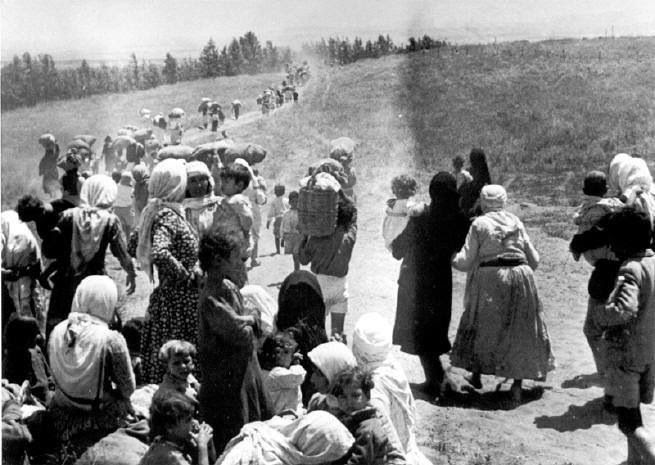
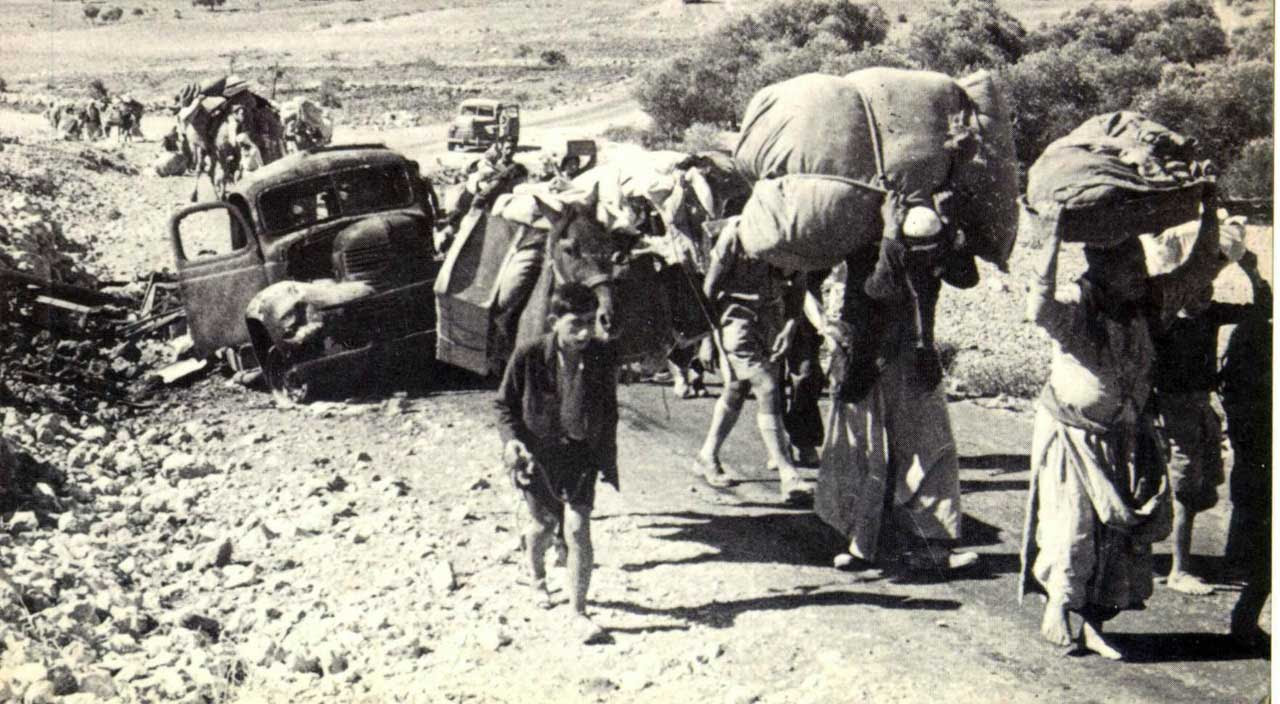

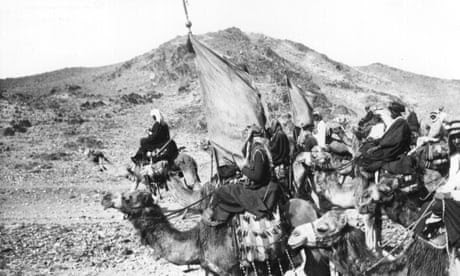

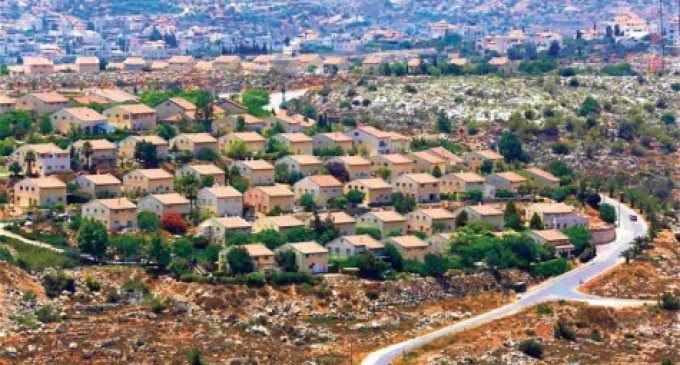
.jpg)
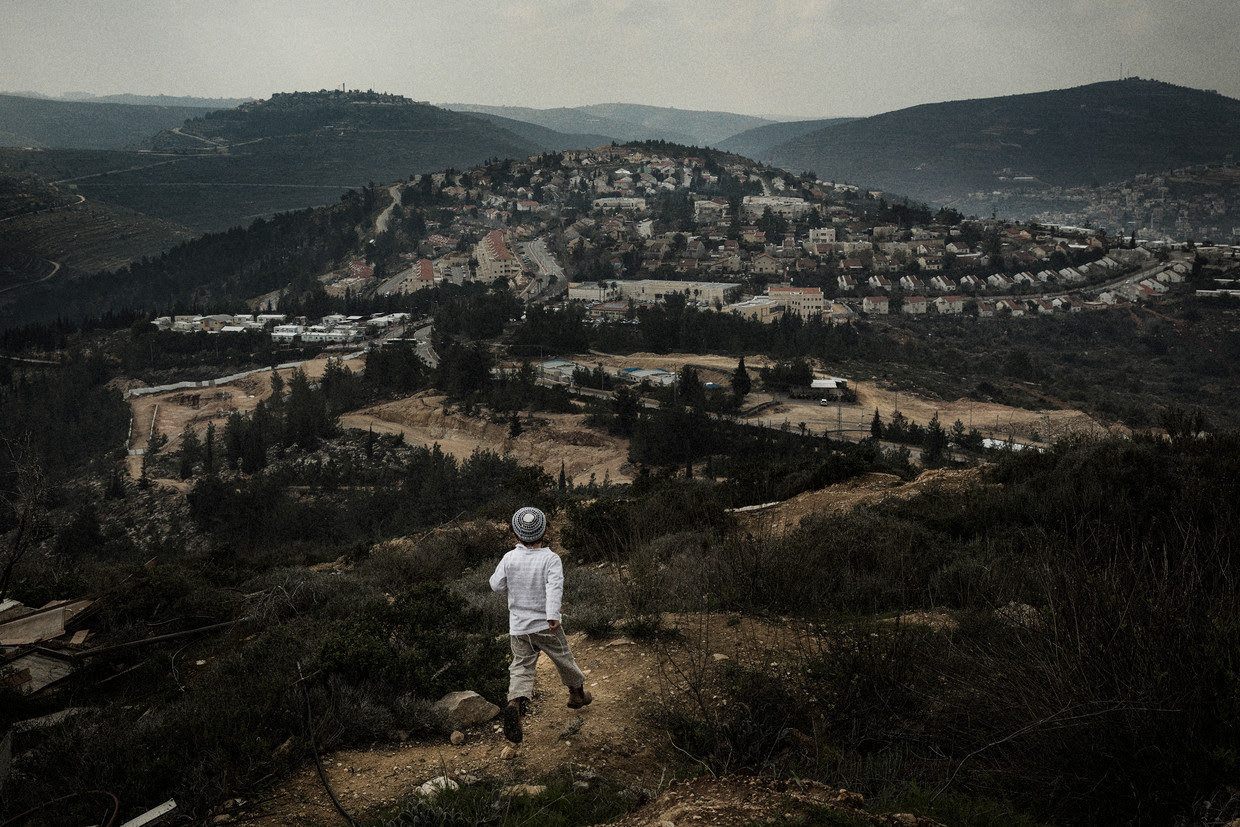
 Al-Mughayir: Settlers enter village groves and attack familiesOn 29 March 2020, around 3:30 P.M., three families from the village of al-Mughayir met in a-Dhahrat, north of the village, to have a picnic in the olive groves. The settlement outpost of Adei Ad was built about five kilometers from there. Just after they parked and got out of their cars, the families saw seven settlers, armed with clubs and knives, coming towards them from the settlement.Two of the families managed to flee in the tractor cart of a farmer who was passing by. The settlers started hurling stones at the car of the remaining family, Anwaar (27) and Munzar (34) Abu ‘Alia and their two children, while they were standing next to it. Anwaar, who is four months pregnant, fled on foot at her husband’s insistence. The settlers continued to hurl stones at the car, slashed its tires with knives and demanded the keys from Munzar. When he refused, they grabbed them by force. Abu ‘Alia and his two children fled the scene on foot, leaving car and mobile phone behind. The settlers started to chase them. Abu ‘Alia responded by throwing stones to fend them off and protect his children.
 Al-Mughayir: Settlers enter village groves and attack familiesOn 29 March 2020, around 3:30 P.M., three families from the village of al-Mughayir met in a-Dhahrat, north of the village, to have a picnic in the olive groves. The settlement outpost of Adei Ad was built about five kilometers from there. Just after they parked and got out of their cars, the families saw seven settlers, armed with clubs and knives, coming towards them from the settlement.Two of the families managed to flee in the tractor cart of a farmer who was passing by. The settlers started hurling stones at the car of the remaining family, Anwaar (27) and Munzar (34) Abu ‘Alia and their two children, while they were standing next to it. Anwaar, who is four months pregnant, fled on foot at her husband’s insistence. The settlers continued to hurl stones at the car, slashed its tires with knives and demanded the keys from Munzar. When he refused, they grabbed them by force. Abu ‘Alia and his two children fled the scene on foot, leaving car and mobile phone behind. The settlers started to chase them. Abu ‘Alia responded by throwing stones to fend them off and protect his children.