En de Koning zal antwoorden en tot hen zeggen: Voorwaar zeg Ik u: Voor zoveel gij dit een van deze Mijn minste broeders gedaan hebt, zo hebt gij dat Mij gedaan.
Dan zal Hij zeggen ook tot degenen, die ter linker hand zijn: Gaat weg van Mij, gij vervloekten, in het eeuwige vuur, hetwelk den duivel en zijn engelen bereid is.
Want Ik ben hongerig geweest, en gij hebt Mij niet te eten gegeven; Ik ben dorstig geweest, en gij hebt Mij niet te drinken gegeven;
Ik was een vreemdeling; en gij hebt Mij niet geherbergd; naakt, en gij hebt Mij niet gekleed; krank, en in de gevangenis, en gij hebt Mij niet bezocht.
Dan zullen ook dezen Hem antwoorden, zeggende: Heere, wanneer hebben wij U hongerig gezien, of dorstig, of een vreemdeling, of naakt, of krank, of in de gevangenis, en hebben U niet gediend?
Dan zal Hij hun antwoorden en zeggen: Voorwaar zeg Ik u: Voor zoveel gij dit een van deze minsten niet gedaan hebt, zo hebt gij het Mij ook niet gedaan
[Mocht u in tijdnood zijn, dan adviseer ik u, slechts de Epiloog
te lezen.
Daarin staat alles samengevat, kort en krachtig!]
Onderwerp:
Uw medewerking aan het JFVD ”kroegcollege”
Monseigneur de Hulpbisschop
Broeder in het Geloof
GEGROET!
Langs deze Weg wil ik graag een kort [ik hoop, dat het kort blijft en
ik mij niet teveel laat meeslepen] Woord tot u richten
Want OF verdwazing heeft u bevangen, OF u bent aanhanger van
een verderfelijk gedachtegoed.
En omdat ik dat laatste niet kan geloven, deze Brief.
Want naar ik vernomen heb via diverse kanalen, waaronder die
van een zeer goede en gewaardeerde bekende, die u trouwens ook
heeft aangeschreven [1], bent u voornemens, uw medewerking te verlenen
aan een ”kroegcollege” van de Jongeren Organisatie van Forum voor Democratie op zaterdag 6 mei aanstaande [2]
Ik citeer van de FVD website
”JFVD organiseert een kroegcollege met monseigneur Rob Mutsaerts, de hulpbisschop van Den Bosch! Voor de gelegenheid trekken we naar een gezellig cafeetje in Breda, op loopafstand van het station. Is dat even handig!
Ben je benieuwd naar de leer van het katholicisme en wil je dieper in de stof duiken?” [3]
Welnu, een dringende Oproep aan u, af te zien van deelname aan dit onzalige Evenement
FORUM VOOR DEMOCRATIE
Zoals u weet, of althans hoort te weten, is de politieke
club, vertegenwoordigd in de Tweede Kamer, waartoe
deze jongerenorganisatie behoort, een extreem-rechtse, fascistische groepering,
Enkele voorbeelden?
Enkele uitspraken van Thierry Baudet, leider en voorman van
Forum voor Democratie:
”’Ik wil graag, dat Europa dominant blank en cultureel blijft zoals het is”
EN ”Ik wil niet dat Europa Afrikaniseert” [4]
Baudet over de ”homeopathische verdunning van
de Nederlandse bevolking.
Ik citeer hem :
””Het fundamentele gebrek aan zelfvertrouwen, dat wij
hebben in onze cultuur, die zelfhaat……de Nederlandse
bevolking homeopathisch te verdunnen met alle volkeren
van de wereld, doordat we….er nooit meer een Nederlander zal bestaan,
zodat wie wij zijn niet meer gestalte…….heeft allemaal EEN oorzaak
en die oorzaak is onze cultuur van zelfhaat.”[5]
Ook is Baudet niet vies van de ophemeling van een besmet
Nederlands koloniaal verleden:
Laat ik hem citeren:
””Inderdaad, we zijn in Europa eigenlijk nooit teruggeschrokken voor idealen die voorbij onze horizon lagen. Integendeel: we kozen ze juist als leidraad: eerst het verre Jerusalem, daarna het oude Athene – weer later waren het de uitgestrekte zeeën en niet-ontdekte landen daarginds, waarheen we zeilden en waarvan we terugkwamen met nieuwe specerijen, nieuwe uitvindingen, nieuwe technieken.
Hoe verder weg, hoe uitdagender. [6]
Ik hoef u hopelijk niet uit te leggen, dat bovenstaande uitspraken
getuigen van racistisch superioriteitsdenken, waarbij koloniale
onderdrukking en uitbuiting nog worden verheerlijkt ook.
Zie daarvoor ook noot 7!
JONGERENORGANISATIE FORUM VOOR DEMOCRATIE
ANTISEMITISME EN RACISME
Maar het is nog veel erger!
Want de jongerentak van Forum voor Democratie,
waarvoor u uw ”kroegcollege” voornemens bent te houden,
is in het zeer recente verleden in besmette opspraak
gekomen door verderfelijke racistische en antisemitische
uitingen!
Leest u de berichten maar na in noot 8, voor zover u niet
zelf op de hoogte bent.
En voor een dergelijke Club wilt u een Kroegcollege houden?
En de Koning zal antwoorden en tot hen zeggen: Voorwaar zeg Ik u: Voor zoveel gij dit een van deze Mijn minste broeders gedaan hebt, zo hebt gij dat Mij gedaan.
Dan zal Hij zeggen ook tot degenen, die ter linker hand zijn: Gaat weg van Mij, gij vervloekten, in het eeuwige vuur, hetwelk den duivel en zijn engelen bereid is.
Want Ik ben hongerig geweest, en gij hebt Mij niet te eten gegeven; Ik ben dorstig geweest, en gij hebt Mij niet te drinken gegeven;
Ik was een vreemdeling; en gij hebt Mij niet geherbergd; naakt, en gij hebt Mij niet gekleed; krank, en in de gevangenis, en gij hebt Mij niet bezocht.
Dan zullen ook dezen Hem antwoorden, zeggende: Heere, wanneer hebben wij U hongerig gezien, of dorstig, of een vreemdeling, of naakt, of krank, of in de gevangenis, en hebben U niet gediend?
Dan zal Hij hun antwoorden en zeggen: Voorwaar zeg Ik u: Voor zoveel gij dit een van deze minsten niet gedaan hebt, zo hebt gij het Mij ook niet gedaan
[Mocht u in tijdnood zijn, dan adviseer ik u, slechts de Epiloog
te lezen.
Daarin staat alles samengevat, kort en krachtig!]
Onderwerp:
Uw medewerking aan het JFVD ”kroegcollege”
Monseigneur de Hulpbisschop
Broeder in het Geloof
GEGROET!
Langs deze Weg wil ik graag een kort [ik hoop, dat het kort blijft en
ik mij niet teveel laat meeslepen] Woord tot u richten
Want OF verdwazing heeft u bevangen, OF u bent aanhanger van
een verderfelijk gedachtegoed.
En omdat ik dat laatste niet kan geloven, deze Brief.
Want naar ik vernomen heb via diverse kanalen, waaronder die
van een zeer goede en gewaardeerde bekende, die u trouwens ook
heeft aangeschreven [1], bent u voornemens, uw medewerking te verlenen
aan een ”kroegcollege” van de Jongeren Organisatie van Forum voor Democratie op zaterdag 6 mei aanstaande [2]
Ik citeer van de FVD website
”JFVD organiseert een kroegcollege met monseigneur Rob Mutsaerts, de hulpbisschop van Den Bosch! Voor de gelegenheid trekken we naar een gezellig cafeetje in Breda, op loopafstand van het station. Is dat even handig!
Ben je benieuwd naar de leer van het katholicisme en wil je dieper in de stof duiken?” [3]
Welnu, een dringende Oproep aan u, af te zien van deelname aan dit onzalige Evenement
FORUM VOOR DEMOCRATIE
Zoals u weet, of althans hoort te weten, is de politieke
club, vertegenwoordigd in de Tweede Kamer, waartoe
deze jongerenorganisatie behoort, een extreem-rechtse, fascistische groepering,
Enkele voorbeelden?
Enkele uitspraken van Thierry Baudet, leider en voorman van
Forum voor Democratie:
”’Ik wil graag, dat Europa dominant blank en cultureel blijft zoals het is”
EN ”Ik wil niet dat Europa Afrikaniseert” [4]
Baudet over de ”homeopathische verdunning van
de Nederlandse bevolking.
Ik citeer hem :
””Het fundamentele gebrek aan zelfvertrouwen, dat wij
hebben in onze cultuur, die zelfhaat……de Nederlandse
bevolking homeopathisch te verdunnen met alle volkeren
van de wereld, doordat we….er nooit meer een Nederlander zal bestaan,
zodat wie wij zijn niet meer gestalte…….heeft allemaal EEN oorzaak
en die oorzaak is onze cultuur van zelfhaat.”[5]
Ook is Baudet niet vies van de ophemeling van een besmet
Nederlands koloniaal verleden:
Laat ik hem citeren:
””Inderdaad, we zijn in Europa eigenlijk nooit teruggeschrokken voor idealen die voorbij onze horizon lagen. Integendeel: we kozen ze juist als leidraad: eerst het verre Jerusalem, daarna het oude Athene – weer later waren het de uitgestrekte zeeën en niet-ontdekte landen daarginds, waarheen we zeilden en waarvan we terugkwamen met nieuwe specerijen, nieuwe uitvindingen, nieuwe technieken.
Hoe verder weg, hoe uitdagender. [6]
Ik hoef u hopelijk niet uit te leggen, dat bovenstaande uitspraken
getuigen van racistisch superioriteitsdenken, waarbij koloniale
onderdrukking en uitbuiting nog worden verheerlijkt ook.
Zie daarvoor ook noot 7!
JONGERENORGANISATIE FORUM VOOR DEMOCRATIE
ANTISEMITISME EN RACISME
Maar het is nog veel erger!
Want de jongerentak van Forum voor Democratie,
waarvoor u uw ”kroegcollege” voornemens bent te houden,
is in het zeer recente verleden in besmette opspraak
gekomen door verderfelijke racistische en antisemitische
uitingen!
Leest u de berichten maar na in noot 8, voor zover u niet
zelf op de hoogte bent.
En voor een dergelijke Club wilt u een Kroegcollege houden?
Reacties uitgeschakeld voor Medewerking Hulpbisschop Rob Mutsaerts aan ”kroegcollege” jongerenorganisatie Forum voor Democratie flagrante schending principes Christendom!/Een Brief!
En de Koning zal antwoorden en tot hen zeggen: Voorwaar zeg Ik u: Voor zoveel gij dit een van deze Mijn minste broeders gedaan hebt, zo hebt gij dat Mij gedaan.
Dan zal Hij zeggen ook tot degenen, die ter linker hand zijn: Gaat weg van Mij, gij vervloekten, in het eeuwige vuur, hetwelk den duivel en zijn engelen bereid is.
Want Ik ben hongerig geweest, en gij hebt Mij niet te eten gegeven; Ik ben dorstig geweest, en gij hebt Mij niet te drinken gegeven;
Ik was een vreemdeling; en gij hebt Mij niet geherbergd; naakt, en gij hebt Mij niet gekleed; krank, en in de gevangenis, en gij hebt Mij niet bezocht.
Dan zullen ook dezen Hem antwoorden, zeggende: Heere, wanneer hebben wij U hongerig gezien, of dorstig, of een vreemdeling, of naakt, of krank, of in de gevangenis, en hebben U niet gediend?
Dan zal Hij hun antwoorden en zeggen: Voorwaar zeg Ik u: Voor zoveel gij dit een van deze minsten niet gedaan hebt, zo hebt gij het Mij ook niet gedaan
Als voorzitter van de FvD-jongerenafdeling liet Freek Jansen leden met homofobe en extreemrechtse ideeën blijven terwijl hij klokkenluiders royeerde. De jonge aanhang blijft extremistische ideeën verspreiden.
Bij de jongeren van Forum voor Democratie zijn leden actief die zich antisemitisch en homofoob uiten en nazisympathieën hebben. Dat blijkt uit nieuwe screenshots van appgroepen, in het bezit van Het Parool, berichten op een Instagramaccount en gesprekken met anonieme bronnen.
Eerder dit jaar kwam al naar buiten dat de partij drie leden vanwege extremistische uitlatingen in een appgroep had geroyeerd, drie anderen werden geschorst. Maar sindsdien lijkt er weinig veranderd. De vraag is of Freek Jansen, voorzitter van de JFvD en zevende op de lijst voor de Tweede Kamer, wel echt schoon schip wil maken. Zo werd een van de radicale JFvD’ers niet geroyeerd, maar in september juist benoemd tot coördinator van de JFvD in Zuid-Holland.
Het gaat om een 23-jarige student politieke communicatie die in een appgroep beweerde dat ‘Joden internationale pedonetwerken hebben en vrouwen massaal de pornografie in helpen’. Ook stelde hij dat ‘het nationaalsocialisme de beste economische formule ooit had’.
‘Is dit verstandig?’
Bezorgde JFvD’ers vroegen hun bestuur dit voorjaar om de bewuste student en zeventien anderen te royeren. Maar toen werden de klokkenluiders zelf juist hard aangepakt. Ten minste vijf van hen werden geroyeerd, onder wie de regionaal coördinatoren in Zuid-Holland.
In een brief van het bestuur van de JFvD werd het vijftal ervan beschuldigd een ‘opruiende rol’ te spelen. Ze zouden ‘smadelijk materiaal’ naar de pers hebben gelekt met het ‘kennelijke oogmerk om de reputatie van de JFvD te beschadigen’.
De 23-jarige student die de antisemitische uitlatingen deed, werd vervolgens dus in Zuid-Holland benoemd. Hij liet in juni van dit jaar in de appgroep ‘Hub Zuid-Holland’, waarin ook statenlid Gideon van Meijeren actief is, opnieuw van zich horen. Hij plaatste een link naar een filmpje met de tekst ‘Meine Ehre heisst Treue’, de lijfspreuk van de SS.
Een ander appgroeplid vroeg zich af: ‘Is het wel verstandig om video’s te promoten met de motto’s van respectievelijk de Wehrmacht en de Schutzstaffel’? De aangesprokene ging er niet op in en appte even later: ‘Ik kan alleen maar constateren dat de ‘racist’ steeds eervoller lijkt ten opzichte van de niet-racistische medemensen.’
Op een telefonisch verzoek om een reactie gaat de student niet in: we zijn volgens hem ‘verkeerd verbonden’. Op een bericht antwoordt hij niet.
Verslag uit Duitsland
Een ander JFvD-lid met extreme opvattingen promoveerde deze zomer tot organisator van het FvD-zomerkamp in de Ardennen. Tijdens het kamp van 2019 viel hij als gewoon deelnemer op omdat hij op zijn telefoon duidelijk hoorbaar SS-liederen afspeelde. Hij beheert het anonieme Instagramaccount ‘FryslanSaksisch’ en noemt zichzelf ‘Germanist’ en ‘Völkisch’.
Deze zomer deed hij op dat account verslag van een reis door Duitsland, waarbij hij een museum met naziparafernalia bezocht. Bij een foto van het boek Der Untermensch schreef hij: ‘Had the honor to see this classic masterpiece in real life’. In dat antisemitische haatschrift uit 1942 werden Joden geportretteerd als ‘pestbacillen’ en als ‘geestelijk van lager orde dan dieren’.
Bij een foto van SS-messen tikte hij ‘Meine ehre heisst treue’. Een aantal foto’s werd op 4 oktober 2020 door Instagram verwijderd ‘vanwege geweld of gevaarlijke organisaties’. Een telefonische reactie op zijn uitingen geeft hij niet omdat hij ‘een toets moet maken’. Hij verwijst naar de persvoorlichter van Forum.
Woordgrap
Een van de volgers van ‘FryslanSaksisch’ is Iem al Biyati, een student Europese Studies die blijkens haar Linkedinaccount op het partijkantoor van Forum werkt. In een reactie zegt Al Biyati dat ze ‘wel vierhonderd’ Instagramaccounts volgt en niet weet waar het over gaat. Ze treedt op in het FvD-journaal, waar ze het ‘Biemjournaal’ presenteert, zoals op 20 september toen ze partijleider Thierry Baudet interviewde over Prinsjesdag. Ze is landelijk coördinator van de JFvD en was medeorganisator van het zomerkamp. In augustus poseerde ze in dirndlkostuum naast Freek Jansen – in lederhose – tijdens een samenzijn in de Ardennen.
Al Biyati is een van de JFvD’ers over wie eerder dit jaar door bezorgde jongeren binnen JFvD werd gerapporteerd. In een appgroep antwoordde ze ‘dit is het meest wenselijke’ toen iemand appte dat hij in Nederland ‘95 procent blank en 0 procent moslims’ wilde. Ook schreef ze – naar eigen zeggen als ‘woordgrap’: ‘Je geeft homo’s je vinger en ze nemen gelijk je hele poot’. Ze plaatste in een van de appgroepen de muziek die de extreemrechtse Australische terrorist draaide op weg naar twee moskeeën in het Nieuw-Zeelandse Christchurch waar hij 51 mensen vermoordde. “Dat was een soort edgy grap,” zegt ze daar nu over.
Naast het document met uitgelekte screenshots heeft het bestuur van FvD nog andere documenten ingezien waaruit bleek dat Al Biyati in november 2019 ook actief was in andere radicale appgroepen, waarin een van de aanwezigen antisemitische teksten bezigde. Een ander deelde een pamflet van de extreemrechtse organisatie Voorpost, kort nadat Al Biyati een oproep had geplaatst voor een stagiair bij de Eerste Kamerfractie van FvD.
Al Biyati zegt dat ze nu eenmaal niet alle discussies kan volgen in de vele appgroepen waarin ze berichten plaatst. Ze beaamt dat er in appgroepen ‘walgelijke dingen’ zijn gezegd, maar wil er naar eigen zeggen ‘niets meer mee te maken hebben’.
Altrightscene
Niet alleen leden van de JFvD deelden racistische en antisemitische uitspraken, ook voorzitter Freek Jansen zelf verspreidt extreemrechts gedachtegoed. Tijdens een JFvD-congres had hij het over de noodzaak tot ‘overheersingsdrang’ om onze beschaving te redden van de dreigende ondergang. De speech zat vol met toespelingen voor de altrightscene, de wereldwijde radicaalrechtse beweging.
Jansen kwam ook in opspraak omdat hij zich volgens zijn voormalige werkgever, de griffier van de gemeente Westland, lovend zou hebben uitgelaten over het Derde Rijk. Een anonieme medewerker ondersteunde in HP/De Tijd de beschuldigingen van de griffier, Jansen zelf deed ze af als ‘belachelijk en lasterlijk’.
De jongerenorganisatie van Forum voor Democratie, JFVD, heeft meerdere klokkenluiders geroyeerd. Eerder dit jaar waarschuwden deze leden voor rechts-extremistische ideeën onder partijleden.
De partij zegde minstens drie van hen de wacht aan, blijkt uit hun royementsbrieven, verstuurd op 17 september en in handen van de Volkskrant. In de brieven schrijft het JFVD-bestuur onder meer dat de leden hebben geprobeerd de partij ‘binnen te dringen en druk uit te oefenen op het bestuur’.
De kritische JFVD’ers vroegen aandacht voor de interne misstanden, onder meer middels twee brandbrieven die zij ter ondertekening binnen de partij lieten rondgaan. ‘Het scheppen van wanorde binnen de organisatie’, aldus JFVD, dat ook veroordeelt dat de groep al in een vroeg stadium zou hebben geschermd met het lekken van extreme appberichten naar de pers.
Dat HP/De Tijd uiteindelijk over de appberichten publiceerde, heeft ‘de goede naam van JFVD ernstig en op onredelijke wijze in het geding gebracht’, schrijft het bestuur.
‘Geen gedachtepolitie’
De reeks royementen versterkt het gevoel van kritische ex-leden dat JFVD (en moederpartij FVD) zich meer opwinden over de publicitaire schade dan over de appberichten zelf.
Eind april bracht het artikel van HP/De Tijd een mediastorm teweeg: het opinieblad publiceerde screenshots uit vooral onofficiële groepen met JFVD-leden. In één groep werd het nationaalsocialisme de ‘beste economische formule ooit’ genoemd. Een ander groepslid verklaarde ‘letterlijk iedere ideologie’ te zullen aanhangen die Nederland ‘weer 95% blank maakt met 0% moslims’.
In eerste instantie verklaarde Forum ‘geen gedachtepolitie’ te willen spelen. Later royeerde de partij alsnog drie leden en schorste zij drie andere.
‘Zonde als je geroyeerd wordt’
In de royementsbrieven van twee van de klokkenluiders stelt het JFVD-bestuur – geleid door voorzitter, kandidaat-Tweede Kamerlid en Baudet-vertrouweling Freek Jansen – dat zij ‘ruimschoots in de gelegenheid gesteld zijn’ hun kant van het verhaal te laten horen. Omdat zij daar niet op zijn ingegaan, concludeert het bestuur dat een royement terecht is.
Inderdaad gingen zij niet in op uitnodigingen van het JFVD-bestuur, een beslissing die deels voortkwam uit de ervaringen van de derde klokkenluider, die in juli wél op gesprek kwam. In een geluidsfragment, dat in bezit is van deze krant, is te horen hoe dit lid door een bestuurslid en een ‘adviseur’ van het bestuur onder zware druk wordt gezet om de namen van andere klokkenluiders prijs te geven.
Het zou ‘zonde zijn als iedereen geroyeerd wordt’, zegt een van de ondervragers tijdens het gesprek op het partijkantoor van Forum in Amsterdam. ‘Vandaar dat het namen noemen wel een beetje waarde heeft’, vult de tweede aan. ‘Ik denk, dan kunnen we misschien een oplossing vinden’, besluit de eerste. Een ander ex-lid van JFVD herkent die handelswijze van het bestuur.
‘Rancuneuze ex-functionarissen’
In een reactie schrijft Forum dat de leden niet zijn geroyeerd omdat zij misstanden meldden, maar ‘omdat zij doelbewust schade hebben toegebracht aan JFVD’. De partij benadrukt dat slechts een klein deel van een grotere groep kritische leden is geroyeerd. Van deze leden zegt FVD schriftelijk bewijs te hebben ‘dat hun intentie altijd lekken naar de pers was’. Op een voor deze krant oncontroleerbare schermafbeelding van een appgesprek wordt die mogelijkheid besproken.
Ook koppelden de leden hun melding van de laakbare appjes aan eisen voor organisatorische veranderingen binnen JFVD. Het sterkt Forum in haar overtuiging dat het hier geen klokkenluiders betrof, maar ‘rancuneuze ex-functionarissen die onder het mom van kritiek hun gram wilden halen’.
Inmiddels zou JFVD ‘veel strenger’ handhaven in officiële partij-apps. Uitnodigingen voor en links naar andere, minder officiële chats zijn niet toegestaan, aldus Forum.
CIDI zeer bezorgd
Het Centrum Informatie en Documentatie Israël (CIDI) zegt in een reactie ‘zeer bezorgd’ te zijn over de royementen. De organisatie heeft de afgelopen maanden meermaals vragen gesteld aan zowel FVD als JFVD over het interne onderzoek naar de appberichten. Daarop zou niet inhoudelijk gereageerd zijn.
‘FVD zegt regelmatig antisemitisme ver van zich te werpen’, aldus CIDI. ‘In het geval van JFVD zijn dergelijke woorden echter niet omgezet in daden.’
De onrust is ontstaan na nieuwe onthullingen over het extremisme binnen Jongeren Forum voor Democratie (JFVD), de jongerenafdeling die onder leiding staat van Freek Jansen, een naaste medewerker van Baudet en nummer zeven op de kandidatenlijst voor de Tweede Kamerverkiezingen. Het Parool kwam dit weekend met nieuwe onthullingen over de antisemitische complottheorieën en andere extremistische ideeën die leden van JFVD met elkaar delen op sociale media. De JFVD heeft een intern onderzoek aangekondigd.
De Volkskrant meldde vorige week al dat klokkenluiders die alarm sloegen over het extremisme binnen de jongerenclub zijn geroyeerd door het JFVD-bestuur onder leiding van Jansen. De personen die zich schuldig maakten aan racistische en nazistische uitingen blijken juist te zijn gepromoveerd, meldde het Parool zaterdag.
Het extremisme binnen JFVD is al langer bekend. In april publiceerde HP/De Tijd over extreme uitlatingen die in app-groepen werden gedaan door JFVD’ers. Zo werd in één groep het nationaalsocialisme de ‘beste economische formule ooit’ genoemd. Een ander groepslid verklaarde ‘letterlijk iedere ideologie’ te zullen aanhangen die Nederland ‘weer 95% blank maakt met 0% moslims’.
Het Parool kwam zaterdag met nieuwe details. Een 23-jarige student politieke communicatie zou in een appgroep hebben gezegd dat ‘Joden internationale pedonetwerken hebben en vrouwen massaal de pornografie in helpen’ en dat ‘het nationaalsocialisme de beste economische formule ooit had’. Een andere JFVD’er plaatste in een van de appgroepen de muziek die de extreemrechtse Australische terrorist draaide op weg naar twee moskeeën in het Nieuw-Zeelandse Christchurch waar hij 51 mensen vermoordde.
Vijf van de leden die hun beklag deden over deze en andere uitlatingen werden uiteindelijk geroyeerd. De 23-jarige student die de antisemitische uitlatingen had gedaan, kreeg promotie. Hij werd benoemd tot regionaal coördinator van de jongerenafdeling in Zuid-Holland.
JFVD-voorzitter Jansen liet zaterdag in een reactie weten ‘geschrokken’ te zijn van de mediaberichten. ‘Racistisch en antisemitisch gedachtegoed heeft geen plaats in onze vereniging’. Volgens Baudets vertrouweling zouden de betrokkenen afstand nemen van de aantijgingen. ‘Het gaat om citaten uit de context.’ ‘In het belang van de partij’ heeft JFVD wel besloten om de betrokken coördinatoren ‘uit hun functie te ontheffen’.
Baudet toonde zich zaterdagavond op Twitter vol lof over de reactie van Jansen. ‘Uitstekend optreden.’ Meerdere prominente FVD’ers hebben zich inmiddels tegen dat oordeel van hun partijleider gekeerd. Eerste Kamerlid Annabel Nanninga eist juist ‘een volledige sanering van JFVD’. ‘Onacceptabel dat mensen met dit soort denkbeelden in onze partij zitten en dat daar niet meteen keihard tegen wordt opgetreden’, liet ze op Twitter weten. ‘Ik sta hier volstrekt niet achter.’
FVD-europarlementariër Rob Roos liet zich in vergelijkbare bewoordingen uit. ‘Persoonlijk had ik liever gezien dat we in één keer echt schoon schip hadden gemaakt en de JFVD hadden opgedoekt. Jongerenafdeling opnieuw opzetten.’ Andere senatoren, gemeenteraadsleden, provinciale bestuurders en ook Europees lijsttrekker Derk-Jan Eppink sloten zich aan bij de kritiek van Roos en Nanninga.
Tweede Kamerlid Theo Hiddema heeft genoeg van het gedoe bij JFVD. ‘Ik ben ontdaan door de inhoud van die nieuwe appjes. Er wordt door die lui roekeloos omgegaan met de reputatie van onder andere ik. Eerder heb ik al gezegd dat iedereen die deze smurrie verspreidt eruit moet. Of Freek Jansen kan blijven? Dat weet ik niet. Ik heb een scherp omlijnd standpunt, maar wil dat eerst binnen de groep bespreken.’
Na de aanhoudende kritiek besloot het bestuur van JFVD zondag zich in afwachting van een intern onderzoek ‘tijdelijk’ terug te trekken. ‘We zien de resultaten met vertrouwen tegemoet.’
Het is de vraag of Baudet bereid is om Jansen te laten vallen. Hij trekt al jaren nauw op met de JFVD-voorzitter die tevens zijn rechterhand is in de Tweede Kamer. Volgens voormalige FVD’ers die eerder gedesillusioneerd afhaakten bij de partij tolereert Baudet bovendien geen kritiek. De partij is het afgelopen jaar in een duikvlucht beland in de peilingen en verliest snel steun onder het electoraat.
Freek Jansen, kandidaat-Kamerlid en vertrouweling van partijvoorzitter Thierry Baudet, noemt de jongste aantijgingen van racisme aan het adres van Forum voor Democratie ‘selectieve verontwaardiging’. De nummer zeven op de kieslijst stelt dat er in talloze WhatsApp-gesprekken dezelfde soort grappen worden gemaakt. ,,De jongeren van VVD en CDA gaan veel verder. Maar daar maak je geen item over”, zegt Jansen in gesprek met programmamaker Danny Ghosen.
EW (voorheen Elsevier) publiceerde dinsdag screenshots van en citaten uit FVD-WhatsApp-groepen. Dit keer gaat het niet, zoals eind vorig jaar, om appgroepen van de jeugdtak van de partij, maar om groepen waarin kopstukken, inclusief partijleider Thierry Baudet, actief zijn.
In de groepen gaat het volgens EW onder meer over het verschil in IQ tussen witte mensen, ‘African Americans’ en ‘Hispanics’. Baudet vraagt in de groep ook ‘Wil jij dat je zus met een neger thuiskomt?’, waarop nummer zes op de lijst, Gideon van Meijeren, antwoordt: ,,Hell no.”
‘Het zijn grappen’
Freek Jansen, de rechterhand van Baudet en tevens voorzitter van de jongerentak van de partij, stelt dat de media het probleem groter maken dan het is. ,,Dit soort berichten vind je ook in buurtapps, sportapps, studentenapps. Het zijn grappen, provocerende opmerkingen. Gewoon een beetje borrelpraat”, zegt de jonge FVD’er in het NPO2-programma Danny’s wereld, dat vanavond om 21.05 wordt uitgezonden.
Het maken van racistische grappen over gekleurde mensen gebeurt overal, suggereert Jansen. ,,Ik denk dat wij onder een vergrootglas liggen. Het is selectief. Als er bij ons iets in zo’n appje gebeurt, dan is het meteen groot nieuws. Als het ergens anders gebeurt niet. Dat hebben we eerder gehad met de jongeren van VVD of CDA. Die maken de hele dag dit soort grappen, gaan veel verder met dit soort dingen. Dat komt niet in het achtuurjournaal. Het is selectieve verontwaardiging.“
Kotsende smiley
Volgens Jansen zijn veel mensen in Nederland overgevoelig geworden. ,,Je mag nergens meer grappen over maken. Ik vind dat je alles mag mogen zeggen, totdat je oproept tot geweld.” Het beledigen van mensen hoort daar ook bij, vindt Jansen. ,,Waarom zijn mensen daar zó ontzettend gevoelig voor? Kijk eens naar een normale cabaretshow. Iedereen wordt continu beledigd. Al helemaal als je op de eerste rij zit. Dat is toch gewoon humor?”
In de gelekte appjes haalt Jansen, die als leider van de JFVD ook niet zou hebben ingegrepen na racistische appjes in de appgroepen van de jongerenafdeling, ook uit naar CDA’er Pieter Omtzigt. Jansen zou hebben gezegd dat Omtzigt zich zal uitspreken voor de Black Lives Matter-beweging en dat het CDA over een diversiteitscommissie beschikt. Baudet zou daarop hebben gereageerd met een kotsende smiley.
Onder hoge druk
Het stoort Jansen dat de media zich hier überhaupt mee bezig houden. ,,Je zit in een privé appgroep met elkaar grappen en grollen te maken. Je zit de hele dag onder hele hoge druk te werken. Dan ontstaat er een soort sfeertje, met slap gelul. Dat is niet wat in ons partijprogramma staat. Dat is niet waar wij moties over indienen. Dit is gewoon kroegpraat. Er worden rollenspellen gespeeld. Voor de rest is er niet zo veel achter te zoeken.”
FVD-Kamerlid en tweede man op de kieslijst Wybren van Haga is het met Jansen eens dat iedereen ‘in vrijheid bepaalde grappen moet kunnen maken’. Hij kent echter ‘de context’ van de berichten niet. ,,Maar ik ben het ermee eens dat het politiek niet handig is”, zegt hij tegen ANP. FVD-leider Thierry Baudet noemde de aantijgingen eerder ‘opgeklopte ophef’. ,,,Er bestaat zoiets als een privéruimte. Het onderscheid niet accepteren tussen privé en publiek hoort bij een totalitair regime.” Baudet meent dat journalisten zich laten gebruiken door het ‘kartelspel’ om FVD in ‘een heel onaangenaam daglicht’ te stellen. ,,Nederlanders kijken hier dwars doorheen.”
Of de uitingen van Baudet en andere Forumleden strafbaar zijn, daar twijfelt hoogleraar staats- en bestuursrecht Wim Voermans niet aan. ,,Dit is duidelijk strafbaar”, zegt hij tegen Trouw.
Kritiek van Tweede Kamerleden
Verscheidene Kamerleden uitten forse kritiek op Forum voor Democratie, naar aanleiding van racistische berichten in WhatsApp-groepen van FVD.
Kamerlid Dilan Yesilgöz-Zegerius (VVD) deelt het artikel op Twitter en schrijft erbij: ,,If it looks like a duck, swims like a duck, and quacks like a duck, then it probably is a duck.”
GroenLinks-leider Jesse Klaver en D66-Kamerlid Rob Jetten wijzen erop dat de VVD en het CDA in Brabant samenwerken met FVD. ,,Racisme, homofobie, vrouwen- en Jodenhaat. Allemaal in de appwisselingen van Baudet en z’n kameraden”, aldus Jetten op Twitter. ,,VVD en CDA zitten ondertussen vrolijk met Forum voor Democratie in de coalitie in Brabant. Daarmee krijgen racisme en discriminatie legitimiteit.”
Klaver vraagt zich af: ,,Als dit nog geen reden is voor CDA en VVD om te stoppen met de samenwerking met FvD in Brabant, wat dan wel?” PvdA-leider Lilianne Ploumen vindt het ‘afschuwelijk dat mensen zo over medemensen praten. Racisme en antisemitisme horen niet thuis in ons Nederland’.
Premier Mark Rutte wil vanwege de apps niet met Forum voor Democratie in een nieuw kabinet gaan zitten. ,,Ik zag het al niet gebeuren, maar na deze verschrikkelijke appjes – die overigens passen in een beeld dat we al langer van hem zien – is het landelijk echt onmogelijk geworden om met hem in een kabinet te gaan zitten”, zei Rutte. Volgens hem zijn de appjes racistisch. ,,Deze appjes die gaan alle grenzen over. Het is zo walgelijk. Homofoob, racistisch, het is echt verschrikkelijk.”
EINDE BERICHT
”De premier reageerde op nieuwe controverse bij Forum, nadat er racistische en homofobe Whatsappjes waren opgedoken van Thierry Baudet. Rutte: ,,Ik zag het eigenlijk al niet gebeuren, maar na deze verschrikkelijke appjes… Die passen wel in het beeld dat we al langer van hem zien, maar nu is het landelijk wel onmogelijk geworden om met hem in een kabinet te gaan zitten.”
”Volgens Rutte gaan deze appjes ‘alle grenzen over’, het is ‘zo walgelijk, homofoob, racistisch, echt verschrikkelijk’. ,,Samenwerken onder Mark Rutte, met de VVD, is niet mogelijk. Gaat niet gebeuren.””
VVD-leider Mark Rutte zal, mocht het zou uitkomen, niet in een volgend kabinet deelnemen met Forum voor Democratie. Dat zei de partijleider woensdagavond bij Op1.
De premier reageerde op nieuwe controverse bij Forum, nadat er racistische en homofobe Whatsappjes waren opgedoken van Thierry Baudet. Rutte: ,,Ik zag het eigenlijk al niet gebeuren, maar na deze verschrikkelijke appjes… Die passen wel in het beeld dat we al langer van hem zien, maar nu is het landelijk wel onmogelijk geworden om met hem in een kabinet te gaan zitten.”
Volgens Rutte gaan deze appjes ‘alle grenzen over’, het is ‘zo walgelijk, homofoob, racistisch, echt verschrikkelijk’. ,,Samenwerken onder Mark Rutte, met de VVD, is niet mogelijk. Gaat niet gebeuren.”
Dinsdag lekten via Elsevier Weekblad berichten uit van Thierry Baudet en diverse kandidaten op de kieslijst van Forum voor Democratie (FVD). Zij zouden zich in WhatsAppgroepen van hun partij racistisch hebben geuit.
IQ
Baudet en enkele van zijn partijprominenten zouden zich racistisch en homofoob hebben uitgelaten. Zo zou Baudet op 29 juli van vorig jaar tegen zijn partijvrienden hebben gezegd dat witte mensen gemiddeld een IQ scoren van 110, terwijl dat voor Hispanics 90 is en voor Afro-Amerikanen 75.
Eerder al koppelde een FVD’er intelligentie aan afkomst van volkeren. Baudet zei later dat hij bedoelde dat bepaalde mensen minder toegang hebben tot onderwijs. Maar volgens Elsevier appte hij nu ook: ,,Bovendien: african americans wonen al 150 jaar in Amerika. Scoren nog steeds 40 IQ punten lager.” De vraag is of hij hiermee bedoelt dat ras wel degelijk een rol speelt.
In een discussie met Gideon van Meijeren en Yanick Chevalier, die nu de nummers 6 en 23 op de kandidatenlijst zijn, zou Baudet hebben geschreven: ‘Wil jij dat je zus met een neger thuiskomt?’ Het antwoord van Van Meijeren zou ‘Hell no’ zijn geweest. Baudet spreekt dat vervolgens niet tegen en corrigeert hen evenmin, maar stuurt een icoontje van een geschrokken kat.
Baudet zei over de appjes dat er ‘hooguit ooit een grapje is gemaakt’.
Brabant
In Brabant blijft de VVD overigens wel samenwerken met Forum in de Provinciale Staten. De fractie daar noemt Thierry Baudet ‘een creep’, maar wil de samenwerking niet stoppen.
Thierry Baudet en diverse kandidaten op de kieslijst van Forum voor Democratie (FVD) zouden zich in WhatsAppgroepen van hun partij racistisch hebben geuit. Dat schrijft weekblad Elsevier, dat zegt te beschikken over conversaties in twee appgroepen. Baudet zegt dat er ‘hooguit ooit een grapje is gemaakt’.
Baudet en enkele van zijn partijprominenten zouden zich racistisch en homofoob hebben uitgelaten. Zo zou Baudet op 29 juli van vorig jaar tegen zijn partijvrienden hebben gezegd dat witte mensen gemiddeld een IQ scoren van 110, terwijl dat voor Hispanics 90 is en voor Afro-Amerikanen 75.
Eerder al koppelde een FVD’er intelligentie aan afkomst van volkeren. Baudet zei later dat hij bedoelde dat bepaalde mensen minder toegang hebben tot onderwijs. Maar volgens Elsevier appte hij nu ook: ,,Bovendien: african americans wonen al 150 jaar in Amerika. Scoren nog steeds 40 IQ punten lager.” De vraag is of hij hiermee bedoelt dat ras wel degelijk een rol speelt.
Neger
In een discussie met Gideon van Meijeren en Yanick Chevalier, die nu de nummers 6 en 23 op de kandidatenlijst zijn, zou Baudet hebben geschreven: ‘Wil jij dat je zus met een neger thuiskomt?’ Het antwoord van Van Meijeren zou ‘Hell no’ zijn geweest. Baudet spreekt dat vervolgens niet tegen en corrigeert hen evenmin, maar stuurt een icoontje van een geschrokken kat.
Volgens Elsevier zouden medewerkers Andreas Bakir en Samuel Jong, ook kandidaten 17 en 15 voor de komende verkiezingen, in een groepsapp hebben aangedrongen op een verbod van Netflix, vanwege een serie waarin een seksuele relaties tussen witte vrouwen en zwarte mannen zou worden gepropageerd.
Jongeren
Forum kwam vorig jaar in opspraak vanwege racistische berichten in appgroepen van de jongerentak JFVD. Daarop volgden onthullingen van partijgenoten dat Baudet zich tijdens een diner antisemitisch zou hebben uitgelaten. Ook zou Baudet hebben gezegd dat ‘corona de wereld in gebracht is door George Soros’, de in rechtse kringen omstreden filantroop. Die zou ‘onze vrijheid’ willen ‘afnemen om een nieuwe wereldheerschappij te starten’.
Baudet sprak daarna echter met klem tegen dat er in zijn partij ruimte zou zijn geweest voor racisme of homofobie. Dat Elsevier nu berichten publiceert die door Baudet zelf geschreven zijn, is in die zin een nieuwe wending. Het blad zegt screenshots te gaan publiceren waaruit blijkt dat de partijleider zelf uit de bocht is gevlogen.
GRAPJE
Baudet zelf heeft gereageerd via een filmpje op Twitter. Volgens hem wil het ‘kartel’ dat ‘als de dood is voor onze opkomst’ hem beschadigen. Baudet suggereert dat de berichten afkomstig zijn van voormalig FvD’ers die bij de partij vertrokken uit onvrede over Baudet en de affaires. Hij spreekt van de ‘Judas-alliantie’ van JA21 waar veel afvalligen zijn neergestreken onder de vleugels van Annabel Nanninga en Joost Eerdmans.
Baudet zegt dat er ‘hooguit ooit een grapje is gemaakt’. ,,Je kunt niet op die manier mensen afrekenen.”
In de appjes haalt Freek Jansen, die als leider van de JFVD niet zou hebben ingegrepen na racistische appjes in de appgroepen van de jongerenafdeling, ook uit naar CDA’er Pieter Omtzigt. Jansen zou hebben gezegd dat Omtzigt zich zal uitspreken voor de Black Lives Matter-beweging en dat het CDA over een diversiteitscommissie beschikt. Baudet zou daarop hebben gereageerd met een kotsende smiley.
EINDE BERICHT
Reacties uitgeschakeld voor Noten 7 en 8/Astrid Essed versus Hulpbisschop Mutsaerts
”Het fundamentele gebrek aan zelfvertrouwen, dat wij
hebben in onze cultuur, die zelfhaat……de Nederlandse
bevolking homeopathisch te verdunnen met alle volkeren
van de wereld, doordat we….er nooit meer een Nederlander zal bestaan,
zodat wie wij zijn niet meer gestalte…….heeft allemaal EEN oorzaak
en die oorzaak is onze cultuur van zelfhaat.”
EINDE YOUTUBE FILMPJE
[6]
””Inderdaad, we zijn in Europa eigenlijk nooit teruggeschrokken voor idealen die voorbij onze horizon lagen. Integendeel: we kozen ze juist als leidraad: eerst het verre Jerusalem, daarna het oude Athene – weer later waren het de uitgestrekte zeeën en niet-ontdekte landen daarginds, waarheen we zeilden en waarvan we terugkwamen met nieuwe specerijen, nieuwe uitvindingen, nieuwe technieken.
Hoe verder weg, hoe uitdagender. Xenofobie is ons wezensvreemd – geen enkele andere cultuur op aarde is ooit zo open en pluriform geweest als de onze altijd geweest is, en mede daardoor hebben wij ons, onder deze sterrenhemel, op het schiereiland van Azië, in de delta van continentale riviermondingen, altijd kunnen vernieuwen en ontwikkelen – heeft ons boreaal Europa steeds de bouwstenen gevonden voor kruisbestuiving, nieuwe vonken: wedergeboortes.”
Je hoeft de metafysische stellingnames van het Christendom niet te onderschrijven om de wederopstandingsgedachte als toonaangevend motief van onze beschaving te kunnen waarderen. Het idee dat iets dat ‘dood’ was, iets dat achter ons ligt, iets dat voorgoed voorbij was, opnieuw tot bloei kan komen, heeft heel veel voor ons betekend. Zo inspireerde het ons bijvoorbeeld aan het eind van de Middeleeuwen om de klassieke oudheid weer in onze cultuur te incorporeren – in de periode die we aanduiden als de renaissance.
Waar Mao Zedong het verleden van China heeft willen uitwissen; waar de Communistische revolutie alles wat er daarvoor bestond vernietigde; waar de Islamitische staat vandaag de dag musea met de grond gelijkmaakt – daar kozen wij in het Westen ervoor om alles te onderzoeken en het goede te behouden; om juist voorbij ons eigen begripsveld te kijken naar wat ons kon verrijken.
Inderdaad, we zijn in Europa eigenlijk nooit teruggeschrokken voor idealen die voorbij onze horizon lagen. Integendeel: we kozen ze juist als leidraad: eerst het verre Jerusalem, daarna het oude Athene – weer later waren het de uitgestrekte zeeën en niet-ontdekte landen daarginds, waarheen we zeilden en waarvan we terugkwamen met nieuwe specerijen, nieuwe uitvindingen, nieuwe technieken.
Hoe verder weg, hoe uitdagender. Xenofobie is ons wezensvreemd – geen enkele andere cultuur op aarde is ooit zo open en pluriform geweest als de onze altijd geweest is, en mede daardoor hebben wij ons, onder deze sterrenhemel, op het schiereiland van Azië, in de delta van continentale riviermondingen, altijd kunnen vernieuwen en ontwikkelen – heeft ons boreaal Europa steeds de bouwstenen gevonden voor kruisbestuiving, nieuwe vonken: wedergeboortes.
Maar onze openheid staat onder druk. Onze vrije, tolerante, vrijzinnige, nieuwsgierige, humoristische, vrolijke en democratische samenleving verkeert in levensgevaar – is zelfs dodelijk gewond.
We moeten haar echter niet achterlaten; we moeten niet denken dat wat voorbij is, voor altijd voorbij is: we moeten haar juist in de beste traditie van het Westen, opnieuw tot leven wekken. We moeten een Europese renaissance teweeg brengen.
Deze grote taak wil Forum voor Democratie samen met anderen op zich nemen. Ik ben vereerd en blij dat we vandaag met zovelen bij elkaar zijn om daar samen een begin mee te maken.
Misschien stonden we nooit voor een grotere, meer existentiële uitdaging dan nu. Misschien waren de tijden nooit moeilijker dan nu. We zijn in het verleden natuurlijk weleens aangevallen, zelfs veroverd. Het water heeft ons in dit mooie land ook letterlijk weleens aan de lippen gestaan. We hebben glorierijke momenten gekend, maar we hebben ook diepe crises met elkaar meegemaakt in de vele eeuwen van onze gedeelde geschiedenis. En we hebben ons er steeds doorheen geslagen.
Nu worden we aangevallen door een vijand die we nog niet eerder tegenover ons hebben gehad. Een atypische vijand. Een vijand die ons eigen uniform draagt.
We worden aangevallen door degenen die ons zouden moeten beschermen.
Zij die zouden moeten waken over onze integriteit, onze cultuur en onze tradities: zij die een verantwoordelijkheid dragen voor het voortbestaan van de gemeenschap; juist zij, juist deze mensen hebben zich – van binnenuit – tegen ons gekeerd.
Het Westen lijdt aan een auto-immuunziekte. Een deel van ons organisme – een belangrijk deel: ons afweersysteem, datgene wat ons zou moeten beschermen – heeft zich tegen ons gekeerd. Op elk vlak worden we verzwakt, ondermijnd, overgeleverd.
Kwaadwillende, agressieve elementen worden ons maatschappelijk lichaam in ongehoorde aantallen binnengeloodst, en de werkelijke toedracht en gevolgen worden verdoezeld. Politierapporten over geweld in AZC’s worden niet in de openbaarheid gebracht. Het openbaar ministerie knijpt een oogje toe wanneer het shariarechtbanken tegenkomt.
Op universiteiten wordt het vrije woord ingeperkt, het open debat mag niet meer plaatsvinden. Kritiek op Islam, maar ook onderzoek naar de kosten van de massa-immigratie en überhaupt het debat over de botsing van culturen wordt gefrustreerd.
Al decennia domineert in de internationale betrekkingen een al even zelfdestructieve politiek, waarin Westers gezinde leiders, of in elk geval mensen waarmee we afspraken konden maken – van de Sjah in Perzië tot Assad in Syrië – worden ondermijnd of zelfs ten val gebracht, ten gunste van wat de NPO ‘gematigde rebellen’ noemt: islamisten die vrouwen en homo’s onderdrukken en alle Westerse waarden verachten. Ook sturen onze elites aan op oorlog met Rusland, zonder enige reden, zonder enig belang – terwijl we zoete broodjes bakken met Turkije.
De controle over ons bestaan wordt ons ondertussen op sluipende wijze steeds verder ontnomen door doortrapte soevereiniteitsoverdrachten naar onpersoonlijke politieke megaprojecten waarin burgers elke democratische controle zijn verloren. Zo werden het afgelopen jaar zelfs de pensioenen in een achternamiddag onder EU-toezicht gesteld. Tegelijkertijd werd elke maand 80 miljard euro geld bijgedrukt door Draghi. Multinationals profiteren van continentale regelgeving maar het MKB zucht onder verstikkende bureaucratie.
De reden dat al deze zaken kunnen voortduren is dat wij als bevolking vrijwel niets te zeggen hebben. We leven in een schijndemocratie, waarin verschillende politieke spelers tezamen een kartel vormen, en een publieke omroep hebben gecoöpteerd die dagelijks hun schijndebatten uitzendt. Minder dan 10.000 mensen draaien rond in een baantjescarrousel, waarin ze van topfunctie bij de zorgverzekeraars, naar burgemeesterspost, naar bestuursfunctie in de onderwijsraden en bouwend Nederland gaan. De enige kwaliteit van deze kartelleden is hun loyaliteit aan de partijtop, en hun enige activiteit is vergaderen. Vandaar dat overal regels voor zijn en de kosten van de bureaucratie de spuigaten uitlopen. Nog fundamenteler: de dynamiek is uit de samenleving verdwenen. Het partijkartel ligt als een dikke deken over de samenleving en houdt de gelederen gesloten. Als bevolking kunnen we geen kant op. Waar moet je op stemmen als je verandering wil?
Jarenlang was er geen serieuze optie. Even leek er een lichtpuntje te verschijnen in de donkere nacht van onze ten grave gedragen democratie toen we een campagne voerden voor een referendum. Maar dames en heren, gister zat ik in de rechtszaal voor de meervoudige kamer van de rechtbank Den Haag. Op 6 april gingen 4.2 miljoen Nederlanders naar de stembus. Ruim 61 procent stemde TEGEN.
En ik zat in de rechtszaal om een uitspraak van de rechter te krijgen over het getreuzel en gepruttel van onze minister-president. Zo ver is het gekomen in ons land: we moeten een rechtszaak voeren om te zorgen dat onze regering zich aan de wet houdt. Alles om de burger buiten spel te houden.
De nasleep van dat tweede genegeerde referendum, na het eerste genegeerde referendum van 1 juni 2005, heeft ons vanuit Forum voor Democratie doen besluiten dat het noodzakelijk is om een politieke partij te vormen en Den Haag van binnenuit open te breken.
Als wij met miljoenen naar de stembus gaan om onze stem te laten horen, en zelfs dan wordt er helemaal niets mee gedaan: dan moeten we onze stem zelf gaan terugpakken.
Dames en heren, het is nooit urgenter geweest dan nu; het is nooit noodzakelijker geweest dan nu, dat mensen van goede wil de handen ineen slaan om de banden met onze tradities te herstellen, om onze kracht te hervinden en nieuwe kruisbestuivingen tot stand te laten komen: om al het goede dat we in de wereld kunnen vinden te verbinden met onze oude wortels en zo het land weer te laten bloeien.
Wij gaan bouwen. We gaan een partij bouwen met een opleidingsinstituut, lokale afdelingen, een sociaal netwerk. We gaan een nieuwe elite opleiden; we gaan de huidige leiders vervangen en verslaan. Jullie hebben vandaag ons team gezien – fantastische mensen met verschillende discplines, maar allemaal een grote drive om de noodzakelijke veranderingen te realiseren.
Wij hebben de mensen om de Europese Unie te verslaan; wij hebben concrete oplossingen om de massa-immigratie te stoppen; wij hebben de mensen die de controle over onze grenzen kunnen herstellen en de euromunt te ontvlechten: zodat we weer baas worden over ons eigen land.
We zullen niet rusten totdat onze democratie is hersteld en het partijkartel is gebroken. We gaan bindende referenda en volksinitiatieven introduceren, open solicitaties voor publieke functies, gekozen burgemeesters en sanering van de partijdige en vooringenomen NPO.
We gaan opnieuw voorbij onze horizon reiken: we gaan een renaissance teweeg brengen, waarin ons zelfvertrouwen is hersteld, waarin we weer veilig kunnen leven in een vertrouwde omgeving: waarin de democratische rechtsstaat is hersteld en de economische en culturele dynamiek kan terugkeren.
Dat doen we graag samen met alle andere partijen en bewegingen die ons willen versterken. Forum voor Democratie is het vlaggeschip van de renaissancevloot, en andere schepen kunnen zich bij ons voegen. We willen met iedereen samenwerken. We gaan niet onderling ruziemaken. Maar we gaan ook geen lijstverbindingen aan: we vertrouwen op eigen kracht – eigenlijk zoals Nederland ook weer op eigen kracht zou moeten vertrouwen.
Dames en Heren, we gaan deze partij van de grond krijgen, we gaan op deze rots onze zuil bouwen, we gaan ons land terugveroveren en onze democratie herstellen – WE PAKKEN ONZE STEM TERUG op 15 maart!
JFVD organiseert een kroegcollege met monseigneur Rob Mutsaerts, de hulpbisschop van Den Bosch! Voor de gelegenheid trekken we naar een gezellig cafeetje in Breda, op loopafstand van het station. Is dat even handig!
Ben je benieuwd naar de leer van het katholicisme en wil je dieper in de stof duiken? Of heb je gewoon zin in een verse dosis gezelligheid? Dan MOET je zaterdag 6 mei naar het kroegcollege komen. Tot dan!
MISDADEN VAN DE ISRAELISCHE BEZETTINGVERWOESTING VAN GAZA
MISDADEN VAN DE ISRAELISCHE BEZETTINGVERWOESTING VAN GAZA
BEZETTINGSTERREUR foto Oda Hulsen Hebron 2 mei 2017/Verwijst naar foto van een Palestijnse jongen, die tegen de muur wordt gezet doorIsraelische soldaten, die hem toeriepen ”Where is your knife!”/Later vrijgelaten
NB Het is dus NIET de foto van een Palestijnse jongen, die bij de kraag wordt gegrepen
Foto van Oda Hulsen valt soms weg
BITTEREBIJPRODUCTEN VAN DE ISRAELISCHE BEZETTING:
NEDERZETTINGEN, BITTEREBIJPRODUCTEN VAN DE ISRAELISCHE BEZETTING
op de vingers getikt had over uw verkoop van avocado’s
uit bezettings en apartheidsstaat Israel! [1]
En zoals reeds eerder geschreven en gezeid:
”Van mij komt u niet af!” [2]
WAT IS ER NU WEER AAN DE HAND BIJ DE VOMAR?
Ik kwam bij de VOMAR en zag in de aanbiedingsfolder van zondag
16 april t/m zaterdag 22 april , o.a. avocado’s in de aanbieding
o.a. avocado’s in de aanbieding
”LEKKER” dacht ik
Doch wederom werd ik zeer onaangenaam getroffen!
Want net zoals bij de aanbiedingsfolder van 2 april 2023-8 april 2023 het geval was geweest [3]-waarop mijn 14 april mail
volgde [4], komen deze avocado’s dus uit Israel!
En daarom neem ik u wederom te grazen en leg ik u nogmaals
alle onaangename en schokkende feiten voor!
BEZETTINGSSTAAT EN APARTHEIDSSTAAT:
We gaan maar weer eens los!’
U zult weten, hoort dat althans te weten, dat de Staat Israel reeds 55 jaar de Palestijnse gebieden de Westelijke Jordaanoever, Gaza [5] en Oost-Jeruzalem bezet houdt.
En alsof dat al niet erg genoeg is, heeft die bezetting [zoals alle vreemde bezettingen, overal ter wereld] veroorzaakt onderdrukking, vernederingen,[oorlogs] misdaden.
Ik kan en wil die hier niet allemaal opsommen [trouwens, die lijst is onuitputtelijk], maar ernstige voorbeelden zijn Israelische luchtaanvallen op Gaza uit 2021 [niet zo lang geleden dus], waarbij
in de periode tussen 10 en 21 mei 260 mensen zijn omgekomen,
onder wie tenminste 129 burgers [waaronder 66 kinderen] [6]
Mensenrechtenorganisatie Human Rights Watch wees in het
byzonder op een specifieke Israelische luchtaanval op vier dichtbevolkte
gebouwentorens, waarin zich huizen, zaken en persagentschappen
bevonden.
Weliswaar leidde het niet tot dodelijke slachtoffers, maar drie Torens
werden met de grond gelijkgemaakt, velen werden dakloos en
verloren hun baan [7], in een gebied, wat door de wurgende
Blokkade van Gaza al economisch kapot gemaakt is [8]
Ik som niet alle bloedige Israelische aanvallen op Gaza op,
maar noem nog, te uwer opwekking, uit het Jaarrapport van Amnesty International over 2022 het gewelddadige Israelische militaire
optreden in Gaza, waarbij 1700 huizen werden verwoest en honderden
mensen dakloos werden en zeker [volgens Amnesty rapportage] 17 burgers werden gedood, onder wie acht kinderen, excessief gewelddadig
militair optreden in de bezette Westbank, waaronder buitengerechtelijke
executies [9], administratieve detentie [10] en foltering tierden welig. [11]
En laten we vooral niet vergeten de arrestatie en mishandeling van
Palestijnse gelovigen [onder wie kinderen] en journalisten
in en rond de Al-Aqsa Moskee! [12]
NEDERZETTINGEN, IN STRIJD MET HET INTERNATIONAAL RECHT!
Dan heb ik het nog niet eens gehad over de in bezet Palestijns gebied
gestichte nederzettingen, waarvan de uitbreiding maar doorgaat en doorgaat [13].
Welnu, die nederzettingen zijn, zoals ik u al in een eerdere brief heb
meegedeeld [14], [dus kom me niet aan met het smoesje, dat
u daarvan niet op de hoogte was], illegaal volgens het Internationaal Recht
[15] EN regelrechte landdiefstal, omdat zij dus worden gebouwd op gestolen Palestijns land!
Zie ook noot 16, rapportage van de Israelische mensenrechtenorganisatie
B’tselem.
Daarnaast is er vaak sprake van gewelddadig optreden van de
kolonisten [nederzettingenbewoners] tegen de bezette Palestijnse
bevolking en toont Btselem aan, dat dit geweld vaak wordt
ondersteund en gesupported door de Israelische Staat/leger. [17]
FASCISTISCHE REGERING!
En alsof dat allemaal nog niet genoeg is, is er in het huidige Israel
een fascistische regering aan de macht!
En over de Life and Times van deze fascistische Israelische regering
kunt u alles lezen onder noot 18, behelzende een kritisch
commentaar, dat ik eerder naar de NOS toestuurde.
EPILOOG
IK BLIJF U BESTOKEN!
Want wie zwijgt, stemt toe
En wie producten verkoopt uit een Staat, die al sinds 1967 bezet, foltert,
oorlogsmisdaden pleegt, mensen op grond van hun afkomst ongelijk
behandelt, mensen via een blokkade uithongert en medische hulp
onthoudt [19] EN nu ook een fascistische regering heeft [20] verdient
aan onderdrukking en foltering
Houdt het Kwaad van bezetting en de Misdaad van Apartheid in stand!
MISDADEN VAN DE ISRAELISCHE BEZETTINGVERWOESTING VAN GAZA
MISDADEN VAN DE ISRAELISCHE BEZETTINGVERWOESTING VAN GAZA
BEZETTINGSTERREUR foto Oda Hulsen Hebron 2 mei 2017/Verwijst naar foto van een Palestijnse jongen, die tegen de muur wordt gezet doorIsraelische soldaten, die hem toeriepen ”Where is your knife!”/Later vrijgelaten
NB Het is dus NIET de foto van een Palestijnse jongen, die bij de kraag wordt gegrepen
Foto van Oda Hulsen valt soms weg
BITTEREBIJPRODUCTEN VAN DE ISRAELISCHE BEZETTING:
NEDERZETTINGEN, BITTEREBIJPRODUCTEN VAN DE ISRAELISCHE BEZETTING
op de vingers getikt had over uw verkoop van avocado’s
uit bezettings en apartheidsstaat Israel! [1]
En zoals reeds eerder geschreven en gezeid:
”Van mij komt u niet af!” [2]
WAT IS ER NU WEER AAN DE HAND BIJ DE VOMAR?
Ik kwam bij de VOMAR en zag in de aanbiedingsfolder van zondag
16 april t/m zaterdag 22 april , o.a. avocado’s in de aanbieding
o.a. avocado’s in de aanbieding
”LEKKER” dacht ik
Doch wederom werd ik zeer onaangenaam getroffen!
Want net zoals bij de aanbiedingsfolder van 2 april 2023-8 april 2023 het geval was geweest [3]-waarop mijn 14 april mail
volgde [4], komen deze avocado’s dus uit Israel!
En daarom neem ik u wederom te grazen en leg ik u nogmaals
alle onaangename en schokkende feiten voor!
BEZETTINGSSTAAT EN APARTHEIDSSTAAT:
We gaan maar weer eens los!’
U zult weten, hoort dat althans te weten, dat de Staat Israel reeds 55 jaar de Palestijnse gebieden de Westelijke Jordaanoever, Gaza [5] en Oost-Jeruzalem bezet houdt.
En alsof dat al niet erg genoeg is, heeft die bezetting [zoals alle vreemde bezettingen, overal ter wereld] veroorzaakt onderdrukking, vernederingen,[oorlogs] misdaden.
Ik kan en wil die hier niet allemaal opsommen [trouwens, die lijst is onuitputtelijk], maar ernstige voorbeelden zijn Israelische luchtaanvallen op Gaza uit 2021 [niet zo lang geleden dus], waarbij
in de periode tussen 10 en 21 mei 260 mensen zijn omgekomen,
onder wie tenminste 129 burgers [waaronder 66 kinderen] [6]
Mensenrechtenorganisatie Human Rights Watch wees in het
byzonder op een specifieke Israelische luchtaanval op vier dichtbevolkte
gebouwentorens, waarin zich huizen, zaken en persagentschappen
bevonden.
Weliswaar leidde het niet tot dodelijke slachtoffers, maar drie Torens
werden met de grond gelijkgemaakt, velen werden dakloos en
verloren hun baan [7], in een gebied, wat door de wurgende
Blokkade van Gaza al economisch kapot gemaakt is [8]
Ik som niet alle bloedige Israelische aanvallen op Gaza op,
maar noem nog, te uwer opwekking, uit het Jaarrapport van Amnesty International over 2022 het gewelddadige Israelische militaire
optreden in Gaza, waarbij 1700 huizen werden verwoest en honderden
mensen dakloos werden en zeker [volgens Amnesty rapportage] 17 burgers werden gedood, onder wie acht kinderen, excessief gewelddadig
militair optreden in de bezette Westbank, waaronder buitengerechtelijke
executies [9], administratieve detentie [10] en foltering tierden welig. [11]
En laten we vooral niet vergeten de arrestatie en mishandeling van
Palestijnse gelovigen [onder wie kinderen] en journalisten
in en rond de Al-Aqsa Moskee! [12]
NEDERZETTINGEN, IN STRIJD MET HET INTERNATIONAAL RECHT!
Dan heb ik het nog niet eens gehad over de in bezet Palestijns gebied
gestichte nederzettingen, waarvan de uitbreiding maar doorgaat en doorgaat [13].
Welnu, die nederzettingen zijn, zoals ik u al in een eerdere brief heb
meegedeeld [14], [dus kom me niet aan met het smoesje, dat
u daarvan niet op de hoogte was], illegaal volgens het Internationaal Recht
[15] EN regelrechte landdiefstal, omdat zij dus worden gebouwd op gestolen Palestijns land!
Zie ook noot 16, rapportage van de Israelische mensenrechtenorganisatie
B’tselem.
Daarnaast is er vaak sprake van gewelddadig optreden van de
kolonisten [nederzettingenbewoners] tegen de bezette Palestijnse
bevolking en toont Btselem aan, dat dit geweld vaak wordt
ondersteund en gesupported door de Israelische Staat/leger. [17]
FASCISTISCHE REGERING!
En alsof dat allemaal nog niet genoeg is, is er in het huidige Israel
een fascistische regering aan de macht!
En over de Life and Times van deze fascistische Israelische regering
kunt u alles lezen onder noot 18, behelzende een kritisch
commentaar, dat ik eerder naar de NOS toestuurde.
EPILOOG
IK BLIJF U BESTOKEN!
Want wie zwijgt, stemt toe
En wie producten verkoopt uit een Staat, die al sinds 1967 bezet, foltert,
oorlogsmisdaden pleegt, mensen op grond van hun afkomst ongelijk
behandelt, mensen via een blokkade uithongert en medische hulp
onthoudt [19] EN nu ook een fascistische regering heeft [20] verdient
aan onderdrukking en foltering
Houdt het Kwaad van bezetting en de Misdaad van Apartheid in stand!
”The Israeli government’s plan to remove troops and Jewish settlements from the Gaza Strip would not end Israel’s occupation of the territory. As an occupying power, Israel will retain responsibility for the welfare of Gaza’s civilian population.
Under the “disengagement” plan endorsed Tuesday by the Knesset, Israeli forces will keep control over Gaza’s borders, coastline and airspace, and will reserve the right to launch incursions at will. Israel will continue to wield overwhelming power over the territory’s economy and its access to trade.”
The Israeli government’s plan to remove troops and Jewish settlements from the Gaza Strip would not end Israel’s occupation of the territory. As an occupying power, Israel will retain responsibility for the welfare of Gaza’s civilian population.
Under the “disengagement” plan endorsed Tuesday by the Knesset, Israeli forces will keep control over Gaza’s borders, coastline and airspace, and will reserve the right to launch incursions at will. Israel will continue to wield overwhelming power over the territory’s economy and its access to trade.
“The removal of settlers and most military forces will not end Israel’s control over Gaza,” said Sarah Leah Whitson, Executive Director of Human Rights Watch’s Middle East and North Africa Division. “Israel plans to reconfigure its occupation of the territory, but it will remain an occupying power with responsibility for the welfare of the civilian population.”
Under the plan, Israel is scheduled to remove settlers and military bases protecting the settlers from the Gaza Strip and four isolated West Bank Jewish settlements by the end of 2005. The Israeli military will remain deployed on Gaza’s southern border, and will reposition its forces to other areas just outside the territory.
In addition to controlling the borders, coastline and airspace, Israel will continue to control Gaza’s telecommunications, water, electricity and sewage networks, as well as the flow of people and goods into and out of the territory. Gaza will also continue to use Israeli currency.
A World Bank study on the economic effects of the plan determined that “disengagement” would ease restrictions on mobility inside Gaza. But the study also warned that the removal of troops and settlers would have little positive effect unless accompanied by an opening of Gaza’s borders. If the borders are sealed to labor and trade, the plan “would create worse hardship than is seen today.”
The plan also explicitly envisions continued home demolitions by the Israeli military to expand the “buffer zone” along the Gaza-Egypt border. According to a report released last week by Human Rights Watch, the Israeli military has illegally razed nearly 1,600 homes since 2000 to create this buffer zone, displacing some 16,000 Palestinians. Israeli officials have called for the buffer zone to be doubled, which would result in the destruction of one-third of the Rafah refugee camp.
In addition, the plan states that disengagement “will serve to dispel the claims regarding Israel’s responsibility for the Palestinians in the Gaza Strip.” A report by legal experts from the Israeli Justice Ministry, Foreign Ministry and the military made public on Sunday, however, reportedly acknowledges that disengagement “does not necessarily exempt Israel from responsibility in the evacuated territories.”
If Israel removes its troops from Gaza, the Palestinian National Authority will maintain responsibility for security within the territory—to the extent that Israel allows Palestinian police the authority and capacity. Palestinian security forces will still have a duty to protect civilians within Gaza and to prevent indiscriminate attacks on Israeli civilians.
“Under international law, the test for determining whether an occupation exists is effective control by a hostile army, not the positioning of troops,” Whitson said. “Whether the Israeli army is inside Gaza or redeployed around its periphery and restricting entrance and exit, it remains in control.”
Under international law, the duties of an occupying power are detailed in the Fourth Geneva Convention and The Hague Regulations. According to The Hague Regulations, a “territory is considered occupied when it is actually placed under the authority of the hostile army. The occupation extends only to the territory where such authority has been established and can be exercised.”
The “disengagement plan,” as adopted by the Israeli Cabinet on June 6, 2004, and endorsed by the Knesset on October 26, is available at:
Israel’s Obligations to Gaza under International Law
Israeli authorities claim “broad powers and discretion to decide who may enter its territory” and that “a foreigner has no legal right to enter the State’s sovereign territory, including for the purposes of transit into the [West Bank] or aboard.” While international human rights law gives wide latitude to governments with regard to entry of foreigners, Israel has heightened obligations toward Gaza residents. Because of the continuing controls Israel exercises over the lives and welfare of Gaza’s inhabitants, Israel remains an occupying power under international humanitarian law, despite withdrawing its military forces and settlements from the territory in 2005”
(Gaza) – Israel’s sweeping restrictions on leaving Gaza deprive its more than two million residents of opportunities to better their lives, Human Rights Watch said today on the fifteenth anniversary of the 2007 closure. The closure has devastated the economy in Gaza, contributed to fragmentation of the Palestinian people, and forms part of Israeli authorities’ crimes against humanity of apartheid and persecution against millions of Palestinians.
Israel’s closure policy blocks most Gaza residents from going to the West Bank, preventing professionals, artists, athletes, students, and others from pursuing opportunities within Palestine and from traveling abroad via Israel, restricting their rights to work and an education. Restrictive Egyptian policies at its Rafah crossing with Gaza, including unnecessary delays and mistreatment of travelers, have exacerbated the closure’s harm to human rights.
“Israel, with Egypt’s help, has turned Gaza into an open-air prison,” said Omar Shakir, Israel and Palestine director at Human Rights Watch. “As many people around the world are once again traveling two years after the start of the Covid-19 pandemic, Gaza’s more than two million Palestinians remain under what amounts to a 15-year-old lockdown.”
Israel should end its generalized ban on travel for Gaza residents and permit free movement of people to and from Gaza, subject to, at most, individual screening and physical searches for security purposes.
Between February 2021 and March 2022, Human Rights Watch interviewed 20 Palestinians who sought to travel out of Gaza via either the Israeli-run Erez crossing or the Egyptian-administered Rafah crossing. Human Rights Watch wrote to Israeli and Egyptian authorities to solicit their perspectives on its findings, and separately to seek information about an Egyptian travel company that operates at the Rafah crossing but had received no responses at this writing.
Since 2007, Israeli authorities have, with narrow exceptions, banned Palestinians from leaving through Erez, the passenger crossing from Gaza into Israel, through which they can reach the West Bank and travel abroad via Jordan. Israel also prevents Palestinian authorities from operating an airport or seaport in Gaza. Israeli authorities also sharply restrict the entry and exit of goods.
They often justify the closure, which came after Hamas seized political control over Gaza from the Fatah-led Palestinian Authority in June 2007, on security grounds. Israeli authorities have said they want to minimize travel between Gaza and the West Bank to prevent the export of “a human terrorist network” from Gaza to the West Bank, which has a porous border with Israel and where hundreds of thousands of Israeli settlers live.
This policy has reduced travel to a fraction of what it was two decades ago, Human Rights Watch said. Israeli authorities have instituted a formal “policy of separation” between Gaza and the West Bank, despite international consensus that these two parts of the Occupied Palestinian Territory form a “single territorial unit.” Israel accepted that principle in the 1995 Oslo Accords, signed with the Palestine Liberation Organization. Israeli authorities restrict all travel between Gaza and the West Bank, even when the travel takes place via the circuitous route through Egypt and Jordan rather than through Israeli territory.
Due to these policies, Palestinian professionals, students, artists, and athletes living in Gaza have missed vital opportunities for advancement not available in Gaza. Human Rights Watch interviewed seven people who said that Israeli authorities did not respond to their requests for travel through Erez, and three others who said Israel rejected their permits, apparently for not fitting within Israeli’s narrow criteria.
Walaa Sada, 31, a filmmaker, said that she applied for permits to take part in film training in the West Bank in 2014 and 2018, after spending years convincing her family to allow her to travel alone, but Israeli authorities never responded to her applications. The hands-on nature of the training, requiring filming live scenes and working in studios, made remote participation impracticable and Sada ended up missing the sessions.
The “world narrowed” when she received these rejections, Sada said, making her feel “stuck in a small box.… For us in Gaza, the hands of the clock stopped. People all over the world can easily and quickly book flight and travel, while we … die waiting for our turn.”
The Egyptian authorities have exacerbated the closure’s impact by restricting movement out of Gaza and at times fully sealing its Rafah border crossing, Gaza’s only outlet aside from Erez to the outside world. Since May 2018, Egyptian authorities have been keeping Rafah open more regularly, making it, amid the sweeping Israeli restrictions, the primary outlet to the outside world for Gaza residents.
Palestinians, however, still face onerous obstacles traveling through Egypt, including having to wait weeks for permission to travel, unless they are willing to pay hundreds of dollars to travel companies with significant ties to Egyptian authorities to expedite their travel, denials of entry, and abuse by Egyptian authorities.
Sada said also received an opportunity to participate in a workshop on screenwriting in Tunisia in 2019, but that she could not afford the US$2000 it would cost her to pay for the service that would ensure that she could travel on time. Her turn to travel came up six weeks later, after the workshop had already been held.
As an occupying power that maintains significant control over many aspects of life in Gaza, Israel has obligations under international humanitarian law to ensure the welfare of the population there. Palestinians also have the right under international human rights law to freedom of movement, in particular within the occupied territory, a right that Israel can restrict under international law only in response to specific security threats.
Israel’s policy, though, presumptively denies free movement to people in Gaza, with narrow exceptions, irrespective of any individualized assessment of the security risk a person may pose. These restrictions on the right to freedom of movement do not meet the requirement of being strictly necessary and proportionate to achieve a lawful objective. Israel has had years and many opportunities to develop more narrowly tailored responses to security threats that minimize restrictions on rights.
Egypt’s legal obligations toward Gaza residents are more limited, as it is not an occupying power. However, as a state party to the Fourth Geneva Convention, it should ensure respect for the convention “in all circumstances,” including protections for civilians living under military occupation who are unable to travel due to unlawful restrictions imposed by the occupying power. The Egyptian authorities should also consider the impact of their border closure on the rights of Palestinians living in Gaza who are unable to travel in and out of Gaza through another route, including the right to leave a country.
Egyptian authorities should lift unreasonable obstacles that restrict Palestinians’ rights and allow transit via its territory, subject to security considerations, and ensure that their decisions are transparent and not arbitrary and take into consideration the human rights of those affected.
“The Gaza closure blocks talented, professional people, with much to give their society, from pursuing opportunities that people elsewhere take for granted,” Shakir said. “Barring Palestinians in Gaza from moving freely within their homeland stunts lives and underscores the cruel reality of apartheid and persecution for millions of Palestinians.”
Israel’s Obligations to Gaza under International Law
Israeli authorities claim “broad powers and discretion to decide who may enter its territory” and that “a foreigner has no legal right to enter the State’s sovereign territory, including for the purposes of transit into the [West Bank] or aboard.” While international human rights law gives wide latitude to governments with regard to entry of foreigners, Israel has heightened obligations toward Gaza residents. Because of the continuing controls Israel exercises over the lives and welfare of Gaza’s inhabitants, Israel remains an occupying power under international humanitarian law, despite withdrawing its military forces and settlements from the territory in 2005. Both the UN and the International Committee of the Red Cross, the guardians of international humanitarian law, have reached this determination. As the occupying power, Israel remains bound to provide residents of Gaza the rights and protections afforded to them by the law of occupation. Israeli authorities continue to control Gaza’s territorial waters and airspace, and the movement of people and goods, except at Gaza’s border with Egypt. Israel also controls the Palestinian population registry and the infrastructure upon which Gaza relies.
Israel has an obligation to respect the human rights of Palestinians living in Gaza, including their right to freedom of movement throughout the Occupied Palestinian Territory and abroad, which affects both the right to leave a country and the right to enter their own country. Israel is also obligated to respect Palestinians’ rights for which freedom of movement is a precondition, for example the rights to education, work, and health. The UNHuman Rights Committee has said that while states can restrict freedom of movement for security reasons or to protect public health, public order, and the rights of others, any such restrictions must be proportional and “the restrictions must not impair the essence of the right; the relation between the right and restriction, between norm and exception, must not be reversed.”
While the law of occupation permits occupying powers to impose security restrictions on civilians, it also requires them to restore public life for the occupied population. That obligation increases in a prolonged occupation, in which the occupier has more time and opportunity to develop more narrowly tailored responses to security threats that minimize restrictions on rights. In addition, the needs of the occupied population increase over time. Suspending virtually all freedom of movement for a short period interrupts temporarily normal public life, but long-term, indefinite suspension in Gaza has had a much more debilitating impact, fragmentating populations, fraying familial and social ties, compoundingdiscrimination against women, and blocking people from pursuing opportunities to improve their lives.
The impact is particularly damaging given the denial of freedom of movement to people who are confined to a sliver of the occupied territory, unable to interact in person with the majority of the occupied population that lives in the West Bank, including East Jerusalem, and its rich assortment of educational, cultural, religious, and commercial institutions.
After 55 years of occupation and 15 years of closure in Gaza with no end in sight, Israel should fully respect the human rights of Palestinians, using as a benchmark the rights it grants Israeli citizens. Israel should abandon an approach that bars movement absent exceptional individual humanitarian circumstances it defines, in favor of an approach that permits free movement absent exceptional individual security circumstances.
Israel’s Closure
Most Palestinians who grew up in Gaza under this closure have never left the 40-by-11 kilometer (25-by-7 mile) Gaza Strip. For the last 25 years, Israel has increasingly restricted the movement of Gaza residents. Since June 2007, when Hamas seized control over Gaza from the Fatah-led Palestinian Authority (PA), Gaza has been mostly closed.
Israeli authorities justify this closure on security grounds, in light of “Hamas’ rise to power in the Gaza Strip,” as they lay out in a December 2019 court filing. Authorities highlight in particular the risk that Hamas and armed Palestinian groups will recruit or coerce Gaza residents who have permits to travel via Erez “for the commission of terrorist acts and the transfer of operatives, knowledge, intelligence, funds or equipment for terrorist activists.” Their policy, though, amounts to a blanket denial with rare exceptions, rather than a generalized respect for the right of Palestinians to freedom of movement, to be denied only on the basis of individualized security reasons.
The Israeli army has since 2007 limited travel through the Erez crossing except in what it deems “exceptional humanitarian circumstances,” mainly encompassing those needing vital medical treatment outside Gaza and their companions, although the authorities also make exceptions for hundreds of businesspeople and laborers and some others. Israel has restricted movement even for those seeking to travel under these narrowexceptions, affecting their rights to health and life, among others, as Human Rights Watch and other groups have documented. Most Gaza residents do not fit within these exemptions to travel through Erez, even if it is to reach the West Bank.
Between January 2015 and December 2019, before the onset of Covid-19 restrictions, an average of about 373 Palestinians left Gaza via Erez each day, less than 1.5 percent of the daily average of 26,000 in September 2000, before the closure, according to the Israeli rights group Gisha. Israeli authorities tightened the closure further during the Covid-19 pandemic – between March 2020 and December 2021, an average of about 143 Palestinians left Gaza via Erez each day, according to Gisha.
Israeli authorities announced in March 2022 that they would authorize 20,000 permits for Palestinians in Gaza to work in Israel in construction and agriculture, though Gisha reports that the actual number of valid permits in this category stood at 9,424, as of May 22.
Israeli authorities have also for more than two decades sharply restricted the use by Palestinians of Gaza’s airspace and territorial waters. They blocked the reopening of the airport that Israeli forces made inoperable in January 2002, and prevented the Palestinian authorities from building a seaport, leaving Palestinians dependent on leaving Gaza by land to travel abroad. The few Palestinians permitted to cross at Erez are generally barred from traveling abroad via Israel’s international airport and must instead travel abroad via Jordan. Palestinians wishing to leave Gaza via Erez, either to the West Bank or abroad, submit requests through the Palestinian Civil Affairs Committee in Gaza, which forwards applications to Israeli authorities who decide on whether to grant a permit.
Separation Between Gaza and the West Bank
As part of the closure, Israeli authorities have sought to “differentiate” between their policy approaches to Gaza and the West Bank, such as imposing more sweeping restrictions on the movement of people and goods from Gaza to the West Bank, and promote separation between these two parts of the Occupied Palestinian Territory. The army’s “Procedure for Settlement in the Gaza Strip by Residents of Judea and Samaria,” published in 2018, states that “in 2006, a decision was made to introduce a policy of separation between the Judea and Samaria Area [the West Bank] and the Gaza Strip in light of Hamas’ rise to power in the Gaza Strip. The policy currently in effect is explicitly aimed at reducing travel between the areas.”
In each of the 11 cases Human Rights Watch reviewed of people seeking to reach the West Bank, including East Jerusalem, for professional and educational opportunities not available in Gaza, Israeli authorities did not respond to requests for permits or denied them, either for security reasons or because they did not conform to the closure policy. Human Rights Watch also reviewed permit applications on the website of the Palestinian Civil Affairs Committee, or screenshots of it, including the status of the permit applications, when they were sent on to the Israeli authorities and the response received, if any.
Raed Issa, a 42-year-old artist, said that the Israeli authorities did not respond to his application for a permit in early December 2015, to attend an exhibit of his art at a Ramallah art gallery between December 27 and January 16, 2016.
The “Beyond the Dream” exhibit sought to highlight the situation in Gaza after the 2014 war. Issa said that the Palestinian Civil Affairs committee continued to identify the status of his application as “sent and waiting for response” and he ended up having to attend the opening of the exhibit virtually. Issa felt that not being physically present hampered his ability to engage with audiences, and to network and promote his work, which he believes limited his reach and hurt sales of his artwork. He described feeling pained “that I am doing my own art exhibit in my homeland and not able to attend it, not able to move freely.”
Ashraf Sahweel, 47, chairman of the Board of Directors of the Gaza Center for Art and Culture, said that Gaza-based artists routinely do not hear back after applying for Israeli permits, forcing them to miss opportunities to attend exhibitions and other cultural events. A painter himself, he applied for seven permits between 2013 and 2022, but Israeli authorities either did not respond or denied each application, he said. Sahweel said that he has “given up hope on the possibility to travel via Erez.”
Palestinian athletes in Gaza face similar restrictions when seeking to compete with their counterparts in the West Bank, even though the Israeli army guidelines specifically identify “entry of sportspeople” as among the permissible exemptions to the closure. The guidelines, updated in February 2022, set out that “all Gaza Strip residents who are members of the national and local sports teams may enter Israel in transit to the Judea and Samaria area [West Bank] or abroad for official activities of the teams.”
Hilal al-Ghawash, 25, told Human Rights Watch that his football team, Khadamat Rafah, had a match in July 2019 with a rival West Bank team, the Balata Youth Center, in the finals of Palestine Club, with the winner entitled to represent Palestine in the Asian Cup. The Palestinian Football Federation applied for permits for the entire 22-person team and 13-person staff, but Israeli authorities, without explanation, granted permits to only 4 people, only one of whom was a player. The game was postponed as a result.
After Gisha appealed the decision in the Jerusalem District Court, Israeli authorities granted 11 people permits, including six players, saying the other 24 were denied on security grounds that were not specified. Al-Ghawash was among the players who did not receive a permit. The Jerusalem district court upheld the denials. With Khadamat Rafah prevented from reaching the West Bank, the Palestine Football Federation canceled the Palestine Cup finals match.
Al-Ghawash said that West Bank matches hold particular importance for Gaza football players, since they offer the opportunity to showcase their talents for West Bank clubs, which are widely considered superior to those in Gaza and pay better. Despite the cancellation, al-Ghawash said, the Balata Youth Center later that year offered him a contract to play for them. The Palestinian Football Federation again applied for a permit on al-Ghawash’s behalf, but he said he did not receive a response and was unable to join the team.
In 2021, al-Ghawash signed a contract with a different West Bank team, the Hilal al-Quds club. The Palestinian Football Federation again applied, but this time, the Israeli army denied the permit on unspecified security grounds. Al-Ghawash said he does not belong to any armed group or political movement and has no idea on what basis Israeli authorities denied him a permit.
Missing these opportunities has forced al-Ghawash to forgo not only higher pay, but also the chance to play for more competitive West Bank teams, which could have brought him closer to his goal of joining the Palestinian national team. “There’s a future in the West Bank, but, here in Gaza, there’s only a death sentence,” he said. “The closure devastates players’ future. Gaza is full of talented people, but it’s so difficult to leave.”
Palestinian students and professionals are frequently unable to obtain permits to study or train in the West Bank. In 2016, Augusta Victoria Hospital in East Jerusalem agreed to have 10 physics students from Al-Azhar University in Gaza come to the hospital for a six-month training program. Israeli authorities denied five students permits without providing a rationale, two of the students said.
The five other students initially received permits valid for only 14 days, and then encountered difficulties receiving subsequent permits. None were able to complete the full program, the two students said. One, Mahmoud Dabour, 28, said that when he applied for a second permit, he received no response. Two months later, he applied again and managed to get a permit valid for one week. He received one other permit, valid for 10 days, but then, when he returned and applied for the fifth time, Israeli authorities rejected his permit request without providing a reason. As a result, he could not finish the training program, and, without the certification participants receive upon completion, he said, he cannot apply for jobs or attend conferences or workshops abroad in the field.
Dabour said that the training cannot be offered in Gaza, since the necessary radiation material required expires too quickly for it to be functional after passing through the time-consuming Israeli inspections of materials entering the Gaza Strip. There are no functioning devices of the kind that students need for the training in Gaza, Dabour said.
One of the students whose permit was denied said, “I feel I studied for five years for nothing, that my life has stopped.” The student asked that his name be withheld for his security.
Two employees of Zimam, a Ramallah-based organization focused on youth empowerment and conflict resolution, said that the Israeli authorities repeatedly denied them permits to attend organizational training and strategy meetings. Atta al-Masri, the 31-year-old Gaza regional director, said he has applied four times for permits, but never received one. Israeli authorities did not respond the first three times and, the last time in 2021, denied him a permit on the grounds that it was “not in conformity” with the permissible exemptions to the closure. He has worked for Zimam since 2009, but only met his colleagues in person for the first time in Egypt in March 2022.
Ahed Abdullah, 29, Zimam’s youth programs coordinator in Gaza, said she applied twice for permits in 2021, but Israeli authorities denied both applications on grounds of “nonconformity:”
This is supposed to be my right. My simplest right. Why did they reject me? My colleagues who are outside Palestine managed to make it, while I am inside Palestine, I wasn’t able to go to the other part of Palestine … it’s only 2-3 hours from Gaza to Ramallah, why should I get the training online? Why am I deprived of being with my colleagues and doing activities with them instead of doing them in dull breakout rooms on Zoom?
Human Rights Watch has previously documented that the closure has prevented specialists in the use of assistive devices for people with disabilities from opportunities for hands-on training on the latest methods of evaluation, device maintenance, and rehabilitation. Human Rights Watch also documented restrictions on the movement of human rights workers. Gisha, the Israeli human rights group, has reported that Israel has blocked health workers in Gaza from attending training in the West Bank on how to operate new equipment and hampered the work of civil society organizations operating in Gaza.
Israeli authorities have also made it effectively impossible for Palestinians from Gaza to relocate to the West Bank. Because of Israeli restrictions, thousands of Gaza residents who arrived on temporary permits and now live in the West Bank are unable to gain legal residency. Although Israel claims that these restrictions are related to maintaining security, evidence Human Rights Watch collected suggests the main motivation is to control Palestinian demography across the West Bank, whose land Israel seeks to retain, in contrast to the Gaza Strip.
Egypt
With most Gaza residents unable to travel via Erez, the Egyptian-administered Rafah crossing has become Gaza’s primary outlet to the outside world, particularly in recent years. Egyptian authorities kept Rafah mostly closed for nearly five years following the July 2013 military coup in Egypt that toppled President Mohamed Morsy, whom the military accused of receiving support from Hamas. Egypt, though, eased restrictions in May 2018, amid the Great March of Return, the recurring Palestinian protests at the time near the fences separating Gaza and Israel.
Despite keeping Rafah open more regularly since May 2018, movement via Rafah is a fraction of what it was before the 2013 coup in Egypt. Whereas an average of 40,000 crossed monthly in both directions before the coup, the monthly average was 12,172 in 2019 and 15,077 in 2021, according to Gisha.
Human Rights Watch spoke with 16 Gaza residents who sought to travel via Rafah. Almost all said they opted for this route because of the near impossibility of receiving an Israeli permit to travel via Erez.
Gaza residents hoping to leave via Rafah are required to register in advance via a process the UN Office for the Coordination of Humanitarian Affairs (OCHA) has deemed “confusing” and “obscure.” Gaza residents can either register via the formal registration process administered by Gaza’s Interior Ministry or informally via what is known as tanseeq,or travel coordination with Egyptian authorities, paying travel companies or mediators for a place on a separate list coordinated by Egyptian authorities. Having two distinct lists of permitted travelers coordinated by different authorities has fueled “allegations of the payment of bribes in Gaza and in Egypt to ensure travel and a faster response,” according to OCHA.
The formal process often takes two to three months, except for those traveling for medical reasons, whose requests are processed faster, said Gaza residents who sought to leave Gaza via Rafah. Egyptian authorities have at times rejected those seeking to cross Rafah into Egypt on the grounds that they did not meet specific criteria for travel. The criteria lack transparency, but Gisha reported that they include having a referral for a medical appointment in Egypt or valid documents to enter a third country.
To avoid the wait and risk of denial, many choose instead the tanseeqroute. Several interviewees said that they paid large sums of money to Palestinian brokers or Gaza-based travel companies that work directly with Egyptian authorities to expedite people’s movement via Rafah. On social media, some of these companies advertise that they can assure travel within days to those who provide payment and a copy of their passport. The cost of tanseeq has fluctuated from several hundred US dollars to several thousand dollars over the last decade, based in part on how frequently Rafah is open.
In recent years, travel companies have offered an additional “VIP” tanseeq, which expedites travel without delays in transit between Rafah and Cairo, offers flexibility on travel date, and ensures better treatment by authorities. The cost was $700, as of January 2022.
The Cairo-based company offering the VIP tanseeq services, Hala Consulting and Tourism Services, has strong links with Egypt’s security establishment and is staffed largely by former Egyptian military officers, a human rights activist and a journalist who have investigated these issues told Human Rights Watch. This allows the company to reduce processing times and delays at checkpoints during the journey between Rafah and Cairo. The activist and journalist both asked that their names be withheld for security reasons.
The company is linked to prominent Egyptian businessman Ibrahim El-Argani, who has close ties with Egypt’s president, Abdel-Fattah al-Sisi. Ergany heads the Union of Sinai Tribes, which works hand-in-hand with the Egyptian military and intelligence agencies against militants operating in North Sinai. Ergany, one of Egypt’s few businessmen able to export products to Gaza from Egypt, owns the Sinai Sons company, which has an exclusive contract to handle all contracts related to Gaza reconstruction efforts. Human Rights Watch wrote to El-Argani to solicit his perspectives on these issues, but had received no response at this writing.
A 34-year-old computer engineer and entrepreneur said that he sought to travel in 2019 to Saudi Arabia to meet an investor to discuss a potential project to sell car parts online. He chose not to apply to travel via Erez, as he had applied for permits eight times between 2016 and 2018 and had either been rejected or not heard back.
He initially registered via the formal Ministry of Interior process and received approval to travel after three months. However, on the day assigned for his exit via Rafah, an Egyptian officer there said he found his reason for travel not sufficiently “convincing” and denied him passage. A few months later, he tried to travel again for the same purpose, this time opting for tanseeq and paying $400, and, this time, he successfully reached Saudi Arabia within a week of seeking to travel.
He said that he would like to go on vacation with his wife, but worries that Egyptian authorities will not consider vacation a sufficiently compelling reason for travel and that his only option will be to pay hundreds or thousands of dollars to do tanseeq.
A 73-year-old man sought to travel via Rafah in February 2021, with his 46-year-old daughter, to get knee replacement surgery in al-Sheikh Zayed hospital in Cairo. He said Gaza lacks the capacity to provide such an operation. The man and his daughter are relatives of a Human Rights Watch staff member. They applied via the Interior Ministry process and received approval in a little over a week.
After they waited for several hours in the Egyptian hall in Rafah on the day of travel, though, Egyptian authorities included the daughter’s name among the 70 names of people who were not allowed to cross that day, the daughter said. The father showed the border officials a doctor’s note indicating that he needed someone to travel with him given his medical situation, but the officer told him, “You either travel alone or go back with her to Gaza.” She said she returned to Gaza, alongside 70 other people, and her father later traveled on his own.
Five people who did manage to travel via Rafah said that they experienced poor conditions and poor treatment, including intrusive searches, by the Egyptian authorities, with several saying that they felt Egyptian authorities treated them like “criminals.” Several people said that Egyptian officers confiscated items from them during the journey, including an expensive camera and a mobile phone, without apparent reason.
Upon leaving Rafah, Palestinians are transported by bus to Cairo’s airport. The trip takes about seven hours, but several people said that the journey took up to three days between long periods of waiting on the bus, at checkpoints and amid other delays, often in extreme weather. Many of those who traveled via Rafah said that, during this journey, Egyptian authorities prevented passengers from using their phones.
The parents of a 7-year-old boy with autism and a rare brain disease said they sought to travel for medical treatment for him in August 2021, but Egyptian authorities only allowed the boy and his mother to enter. The mother said their journey back to Gaza took four days, mostly as a result of Rafah being closed. During this time, she said, they spent hours waiting at checkpoints, in extreme heat, with her son crying nonstop. She said she felt “humiliated” and treated like “an animal,” observing that she “would rather die than travel again through Rafah.”
A 33-year-old filmmaker, who traveled via Rafah to Morocco in late 2019 to attend a film screening, said the return from Cairo to Rafah took three days, much of it spent at checkpoints amid the cold winter in the Sinai desert.
A 34-year-old man said that he planned to travel in August 2019 via Rafah to the United Arab Emirates for a job interview as an Arabic teacher. He said, on his travel date, Egyptian authorities turned him back, saying they had met their quota of travelers. He crossed the next day, but said that, as it was a Thursday and with Rafah closed on Friday, Egyptian authorities made travelers spend two nights sleeping at Rafah, without providing food or access to a clean bathroom.
The journey to Cairo airport then took two days, during which he described going through checkpoints where officers made passengers “put their hands behind their backs while they searched their suitcases.” As a result of these delays totaling four days since his assigned travel date, he missed his job interview and found out that someone else was hired. He is currently unemployed in Gaza.
Given the uncertainty of crossing at Rafah, Gaza residents said that they often wait to book their flight out of Cairo until they arrive. Booking so late often means, beyond other obstacles, having to wait until they can find a reasonably priced and suitable flight, planning extra days for travel and spending extra money on changeable or last-minute tickets. Similar dynamics prevail with regard to travel abroad via Erez to Amman.
Human Rights Watch interviewed four men under the age of 40 with visas to third countries, whom Egyptian authorities allowed entry only for the purpose of transit. The authorities transported these men to Cairo airport and made them wait in what is referred to as the “deportation room” until their flight time. The men likened the room to a “prison cell,” with limited facilities and unsanitary conditions. All described a system in which bribes are required to be able to leave the room to book a plane ticket, get food, drinks, or a cigarette, and avoid abuse. One of the men described an officer taking him outside the room, asking him, “Won’t you give anything to Egypt?” and said that others in the room told him that he then proceeded to do the same with them
The Israeli military’s airstrikes that destroyed four high-rise buildings in Gaza City during the May 2021 fighting apparently violated the laws of war and may amount to war crimes, Human Rights Watch said today. The attacks also damaged neighboring structures, made several dozen families homeless, and shuttered scores of businesses that provided livelihoods to many people.
Between May 11 and 15, Israeli forces attacked the Hanadi, al-Jawhara, al-Shorouk, and al-Jalaa towers in the densely populated al-Rimal neighborhood. In each case, the Israeli military warned tenants of impending attacks, allowing for their evacuation. Three buildings were immediately leveled while the fourth, al-Jawhara, sustained extensive damage and is slated to be demolished. Israeli authorities contend that Palestinian armed groups were using the towers for military purposes, but have provided no evidence to support those allegations.
“The apparently unlawful Israeli strikes on four high-rise towers in Gaza City caused serious, lasting harm for countless Palestinians who lived, worked, shopped, or benefitted from businesses based there,” said Richard Weir, crisis and conflict researcher at Human Rights Watch. “The Israeli military should publicly produce the evidence that it says it relied on to carry out these attacks.”
The Israeli military stated that during the hostilities with Palestinian armed groups in Gaza from May 10 to 21, its forces attacked about 1,500 targets with air- and ground-launched munitions. The United Nations reported that Israeli attacks killed 260 people in Gaza, at least 129 of them civilians, including 66 children. Local authorities in Gaza said that 2,400 housing units were made uninhabitable, while over 50,000 units were damaged, and over 2,000 industrial, trade, and service facilities were destroyed or partially damaged.
Palestinian armed groups launched over 4,360 rockets indiscriminately toward Israel, resulting in the deaths of 12 civilians in Israel, including 2 children, and a soldier, according to Israeli authorities. Human Rights Watch separately reported on Israeli airstrikes that killed scores of Palestinian civilians and Palestinian armed group rocket attacks in violation of the laws of war.
Between May and August, Human Rights Watch interviewed by phone 18 Palestinians who were witnesses and victims of the attacks on the towers, including residents, business owners, and employees, as well as those in affected neighboring structures. Human Rights Watch also reviewed video footage and photographs taken after the attacks, and statements by Israeli and Palestinian officials and Palestinian armed groups.
The towers contained scores of businesses, offices of news agencies, and many homes. Jawad Mahdi, 68, an owner of al-Jalaa tower who lived there with dozens of family members, said, “All these years of hard work, it was a place of living, safety, children and grandchildren, all our history and life, destroyed in front of your eyes … It’s like someone ripping your heart out and throwing it.”
The long-term effects of the attacks extend beyond the immediate destruction of the buildings, Human Rights Watch said. Many jobs were lost with the closure of their companies and many families were displaced.
Mohammed Qadada, 31, the head of a digital marketing company located in Hanadi tower, said that the 30 employees affected include people who “have families of their own, who were just entering into marriage, who support their older parents, who have sick members of the family who need financial support.” He said they “won’t find work again because the equipment that they had allowed them to do rendering, designing, producing, [has] all been destroyed. So how can they do the work?”
Israel has asserted that the high-rise buildings housed offices of Palestinian armed groups, including the headquarters of certain units, military intelligence, and in one tower, offices for “the most valuable Hamas technological equipment” for use against Israel. Any information to support these claims has not been made public.
Human Rights Watch found no evidence that members of Palestinian groups involved in military operations had a current or long-term presence in any of the towers at the time they were attacked. Even if there were such a presence, the attacks appeared to cause foreseeably disproportionate harm to civilian property.
Under international humanitarian law, or the laws of war, warring parties may target only military objectives. In doing so, they must take all feasible precautions to minimize harm to civilians, and unless circumstances do not permit, provide effective advance warnings of attacks. Deliberate attacks on civilians and civilian objects are prohibited, including reprisals against civilians. The laws of war also prohibit indiscriminate attacks, which include attacks that do not target a specific military objective or do not distinguish between civilians and military targets. Attacks in which the expected harm to civilians and civilian property is disproportionate to the anticipated military gain are also prohibited.
Personnel or equipment being used in military operations are subject to attack, but whether that justifies destroying an entire large building where they might be present depends on the attack not inflicting disproportionate harm on civilians or civilian property. The proportionality of the attack is even more questionable because Israeli forces have previously demonstrated the capacity to strike specific floors or parts of structures. However, these attacks completely flattened three of the buildings, evidently by attacking their structural integrity. Regarding al-Jalaa tower, the Israeli military said that because armed groups had occupied multiple floors, the entire tower needed to be destroyed.
The deployment of Palestinian armed groups in the towers, if true, would go against requirements to take all feasible precautions to minimize harm to civilians under their control and to avoid placing military objectives in densely populated areas. Israel has repeatedly accused Palestinian armed groups of deploying among civilians and – without providing evidence, using them as “human shields” – the war crime of intentionally co-locating military forces with civilians to deter targeting those forces.
Individuals who order or commit serious violations of the laws of war with criminal intent – that is, deliberately or recklessly – are responsible for war crimes. A country responsible for laws-of-war violations is obligated to make full reparation for the loss or injury caused, including compensation for individuals harmed.
The 14-year Israeli closure of Gaza, along with Egyptian border restrictions, has devastated the economy in Gaza. Restrictions on the entry of goods broadly deemed to be “dual-use,” for example, have sharply reduced the population’s access to construction material and certain medical equipment. Unless lifted or substantially eased, the sweeping restrictions on the movement of people and goods will hamper reconstruction efforts.
On May 27, the UN Human Rights Council established a Commission of Inquiry to address violations and abuses in the Occupied Palestinian Territory and Israel, including by advancing accountability for those responsible and justice for victims. The commission should examine unlawful attacks committed by Israeli forces and Palestinian armed groups during the May fighting. It should also analyze the larger context, including the Israeli government’s discriminatory treatment of Palestinians.
“Throughout the May hostilities, unlawful Israeli strikes not only killed many civilians, but also destroyed high-rise towers, wiping out scores of businesses and homes, upending the lives of thousands of Palestinians,” Weir said. “Donor funding alone will not rebuild Gaza. The crushing closure of the Gaza Strip needs to end, along with the impunity that fuels ongoing serious abuses.”
May Hostilities
The May 2021 fighting followed efforts by Jewish settler groups to evict and confiscate the property of longtime Palestinian residents in East Jerusalem. Palestinians held demonstrations around East Jerusalem, and Israeli security forces fired teargas, stun grenades, and rubber-coated steel bullets, injuring hundreds of Palestinians.
On May 10, Palestinian armed groups in Gaza started to launch rockets toward Israeli population centers. The Israeli military attacked the densely populated Gaza Strip with missiles, rockets, and artillery. Many of the attacks by the Israeli military and Palestinian armed groups used explosive weapons with wide-area effects in populated areas. A ceasefire went into effect on May 21.
The May hostilities, like those in 2008, 2012, 2014, 2018, and 2019, among others, took place amid Israel’s sweeping closure of the Gaza Strip, which began in 2007. They also took place in a context of discriminatory efforts to remove Palestinians from their homes in occupied East Jerusalem, policies and practices among the Israeli government’s crimes against humanity of apartheid and persecution, as Human Rights Watch has documented.
Human Rights Watch on May 30 requested permits for senior researchers to enter Gaza to conduct research on the fighting, but Israeli authorities on July 26 rejected the request. Israeli authorities have since 2008 refused access to Human Rights Watch international staff to enter Gaza, except for a single visit in 2016.
On July 13, the Israel Defense Forces (IDF) Spokesperson responded to a June 4 Human Rights Watch letter asking detailed questions about the attacks, saying that the Israeli military “strikes military targets exclusively, following an assessment that the potential collateral damage resulting from the attack is not excessive in relation to the expected military advantage.” The military added that it was making inquiries and investigating “various incidents” in order “to assess whether the obligatory rules had been breached and to draw conclusions.”
Attacks on High-Rise Buildings
The strikes on the four towers that Human Rights Watch investigated were just a small fraction of the Israeli military’s attacks in Gaza during the May fighting.
In each instance, the Israeli military warned residents of the impending attack by calling a building manager, security guard, or tenant, waited for individuals to evacuate, then launched smaller munitions that were either non-explosive or had small explosive yields – which the Israeli military calls “a knock on the roof” – and then carried out airstrikes. Three of the four buildings were immediately leveled. Although no deaths or injuries of fighters or civilians were reported, the attacks destroyed civilian property worth millions of US dollars.
Human Rights Watch research into the attacks on the four towers found no evidence that members of Palestinian groups involved in military operations were in the buildings or had a long-term presence. One businessman said that Hamas had offices in Hanadi tower, but he could not identify who the tenants were or what they did, or that they had any links to Hamas’s armed wing. Under the laws of war, civilian officials not involved in military operations are not subject to attack. Media offices are civilian objects unless they are taking a direct part in the hostilities by communicating military information.
The destruction of businesses and residences in the towers may have long-term implications for the enjoyment of basic rights of those affected, including access to an adequate standard of living, such as water, food, and housing, and loss of livelihoods. The displacement of families can impair their physical security, access to health care, and family life. The destruction of a dozen offices of media outlets undermines the collection and dissemination of information in Gaza.
The size of the blast following the munitions impact and subsequent detonation, as captured in videos either distributed by the Israeli military or circulated online and reviewed by Human Rights Watch, appear consistent with the use of munitions with large high-explosive warheads. These explosive weapons produced wide-area effects, resulting in the complete destruction or serious damage to each of the towers and damage to surrounding areas, including to homes, businesses, and infrastructure.
The Hanadi Tower
At about 6 p.m. on May 11, the Israeli military called the security guard at Hanadi tower to notify him that the 13-story tower would be attacked and that occupants should evacuate, said Maher Awad Kamal Safadi, 36, a local resident and business owner. Israeli forces then struck the building and area around it with multiple small munitions, according to Safadi and a video posted online prior to the attack. Then, at around 7:30 p.m., at least one munition hit the side of the building at its base. Seconds later, at least one more munition struck the opposite side at its base and the building quickly collapsed, causing damage to surrounding businesses and homes.
The attack caused no casualties, but its owner, Ahmed Abu Jaber, said that the building and contents destroyed were worth millions of dollars. Damage to a nearby hotel caused hundreds of thousands of dollars in loss.
Following the attack, the Israeli military released multiplestatements, images, and a video of the strike. The statements acknowledged the attack and said that Hamas used the building for “military research and development” and that it housed “Hamas military intelligence offices.” One statement posted on the Israeli military’s website said the building housed “multiple military units used by Hamas” and included a “headquarters” for research and development, military intelligence, and “more,” but did not further clarify.
The mediareported that the building housed offices of the political leadership of Hamas. A journalist familiar with the tower, who did not wish to be identified, said: “There are political meeting offices for Hamas parliament members and spokespersons in the tower.” While one business owner in the tower said there were Hamas offices in the tower, he was unaware of their purpose.
Hamas, the de facto authority in Gaza, is a group that includes both a political party and an armed wing. Mere membership or affiliation with Hamas is not a sufficient basis for determining someone to be a lawful military target. The laws of war allow the targeting of military commanders in the course of armed conflict, provided that such attacks otherwise comply with the laws that protect civilians. Political leaders not taking part in military operations, as well as civilians, would not be legitimate targets of attack.
Three of the tower’s business owners described the effects of the attack. Nihad Abdellatif Taha, 45, a computer engineer, said damages to his programming and digital marketing company, Portals, headquartered in the tower, were about US$30,000:
I had 36 employees and we were renting two apartments – 360 square meters with furniture, offices, meeting rooms, surveillance cameras – all of this is gone, in addition to very important documents, all the company’s papers are gone, including stamps and the employees’ contracts – all gone.
Mohammed Qadada, 31, founder and chief executive officer of Planet for Digital Solutions, said that when it moved into the tower in 2017, he invested about $40,000 in renovations, furniture, and new equipment, including workstations, laptops, and printers. All of it was destroyed: “It was May 22 when I went to the tower for the first time [since its destruction]. Everything was gone, I saw rubble, I saw remnants of an office, I saw people’s stuff strewn around, I saw people’s memories, I saw everything fallen.”
As of late May, the company’s 30 employees had all been unemployed since the attack.
Maher Awad Kamal Safadi, 36, who owned Friends Gym on the ground floor of Hanadi tower, said that months earlier he had invested over $10,000 in new exercise equipment. “I had a sauna, jacuzzi, Moroccan bath, a fitness room and a weight room, bathrooms, and a full restaurant with fridges and a gas stove” – all of which were destroyed. He said the attack cost the gym’s six employees their jobs and that he would need $150,000 to replace the equipment.
The buildings immediately adjacent to Hanadi tower, particularly to the north, suffered serious damage. Satellite imagery recorded on May 14 shows damage to the southern and western facades of the Handouqa apartment building and the Gaza International Hotel, both a few meters north of Hanadi tower. Imagespublished on May 12 show serious damage to the facades of the two buildings.
Imad Handouqa, 54, the owner of the Handouqa apartment, which had 10 floors and 25 residential apartments, said it was no longer habitable. He said that part of Hanadi tower fell on the building, damaging its foundations and causing some apartment ceilings to come down on the rooms. He said the total value of the structure was about $1.3 million.
The owner of the Gaza International Hotel, Abu Ahmed Jaber, in a video posted on the hotel’s Facebook page, said the damage to the hotel amounts to nearly half a million dollars.
The attack also damaged critical electrical delivery lines for Gaza City and the area immediately around the tower, Gaza’s electricity company said.
al-Jawhara Tower
On the evening of May 11, the Israeli military called residents living next to the tower to inform the tenants of the 11-story Jawhara tower that the primarily commercial building would be targeted and to evacuate. At approximately 10 p.m., Israeli aircraft launched small munitions, striking the roof and the ground near the tower. At around 2 a.m. on May 12, larger air-dropped munitions struck the building, severely damaging it.
Mohammad Atta Hassan Jaarour, 71, a founder and co-owner who lived on the building’s seventh floor, said the damage, including to the foundational pillars, left the building structurally unsound. “The whole building is destroyed,” he said. “It’s still standing, but it’s a skeleton, all the ground floors and the two underground floors all exploded.”
Residents and tenants said the strike caused extensive damage to their apartments, businesses, equipment, and the surrounding neighborhood. One said that the strikes were so intense that “most of the surrounding buildings – the fronts of the buildings and the glass – were destroyed.”
Following the attack, the Israeli military issued a statement saying that the building housed a “headquarters belonging to the Hamas terror organization’s intelligence unit, Hamas Judea and Samaria [West Bank] Headquarters, Public Relations department and the Gaza Brigade.” The Israeli military also released a video of the attack showing at least two munitions striking the building within seconds of one another.
Six days later, the Israeli military released a statement and images, saying it attacked another building that it also said was the Hamas headquarters for the West Bank.
Ahmed Zaeem, a co-owner of al-Jawhara who lived in the building with his parents, wife, and four children and had been there for 17 years, said the tower contained 64 units on eight floors, two underground floors, and a floor dedicated to a shopping mall. “The 64 units include residences, law offices, media outlets, engineering firms, development agencies, [and information technology] companies,” Zaeem said. “There’s also a dentist. There were no less than 20 stores on the bottom three commercial floors.” Six of the 64 units were residential.
Zaeem said the overall economic loss was $5-7 million to rebuild the building, which did not include the losses in the commercial units and the residential apartments. He said he personally lost about $1.5 million in property he owned in the tower. Jaarour estimated that he lost $1.2 million. “If we had the money, I think we could rebuild it in four to five years,” Jaarour said, citing the Israeli closure and restrictions on the entry of building materials.
Both co-owners described the loss of businesses in which they had invested. Jaarour cited Magic Pizza, which he said had new appliances and furniture and employed about a dozen people: “We were so happy and had been waiting a long time to get it running. In one moment, all of these things turned into an illusion.”
Zaeem and his family ran several offices and stores in the tower, including the Elaine Center women’s clothing shop. He said his wife had invested $20,000 in equipment for a new photography studio, Studio Wateen Photographer, which had been set to open soon.
The building also contained SMT Solutions, an information technology company that provides internet to areas throughout Gaza. A post on the company’s Facebook page on May 13 said that the fiber optic networks, data center, and the company’s headquarters were destroyed in the attack and would take six months to repair.
The tower also housed the Young Journalists Radio Club, Gaza’s only radio broadcast for children. Ghassan Radwan, 51, owner of the radio club, said it had eight people working at the radio station and more than 20 children who ran the programming and did the broadcasting. Everything in their office was destroyed and to rebuild the network would cost about $70,000, but that would require overcoming the restrictions on the entry of communications equipment due to the Israeli closure and Egyptian restrictions.
The official Palestinian news agency, Wafa, listed the offices of 11 media outlets in the building: London-based Qatari broadcaster Al-Araby TV; news website and newspaper Felestin;Iraqi broadcaster Al-Etejah TV; Al-Kofiya TV; Jordanian broadcaster Al-Mamlaka; Sabq24 News Agency; news website Al-Bawaba 24; the production company Watania News Agency; the local photo agency APA Images; Al-Nujaba TV; and the Syrian state-owned broadcaster Syria TV. However, Human Rights Watch was not able to independently verify whether Al-Nujaba TV, Syria TV, and APA Images were located in the tower.
The tower also contained the offices of the media rights group Forum of Palestinian Journalists, and the Palestinian Forum for Democratic Dialogue and Development.
When Zaeem visited his home in the tower after the attack, he found it destroyed: “The furniture was ripped, the curtains, things turned over – everything was broken. The bathroom doors were all broken, the tiles came off the floors, the roof on the apartments are weak and would leak if there’s any water.” In early June, Zaeem said he and his family were living with a friend while looking for somewhere new to live.
al-Shorouk Tower
On the afternoon of May 12, the Israeli military phoned the 14-story Shorouk tower’s security guard, who then informed the tenants that the building would be attacked and that they needed to evacuate. Approximately 30 minutes after the phone warning, Israeli aircraft launched lower-yield explosive munitions against the structure. A few minutes later, Israeli aircraft struck the tower with multiple, large air-dropped munitions, critically damaging the structure, causing two parts of the building to collapse but leaving the center – and tallest part of the building – standing. About 10 minutes later, Israeli aircraft attacked the remaining part of structure, using two large, air-dropped munitions, causing the final element to collapse onto nearby shops and homes.
No one was killed or injured as a result, but the owners of the tower and businesses in the building, as well as adjacent buildings, described destruction and damage to scores of businesses and at least a half-dozen homes.
Following the attack, the Israeli military released a graphic of the building and a statement that said “[t]he building housed Hamas military intelligence offices, as well as infrastructure used by the terror organizations to communicate tactical-military information.”
Ahmed Masoud al-Mughanni, 60, chairman of the building’s board of directors, said that the building had 50 offices and a coffee shop – “doctors, lawyers, journalists’ offices” – and empty residential apartments. He estimated that the cost of rebuilding the tower would be between $2 and $3.5 million and take several years.
The attack destroyed the offices of several media outlets in the building: Al-Aqsa TV and Al-Aqsa Radio; the Palestine Media Production Company; Al-Quds Today; and a Palestinian Authority-affiliated newspaper, Al-Hayat al-Jadida.
The Palestine Media Production Company rented five apartments on floors 5, 9, and 13. Ismail Abdelghani Ismail Jabr, 27, whose father owns the company, said the company had been operating in the building since 1994 and employed 17 people at the time of the attack. Jabr and Mohammad al-Buhaisi, 30, a producer, said the company produces television and video reports, films, and stories for numerous foreign news outlets. Just prior to the attack, they managed to remove equipment from one of their two studios, but the remainder of their equipment was destroyed, along with eight years of archived material.
Witnesses to the attack said that when the tower came down, it damaged numerous shops and homes in the area, including the al-Sousi shopping complex, a nearby restaurant, and the Hassania building.
Ahmed Ayman Mohammad Omar al-Sousi, 27, who lived in the building next to al-Shorouk tower with his extended family of 42 in six separate apartments, said they owned and operated 10 ground-floor stores that sold accessories, clothing, and embroidery. He said that when the central part of al-Shorouk tower collapsed, it fell on their businesses and residences: “The amount of damage in the area from the tower falling is horrific. Flames lit up in the area – our building was on fire. The 10 stores and five storage rooms were all burned.”
Because it was Eid season, the stores and storage rooms were full of merchandise, all of which was destroyed, he said.
Al-Sousi said the fires caused by the explosions burned for three days and did the most damage. He estimated that the destruction of the store he owned with his father caused losses of about $120,000. All seven people employed at the shop, including several family members, lost their jobs. As of early June, he said the employees from the nine other stores were also out of work.
Along with the businesses, four of the six apartments where the al-Sousi family lived were also destroyed or seriously damaged either by the collapsing tower or the resulting fire. “The tower is now on our house – how are we going to lift it,” al-Sousi said. Al-Sousi’s extended family members all had to find new homes.
al-Jalaa Tower
On the afternoon of May 15, a man who identified himself as “Danny” from the Israeli military spoke in Arabic on the phone to the nephew of Jawad Mahdi, 68, the owner of the 14-story Jalaa tower. His voice was captured on a cell phone threatening a reprisal attack: “Because they [Palestinian armed groups] shot at Israel and they shot at Tel Aviv, we are now going to hit and strike the entire tower.” The phone was handed over to Madhi. “Danny” told Mahdi to inform the tenants that the building would be targeted and to evacuate all the floors.
Human Rights Watch sent questions to the Israeli military inquiring as to the authenticity of the recording and whether the statements made reflected Israeli military policy, but, as of the date of publication, have not received a response.
At about 3 p.m., Israeli aircraft fired small munitions at the building. Within minutes, Israeli aircraft attacked the tower using at least two air-dropped munitions near the base of the building on two sides and it immediately collapsed.
No one was killed or injured because everyone had evacuated, but residents and tenants say that in addition to the destruction of the building, they lost everything in their homes and businesses, including equipment and records. The building housed bureaus of Al Jazeera English and the Associated Press.
Following the attack, the Israeli military posted an image and video, and issued several statements that sought to justify it. Israeli military officials and politicians, including then-Prime Minister Benjamin Netanyahu, also issued statements or addressed the media on the subject. These statements changed over time, describing the threats posed by the alleged militant presence as increasingly serious.
On the day of the attack, the Israeli military stated that the building “contained military assets belonging to the intelligence offices of the Hamas terror organization.” Later that day, it said it “housed the Hamas Research and Development unit, which is responsible, among other things, for terror activity carried out against the State of Israel.” The same statement added that this unit included “subject matter experts (SMEs) which constitute a unique asset to the Hamas terrorist organization. These SMEs operate the most valuable Hamas technological equipment against Israel.” The then-military spokesperson, Lt. Col. Jonathan Conricus, toldReuters later that day that the offices occupied by Palestinian armed groups were located on multiple floors.
On May 16, the Israeli military’s official Twitter account stated in a post that the tower was an “important base of operations for Hamas’ military intel” and that, along with gathering intelligence, it “manufactured weapons and positioned equipment to hamper IDF operations.” In a second post, minutes later, it said that Hamas and Palestinian Islamic Jihad removed equipment following the military’s warning to tenants and residents, though it did not specify which equipment.
On May 17, then-Prime Minister Netanyahu said on the US-television network CBS that the building had “an intelligence office for the Palestinian terrorist organization housed in that building that plots and organizes attacks against Israeli citizens.” An unnamed senior Israeli military official later told the New York Times in an article published on May 21 that the building contained electronic jamming equipment. Israel has provided no evidence to support any of these allegations.
Tenants, residents, and the owner of the building have rejected Israeli claims that armed groups had a presence in the building.
The Associated Press’s president and CEO, Gary Pruitt, said: “We have had no indication Hamas was in the building or active in the building. This is something we actively check to the best of our ability. We would never knowingly put our journalists at risk.”
Mahdi, who is also a resident, said that the building was worth about $5 million and that he estimated another $2 million in furniture and appliances were destroyed.
A list that Mahdi produced for receiving compensation from authorities in Gaza for damage to the tower shows over 50 individual businesses and offices on five floors and the two rooftops. Residences filled the other five floors, many of them inhabited by Mahdi’s relatives. He said that 30 families were living in the building at the time of the attack, a total of about 130 people. Mahdi said he and his extended family owned 10 units.
Fares al-Ghoul, 30, who works for al-Mayadeen Media Group, which had offices in al-Jalaa tower, said that he was in his office on the third floor with five colleagues when the superintendent told them to evacuate:
I didn’t know what to do. Imagine the situation, the superintendent comes to you crying, saying “Quick! Quick! Get out! They’re going to bomb the building.” So, the five others and I took the equipment we could and left behind equipment worth $200,000, because we just didn’t have enough time.
The equipment destroyed included a satellite transmitter, which he said costs around $120,000, and is extremely difficult to replace because of the Israeli closure of Gaza. Wael Dahdouh, 51, an Al Jazeera correspondent and the Gaza office head, said that he estimated their losses at about $1 million.
Ramy Haddad, 46, the head of the Central Blood Lab, part of the Palestine Future Foundation for Childhood, offers tests and regular follow-ups for patients of thalassemia, a rare blood disorder. The lab had several pieces of special equipment to run these tests, all of which were destroyed. Haddad estimated the losses at $70,000 and said it would be difficult to replace some of the specialized medical equipment due to Israel’s entry restrictions.
Several engineering and consulting firms also occupied offices in the building. Khaled Omar Abu Sultan, 58, director of Ro’yatak, an engineering consulting and management business housed in the tower since 2020, said the firm designed hospitals, schools, roads, and other infrastructure. At the time of the attack, he and his employees were at home and did not have time to retrieve anything from the office. He estimates the losses in office equipment at about $15,000: “The main loss is a large archive of projects – our plans, files, references and documents. We had printers and equipment for photographing maps.” Sultan said they had to stop work on all current projects until they can buy new equipment.
Khaled Majed Abu Rahma, 30, works with his father at Al-Burj for Engineering Consultations and Design, which has been in al-Jalaa tower for 15 years. He said the firm makes engineering plans and employs 10 engineers, including those with specialties in civil, architecture, mechanical, and electrical engineering. The firm helped to plan homes, villas, and multi-story buildings in Gaza. “We lost everything – the whole office, the furniture, the files,” he said. “We didn’t take anything.”
Rahma estimated that the apartment, which they owned, cost $72,000 and the equipment and furniture lost was a little over $19,000. All 10 engineers lost their jobs as a result of the attack.
The attack also damaged civilian structures around the building. Mahdi said: “The surrounding buildings and homes suffered a great deal of damage, some were destroyed … The Al-Mushtaha building near us suffered the most damage.” He said that the front of the adjacent building owned by the Anan family also suffered damage.
Al-Ghoul said that the buildings next to the tower, including the Watan tower and Anan building, and across the street were also damaged.
Dahdouh said that the whole block was evacuated, but when residents of other buildings tried to return, they found their homes damaged and could not go back right away.
The destruction of al-Jalaa tower left the 30 families who lived in it homeless and seeking shelter elsewhere. Mahdi said that “Our family got separated – each one of us went to a separate house. We found two homes to rent – we’re waiting for another five homes so we can all be together.”
Long-term, “Reverberating” Effects, and Gaza’s Closure
In addition to the damage and destruction to the towers and their offices and residences, the attacks can be expected to have various “reverberating” effects – harm to civilians and civilian objects caused by the attack that are not direct or immediate. These include displacement and a reduced standard of living and impaired access to shelter, health care, and basic services such as electricity, all of which affect the enjoyment of basic human rights.
In Gaza, these effects are exacerbated by the generalized closure that Israel has imposed on Gaza since 2007 – policies that Egypt, which borders Gaza to the south, does little to alleviate by maintaining its restrictions. The Israeli closure, along with Egyptian border restrictions, has devastated Gaza’s economy. Eighty percent of Gaza’s people rely on humanitarian aid and more than half live below the poverty line. In 2020, the unemployment rate was above 40 percent.
Israeli authorities justify the Gaza closure on security grounds. But the ban on the movement of more than two million people, with narrow exceptions, based on generalized threats, and the sweeping restrictions on the entry and exit of goods, violates Israel’s obligations under international human rights and humanitarian law to ensure that the needs of the population are met.
Israeli authorities, for example, severely restrict the entry of so-called “dual-use” items that could be used for military purposes, such as the construction of tunnels or fortifications. However, the “dual-use” list includes both overly broad categories and items that are vital to meet the needs of Gaza’s population, including “communications equipment,” “steel elements and construction products,” “drilling equipment,” and certain medical equipment .
These restrictionshave sharply reduced the population’s access to construction material and other goods vital to the rebuilding of Gaza and its infrastructure. The Israeli military argues that armed groups in Gaza use cement to build tunnels and estimate that constructing a kilometer of tunnel requires a few hundred tons of cement. But people in Gaza need over a million tons of cement annually to build and maintain homes, schools, health clinics, the water system, and other vital infrastructure.
The recent destruction and damage to tens of thousands of residential and commercial buildings and infrastructure caused by Israeli strikes increases the need for building materials to repair and rebuild these structures. The Israeli authorities should not restrict an overwhelmingly civilian good, badly needed for rebuilding, because armed groups may use a small fraction of it to build tunnels or for other military purposes.
The general inaccessibility of building materials means that any reconstruction efforts will require substantial time to complete. In interviews with investors and owners at three of the four towers, all said that because of Israel’s closure it would take years just to rebuild the structures. Several owners of businesses that rely on specialized equipment the entry of which is severely restricted, such as broadcasting equipment, expressed concern that rebuilding would be complicated and slow.
On August 13, the Israeli army announced that, in light of the stable security situation at the moment, it would expand the list of goods allowed to enter Gaza, including to allow in “goods and equipment for humanitarian projects.” Palestinian authorities said on August 17 that, according to information they received from Israeli authorities, “construction materials for the private sector and related to humanitarian projects only” would be among the items permitted to enter Gaza. Israeli authorities reportedly allowed some items in on August 19, but it remains unclear to what extent this marks a change in policy and how long these measures will remain in place.
The Israeli government should allow the entry into Gaza of concrete and other materials needed for the reconstruction of civilian infrastructure, subject to, at most, narrowly tailored restrictions based on particularized security assessments.
Unless the closure is lifted or substantially eased, the long-term and reverberating effects of the destruction of the towers and other civilian infrastructure will be exacerbated.
Lack of Accountability
Israeli and Palestinian authorities have a long track record of failing to credibly investigate alleged war crimes by their forces in Gaza. On May 12, the Office of the Prosecutor of the International Criminal Court (ICC) indicated that it was monitoring the situation in Gaza. The prosecutor’s office should include in its Palestine investigation apparently unlawful Israeli attacks in Gaza, as well as Palestinian rocket attacks that struck population centers in Israel.
Judicial authorities in other countries should also investigate and prosecute under national laws those credibly implicated in serious crimes in the Occupied Palestinian Territory and in Israel under the principle of universal jurisdiction.
Warring parties should refrain from using explosive weapons with wide-area effects in populated areas because of the foreseeable indiscriminate harm to civilians. Countries should support a strong political declaration that addresses the harm that explosive weapons cause to civilians and commit to avoid using those with wide-area effects in populated areas.
EINDE BERICHT HUMAN RIGHTS WATCH
OCHA
GAZA STRIP: ESCALATION OF HOSTILITIES 10-21 MAY 2021





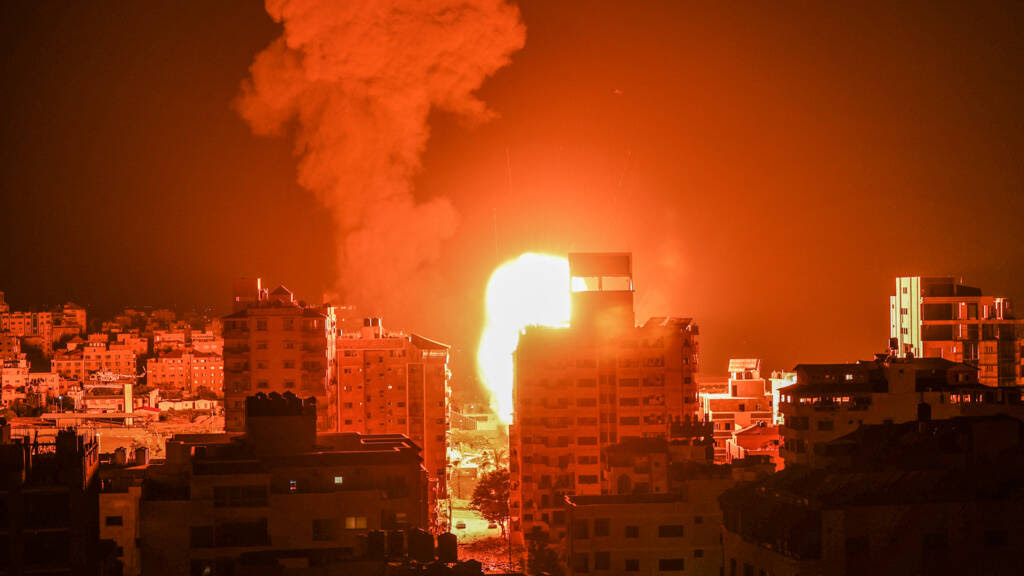 Vuur en rook boven Gaza-Stad na een Israëlische luchtaanval AFP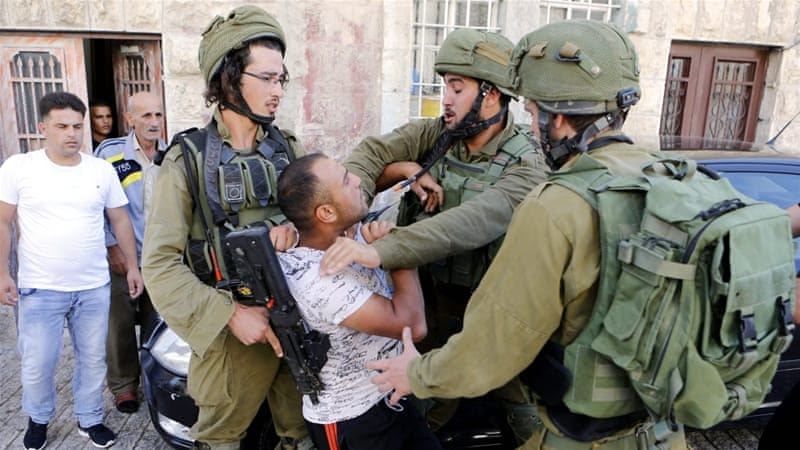

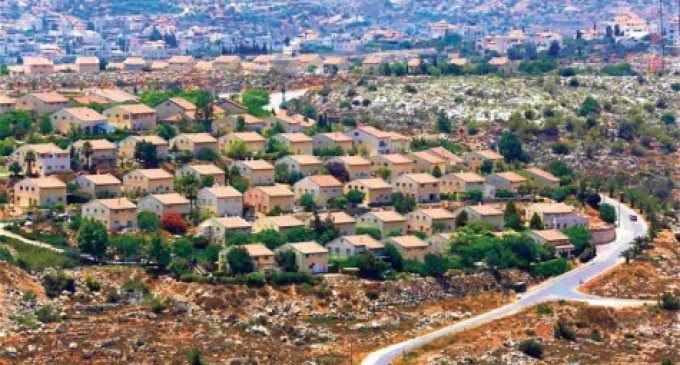
.jpg)