Opinie, gepost door: Joke Kaviaar op 31/01/2023 01:03:14
De veroorzakers van klimaatverandering zijn niet vreedzaam, niet geweldloos. Hun politielegers ook niet. En wij?
We zitten midden in de voltrekking van een klimaatcatastrofe. De ene na de andere actie schreeuwt om aandacht voor de ramp die met zevenmijls laarzen op ons afstevent met bosbranden, droogte, overstromingen en orkanen. En dan moeten we het hebben over actiemiddelen? Of wat lijm of ketchup tegen het glas op een schilderij nou echt nodig is? Dan moeten we het hebben over hoe legaal een demonstratie is en of degenen die ertoe oproepen zich schuldig maken aan opruiing?
Hou toch op, zeg! De vraag of de oproep om de A12 te blokkeren wel legaal was, heeft me geen moment bezig gehouden toen ik die oproep verspreidde. De arrestatie van mijzelf en zeven anderen voor het verspreiden van die oproep is en blijft natuurlijk een schandaal, maar ik ga me niet zitten verdedigen en uitputten in uitleg dat het toch zou moeten mogen. Dat doen advocaten maar. We moeten in de aanval. Repressie zal het antwoord zijn. Welkom in de 21e eeuw. Maar dat is dus al heel lang zo. Wereldwijd worden klimaatactivisten en bosbeschermers vermoord. Wereldwijd slaat de politie erop los, gebruikt traangas, pepperspray en wapenstok om voor multinationale vervuilers de weg vrij te maken. Een dagje cel is er niets bij.
En daarom: ik wil het niet hebben over de vraag of de fantastisch massale blokkade van de A12 van afgelopen zaterdag netjes is aangemeld of niet. Ik wil het niet hebben over de vraag of de politie dat wel of niet netjes zou moeten faciliteren. Vraag je toestemming om een weg te blokkeren, dan is de angel eruit. Dan is het net zo iets als: er zijn vandaag wegwerkzaamheden, hier is de omleiding, volg de gele borden. En dan kun je dus net zo goed wel op het Malieveld gaan staan. Het verbieden van zulke acties en de oproep daartoe is eigenlijk een geschenk. Waren we niet opgepakt voor de oproep, dan waren er geen duizenden mensen gekomen. Wrang is het wel dat voor zo’n massale opkomst eerst repressie nodig was. Alsof klimaatverandering niet reden genoeg was.
De tijd van alleen maar netjes actievoeren is wat mij betreft allang voorbij. Massa-acties zijn nodig, dat wel! Laat dat het warme bad zijn waarin ook andere dingen mogelijk worden. Maar hoe dan ook: de tijd van excuses moeten maken voor wat overlast voor automobilisten terwijl mensen dagelijks op kilometers asfalt in de file staan en er weer een bos moet wijken voor een wegverbreding – ik heb het over Amelisweerd – is wat mij betreft ook voorbij. Excuses zijn niet aan de orde. Allicht sta ik liever bij een vervuiler machines onklaar te maken, maar alle actie die klimaatalarm slaat en daarmee het dagelijks leven schreeuwend en schuddend overhoop gooit is per definitie, hoe ontregelend ook, legitiem. Niet wettelijk legitiem? Who cares?! Weg met de wet! De wet is een misdadige constructie. Wordt wakker!
Ik zeg: laten we ophouden met aardig willen zijn. Laat de ramp vertaald worden in het soort actie dat past bij het voorkomen van een ramp. Actie die niet afwacht maar ingrijpt. Actie die niet aan de overheid vraagt om iets doen. Denk aan de blokkade van Schiphol vorig jaar! Denk aan Lutzerath! Denk aan de blokkades van kolentreinen door Kappen met Kolen. Bedenk wat! Want de overheid gaat niets doen. Laat de focus niet liggen op het benadrukken dat we zo vreedzaam en geweldloos zijn omdat we denken dat er dan misschien geluisterd wordt. Dat leidt vooral tot kansen voor de overheid om activisten tegen elkaar uit te spelen: zij zijn niet netjes, jullie wel. Wie luistert er en wat verwachten we daarvan? De media, die keer op keer weer over die middelen begint en over gevaar, hoezeer ook zo’n actie zoals afgelopen zaterdag op de A12 wordt omgeven met voorzorgen voor de veiligheid van omstanders en deelnemers? Hoezeer mensen van Extinction Rebellion ook benadrukken dat het om een demonstratie gaat; Hoeveel juristen ook benadrukken dat het recht op demonstratie geschonden wordt; Telkens weer wordt er gewezen op dat kilometertje omrijden. Keer op keer wordt er gedaan alsof op levensgevaarlijke wijze een snelweg wordt geblokkeerd terwijl het over een 70 kilometer per uur binnenweg gaat. Waarom hebben we het er nog over? Kan het zijn dat dit komt doordat er niet keihard een statement wordt gemaakt dat het van geen enkel belang is of de overheid het legaal vindt? Laten we stellen dat het de bedoeling is om de wetten die klimaatverandering veroorzaken te overtreden. Dan hebben we dat gehad. En nu over tot het echte onderwerp.
Laten we de camera eens omdraaien en het vizier richten op de onveiligheid die klimaatverandering veroorzaakt. Laten we het hebben over alle vervuiling en vernietiging wereldwijd die gelegitimeerd door wetten doorgaat. Telkens opnieuw gaat alles door volgens het credo ‘Business As Usual’ en blijven subsidies en olie stromen, blijven kolen op kolen gestapeld, de aarde afgegraven, bossen gekapt, hele ecosystemen verpletterd, oceanen leeggevist en vervuild, dieren tot gebruiksartikel gereduceerd. Er wordt gedaan alsof er iets aan wordt gedaan maar de handel in emissierechten laat zien dat het een grote fopspeen is. Gerotzooi met cijfers. Heen en weer geschuif dat alleen maar tot meer CO2 uitstoot leidt in plaats van minder. Schiphol mag blijven groeien. De agrarische industrie hun mest uitrijden. Deze planeet wordt uitgemolken als een uitgemergelde koe en het zal niet lang meer duren of het afgebeulde beest wordt met veel geweld naar de slacht gebracht.
Nog deze week waarschuwde het KNMI voor een zeespiegelstijging van 2 meter eind deze eeuw. Moeten klimaatactivisten even ergens komen laten zien hoeveel dat is?
Genoeg is genoeg! Doe wat nodig is.
Joke Kaviaar, 31 januari 2023
Reacties uitgeschakeld voor [Artikel Joke Kaviaar]/Ter verdediging van de aarde
ADHESIEBETUIGING AAN KLIMAATACTIVISTEN VAN EXTINCTION REBELLION
”Sometimes a Soldier must take a Stand and Fight!”
LEZERS!
Naar aanleiding van de arrestatie van zes klimaatactivisten op 26 januari jongstleden, voorafgaande aan de Blokkadeactie van de A12 op 28 januari [1] EN de
buitensporige arrestatie van 768 klimaatactivisten tijdens de Blokkadeactie van 28 januari [2] heb ik [op Indymedia] onderstaande Adhesiebetuiging geschreven,
waarbij ik ook inga op het grote belang van de [Blokkade] acties van
Extinction Rebellion.
Zie direct hieronder mijn Adhesiebetuiging
En Noten geheel onderin
EN OP NAAR DE VOLGENDE BLOKKADEACTIE VAN EXTINCTION
REBELLION [3]
IK ROEP IEDEREEN OP OM MEE TE DOEN
ZO, ik heb gezegd!
Laten ze me nu maar oppakken!
ASTRID ESSED
ADHESIEBETUIGING ASTRID ESSED AAN KLIMAATACTIVISTEN
OP INDYMEDIA
ARTIKEL INDYMEDIA:
INDYMEDIA [Artikel]
NA SCHANDALIGE AANHOUDING KLIMAATACTIVISTEN-BLOKKEER
Hierbij van harte mijn adhesie betuigd met de dappere klimaatactivisten, , diegenen [waaronder Strijdkameraad Joke Kaviaar], die op 26 januari waren gearresteerd [dus voor de Actie van 28 januari], omdat zij hadden opgeroepen tot de Blokkade van 28 januari [1], wat door de Staat dus ”opruiing” genoemd wordt [2] EN natuurlijk al die honderden Dapperen, zevenhonderdachtenzestig, zoals activist en schrijver Peter Storm terecht voluit schrijft/dicht [3], die het Geweld en Intimidatie van de Staat hebben getrotseerd en toch zijn gaan protesteren, met arrestaties tot gevolg.
Nou nog los van het feit, of iemand Blokkades steunt ‘[I DO!], belangrijker is, waar gaat het nu om: WEL, HET GAAT OM:
HET VOORTBESTAAN VAN EEN MILJOEN PLANT EN DIERSOORTEN ZEESPIEGELSTIJGING EXTREEM WEER, WAARMEE WE STEEDS VAKER WORDEN GECONFRONTEERD, ZOALS BOSBRANDEN, HITTEGOLVEN, EXTREME STORMEN EN DROOGTES, DIE LEEFGEMEENSCHAPPEN\ OVER DE HELE WERELD BEDREIGEN!
DE OPWARMING VAN DE AARDE! HET VOORTBESTAAN, NIET VAN ONZE PLANEET, MAAR VAN ONS, ALS MENSEN! EN OOK DIEREN EN PLANTEN!
EN VOLGENS BETROUWBARE INFORMATIE STEVENEN WE AF OP 2.5 OPWARMING VAN DE AARDE! [4]
Dat dat levensgevaarlijk is, hoef ik hier niet te betogen Zie maar onder noot 5
En dan leuteren over ”opruiing”
BLOKKADE
Natuurlijk moet een Blokkade wel verantwoord zijn, maar tot nu toe is er bij mijn weten nooit een gevaarlijke situatie ontstaan bij een Blokkade van Extinction Rebellion en dat heb ik in berichtgeving bevestigd gezien [6]
Dat in tegenstelling tot andere, roekeloze wegblokkades zoals de Cowboyac ties van de ”Blokkeerfriezen”, die ook nog eens, relatief gezien, met zachte handjes werden aangepakt, zoals Joke Kaviaar terecht opmerkte [7]
Maar laten we de Hoofdzaken niet uit het Oog verliezen:
HET GAAT HIER OM HET VOORTBESTAAN VAN ONS ALS MENSEN, DE DIEREN, DE NATUUR
” Zes klimaatactivisten van Extinction Rebellion zijn donderdagochtend vroeg door de politie in hun woning gearresteerd. Ze worden verdacht van opruiing omdat ze via sociale media hebben opgeroepen zaterdag naar een demonstratie te komen op de A12 in Den Haag.”
VOLKSKRANT ZES KLIMAATACTIVISTEN EXTINCTION REBELLION WEER VRIJGELATEN 26 JANUARI 2023
”Eind vorig jaar luidde de VN de noodklok door te concluderen dat we helemaal niet op koers liggen voor maximaal 1.5C opwarming. We stevenen af op 2,5 – 4 graden opwarming”
Arrestaties volgen op mededeling advocaat dat activisten zich desgevraagd zouden melden voor verhoor
Vandaag, donderdag 26 januari rond 07:00 uur, heeft de politie tenminste zes geweldloze klimaatactivisten gearresteerd voor opruiing, waaronder XR-rebellen Jelle de Graaf en Tessel Hofstede. Bij een zevende klimaatactivist, acteur en XR-rebel Sieger Sloot, stond de politie voor de deur. Na het doorzoeken van zijn huis moesten de agenten onverrichter zake vertrekken omdat hij niet thuis was. Voor een aantal van deze geweldloze activisten grijpt de arrestatie in in het gezinsleven. Kinderen staan toe te kijken hoe hun ouder wordt weggevoerd voor vreedzame klimaatactie. De arrestaties zijn onderdeel van een poging de geweldloze A12-Blokkade van zaterdag 28 januari de kop in te drukken. Zij volgen op de mededeling van advocaat Willem Jebbink aan officier van justitie mr. W.J. Veldhuis dat hij hem kan contacteren als het Openbaar Ministerie een verdachte wil verhoren en dat daar dus geen arrestatie voor nodig is. Extinction Rebellion veroordeelt de criminalisering van geweldloze klimaatactivisten. Het recht op manifestatie wordt met voeten getreden.
Advocaat van de aangehouden klimaatactivisten, Willem Jebbink: “Het is teleurstellend dat het openbaar ministerie opnieuw overgaat tot arrestatie terwijl Extinction Rebellion via mij deze week heeft laten weten dat iedereen die verdacht zou worden van opruiing, bereid is zich te melden voor verhoor. Deze arrestaties zijn wat mij betreft buitenproportioneel. Het gerechtshof van Amsterdam heeft vorig jaar klip en klaar uitgemaakt dat oproepen tot blokkades géén strafbaar feit is omdat de opzet niet gericht is tot het plegen van strafbare feiten, maar oproepen tot vreedzame demonstraties. Daarom is het onbegrijpelijk dat de officier van justitie zo doorgaat met het arresteren van mensen. We zijn kennelijk terechtgekomen in het criminaliseren van personen die vreedzaam willen demonstreren en daartoe oproepen. Dat acht ik zeer zorgelijk.”
A12-Blokkade valt onder recht op manifestatie
De A12-Blokkade begint zaterdag 28 januari om 12:00 uur. Meer dan duizend bezorgde burgers staan klaar om hun stem geweldloos te laten horen. Zij eisen een direct einde aan de jaarlijks 17,5 miljard euro fossiele subsidies.[1] De arrestaties van vandaag volgen op de recente aanhouding van geweldloze klimaatactivist Lucas Winnips. Hij werd donderdag 19 januari rond half negen ‘s ochtends op zijn bakfiets klemgereden op de terugweg van het naar school brengen van zijn jongste kind. Sindsdien hebben talloze personen en organisaties hun afkeer en zorgen uitgesproken. Ondanks de aanhoudingen blijft Extinction Rebellion burgerlijk ongehoorzaam actievoeren, omdat zij daarmee in haar recht staat. Het Europees Hof voor de Rechten van de Mens oordeelde eerder dat een wegblokkade wordt beschouwd als een vreedzame demonstratie, zelfs als deze volledige opstoppingen op belangrijke verkeerswegen veroorzaakt. Omdat de A12-Blokkade vooraf bekend is bij de politie, is er genoeg gelegenheid deze te faciliteren. Ook heeft Extinction Rebellion contact gezocht met Rijkswaterstaat om de veiligheid maximaal te garanderen.
Samenleving schreeuwt om einde fossiele subsidies
Sinds de eerste A12-blokkade is de roep vanuit de samenleving om een einde te maken aan de 17,5 miljard euro fossiele subsidies enorm toegenomen. Bijna 400 economen roepen de regering op[2] te stoppen met fossiele subsidies. Tientallen wetenschappers en BN’ers ondertekenden een oproep tot vreedzame burgerlijke ongehoorzaamheid[3] en steeds meer van hen sluiten zich openlijk bij Extinction Rebellion aan. Ook zorgprofessionals blokkeren mee. XR-woordvoerder en psycholoog Petra Verdonk: “Belastingvoordelen voor grote vervuilers zoals Schiphol, Tata steel en de Rotterdamse haven hebben een direct effect op de volksgezondheid. Mensen die dichtbij vervuilende industrie wonen hebben een grotere kans om ziek te worden. Wonen in Rotterdam staat gelijk aan dagelijks roken van zeven sigaretten. Fossiele subsidies zijn dodelijk en moeten per direct stoppen.”
Ondertussen eist de Tweede Kamer duidelijkheid[4] van minister van Energie en Klimaat, Rob Jetten, over de hoogte van de fossiele subsidies. XR-woordvoerder en rechtenstudent Hannah Prins: “Dat de samenleving nu ook een einde eist aan fossiele subsidies zorgt ervoor dat justitie steeds harder optreedt. Laat duidelijk zijn dat Extinction Rebellion pas stopt met deze acties als het kabinet zijn zorgplicht voor burgers nakomt en gaat doen wat nodig is in de klimaatnoodtoestand. Extinction Rebellion groeit enorm, onze actietrainingen zijn overvol. De regering kan zich opmaken voor steeds grotere acties. Wij eisen een direct einde aan de 17,5 miljard euro fossiele subsidies. Tot die tijd kunnen ze dag in dag uit rekenen op vreedzaam burgerverzet.”
Aarde stevent af op 2,5 – 4 graden opwarming: klimaatchaos
Eind vorig jaar luidde de VN de noodklok door te concluderen dat we helemaal niet op koers liggen voor maximaal 1.5C opwarming.[5] We stevenen af op 2,5 – 4 graden opwarming. Grote delen van de wereld worden dan onleefbaar. Nederland verdwijnt grotendeels onder water. We zullen kampen met wereldwijde voedseltekorten en honderden miljoenen mensen zullen moeten vluchten. CCA-woordvoerder en geestelijk verzorger in de verslavingszorg Rozemarijn van ‘t Einde: “Nederland beloofde zeven jaar geleden, in 2015, te stoppen met fossiele subsidies, maar subsidieert olie-, gas- en kolenbedrijven nog steeds elk jaar met 17,5 miljard euro. Kortingen op energiebelasting, belastingvrijstelling voor kolencentrales en kerosine: de overheid gooit letterlijk olie op het vuur. De hoogste rechter van ons land oordeelde al dat onze overheid op klimaatgebied de mensenrechten van burgers onvoldoende beschermt en ook de Verenigde Naties willen een onmiddellijke einde aan fossiele subsidies.”
Bij het klimaatprotest gisteren op de Utrechtsebaan van de A12 in Den Haag zijn in totaal 768 mensen aangehouden. De meesten kwamen binnen enkele uren alweer op vrije voeten, twee anderen werden pas aan het eind van zondagmiddag vrijgelaten.
Die twee activisten zaten zolang vast omdat zij volgens de politie hun identiteit niet wilden bekendmaken. Zij werden aangehouden voor het treffen van voorbereidingshandelingen, meldt Omroep West.
Extinction Rebellion had opgeroepen om naar Den Haag te komen om te protesteren tegen overheidssubsidie voor fossiele brandstoffen als olie, kolen en gas. Het gaat niet alleen om directe subsidies, maar ook om belastingvoordelen en prijsondersteuning.
Urenlang dicht
Aan die oproep werd gisteren op grote schaal gehoor gegeven. Verslaggevers ter plaatse spraken van vele honderden activisten. De blokkade van de A12 was een halfuur onderweg toen de politie de demonstranten op de snelweg opriep weg te gaan en hun demonstratie voort te zetten op het Malieveld.
Toen velen daaraan geen gehoor gaven, greep de politie in en werden de eerste mensen weggehaald. Het verwijderen van de mensen nam veel tijd in beslag. Daardoor was de Utrechtsebaan urenlang dicht.
Sommige betogers hadden zich aan de weg vastgelijmd of zaten aan elkaar vast:
EINDE NOS BERICHT
[3]
DEN HAAG CENTRAAL
EXTINCTION REBELLION: OP 11 MAART WEER BLOKKADE A12
De actiegroep Extinction Rebellion wil op 11 maart opnieuw de Utrechtsebaan blokkeren. Maar de gemeente blijft bij haar verbod.
Extinction Rebellion (XR) heeft maandag bekendgemaakt dat er een zesde actie op de A12 komt. Een woordvoerder van de gemeente laat weten dat er ‘geen kennisgeving’ is ontvangen. Burgemeester Jan van Zanen nam eerder het standpunt in dat er gedemonstreerd kan worden op het Malieveld, maar dat het blokkeren van Utrechtsebaan gevaarlijk en daarom ‘strafbaar’ is. Het gevolg was dat de politie zaterdag, bij de vijfde blokkade-actie, 768 demonstranten arresteerde en met HTM-bussen afvoerde. Die zijn inmiddels allen weer op vrije voeten, maar worden mogelijk veroordeeld. Het gaat om mensen die zich in het verdiepte deel van de weg bevonden, ter hoogte van de tijdelijke Tweede Kamer.
Zij werden door honderden sympathisanten toegejuicht vanaf de flankerende straten. Er deden zich geen gevaarlijke situaties voor, omdat de Utrechtsebaan eerder al was afgesloten voor auto’s.
‘17,5 miljard subsidie’
De internationale organisatie XR strijdt tegen de aantasting van klimaat en natuur. De recente acties in Den Haag richten zich tegen de ‘steun’ aan oliebedrijven en industrie. “De jaarlijks 17,5 miljard euro die de overheid besteedt aan het stimuleren van de winning, productie en het gebruik van fossiele brandstoffen, de zogenoemde fossiele subsidies, zijn ongeveer drie keer zoveel als wat er in de rijksbegroting is opgenomen voor klimaatbeleid.
Wij blijven terugkomen op de A12 tot dit stopt,” aldus XR-woordvoerder Anne Kervers. Volgens berekeningen van XR tellen zaken als belastingvoordelen, subsidies en vrijstelling van accijnzen op tot het miljardenbedrag.
Eerdere aanhoudingen
De discussie over de plek van de demonstratie woedde al langer. Nieuw was deze keer dat justitie vrijdag verspreid over het land overging tot de aanhouding van acht personen, onder wie een aantal leden van XR, wegens ‘opruiing’. Het ging hier om het oproepen tot deelname aan de verboden blokkade van de weg. Deze actie leidde tot scherpe kritiek in de Tweede Kamer en daarbuiten. Vrijdagmiddag schaarden ruim veertig maatschappelijke organisaties zich achter het klimaatprotest en spraken zich uit tegen de aanhoudingen. “Wij maken ons grote zorgen dat het recht op protest steeds verder wordt ingeperkt in Nederland. Wij staan vierkant achter vreedzame actievoerders die hun recht om te protesteren uitoefenen, daarom zijn we zaterdag aanwezig bij het protest als breed maatschappelijk middenveld. We zien dat klimaatactivisten harder worden aangepakt door politie en justitie dan andere groepen demonstranten. Het demonstratierecht geldt voor iedereen, maar niet alle demonstranten worden gelijk behandeld,” zei Andy Palmen, directeur van Greenpeace Nederland vrijdagmiddag. Hij sprak namens alle andere organisaties, waaronder het Aidsfonds, het COC, Cordaid, de Fietsersbond, FNV, het Humanistisch Verbond, Milieudefensie, Oxfam Novib, Save the Children, Simavi, Stichting Vluchteling, Terre des Hommes en Urgenda.
Reactie Van Zanen
Deze solidariteitsverklaring leidde vrijdagmiddag tot een sterk afwijzende verklaring van burgemeester Van Zanen. ‘Een blokkade van de A12 gaat over de grenzen van het demonstratierecht. Deelnemers lopen het risico zich schuldig te maken aan ernstige strafbare feiten. Er is geen kennisgeving gedaan, er is geen aanspreekbare organisator van de actie en, uit het contact dat er wel is, blijkt dat men op geen enkele wijze bereid is om een vorm van demonstreren te kiezen die veilig is (…). Dit overschrijdt de grenzen van het demonstratierecht. Het doel heiligt niet elk middel en verder gaan op deze weg is onverantwoord (…). Ik hoop dan ook dat u als grote organisatie verantwoordelijkheid neemt en uw achterban niet blootstelt aan het gevaar ernstige strafbare feiten te begaan.” De oproep van Van Zanen maakte geen indruk; geen van de organisaties heeft afstand genomen van het gezamenlijke statement.
De zeven preventief opgepakte activisten, plus één die zichzelf meldde, vechten het gebiedsverbod bij de rechter aan. De zaak komt voor op dinsdag 14 februari. Eerder werd gezegd dat de raadkamer de zaak dinsdag 31 januari zou behandelen. Uiteindelijk bleek er op die dag onvoldoende tijd te zijn op de agenda van de Haagse rechtbank, volgens de advocaat van de demonstranten, Willem Jebbink. Eén van hen, Lucas Winnips, was zaterdag toch bij de demonstratie en werd daar voor de tweede keer opgepakt.
EINDE BERICHT
EXTINCTION REBELLION
AANKONDIGING: ZESDE A12 BLOKKADE VAN EXTINCTION REBELLION
Extinction Rebellion blijft terugkomen op de A12 tot de regering stopt met de jaarlijkse 17.5 miljard euro aan fossiele subsidies
Extinction Rebellion kondigt haar zesde A12-blokkade aan. Op zaterdag 11 maart* vanaf 12:00 uur demonstreren naar verwachting duizenden mensen op de A12. Extinction Rebellion eist een direct einde aan de jaarlijkse 17,5 miljard euro fossiele subsidies.[1] Een noodzakelijke eis, in lijn met de urgentie van de klimaat- en ecologische crisis. XR-woordvoerder en UvA-promovenda Anne Kervers: “De jaarlijks 17,5 miljard euro die de overheid besteedt aan het stimuleren van de winning, productie en het gebruik van fossiele brandstoffen, de zogenoemde fossiele subsidies, zijn ongeveer drie keer zoveel als wat er in de rijksbegroting is opgenomen voor klimaatbeleid.[2] Wij blijven terugkomen op de A12 tot dit stopt. De eerstvolgende geweldloze demonstratie is op zaterdag 11 maart om 12:00 uur.”
In de vijf eerdere A12-blokkades heeft Extinction Rebellion laten zien dat zij deze veilig en verantwoord laat verlopen. De geweldloze demonstraties worden nauwgezet voorbereid door een mengeling van ervaren en nieuwe actievoerders die intensief samenwerken. Hierbij staan veiligheid en geweldloosheid voorop. Ook volgen mensen die meedoen een actietraining ter voorbereiding.
Grote steun voor afschaffen fossiele subsidies
De grote opkomst van meer dan 1000 actievoerders bij de vijfde A12-Blokkade laat zien dat een steeds grotere groep mensen een direct einde wil aan de jaarlijks 17,5 miljard euro fossiele subsidies. Ook spraken 40 maatschappelijke organisaties en zo’n tweeduizend mensen hun steun uit voor de demonstratie met hun aanwezigheid boven op de tunnelwanden. Eerder al riepen bijna 400 economen de regering op[3] te stoppen met fossiele subsidies. Tientallen wetenschappers en BN’ers ondertekenden een oproep tot vreedzame burgerlijke ongehoorzaamheid[4] en steeds meer van hen sluiten zich openlijk bij Extinction Rebellion aan. Ondertussen groeit Extinction Rebellion sterk. Iedere dag melden zich nieuwe mensen aan en onze actietrainingen zijn overvol. De volgende demonstratie op de A12 wordt groter dan ooit.
“Nederland beloofde zeven jaar geleden, in 2015, te stoppen met fossiele subsidies, maar subsidieert olie-, gas- en kolenbedrijven nog steeds elk jaar met 17,5 miljard euro. Kortingen op energiebelasting, belastingvrijstelling voor kolencentrales en kerosine: de overheid gooit letterlijk olie op het vuur. De hoogste rechter van ons land oordeelde al dat onze overheid op klimaatgebied de mensenrechten van burgers onvoldoende beschermt en ook de Verenigde Naties willen een onmiddellijke einde aan fossiele subsidies,” aldus CCA-woordvoerder en geestelijk verzorger in de verslavingszorg Rozemarijn van ’t Einde.
Criminalisering van actievoerders: akelig maar leidt tot meer steun
In reactie op het groeiende succes van de A12-blokkades trad het Openbaar Ministerie buitensporig op. Geweldloze actievoerders worden van hun bed gelicht op verdenking van ‘opruiing’, terwijl zij niets anders doen dan oproepen tot een vreedzame demonstratie. Deze houding draaide iets bij toen klimaatactivist Lucas Winnips van zijn demonstratierecht gebruik maakte, ondanks het opgelegde gebiedsverbod van 90 dagen. Hij werd meteen gearresteerd maar ook ’s avonds laat weer vrijgelaten.
XR-woordvoerder en rechtenstudent Hannah Prins: “Extinction Rebellion staat in haar recht. Het Europees Hof voor de Rechten van de Mens heeft geoordeeld dat demonstreren mag ‘within sight and sound’ van degenen waartegen de demonstratie is gericht. Wat heeft het voor nut om op het Malieveld tegen de wind in te staan schreeuwen? Wij demonstreren op zaterdag 11 maart op de A12 tussen het ministerie van EZK en de tijdelijke Tweede Kamer omdat onze demonstratie op die plek de aandacht pakt die nodig is. Zo kunnen verantwoordelijke bestuurders en de Tweede Kamerleden niet om ons heen. Een einde aan de jaarlijks 17,5 miljard fossiele subsidies is een redelijke eis die ondersteund wordt door de wetenschap.”
Aarde stevent af op 2,5 – 4 graden opwarming: klimaatchaos
Eind vorig jaar luidde de VN de noodklok door te concluderen dat we helemaal niet op koers liggen voor maximaal 1.5C opwarming.[5] We stevenen af op 2,5 – 4 graden opwarming. Grote delen van de wereld worden dan onleefbaar. Nederland verdwijnt grotendeels onder water. We zullen kampen met wereldwijde voedseltekorten en honderden miljoenen mensen zullen moeten vluchten. Een direct einde aan de jaarlijks 17,5 miljard euro is een noodzakelijke stap in de bestrijding van de klimaat- en ecologische crisis.
*Eerder heeft Extinction Rebellion aangekondigd een fietsblokkade op de Afsluitdijk te houden op zaterdag 11 maart, maar vanwege het enorme momentum pakken we door op de A12.
Israël heeft sinds kort een nieuwe regering, onder de welbekende recidivist Netanyahu. ‘De meest rechtse regering in de geschiedenis’ van het land, zo kopt de NOS zelfs.(1) En ja, het is een kabinet vol openlijke racisten, reactionaire godsdienstfanatici en (dus) haters van LGBTQ+-mensen. Dat mensen schrikken is niet zo vreemd. Gelukkig vertaalt de schrik zich ook al in protest. Maar in NOS-berichtgeving daar over wordt iets wezenlijks versluierd en goeddeels aan het oog onttrokken.
Gisteren, op 7 januari 2023, demonstreerden flink wat mensen in Tel Aviv, tegen die regering. De NOS bericht: ‘De deelnemers zijn onder meer boos over de juridische hervormingen die de minister van justitie Yarviv Levin wil doorvoeren’ – hervormingen die het parlement het recht moeten gen ven om ook wetten door de te zetten tegen grondwettelijk bezwaar door het Hooggerechtshof. Het bericht meldt ook enkele leuzen: ‘Netanyahu, de minister van misdaad’, en ook het voor weinig misverstand vatbare ‘donder op’. Een politicus die het protest kennelijk steunt wordt netjes geciteerd: ‘We zullen niet toestaan dat ons land wordt vernietigd! We zullen doorgaan blijven vechten voor onze democratie’. Aldus oppositie-politicus Merav Michaili.
Ons land. Onze democratie. Bepaald niet ieders land. Bepaald niet ieders ‘democratie’. Waar zijn in dit NOS-bericht de oorspronkelijke bewoners van het land, Palestijnen?! De twintig procent Israëlische staatsburgers die Palestijn zijn, weliswaar stemrecht hebben maar op allerlei punten, informeel en officieel, als tweederangsburgers worden behandeld? En de miljoenen Palestijnen die onder een openlijk Israëlisch bezettingsregime leven op de Westoever, of in een gigantische gevangenis, de Gazastrook geheten? Zijn de slachtoffers, de doelwitten, van het Israëlische kolonialisme als zodanig irrelevant? Heeft de meest rechtse regering van Israël voor hen dezelfde consequenties als voor mensen die jammeren over het verlies van ‘ons land’ en ‘onze democratie’? Gaat het de demonstranten enkel om zaken die Palestijnen niet, of niet specifiek, raken? Is het conflict tussen Netanyahu en de demonstranten louter een onderonsje tussen Joodse burgers van een op Joodse voorrechten – ‘onze democratie’, ‘ons land’… – gebouwde staat?
De NOS refereert wel aan de onderdrukking van Palestijnen die onder de nieuwe regering verder verscherpt dreigt te worden. Maar het gaat zo omfloerst, zo indirect! Leest de Israëlische ambassadeur soms mee of zo? De regering van Netanyahu ‘wil nederzettingen op de Westelijke Jordaanoever uitbreiden en subsidie geven aan Netanyahu’s ultraorthodoxe bondgenoten’. Die nederzettingen, dat zijn dus koloniale Joodse nederzettingen op bezet gebied, gebouwd op gestolen Palestijns land, ten koste van de oorspronkelijke Palestijnse bewoners van het gebied, en die nederzettingen worden gefaciliteerd en beschermd door het Israëlische bezettingsleger. En die ‘ultraorthodoxe bondgenoten’ staan vooraan in deze kolonisatie. Die racistische, anti-Palestijnse strekking van die nederzettingen komt bij de NOS niet in beeld. En je krijgt bij de NOS de indruk dat ook de demonstranten tegen Netanyahu’s nieuwe kabinet de anti-Palestijnse houding van die regering niet aanvoeren als argument om tegen de regering te protesteren.
Maar dat klopt dus niet! Aljazeera doet ook verslag van het protest. Daar lezen we van alles wat de NOS heeft weggelaten. ‘Het protest wordt geleid door linkse en Palestijnse leden van het a parlement, de Knesseth’. Jawel, ze bestaan: Palestijnen! Demonstranten liepen met leuzen: ‘Samen tegen fascisme en apartheid’. Jawel, apartheid – een redelijk goede, maar nog wat voorzichtige, typering van Israëls officiële beleid, overigens al vanaf de stichting van de staat Israël. Dat wordt dus kennelijk wel degelijk expliciet benoemd door demonstranten, die daarmee verder gaan dan enkel klagen over dreigende teloorgang van ‘onze democratie’ – een ‘democratie’ die voor Palestijnen onder bezettingsbestuur sowieso niet bestond, behalve als vijand. Nog een andere leus: ‘Huisvesting, Levensonderhoud, Hoop’. En er wapperden regenboogvlaggen.
Dit was een protest waar zowel de onderdrukking van Palestijnen door de staat Israël als de haat van de regering tegen de LGBTQ+-gemeenschap op de hak werd genomen, en waar aandacht voor sociaal-economische ongelijkheid niet ontbrak. Prima! Er zal vast van alles aan te merken zijn op allerlei aspecten van het protest. En over de linksheid van de parlementsleden die kennelijk een organisatorische hoofdrol hadden, maak ik me geen illusies. Maar het protest ging verder en sneed een stuk dieper dan het oppervlakkige geklaag over de bedreiging van ‘onze democratie’ die de NOS er van maakt. Wat het allemaal ook nog meer was: dit was een protest met antikoloniale ondertonen – antikoloniale ondertonen die uit het Aljazeera verslag blijken, maar door de NOS keurig zijn weggemoffeld.
MISDADEN VAN DE ISRAELISCHE BEZETTINGVERWOESTING VAN GAZA
BEZETTINGSTERREUR foto Oda Hulsen Hebron 2 mei 2017/Verwijst naar foto van een Palestijnse jongen, die tegen de muur wordt gezet doorIsraelische soldaten, die hem toeriepen ”Where is your knife!”/Later vrijgelaten
NB Het is dus NIET de foto van een Palestijnse jongen, die bij de kraag wordt gegrepen
Foto van Oda Hulsen valt soms weg
BITTEREBIJPRODUCTEN VAN DE ISRAELISCHE BEZETTING:
ISRAELISCHE NEDERZETTINGEN IN BEZET PALESTIJNS GEBIED
Uw berichtgeving dd 29 december 2022: ”Meest rechtse regering
in de geschiedenis van Israel geinstalleerd”
Geachte Redactie,
Ik ben nog niet klaar met u?
Want ongetwijfeld hebt u mijn meest recente kritische mail aan u
gezien en gelezen, getiteld: ”Uw berichtgeving dd 2 januari 2023 ”Radicaalrechtse Israelische minister brengt ”provocerend” bezoek
aan Tempelberg”
Zie voor de inhoud van deze mail geheel onderaan deze Brief.
Nu echter wil ik u de oren wassen over een eerder bericht van u, zoals
gezegd dd 29 december 2022 ”Meest rechtse regering in de geschiedenis
van Israel geinstalleerd” [1]
Zie gehele bericht direct onder de noten
Dat het de ”meest rechtse” Israelische regering ooit is, ben ik met u eens,
maar u hebt zich daarin veel te zwak uitgedrukt.
Want dit is geen RECHTSE regering, dit is EXTREEM-RECHTS en
ronduit FASCISTISCH!
Ook hierin zie ik weer uw bagatelliserende, feitelijk onjuiste en tendentieuze pro Israel berichtgeving, waarbij u bovendien belangrijke
feiten hebt weggelaten, die het ware karakter van deze regering duidelijker laat uitkomen
UW BERICHTGEVING
Laten wij uw berichtgeving eens onder de loupe nemen:
Eerst schrijft u redelijk uitgebreid over de corruptiezaken van
premier Netanyahu en de diepe verdeeldheid van de Israeli’s daarover [2][
en ik onderschat geenszins het belang daarvan, maar het dunkt mij,
dat er wel belangrijker zaken aan de orde zijn, zoals onder verantwoordelijkheid van Netanyahu als premier gepleegde mensenrechtenschendingen in 2021 [3]
Maar let’s go on:
NEDERZETTINGEN
In uw berichtgeving schrijft u o.a:
”Zijn nieuwe regering wil nederzettingen op de Westelijke Jordaanoever uitbreiden” [4]
Hierbij licht u maar een Tipje van de Sluier van de werkelijke intentie van deze regering, waarmee u de feiten bagatelliseert
Want een belangrijke extreem-rechtse
coalitiepartij, namelijk Otzma Yehudit [die de geruchtmakende heer
Ben-Gvir heeft aangeleverd als minister van Nationale
Veiligheid] een totale annexatie van de door Israel bezette
Westbank [5], wat in feite neerkomt op het legaal volplempen van de Westbank met nederzettingen.
[wat dus wel meer is dan alleen ”uitbreiding”]
Nu kun je nog zeggen:
Dat is het streven van die partij, dat hoeft geen regeringsbeleid te worden, ware het niet, dat in de door
The Times of Israel vrijgegeven regeringsverklaring
o.a. het volgende te lezen is:
”The Jewish people have an exclusive and inalienable right to all parts of the Land of Israel. The government
will promote and develop the settlement of all parts of
the Land of Israel-in the Galilee, the Negev, the Golan
and Judea and Samaria [6]
Als u uw huiswerk hebt gedaan, dan weet u, dat ”Judea en Samaria”
een door extreem-rechtse orthodoxe Israelisch Joodse gelovigen [vaak kolonisten]
gebruikte term is voor Bezet oost-Jeruzalem en de Bezette West-bank [7]
De inhoud van de tekst komt in feite neer op annexatie van het gebied, dus
vrij spel voor de nederzettingen.
En bijna overbodig te vermelden is het feit, dat de Golan Hoogte natuurlijk sinds
1967 door Israel bezet Syrisch gebied is, dat in 1981 door Israel is geannexeerd…..[8]
LET’S CONTINUE!
BEZETTING/NEDERZETTINGEN
U schrijft
”Israël veroverde de Westelijke Jordaanoever in 1967 samen met de Gazastrook en Oost-Jeruzalem, gebieden waar de Palestijnen een toekomstige staat willen stichten. Israël heeft in die gebieden tientallen Joodse nederzettingen gebouwd waar circa 500.000 Israëliërs wonen naast 2,5 miljoen Palestijnen.” [9]
Op zich klopt die informatie wel, maar wederom laat u belangrijke
zaken weg.
Zo moet u duidelijker vermelden, dat de Westbank en Oost-Jeruzalem, maar ook Gaza [10] door Israel bezet gebied zijn.
EN dat de Palestijnen daar geen Staat WILLEN stichten,
maar dat het het minste is, waar ze RECHT op hebben! [11]
En hoe vaak moet ik het nog zeggen/schrijven, dat u
dient te vermelden, dat de in bezet Palestijns Gebied gebouwde
nederzettingen in strijd met het Internationaal Recht zijn! [12]
Maar steevast schijnt dit feit, hetzij opzettelijk, hetzij uit
onvergeeflijke onachtzaamheid, te weigeren te vermelden.
Doe dat voortaan WEL, want het is cruciaal voor het
Midden-Oostenconflict!
WAAROM FASCISTISCH?
In uw berichtgeving vermeldt u, dat demonstranten tegen
deze nieuwe Israelische regering riepen
””We willen geen fascisten in de Knesset” [13]
Dat riepen ze natuurlijk niet zomaar
Aan u dus de taak om in uw berichtgeving-als het tenminste klopt, wat zij scandeerden en u weet dat het klopt-aan te tonen, wat dan het fascistische karakter van deze nieuwe regering is.
Dat doet u niet, dus zal ik nogmaals in de pen klimmen om een en ander te verduidelijken:
Het begint natuurlijk bij genoemde regeringsverklaring.
Nogmaals citeer ik hieruit [via The Times of Israel]:
””The Jewish people have an exclusive and inalienable right to all parts of the Land of Israel. The government
will promote and develop the settlement of all parts of
the Land of Israel-in the Galilee, the Negev, the Golan
and Judea and Samaria” [13]
Duidelijk wordt, dat de Palestijnen als natie geheel worden weggevaagd.
Want er wordt gesproken over de Joodse [Joods/Israelisch] bevolking alsof alleen zij in Israel wonen en rechten hebben, met het totaal negeren van
de OORSPRONKELIJKE Palestijnse bevolking [14]
Niet alleen hondsbrutaal, maar fascistisch.
Daarbij wordt van bezet Palestijns Gebied, dat de Palestijnse bevolking rechtmatig toekomt, Joods Gebied, Judea en Samaria, gemaakt.
Dit ontkennen van het naakte bestaan zelfs van
Palestijnen is fascistisch.
Hierin zie ik volledig terugkomen de ideologie van de
Yehudit, die een totale annexatie van de bezette Westbank voorstaat [15]
Verder regeert er dus een Partij mee, Otzma Yehudit,
die etnische zuiveringen voorstaat [16] en aanhangers zijn van de extreem-rechtse fascistische overleden
rabbijn Meir Kahane [17]
TEL UIT JE WINST!
LIFE AND TIMES OF BEN-GVIR, LEIDER VAN OTZMA YEHUDIT [IN HET NEDERLANDS: JOODSE KRACHT]
En nu het een en ander over de huidige minister van Nationale Veiligheid, voorman van Otzma Yehudit [Joodse Kracht] zelf:
Zo moest [zie Volkskrant berichtgeving] [18] deze Meneer regelmatig voor de rechter verschijnen en bepaald niet voor het stelen van een pakje melk.
In 2007 werd hij door de rechter veroordeeld voor aanzetten tot racisme
en het steunen van een terroristische organisatie [19]
Hij had opgeroepen, Arabieren uit Israel te deporteren [20]
Etnische zuiveringen dus
Nogmaals, bepaald niet het stelen van een pakje melk…..
Verder beweert hij, niet meer achter de denkbeelden van de extreem-rechtse fascist Kahane [21] te staan, maar toch woonde hij recentelijk nog
een herdenking van deze Kahane bij [22]
Ook had hij tot 2019 een foto van Baruch Goldstein
in zijn woonkamer hangen [23], de man, die in 1994 29 biddende
Palestijnen doodschoot en meer dan 125 verwondde. [24]
Sinds 2019 heeft Ben-Gvir weliseaat de foto van deze massamoordenaar
verwijderd [25], maar het zegt wel veel over hem, dat hij deze foto uberhaupt in
zijn living room had hangen!
MAAR WE ZIJN ER NOG NIET!
In oktober 2021 protesteerde hij tegen de behandeling van een Palestijnse gevangene in hongerstaking, die in een Israëlisch ziekenhuis lag. Bij het ziekenhuis raakte hij slaags met de Arabisch-Israëlische parlementariër Ayman Odeh. [26]
Ook trok deze Ben-Gvir een vuurwapen tijdens een
ruzie met twee Arabische beveiligers om een parkeerplaats in Tel Aviv [27]
En, trigger happy als de man blijkbaar is, deed hijdit ook in october 2022
bij onlusten tussen kolonisten en Palestijnen in de wijk Sheikh Jarrah in Oost-Jeruzalem. Ben-Gvir liep rond met een getrokken pistool en schreeuwde de Israëlische politie toe dat ze moesten schieten op Palestijnen die stenen gooien. [28]
EPILOOG
Door het ronduit fascistische karakter van de regeringsverklaring’
van deze nieuwe Israelische regering EN de fascistische standpunten
van een belangrijke coalitiepartij, Otzma Yehudit [Joodse Kracht]
niet in uw berichtgeving te vermelden [zie boven uitleg over het
fascistische karakter] hebt u zich wederom schuldig gemaakt,
niet alleen aan onvolledige berichtgeving, maar vooral ook
bagatellisering van het ware karakter van deze nieuwe regering.
Ook hebt u verzuimd, melding te maken van de enge denkbeelden
van Joodse Kracht voorman Ben-Gvir, de huidige minister van
Veiligheidszaken [o.a. blijkend in zijn voorliefde voor fascisten als Meir Kahane
en Baruch Goldstein en zijn standpunt over de deportatie
van Palestijnen, door hem ”Arabieren” genoemd, alsof een
Palestijnse Arabier hetzelfde is als een Iraakse Arabier]
Om over zijn triggy happy schietgedrag nog maar te zwijgen.
Daardoor ontstaat in uw berichtgeving een vertekend beeld,
wat overhelt naar weinig objectieve en pro-Israel berichtgeving.
Dit is zeer kwalijk.
Hiermee bent u bovendien al jaren bezig.
Wordt het nu niet eens tijd, over te schakelen op evenwichtige,
objectieve en met de volledige feiten omklede berichtgeving?
Zolang dat niet het geval is, blijf ik u op de huid zitten
Vriendelijke groeten
Astrid Essed
Amsterdam
P/S
Voor uw gemak heb ik de noten in links ondergebracht
Zie uw berichtgeving onder de noten [A]
En daaronder mijn vorige, recente mail aan uw adres [B]
De nieuwe regering van Israël is geïnstalleerd, met opnieuw Benjamin Netanyahu als premier. Hij gaat leiding geven aan de meest rechtse en religieus conservatieve regering in de 74-jarige geschiedenis van het land.
De rechtse Likud-partij van Netanyahu wist in november als grote winnaar uit de bus te komen bij de parlementsverkiezingen. Ondanks dat hij vervolgd wordt voor omkoping, kan hij terugkeren als premier. Eerder was Netanyahu regeringsleider van 1996 tot 1999 en tussen 2009 en 2021. Hij gaat regeren samen met ultranationalistische en ultraorthodoxe joodse religieuze partijen.
Nederzettingen
De Israëliërs zijn diep verdeeld over Netanyahu, die aangeklaagd is voor fraude en het aannemen van steekpenningen in drie corruptiezaken. Hij spreekt alle beschuldigingen tegen en zegt dat hij het slachtoffer is van een heksenjacht door vijandige media, politie en aanklagers.
Zijn nieuwe regering wil nederzettingen op de Westelijke Jordaanoever uitbreiden, subsidies verstrekken aan Netanyahu’s ultraorthodoxe bondgenoten en ingrijpende hervormingen doorvoeren in het rechtsstelsel. Volgens critici brengen die wijzigingen de democratische instellingen in het land in gevaar.
Israël veroverde de Westelijke Jordaanoever in 1967 samen met de Gazastrook en Oost-Jeruzalem, gebieden waar de Palestijnen een toekomstige staat willen stichten. Israël heeft in die gebieden tientallen Joodse nederzettingen gebouwd waar circa 500.000 Israëliërs wonen naast 2,5 miljoen Palestijnen.
De plannen van de nieuwe regering hebben tot kritiek geleid van het leger, lhbti-belangengroeperingen, het bedrijfsleven en anderen. Honderden demonstranten verzamelden zich eerder vandaag bij de Knesset, het Israëlische parlement. “We willen geen fascisten in de Knesset”, scandeerden ze. Massa’s mensen blokkeerden de toegang tot een belangrijk kruispunt en een snelweg in Tel Aviv.
Ook in het buitenland wordt bezorgd naar de nieuwe regering-Netanyahu gekeken, De Amerikaanse president Biden noemde Netanyahu “een vriend sinds tientallen jaren”. Biden zei dat hij ernaar uitkijkt om met de premier samen te werken bij de “vele uitdagingen waar Israël mee wordt geconfronteerd, inclusief de dreiging uit Iran”.
Maar hij voegde daar wel aan toe dat de VS “de tweestatenoplossing (met naast Israël ook een levensvatbare Palestijnse staat, red.) blijft steunen en zich verzet tegen beleid dat de levensvatbaarheid daarvan in gevaar brengt” of in strijd is met onze wederzijdse belangen en waarden”.
Speech
In een parlementszitting voorafgaand aan zijn beëdiging richtte Netanyahu zich in een speech tot zijn critici en beschuldigde hij de oppositie ervan het publiek bang te maken. “Ik hoor voortdurend kreten van de oppositie over het einde van het land en de democratie”, zei hij. “Maar, leden van de oppositie: verkiezingen verliezen is niet het einde van de democratie, het is de essentie van de democratie.” De toespraak van de premier werd herhaaldelijk onderbroken door boegeroep en hoongelach van zijn tegenstanders.
Yair Lapid, de vertrekkend premier die nu oppositieleider is, zei tegen het parlement dat hij “een land in uitstekende conditie” achterlaat voor de nieuwe regering. “Probeer het niet kapot te maken. We komen snel terug”, zei Lapid.
B
RECENTE MAIL ASTRID ESSED AAN DE NOS
RECENTE MAIL ASTRID ESSED AAN NOS
TITEL:
Uw berichtgeving dd 2 januari 2023 ”Radicaalrechtse Israelische minister brengt ”provocerend” bezoek aan Tempelberg
[Mocht u in tijdnood zijn, lees dan de samenvatting onderin ”Tenslotte]
Uw berichtgeving dd 2 januari 2023
”Radicaalrechtse Israelische minister brengt ”provocerend”
bezoek aan Tempelberg”
Zie de tekst van uw berichtgeving onderaan, onder de noten
Geachte Redactie
Meestal begint men het Nieuwe Jaar met goede voornemens,
maar voor zover dat voornemen uw berichtgeving zou gelden,
heb ik daar te weinig van gemerkt.
Want direct aan het begin van het Nieuwe Jaar ging u al de
fout in met opnieuw een voorbeeld van incomplete en
tendentieuze berichtgeving.
In alle eerlijkheid moet echter gezegd worden, dat er ook
een aantal positieve kanten aan uw berichtgeving waren, waarmee ik zal starten.
De berichtgeving waarop ik doel is getiteld:
dd 2 januari anno Domini 2023, getiteld ” ‘Radicaalrechtse Israelische minister brengt ”provocerend”
bezoek aan Tempelberg” [1]
Zie tekst onder de noten
Door het gebruik van aanhalingstekens, gebrek aan achtergrondinformatie en een rare kwalificatie van Hamas, alsof het om een stelletje bendeleiders zou gaan, laat u wederom een partijdig en journalistiek weinig verheffend
Gezicht zien.
Maar eerst de positieve kant
HOOR EN WEDERHOOR EN INFORMATIE OVER OOST-JERUZALEM
In ieder geval noemt u de veroordeling van het bezoek van minister
Ben-Gvir door de Palestijnse Autoriteit [2] -dat is in het verleden
weleens anders geweest, toen alleen de Israelische versie bij u aan
het woord kwam-u noemt de Israelische verovering en annexatie van bezet Oost Jeruzalem en u vermeldt, dat Ben-Gvir is veroordeeld voor
het aanzetten tot racisme. [3]
Maar daar stopt mijn waardering.
WAAROM DIE AANHALINGSTEKENS?
In de eerste plaats die aanhalingstekens:
Waarom zet u eigenlijk die aanhalingstekens bij dat woord
”provocerend”, alsof het een kwestie van interpretatie is en het
evengoed een onschuldig bezoek zou zijn, als ging het
het hier om het bezoek van een doorsnee Joodse Israeli met de intentie
om bij de Klaagmuur [die ook op de Tempelberg ligt]
te bidden.
Van een onschuldig bezoek was echter geen sprake en dat weet u
heel goed, of hoort u althans te weten.
En dus ook te vermelden.
Maar alvorens in te gaan op de dubieuze achtergronden van
deze Tempelberg bezoekende minister, eerst het volgende:
OOST-JERUZALEM, BEZET GEBIED
Het begint er natuurlijk mee, dat Oost-Jeruzalem, zoals u zelf
terecht opmerkt, sinds 1967 bezet gebied is [4], evenals
de Westelijke Jordaanoever en Gaza [5] en dat die bezetting resulteerde in
onderdrukking, mensenrechtenschendingen en ander onrecht.
Ook is Oost-Jeruzalem, zoals u opmerkte, door Israel geannexeerd [6]
Dat is al een enorm kruidvat voor spanningen tussen de onderdrukker en
de onderdrukte Palestijnse bevolking, waarbij nog komt
de stichting van en voortdurende uitbreiding van de illegale
nederzettingen [7]
Dit ging en gaat gepaard met huisuitzettingen van Palestijnse families
en grof Israelisch geweld tegen Palestijnen, waarbij zelfs door Israelische
troepen de op de Tempelberg aanwezige Al-Aqsa Moskee werd bestormd! [8]
Het moge dus duidelijk zijn, dat een tegen deze achtergrond gebracht bezoek van een politicus aan de Tempelberg, die ook nog eens, terecht door u, redactie ”radicaal-rechts” genoemd wordt [9] [ik zelf zou eerder
zeggen ”extreem-rechts”], wel degelijk een provocatie is,
en dat het bijvoeglijk naamwoord ”provocerend” door u dus
niet tussen aanhalingstekens dient te worden geplaatst.
Bovendien zijn er over bezoeken aan de Tempelberg duidelijke
afspraken gemaakt, dat Joden [ik zeg liever ”Joodse Israeli’s]
de Tempelberg wel mogen bezoeken, maar er niet mogen bidden [10]
Nu mag je daarover denken hoe je wil, maar hoewel Ben-Gvir claimt,
dat hij wil, dat Joden ook mogen bidden op de Tempelberg [11],
heeft deze meneer zijn bezoek aan de Tempelberg bepaald niet gebracht
om daar in alle rust te kunnen bidden
En dat zal ik hieronder aantonen.
Lees verder
BEN-GVIR
Zoals u reeds vermeldde is minister Itamar Ben-Gvir [verder aangeduid
als Ben-Gvir] een radicaalrechtse minister en leider van de [hier zegt u het goed] uiterst rechtse partij Joodse Kracht. [12]
Deze Partij, ”Otzma Yehudit” of ”Otzma LeYisrael” staat voor een
Eenstatenoplossing, [EEN Israel, een annexatie van de Bezette Palestijnse Gebieden. [13]
Dus zonder de erkenning van de elementaire Palestijnse rechten op
een Staat.
Het zal niet verbazingwekkend zijn, dat dit een felle pro nederzettingen
partij is [14] en etnische zuiveringsfanaten.
Zo is zij voor de verdrijving van ”extremistische Arabieren” [15]
[Dergelijke lieden weigeren het woord Palestijnen te gebruiken]
En alsof dat nog niet genoeg is, zijn zij ook aanhangers van de
extreem-rechtse fascist, de overleden rabbijn Meir Kahane [16]
LIFE AND TIMES OF BEN-GVIR
HET TREKKEN VAN VUURWAPENS, HET TOEJUICHEN
VAN MISDADIGERS, ETC, ETC
Tot zover het Fraaie Gedachtegoed van Joodse Kracht.
Nu wat specifieker over voorman Ben-Gvir zelf:
Zo moest [zie Volkskrant berichtgeving] [17] deze Meneer regelmatig voor de rechter verschijnen en bepaald niet voor het stelen van een pakje melk.
In 2007 werd hij door de rechter veroordeeld voor aanzetten tot racisme
en het steunen van een terroristische organisatie [18]
Hij had opgeroepen, Arabieren uit Israel te deporteren [19]
Etnische zuiveringen dus
Nogmaals, bepaald niet het stelen van een pakje melk…..
Verder beweert hij, niet meer achter de denkbeelden van de extreem-rechtse fascist Kahane [20] te staan, maar toch woonde hij recentelijk nog
een herdenking van deze Kahane bij [21]
Ook had hij tot 2019 een foto van Baruch Goldstein
in zijn woonkamer hangen [22], de man, die in 1994 29 biddende
Palestijnen doodschoot en meer dan 125 verwondde. [23]
Sinds 2019 heeft Ben-Gvir weliseaat de foto van deze massamoordenaar
verwijderd [24], maar het zegt wel veel over hem, dat hij deze foto uberhaupt in
zijn living room had hangen!
MAAR WE ZIJN ER NOG NIET!
In oktober 2021 protesteerde hij tegen de behandeling van een Palestijnse gevangene in hongerstaking, die in een Israëlisch ziekenhuis lag. Bij het ziekenhuis raakte hij slaags met de Arabisch-Israëlische parlementariër Ayman Odeh. [25]
Ook trok deze Ben-Gvir een vuurwapen tijdens een
ruzie met twee Arabische beveiligers om een parkeerplaats in Tel Aviv [26]
En, trigger happy als de man blijkbaar is, deed hijdit ook in october 2022
bij onlusten tussen kolonisten en Palestijnen in de wijk Sheikh Jarrah in Oost-Jeruzalem. Ben-Gvir liep rond met een getrokken pistool en schreeuwde de Israëlische politie toe dat ze moesten schieten op Palestijnen die stenen gooien. [27]
Nog los van al deze opmerkelijke feiten, was hij duidelijk al langer actief in Oost-Jeruzalem en is
het dus meer dan duidelijk, dat zijn bezoek aan de
Tempelberg alleen maar als provocerend kan worden uitgelegd.
Niet dus ”provocerend”’tussen aanhalingstekens,
maar gewoon provocerend!
EN NOG IS HET NIET ALLES!
Want een Israelische soldaat, die in Huwara [gelegen in de bezette Westbank]
in koelen bloede een Palestijnse burger [gewond geraakt na een confrontatie
met kolonisten] executeerde [28], werd door Ben-Gvir geprezen en ”een held”
genoemd [29]
Meer zeg ik niet over deze Figuur, het lijkt mij nu wel duidelijk wie en wat hij is en waarvoor hij staat
Zelf woont hij overigens in een nederzetting [30], wat niet echt meer verbazing zal wekken.
HAMAS
Dan heb ik nog een appeltje met u te schillen over de eenzijdige en ongenuanceerde wijze waarop u Hamas afschildert.
Want u duidt Hamas aan als ”de militante groepering die het voor het zeggen heeft in de Gazastrook” [31]
Dit suggereert, alsof het zou bestaan uit een stelletje
bendeleiders, die via een coup of ander Geweld aan de macht zijn gekomen.
Niets is minder waar:
De politieke verzetsbeweging Hamas [32] is in
2006 aan de macht gekomen na door de EU geconstateerde vrije en eerlijke verkiezingen [33]
en heeft sindsdien ondanks alle Ellende van de voortdurende Israelische militaire aanvallen in Gaza, die tot enorm humanitair leed hebben geleid [34] EN ondanks
de wurgende Israelische Blokkade van Gaza, die de Gazaanse bevolking economisch en humanitair tot
op de dag van heden in de wurggreep houdt [35], toch maar Gaza, hoe goed en hoe kwaad het ook gaat, draaiende gehouden.
Hamas heeft klinieken en scholen gebouwd [36] en naast
de ”militante kant” [die trouwens geoorloofd is, zolang
het Israelische combatanten, militairen dus, betreft],
ook een sterke sociale kant en is in tegenstelling
tot de Palestijnse Autoriteit, veel minder corrupt te
noemen. [37]
Er is genoeg tegen Hamas af te aan ter voeren [38], maar er zijn ook positieve zakente noemen en ik maak
er bezwaar tegen, dat de Hamas regering in Gaza terugbrengt tot
een stelletje bendeleiders, zonder enige nuancering
Let daar dus de volgende keer op.
TENSLOTTE:
Ik heb bezwaar gemaakt tegen het feit, dat u het adjectief
[Latijn:bijvoeglijk naamwoord] ”provocerend” in uw titel, tussen aanhalingstekens gezet hebt, wat suggereert, dat of het bezoek van minister Ben-Gvir aan de Tempelberg al dan niet provocerend is, een kwestie van discussie is.
Dat is het NIET!
Een minister, die leider is van een partij, die openlijk
oproept tot deportatie van Arabieren, fel de illegale
[op gestolen bezet Palestijns land zittende] nederzettingen verdedigt en annexatie van bezet Palestijns
gebied voorstaat, is sowieso zowel internationaalrechtelijk
als humanitair onacceptabel en dus diens bezoek aan
Bezet Palestijns Gebied een provocatie.
Daarbij heeft hij persoonlijk tweemaal een vuurwapen
getrokken in een conflict met Palestijnen, eenmaal
in de wijk Sheikh Jarrah in Oost-Jeruzalem, waar meerdere malen Palestijnen zijn verdreven ten gunste van kolonisten, heeft hij een Israelische militair, die
een Palestijn heeft geexecuteerd, een ”held” genoemd EN dat hij tot 2019 in zijn woonkamer in zijn huis
[in een nederzetting] een foto van massamoordenaar
Baruch Goldstein, verantwoordelijk voor de dood
van 29 biddende Palestijnen [Zie de noten]
Ook heeft Ben-Gvir recentelijk nog een herdenking
bezocht van de fascistische rabbijn Meir Kahane.
Het is dus GOTSPE van u, dat u het woord ”provocerend” tussen aanhalingstekens hebt geplaatst, wat uw berichtgeving een onwaar en tendentieus karakter geeft.
Ook had u in uw berichtgeving over het bezoek van Ben-Gvir aan de Tempelberg duidelijker moeten maken,
wie Ben-Gvir is en welk Gedachtegoed hij vertegenwoordigd
Uitleg hierboven
Ook uw kwalificatie van Hamas als ”de militante groepering die het voor het zeggen heeft in de Gazastrook” alsof het een stelletje bendeleiders zouden zijn en niet de in 2006 via vrije en eerlijke verkiezingen aan de macht gekomen niet-corrupte regering, die
op sociaal gebied veel heeft gepresteerd, vond ik weinig genuanceerd.
Verdere uitleg kunt u hierboven lezen.
Een oproep aan u om zich in dit Nieuwe Jaar in te zetten voor een eerlijkere, genuanceerder en objectievere
berichtgeving.
Vriendelijke groeten
Astrid Essed
Amsterdam
NOTEN
Voor uw gemak zijn de noten in links ondergebracht
De nieuwe radicaalrechtse Israëlische minister Itamar Ben-Gvir van Nationale Veiligheid heeft een onverwachts bezoek gebracht aan de Tempelberg in Oost-Jeruzalem. Hij liep ook langs de Al-Aqsa moskee, wat erg gevoelig ligt bij Palestijnen.
De Palestijnse Autoriteit veroordeelt het bezoek van “de extremistische minister” en ziet het als “ongekende provocatie en een gevaarlijke escalatie van het conflict”.
“De Tempelberg is open voor iedereen”, schreef Ben-Gvir bij een foto op Twitter waarop te zien is dat hij langs de moskee loopt. “Als Hamas denkt dat het me kan afschrikken door mij te bedreigen, moeten ze begrijpen dat tijden zijn veranderd. Er is een regering in Jeruzalem”, schreef hij verder.
Gisteren zei de minister, die leider is van de uiterst rechtse partij Joodse Kracht, nog dat hij zijn bezoek aan de Tempelberg zou uitstellen vanwege dreigementen van Hamas, de militante groepering die het voor het zeggen heeft in de Gazastrook. De oppositie waarschuwde Ben-Gvir dat zijn bezoek provocerend zou zijn en tot geweld zou kunnen leiden.
De Tempelberg is de op twee na heiligste plek van de islam. Hij staat onder beheer van een islamitische stichting, terwijl Israël verantwoordelijk is voor de veiligheid. Niet-moslims mogen er op bepaalde tijden komen, op voorwaarde dat ze daar niet bidden.
Ben-Gvir wil al langer dat joden meer toegang krijgen tot de Tempelberg. Door Palestijnen wordt dit gezien als een voorbode dat Israël de volledige controle over de locatie wil krijgen.
Zo willen uiterst rechtse Israëliërs dat er op de plek van de moskee een joodse tempel wordt gebouwd. De heuvel was ooit de plek van de twee joodse tempels, die beide verwoest werden, de laatste in 70 na Christus door de Romeinen. De joodse tempel was het centrum van het joodse geloof.
Rond de Al-Aqsa moskee loopt het vaker uit op geweld tussen Israëlische ordetroepen en Palestijnen. Een bezoek van de Israëlische premier Ariel Sharon in 2000 was de aanleiding voor de Tweede Intifada, een grootschalige Palestijnse opstand die vijf jaar duurde.
Oost-Jeruzalem
In Oost-Jeruzalem liggen belangrijke joodse, islamitische en christelijke heiligdommen. Israël veroverde dit deel van de stad in de Zesdaagse Oorlog van 1967, net als de Westelijke Jordaanoever en de Gazastrook. Israël annexeerde Oost-Jeruzalem in 1980 en ziet het stadsdeel als onderdeel van zijn hoofdstad, al wordt die claim door de meeste landen niet erkend. Oost-Jeruzalem ligt volgens die landen in bezet Palestijns gebied.
Veel Palestijnen zien Oost-Jeruzalem als hoofdstad van hun toekomstige onafhankelijke staat, maar het perspectief daarop wordt steeds kleiner. Serieuze vredesonderhandelingen tussen Israëlische en Palestijnse leiders zijn er al meer dan tien jaar niet meer geweest.
Sinds vorige week is Ben-Gvir lid van het nieuwe kabinet. Hij werd meermaals veroordeeld, onder meer voor aanzetten tot racisme. De nieuwe regering onder premier Netanyahu is de meest rechtse en religieus conservatieve regering in het 74-jarige bestaan van Israël.
Meest rechtse regering in de geschiedenis van Israël geïnstalleerdOndanks de corruptie-onderzoeken die tegen Netanyahu lopen, begint hij aan zijn zesde regeringstermijn.
Meest rechtse regering in de geschiedenis van Israël geïnstalleerdOndanks de corruptie-onderzoeken die tegen Netanyahu lopen, begint hij aan zijn zesde regeringstermijn.
De nieuwe regering wil joodse nederzettingen op de Westelijke Jordaanoever uitbreiden, subsidies verstrekken aan Netanyahu’s ultraorthodoxe bondgenoten en ingrijpende hervormingen doorvoeren in het rechtsstelsel. Volgens critici brengen die wijzigingen de democratie in het land in gevaar.
EINDE NOS ARTIKEL
Reacties uitgeschakeld voor Continuing Story/De NOS en de fascistische Israelische regering/Astrid Essed zit de NOS op de Huid!
MISDADEN VAN DE ISRAELISCHE BEZETTINGVERWOESTING VAN GAZA
BEZETTINGSTERREUR foto Oda Hulsen Hebron 2 mei 2017/Verwijst naar foto van een Palestijnse jongen, die tegen de muur wordt gezet doorIsraelische soldaten, die hem toeriepen ”Where is your knife!”/Later vrijgelaten
NB Het is dus NIET de foto van een Palestijnse jongen, die bij de kraag wordt gegrepen
Foto van Oda Hulsen valt soms weg
BITTEREBIJPRODUCTEN VAN DE ISRAELISCHE BEZETTING:
ISRAELISCHE NEDERZETTINGEN IN BEZET PALESTIJNS GEBIED
[Mocht u in tijdnood zijn, lees dan de samenvatting onderin ”Tenslotte]
Uw berichtgeving dd 2 januari 2023
”Radicaalrechtse Israelische minister brengt ”provocerend”
bezoek aan Tempelberg”
Zie de tekst van uw berichtgeving onderaan, onder de noten
Geachte Redactie
Meestal begint men het Nieuwe Jaar met goede voornemens,
maar voor zover dat voornemen uw berichtgeving zou gelden,
heb ik daar te weinig van gemerkt.
Want direct aan het begin van het Nieuwe Jaar ging u al de
fout in met opnieuw een voorbeeld van incomplete en
tendentieuze berichtgeving.
In alle eerlijkheid moet echter gezegd worden, dat er ook
een aantal positieve kanten aan uw berichtgeving waren, waarmee ik zal starten.
De berichtgeving waarop ik doel is getiteld:
dd 2 januari anno Domini 2023, getiteld ” ‘Radicaalrechtse Israelische minister brengt ”provocerend”
bezoek aan Tempelberg” [1]
Zie tekst onder de noten
Door het gebruik van aanhalingstekens, gebrek aan achtergrondinformatie en een rare kwalificatie van Hamas, alsof het om een stelletje bendeleiders zou gaan, laat u wederom een partijdig en journalistiek weinig verheffend
Gezicht zien.
Maar eerst de positieve kant
HOOR EN WEDERHOOR EN INFORMATIE OVER OOST-JERUZALEM
In ieder geval noemt u de veroordeling van het bezoek van minister
Ben-Gvir door de Palestijnse Autoriteit [2] -dat is in het verleden
weleens anders geweest, toen alleen de Israelische versie bij u aan
het woord kwam-u noemt de Israelische verovering en annexatie van bezet Oost Jeruzalem en u vermeldt, dat Ben-Gvir is veroordeeld voor
het aanzetten tot racisme. [3]
Maar daar stopt mijn waardering.
WAAROM DIE AANHALINGSTEKENS?
In de eerste plaats die aanhalingstekens:
Waarom zet u eigenlijk die aanhalingstekens bij dat woord
”provocerend”, alsof het een kwestie van interpretatie is en het
evengoed een onschuldig bezoek zou zijn, als ging het
het hier om het bezoek van een doorsnee Joodse Israeli met de intentie
om bij de Klaagmuur [die ook op de Tempelberg ligt]
te bidden.
Van een onschuldig bezoek was echter geen sprake en dat weet u
heel goed, of hoort u althans te weten.
En dus ook te vermelden.
Maar alvorens in te gaan op de dubieuze achtergronden van
deze Tempelberg bezoekende minister, eerst het volgende:
OOST-JERUZALEM, BEZET GEBIED
Het begint er natuurlijk mee, dat Oost-Jeruzalem, zoals u zelf
terecht opmerkt, sinds 1967 bezet gebied is [4], evenals
de Westelijke Jordaanoever en Gaza [5] en dat die bezetting resulteerde in
onderdrukking, mensenrechtenschendingen en ander onrecht.
Ook is Oost-Jeruzalem, zoals u opmerkte, door Israel geannexeerd [6]
Dat is al een enorm kruidvat voor spanningen tussen de onderdrukker en
de onderdrukte Palestijnse bevolking, waarbij nog komt
de stichting van en voortdurende uitbreiding van de illegale
nederzettingen [7]
Dit ging en gaat gepaard met huisuitzettingen van Palestijnse families
en grof Israelisch geweld tegen Palestijnen, waarbij zelfs door Israelische
troepen de op de Tempelberg aanwezige Al-Aqsa Moskee werd bestormd! [8]
Het moge dus duidelijk zijn, dat een tegen deze achtergrond gebracht bezoek van een politicus aan de Tempelberg, die ook nog eens, terecht door u, redactie ”radicaal-rechts” genoemd wordt [9] [ik zelf zou eerder
zeggen ”extreem-rechts”], wel degelijk een provocatie is,
en dat het bijvoeglijk naamwoord ”provocerend” door u dus
niet tussen aanhalingstekens dient te worden geplaatst.
Bovendien zijn er over bezoeken aan de Tempelberg duidelijke
afspraken gemaakt, dat Joden [ik zeg liever ”Joodse Israeli’s]
de Tempelberg wel mogen bezoeken, maar er niet mogen bidden [10]
Nu mag je daarover denken hoe je wil, maar hoewel Ben-Gvir claimt,
dat hij wil, dat Joden ook mogen bidden op de Tempelberg [11],
heeft deze meneer zijn bezoek aan de Tempelberg bepaald niet gebracht
om daar in alle rust te kunnen bidden
En dat zal ik hieronder aantonen.
Lees verder
BEN-GVIR
Zoals u reeds vermeldde is minister Itamar Ben-Gvir [verder aangeduid
als Ben-Gvir] een radicaalrechtse minister en leider van de [hier zegt u het goed] uiterst rechtse partij Joodse Kracht. [12]
Deze Partij, ”Otzma Yehudit” of ”Otzma LeYisrael” staat voor een
Eenstatenoplossing, [EEN Israel, een annexatie van de Bezette Palestijnse Gebieden. [13]
Dus zonder de erkenning van de elementaire Palestijnse rechten op
een Staat.
Het zal niet verbazingwekkend zijn, dat dit een felle pro nederzettingen
partij is [14] en etnische zuiveringsfanaten.
Zo is zij voor de verdrijving van ”extremistische Arabieren” [15]
[Dergelijke lieden weigeren het woord Palestijnen te gebruiken]
En alsof dat nog niet genoeg is, zijn zij ook aanhangers van de
extreem-rechtse fascist, de overleden rabbijn Meir Kahane [16]
LIFE AND TIMES OF BEN-GVIR
HET TREKKEN VAN VUURWAPENS, HET TOEJUICHEN
VAN MISDADIGERS, ETC, ETC
Tot zover het Fraaie Gedachtegoed van Joodse Kracht.
Nu wat specifieker over voorman Ben-Gvir zelf:
Zo moest [zie Volkskrant berichtgeving] [17] deze Meneer regelmatig voor de rechter verschijnen en bepaald niet voor het stelen van een pakje melk.
In 2007 werd hij door de rechter veroordeeld voor aanzetten tot racisme
en het steunen van een terroristische organisatie [18]
Hij had opgeroepen, Arabieren uit Israel te deporteren [19]
Etnische zuiveringen dus
Nogmaals, bepaald niet het stelen van een pakje melk…..
Verder beweert hij, niet meer achter de denkbeelden van de extreem-rechtse fascist Kahane [20] te staan, maar toch woonde hij recentelijk nog
een herdenking van deze Kahane bij [21]
Ook had hij tot 2019 een foto van Baruch Goldstein
in zijn woonkamer hangen [22], de man, die in 1994 29 biddende
Palestijnen doodschoot en meer dan 125 verwondde. [23]
Sinds 2019 heeft Ben-Gvir weliseaat de foto van deze massamoordenaar
verwijderd [24], maar het zegt wel veel over hem, dat hij deze foto uberhaupt in
zijn living room had hangen!
MAAR WE ZIJN ER NOG NIET!
In oktober 2021 protesteerde hij tegen de behandeling van een Palestijnse gevangene in hongerstaking, die in een Israëlisch ziekenhuis lag. Bij het ziekenhuis raakte hij slaags met de Arabisch-Israëlische parlementariër Ayman Odeh. [25]
Ook trok deze Ben-Gvir een vuurwapen tijdens een
ruzie met twee Arabische beveiligers om een parkeerplaats in Tel Aviv [26]
En, trigger happy als de man blijkbaar is, deed hijdit ook in october 2022
bij onlusten tussen kolonisten en Palestijnen in de wijk Sheikh Jarrah in Oost-Jeruzalem. Ben-Gvir liep rond met een getrokken pistool en schreeuwde de Israëlische politie toe dat ze moesten schieten op Palestijnen die stenen gooien. [27]
Nog los van al deze opmerkelijke feiten, was hij duidelijk al langer actief in Oost-Jeruzalem en is
het dus meer dan duidelijk, dat zijn bezoek aan de
Tempelberg alleen maar als provocerend kan worden uitgelegd.
Niet dus ”provocerend”’tussen aanhalingstekens,
maar gewoon provocerend!
EN NOG IS HET NIET ALLES!
Want een Israelische soldaat, die in Huwara [gelegen in de bezette Westbank]
in koelen bloede een Palestijnse burger [gewond geraakt na een confrontatie
met kolonisten] executeerde [28], werd door Ben-Gvir geprezen en ”een held”
genoemd [29]
Meer zeg ik niet over deze Figuur, het lijkt mij nu wel duidelijk wie en wat hij is en waarvoor hij staat
Zelf woont hij overigens in een nederzetting [30], wat niet echt meer verbazing zal wekken.
HAMAS
Dan heb ik nog een appeltje met u te schillen over de eenzijdige en ongenuanceerde wijze waarop u Hamas afschildert.
Want u duidt Hamas aan als ”de militante groepering die het voor het zeggen heeft in de Gazastrook” [31]
Dit suggereert, alsof het zou bestaan uit een stelletje
bendeleiders, die via een coup of ander Geweld aan de macht zijn gekomen.
Niets is minder waar:
De politieke verzetsbeweging Hamas [32] is in
2006 aan de macht gekomen na door de EU geconstateerde vrije en eerlijke verkiezingen [33]
en heeft sindsdien ondanks alle Ellende van de voortdurende Israelische militaire aanvallen in Gaza, die tot enorm humanitair leed hebben geleid [34] EN ondanks
de wurgende Israelische Blokkade van Gaza, die de Gazaanse bevolking economisch en humanitair tot
op de dag van heden in de wurggreep houdt [35], toch maar Gaza, hoe goed en hoe kwaad het ook gaat, draaiende gehouden.
Hamas heeft klinieken en scholen gebouwd [36] en naast
de ”militante kant” [die trouwens geoorloofd is, zolang
het Israelische combatanten, militairen dus, betreft],
ook een sterke sociale kant en is in tegenstelling
tot de Palestijnse Autoriteit, veel minder corrupt te
noemen. [37]
Er is genoeg tegen Hamas af te aan te voeren [38], maar er zijn ook positieve zakente noemen en ik maak
er bezwaar tegen, dat u de Hamas regering in Gaza terugbrengt tot
een stelletje bendeleiders, zonder enige nuancering
Let daar dus de volgende keer op.
TENSLOTTE:
Ik heb bezwaar gemaakt tegen het feit, dat u het adjectief
[Latijn:bijvoeglijk naamwoord] ”provocerend” in uw titel, tussen aanhalingstekens gezet hebt, wat suggereert, dat of het bezoek van minister Ben-Gvir aan de Tempelberg al dan niet provocerend is, een kwestie van discussie is.
Dat is het NIET!
Een minister, die leider is van een partij, die openlijk
oproept tot deportatie van Arabieren, fel de illegale
[op gestolen bezet Palestijns land zittende] nederzettingen verdedigt en annexatie van bezet Palestijns
gebied voorstaat, is sowieso zowel internationaalrechtelijk
als humanitair onacceptabel en dus diens bezoek aan
Bezet Palestijns Gebied een provocatie.
Daarbij heeft hij persoonlijk tweemaal een vuurwapen
getrokken in een conflict met Palestijnen, eenmaal
in de wijk Sheikh Jarrah in Oost-Jeruzalem, waar meerdere malen Palestijnen zijn verdreven ten gunste van kolonisten, heeft hij een Israelische militair, die
een Palestijn heeft geexecuteerd, een ”held” genoemd EN dat hij tot 2019 in zijn woonkamer in zijn huis
[in een nederzetting] een foto van massamoordenaar
Baruch Goldstein, verantwoordelijk voor de dood
van 29 biddende Palestijnen [Zie de noten]
Ook heeft Ben-Gvir recentelijk nog een herdenking
bezocht van de fascistische rabbijn Meir Kahane.
Het is dus GOTSPE van u, dat u het woord ”provocerend” tussen aanhalingstekens hebt geplaatst, wat uw berichtgeving een onwaar en tendentieus karakter geeft.
Ook had u in uw berichtgeving over het bezoek van Ben-Gvir aan de Tempelberg duidelijker moeten maken,
wie Ben-Gvir is en welk Gedachtegoed hij vertegenwoordigt.
Uitleg hierboven
Ook uw kwalificatie van Hamas als ”de militante groepering die het voor het zeggen heeft in de Gazastrook” alsof het een stelletje bendeleiders zouden zijn en niet de in 2006 via vrije en eerlijke verkiezingen aan de macht gekomen niet-corrupte regering, die
op sociaal gebied veel heeft gepresteerd, vond ik weinig genuanceerd.
Verdere uitleg kunt u hierboven lezen.
Een oproep aan u om zich in dit Nieuwe Jaar in te zetten voor een eerlijkere, genuanceerder en objectievere
berichtgeving.
Vriendelijke groeten
Astrid Essed
Amsterdam
NOTEN
Voor uw gemak zijn de noten in links ondergebracht
When a territory is placed under the authority of a hostile army, the rules of international humanitarian law dealing with occupation apply. Occupation confers certain rights and obligations on the occupying power.
Prohibited actions include forcibly transferring protected persons from the occupied territories to the territory of the occupying power. It is unlawful under the Fourth Geneva Convention for an occupying power to transfer parts of its own population into the territory it occupies. This means that international humanitarian law prohibits the establishment of settlements, as these are a form of population transfer into occupied territory. Any measure designed to expand or consolidate settlements is also illegal. Confiscation of land to build or expand settlements is similarly prohibited.
”The establishment of the settlements contravenes international humanitarian law (IHL), which states that an occupying power may not relocate its own citizens to the occupied territory or make permanent changes to that territory, unless these are needed for imperative military needs, in the narrow sense of the term, or undertaken for the benefit of the local population.”
The illegality of the Israeli settlements is based on article 49, Fourth Geneva Convention and on the Hague Convention of 1907
THE FOURTH GENEVA CONVENTION, ARTICLE 49
”Individual or mass forcible transfers, as well as deportations of protected persons from occupied territory to the territory of the Occupying Power or to that of any other country, occupied or not, are prohibited, regardless of their motive.”
Art. 55. The occupying State shall be regarded only as administrator and usufructuary of public buildings, real estate, forests, and agricultural estates belonging to the hostile State, and situated in the occupied country. It must safeguard the capital of these properties, and administer them in accordance with the rules of usufruct.
CONVENTION RESPECTING THE LAWS AND CUSTOMS OF WARON LAND AND ITS ANNEX: REGULATIONS CONCERNINGTHE LAWS AND CUSTOMS OF WAR ON LAND
Israel’s policy of settling its civilians in occupied Palestinian territory and displacing the local population contravenes fundamental rules of international humanitarian law.
Article 49 of the Fourth Geneva Convention states: “The Occupying Power shall not deport or transfer parts of its own civilian population into the territory it occupies.” It also prohibits the “individual or mass forcible transfers, as well as deportations of protected persons from occupied territory”.
The situation in the OPT is primarily governed by two international legal regimes: international humanitarian law (including the rules of the law of occupation) and international human rights law. International criminal law is also relevant as some serious violations may constitute war crimes.
STATUS OF SETTLEMENTS UNDER INTERNATIONAL LAW
Israel’s policy of settling its civilians in occupied Palestinian territory and displacing the local population contravenes fundamental rules of international humanitarian law.
Article 49 of the Fourth Geneva Convention states: “The Occupying Power shall not deport or transfer parts of its own civilian population into the territory it occupies.” It also prohibits the “individual or mass forcible transfers, as well as deportations of protected persons from occupied territory”.
The extensive appropriation of land and the appropriation and destruction of property required to build and expand settlements also breach other rules of international humanitarian law. Under the Hague Regulations of 1907, the public property of the occupied population (such as lands, forests and agricultural estates) is subject to the laws of usufruct. This means that an occupying state is only allowed a very limited use of this property. This limitation is derived from the notion that occupation is temporary, the core idea of the law of occupation. In the words of the International Committee of the Red Cross, the occupying power “has a duty to ensure the protection, security, and welfare of the people living under occupation and to guarantee that they can live as normal a life as possible, in accordance with their own laws, culture, and traditions.”
The Hague Regulations prohibit the confiscation of private property. The Fourth Geneva Convention prohibits the destruction of private or state property, “except where such destruction is rendered absolutely necessary by military operations”.
As the occupier, Israel is therefore forbidden from using state land and natural resources for purposes other than military or security needs or for the benefit of the local population. The unlawful appropriation of property by an occupying power amounts to “pillage”, which is prohibited by both the Hague Regulations and Fourth Geneva Convention and is a war crime under the Rome Statute of the International Criminal Court and many national laws.
Israel’s building of settlements in the West Bank, including in East Jerusalem, does not respect any of these rules and exceptions. Transferring the occupying power’s civilians into the occupied territory is prohibited without exception. Furthermore, as explained earlier, the settlements and associated infrastructure are not temporary, do not benefit Palestinians and do not serve the legitimate security needs of the occupying power. Settlements entirely depend on the large-scale appropriation and/or destruction of Palestinian private and state property which are not militarily necessary. They are created with the sole purpose of permanently establishing Jewish Israelis on occupied land.
In addition to being violations of international humanitarian law, key acts required for the establishment of settlements amount to war crimes under the Rome Statute of the International Criminal Court. Under this body of law, the “extensive destruction and appropriation of property not justified by military necessity and carried out unlawfully and wantonly” and the “transfer, directly or indirectly, by the Occupying Power of parts of its own civilian population into the territory it occupies, or the deportation or transfer of all or parts of the population of the occupied territory within or outside this territory” constitute war crimes. As stated above, “pillage” is also a war crime under the Rome Statute.
Israel’s settlement policy also violates a special category of obligations entitled peremptory norms of international law (jus cogens) from which no derogation is permitted. The International Court of Justice (ICJ) affirmed that the rules of the Geneva Conventions constitute “intransgressible principles of international customary law”. Only a limited number of international norms acquire this status, which is a reflection of the seriousness and importance with which the international community views them. Breaches of these norms give rise to certain obligations on all other states, or “third states”, which are explained below.
SETTLEMENTS, DISCRIMINATION AND HUMAN RIGHTS VIOLATIONS
States have a duty to respect, protect and fulfil the human rights of people under their jurisdiction, including people living in territory that is outside national borders but under the effective control of the state. The ICJ confirmed that Israel is obliged to extend the application of the International Convention on Civil and Political Rights, the International Convention on Economic, Social and Cultural Rights and other treaties to which it is a state party to people in the OPT. Israel is a state party to numerous international human rights treaties and, as the occupying power, it has well defined obligations to respect, protect and fulfil the human rights of Palestinians.
However, as has been well documented for many years by the UN, Amnesty International and other NGOs, Israel’s settlement policy is one of the main driving forces behind the mass human rights violations resulting from the occupation. These include:
Violations of the right to life: Israeli soldiers, police and security guards have unlawfully killed and injured many Palestinian civilians in the OPT, including during protests against the confiscation of land and the construction of settlements. UN agencies and fact-finding missions have also expressed concern about violence perpetrated by a minority of Israeli settlers aimed at intimidating Palestinian populations.
Violations of the rights to liberty, security of the person and equal treatment before the law: Amnesty International has documented how Palestinians in the OPT are routinely subjected to arbitrary detention, including through administrative detention. Whereas settlers are subject to Israeli civil and criminal law, Palestinians are subject to a military court system which falls short of international standards for the fair conduct of trials and administration of justice.
Violations of the right to access an effective remedy for acts violating fundamental rights: Israel’s failure to adequately investigate and enforce the law for acts of violence against Palestinians, together with the multiple legal, financial and procedural barriers faced by Palestinians in accessing the court system, severely limit Palestinians’ ability to seek legal redress. The Israeli High Court of Justice has failed to rule on the legality of settlements, as it considered the settlements to be a political issue that that it is not competent to hear.
Violations of the rights to freedom of expression and peaceful assembly: Amnesty International has documented Israel’s use of military orders to prohibit peaceful protest and criminalize freedom of expression in the West Bank. Israeli forces have used tear gas, rubber bullets and occasionally live rounds to suppress peaceful protests.
Violations of the rights to equality and non-discrimination: Systematic discrimination against Palestinians is inherent in virtually all aspects of Israel’s administration of the OPT. Palestinians are also specifically targeted for a range of actions that constitute human rights violations. The Israeli government allows settlers to exploit land and natural resources that belong to Palestinians. Israel provides preferential treatment to Israeli businesses operating in the OPT while putting up barriers to, or simply blocking, Palestinian ones. Israeli citizens receive entitlements and Palestinians face restrictions on the grounds of nationality, ethnicity and religion, in contravention of international standards.
The Israeli authorities have created a discriminatory urban planning and zoning system. Within Area C, where most settlement construction is based, Israel has allocated 70% of the land to settlements and only 1% to Palestinians. In East Jerusalem, Israel has expropriated 35% of the city for the construction of settlements, while restricting Palestinians to construct on only 13% of the land. These figures clearly illustrate Israel’s use of regulatory measures to discriminate against Palestinian residents in Area C.
The UN has also pointed to discrimination against Palestinians in the way in which the criminal law is enforced. While prosecution rates for settler attacks against Palestinians are low, suggesting a lack of enforcement, most cases of violence against Israeli settlers are investigated and proceed to court.
Violations of the right to adequate housing: Since 1967, Israel has constructed tens of thousands of homes on Palestinian land to accommodate settlers while, at the same time, demolishing an estimated 50,000 Palestinian homes and other structures, such as farm buildings and water tanks. Israel also carries out demolitions as a form of collective punishment against the families of individuals accused of attacks on Israelis. In East Jerusalem, about 800 houses have been demolished since 2004 for lack of permits. Israel also confiscates houses inhabited by Palestinians in the city to allocate them to settlers. By forcibly evicting and/or demolishing their homes without providing adequate alternative accommodation, Israel has failed in its duty to respect the right to adequate housing of thousands of Palestinians.
Violations of the right to freedom of movement: Many restrictions on freedom of movement for Palestinian residents are directly linked to the settlements, including restrictions aimed at protecting the settlements and maintaining “buffer zones”. Restrictions include checkpoints, settler-only roads and physical impediments created by walls and gates.
Violations of the rights of the child: Every year, 500-700 Palestinian children from the occupied West Bank are prosecuted in Israeli juvenile military courts under Israeli military orders. They are often arrested in night raids and systematically ill-treated. Some of these children serve their sentences within Israel, in violation of the Fourth Geneva Convention. The UN has also documented that many children have been killed or injured in settler attacks.
Violations of the right to enjoyment of the highest attainable standard of physical and mental health: Restrictions on movement limit Palestinians’ access to health care. Specialists working with Palestinian populations have also documented a range of serious mental health conditions that stem from exposure to violence and abuse in the OPT.
Violations of the right to water: Most Palestinian communities in Area C are not connected to the water network and are prevented from repairing or constructing wells or water cisterns that hold rainwater. Water consumption in some Area C communities is reported by the UN to be 20% of the minimum recommended standard. Israel’s failure to ensure Palestinian residents have a sufficient supply of clean, safe water for drinking and other domestic uses constitutes a violation of its obligations to respect and fulfil the right to water.
Violations of the right to education: Palestinian students face numerous obstacles in accessing education, including forced displacement, demolitions, restrictions on movement and a shortage of school places. An independent fact-finding mission in 2012 noted an “upward trend” of cases of settler attacks on Palestinian schools and harassment of Palestinian children on their way to and from school. Such problems can result in children not attending school and in a deterioration in the quality of learning.
Violations of the right to earn a decent living through work: The expansion of settlements has reduced the amount of land available to Palestinians for herding and agriculture, increasing the dependency of rural communities on humanitarian assistance. Settler violence and the destruction of Palestinian-owned crops and olive trees have damaged the livelihoods of farmers. The UN has reported that in Hebron city centre, the Israeli military has forced 512 Palestinian businesses to close, while more than 1,000 others have shut down due to restricted access for customers and suppliers.
SUSTAINED INTERNATIONAL CONDEMNATION
Most states and international bodies have long recognized that Israeli settlements are illegal under international law. The European Union (EU) has clearly stated that: “settlement building anywhere in the occupied Palestinian Territory, including East Jerusalem, is illegal under international law, constitutes an obstacle to peace and threatens to make a two-state solution impossible.”
The settlements have been condemned as illegal in many UN Security Council and other UN resolutions. As early as 1980, UN Security Council Resolution 465 called on Israel “to dismantle the existing settlements and, in particular, to cease, on an urgent basis, the establishment, construction and planning of settlements in the Arab territories occupied since 1967, including Jerusalem.” The International Committee of the Red Cross and the Conference of High Contracting Parties to the Fourth Geneva Convention have reaffirmed that settlements violate international humanitarian law. The illegality of the settlements was recently reaffirmed by UN Security Council Resolution 2334, passed inDecember 2016, which reiterates the Security Council’s call on Israel to cease all settlement activities in the OPT. The serious human rights violations that stem from Israeli settlements have also been repeatedly raised and condemned by international bodies and experts.
Reacties uitgeschakeld voor The Israeli settlements in the occupied Palestinian territories are illegal under International Law/Why?
When a territory is placed under the authority of a hostile army, the rules of international humanitarian law dealing with occupation apply. Occupation confers certain rights and obligations on the occupying power.
Prohibited actions include forcibly transferring protected persons from the occupied territories to the territory of the occupying power. It is unlawful under the Fourth Geneva Convention for an occupying power to transfer parts of its own population into the territory it occupies. This means that international humanitarian law prohibits the establishment of settlements, as these are a form of population transfer into occupied territory. Any measure designed to expand or consolidate settlements is also illegal. Confiscation of land to build or expand settlements is similarly prohibited.
B
WAT ZEGT DE ISRAELISCHE MENSENRECHTENORGANISATIE BTSELEM
”The establishment of the settlements contravenes international humanitarian law (IHL), which states that an occupying power may not relocate its own citizens to the occupied territory or make permanent changes to that territory, unless these are needed for imperative military needs, in the narrow sense of the term, or undertaken for the benefit of the local population.”
De Illegaliteit van de nederzettingen is gebaseerd op artikelen
uit de 4e Conventie van Geneve en het Haags Verdrag van 1907
DE VIERDE CONVENTIE VAN GENEVE
ARTIKEL 49, 4E CONVENTIE VAN GENEVE
”Individual or mass forcible transfers, as well as deportations of protected persons from occupied territory to the territory of the Occupying Power or to that of any other country, occupied or not, are prohibited, regardless of their motive.”
De Staat, die een gebied bezet heeft, mag zich slechts beschouwen als beheerder en vruchtgebruiker der openbare gebouwen, onroerende eigendommen, bosschen en landbouwondernemingen, welke aan den vijandelijken Staat behooren en zich in de bezette landstreek bevinden. Hij moet het grondkapitaal dier eigendommen in zijn geheel laten en die overeenkomstig de regelen van het vruchtgebruik beheeren.”
IN HET ENGELS Art. 55. The occupying State shall be regarded only as administrator and usufructuary of public buildings, real estate, forests, and agricultural estates belonging to the hostile State, and situated in the occupied country. It must safeguard the capital of these properties, and administer them in accordance with the rules of usufruct.
CONVENTION RESPECTING THE LAWS AND CUSTOMS OF WARON LAND AND ITS ANNEX: REGULATIONS CONCERNINGTHE LAWS AND CUSTOMS OF WAR ON LAND
Israel’s policy of settling its civilians in occupied Palestinian territory and displacing the local population contravenes fundamental rules of international humanitarian law.
Article 49 of the Fourth Geneva Convention states: “The Occupying Power shall not deport or transfer parts of its own civilian population into the territory it occupies.” It also prohibits the “individual or mass forcible transfers, as well as deportations of protected persons from occupied territory”.
The situation in the OPT is primarily governed by two international legal regimes: international humanitarian law (including the rules of the law of occupation) and international human rights law. International criminal law is also relevant as some serious violations may constitute war crimes.
STATUS OF SETTLEMENTS UNDER INTERNATIONAL LAW
Israel’s policy of settling its civilians in occupied Palestinian territory and displacing the local population contravenes fundamental rules of international humanitarian law.
Article 49 of the Fourth Geneva Convention states: “The Occupying Power shall not deport or transfer parts of its own civilian population into the territory it occupies.” It also prohibits the “individual or mass forcible transfers, as well as deportations of protected persons from occupied territory”.
The extensive appropriation of land and the appropriation and destruction of property required to build and expand settlements also breach other rules of international humanitarian law. Under the Hague Regulations of 1907, the public property of the occupied population (such as lands, forests and agricultural estates) is subject to the laws of usufruct. This means that an occupying state is only allowed a very limited use of this property. This limitation is derived from the notion that occupation is temporary, the core idea of the law of occupation. In the words of the International Committee of the Red Cross, the occupying power “has a duty to ensure the protection, security, and welfare of the people living under occupation and to guarantee that they can live as normal a life as possible, in accordance with their own laws, culture, and traditions.”
The Hague Regulations prohibit the confiscation of private property. The Fourth Geneva Convention prohibits the destruction of private or state property, “except where such destruction is rendered absolutely necessary by military operations”.
As the occupier, Israel is therefore forbidden from using state land and natural resources for purposes other than military or security needs or for the benefit of the local population. The unlawful appropriation of property by an occupying power amounts to “pillage”, which is prohibited by both the Hague Regulations and Fourth Geneva Convention and is a war crime under the Rome Statute of the International Criminal Court and many national laws.
Israel’s building of settlements in the West Bank, including in East Jerusalem, does not respect any of these rules and exceptions. Transferring the occupying power’s civilians into the occupied territory is prohibited without exception. Furthermore, as explained earlier, the settlements and associated infrastructure are not temporary, do not benefit Palestinians and do not serve the legitimate security needs of the occupying power. Settlements entirely depend on the large-scale appropriation and/or destruction of Palestinian private and state property which are not militarily necessary. They are created with the sole purpose of permanently establishing Jewish Israelis on occupied land.
In addition to being violations of international humanitarian law, key acts required for the establishment of settlements amount to war crimes under the Rome Statute of the International Criminal Court. Under this body of law, the “extensive destruction and appropriation of property not justified by military necessity and carried out unlawfully and wantonly” and the “transfer, directly or indirectly, by the Occupying Power of parts of its own civilian population into the territory it occupies, or the deportation or transfer of all or parts of the population of the occupied territory within or outside this territory” constitute war crimes. As stated above, “pillage” is also a war crime under the Rome Statute.
Israel’s settlement policy also violates a special category of obligations entitled peremptory norms of international law (jus cogens) from which no derogation is permitted. The International Court of Justice (ICJ) affirmed that the rules of the Geneva Conventions constitute “intransgressible principles of international customary law”. Only a limited number of international norms acquire this status, which is a reflection of the seriousness and importance with which the international community views them. Breaches of these norms give rise to certain obligations on all other states, or “third states”, which are explained below.
SETTLEMENTS, DISCRIMINATION AND HUMAN RIGHTS VIOLATIONS
States have a duty to respect, protect and fulfil the human rights of people under their jurisdiction, including people living in territory that is outside national borders but under the effective control of the state. The ICJ confirmed that Israel is obliged to extend the application of the International Convention on Civil and Political Rights, the International Convention on Economic, Social and Cultural Rights and other treaties to which it is a state party to people in the OPT. Israel is a state party to numerous international human rights treaties and, as the occupying power, it has well defined obligations to respect, protect and fulfil the human rights of Palestinians.
However, as has been well documented for many years by the UN, Amnesty International and other NGOs, Israel’s settlement policy is one of the main driving forces behind the mass human rights violations resulting from the occupation. These include:
Violations of the right to life: Israeli soldiers, police and security guards have unlawfully killed and injured many Palestinian civilians in the OPT, including during protests against the confiscation of land and the construction of settlements. UN agencies and fact-finding missions have also expressed concern about violence perpetrated by a minority of Israeli settlers aimed at intimidating Palestinian populations.
Violations of the rights to liberty, security of the person and equal treatment before the law: Amnesty International has documented how Palestinians in the OPT are routinely subjected to arbitrary detention, including through administrative detention. Whereas settlers are subject to Israeli civil and criminal law, Palestinians are subject to a military court system which falls short of international standards for the fair conduct of trials and administration of justice.
Violations of the right to access an effective remedy for acts violating fundamental rights: Israel’s failure to adequately investigate and enforce the law for acts of violence against Palestinians, together with the multiple legal, financial and procedural barriers faced by Palestinians in accessing the court system, severely limit Palestinians’ ability to seek legal redress. The Israeli High Court of Justice has failed to rule on the legality of settlements, as it considered the settlements to be a political issue that that it is not competent to hear.
Violations of the rights to freedom of expression and peaceful assembly: Amnesty International has documented Israel’s use of military orders to prohibit peaceful protest and criminalize freedom of expression in the West Bank. Israeli forces have used tear gas, rubber bullets and occasionally live rounds to suppress peaceful protests.
Violations of the rights to equality and non-discrimination: Systematic discrimination against Palestinians is inherent in virtually all aspects of Israel’s administration of the OPT. Palestinians are also specifically targeted for a range of actions that constitute human rights violations. The Israeli government allows settlers to exploit land and natural resources that belong to Palestinians. Israel provides preferential treatment to Israeli businesses operating in the OPT while putting up barriers to, or simply blocking, Palestinian ones. Israeli citizens receive entitlements and Palestinians face restrictions on the grounds of nationality, ethnicity and religion, in contravention of international standards.
The Israeli authorities have created a discriminatory urban planning and zoning system. Within Area C, where most settlement construction is based, Israel has allocated 70% of the land to settlements and only 1% to Palestinians. In East Jerusalem, Israel has expropriated 35% of the city for the construction of settlements, while restricting Palestinians to construct on only 13% of the land. These figures clearly illustrate Israel’s use of regulatory measures to discriminate against Palestinian residents in Area C.
The UN has also pointed to discrimination against Palestinians in the way in which the criminal law is enforced. While prosecution rates for settler attacks against Palestinians are low, suggesting a lack of enforcement, most cases of violence against Israeli settlers are investigated and proceed to court.
Violations of the right to adequate housing: Since 1967, Israel has constructed tens of thousands of homes on Palestinian land to accommodate settlers while, at the same time, demolishing an estimated 50,000 Palestinian homes and other structures, such as farm buildings and water tanks. Israel also carries out demolitions as a form of collective punishment against the families of individuals accused of attacks on Israelis. In East Jerusalem, about 800 houses have been demolished since 2004 for lack of permits. Israel also confiscates houses inhabited by Palestinians in the city to allocate them to settlers. By forcibly evicting and/or demolishing their homes without providing adequate alternative accommodation, Israel has failed in its duty to respect the right to adequate housing of thousands of Palestinians.
Violations of the right to freedom of movement: Many restrictions on freedom of movement for Palestinian residents are directly linked to the settlements, including restrictions aimed at protecting the settlements and maintaining “buffer zones”. Restrictions include checkpoints, settler-only roads and physical impediments created by walls and gates.
Violations of the rights of the child: Every year, 500-700 Palestinian children from the occupied West Bank are prosecuted in Israeli juvenile military courts under Israeli military orders. They are often arrested in night raids and systematically ill-treated. Some of these children serve their sentences within Israel, in violation of the Fourth Geneva Convention. The UN has also documented that many children have been killed or injured in settler attacks.
Violations of the right to enjoyment of the highest attainable standard of physical and mental health: Restrictions on movement limit Palestinians’ access to health care. Specialists working with Palestinian populations have also documented a range of serious mental health conditions that stem from exposure to violence and abuse in the OPT.
Violations of the right to water: Most Palestinian communities in Area C are not connected to the water network and are prevented from repairing or constructing wells or water cisterns that hold rainwater. Water consumption in some Area C communities is reported by the UN to be 20% of the minimum recommended standard. Israel’s failure to ensure Palestinian residents have a sufficient supply of clean, safe water for drinking and other domestic uses constitutes a violation of its obligations to respect and fulfil the right to water.
Violations of the right to education: Palestinian students face numerous obstacles in accessing education, including forced displacement, demolitions, restrictions on movement and a shortage of school places. An independent fact-finding mission in 2012 noted an “upward trend” of cases of settler attacks on Palestinian schools and harassment of Palestinian children on their way to and from school. Such problems can result in children not attending school and in a deterioration in the quality of learning.
Violations of the right to earn a decent living through work: The expansion of settlements has reduced the amount of land available to Palestinians for herding and agriculture, increasing the dependency of rural communities on humanitarian assistance. Settler violence and the destruction of Palestinian-owned crops and olive trees have damaged the livelihoods of farmers. The UN has reported that in Hebron city centre, the Israeli military has forced 512 Palestinian businesses to close, while more than 1,000 others have shut down due to restricted access for customers and suppliers.
SUSTAINED INTERNATIONAL CONDEMNATION
Most states and international bodies have long recognized that Israeli settlements are illegal under international law. The European Union (EU) has clearly stated that: “settlement building anywhere in the occupied Palestinian Territory, including East Jerusalem, is illegal under international law, constitutes an obstacle to peace and threatens to make a two-state solution impossible.”
The settlements have been condemned as illegal in many UN Security Council and other UN resolutions. As early as 1980, UN Security Council Resolution 465 called on Israel “to dismantle the existing settlements and, in particular, to cease, on an urgent basis, the establishment, construction and planning of settlements in the Arab territories occupied since 1967, including Jerusalem.” The International Committee of the Red Cross and the Conference of High Contracting Parties to the Fourth Geneva Convention have reaffirmed that settlements violate international humanitarian law. The illegality of the settlements was recently reaffirmed by UN Security Council Resolution 2334, passed inDecember 2016, which reiterates the Security Council’s call on Israel to cease all settlement activities in the OPT. The serious human rights violations that stem from Israeli settlements have also been repeatedly raised and condemned by international bodies and experts.
Reacties uitgeschakeld voor De Israelische nederzettingen in bezet Palestijns Gebied/illegaal volgens het Internationaal Recht
CHRISTMAS MESSAGE 2022/TEN YEARS WANDERING THROUGH AMSTERDAM/TEN YEARS REFUGEE VICTIMS OF THE SADISTIC DUTCH GOVERNMENT
A Poor Couple on their way to their PLace of Birth, on the orders of a foreign occupier, who wants to registrate the occupied people.
So is nthe World.
Rulers want to have, they NEED control on everything and everyone.
It is a journey full of hardships, the Wife is pregnant and travels
on the only way poor people can, when they are not walking:
On a Donkey.
And of course she can not walk, for she is full of
Child and the Birth can happen anytime.
When they arrive in their PLace of Birth, there is nowhere a shelter
or Place and the Mother is obliged to deliver her Child in a sort
of Cave, facilitated by a compassionate innkeeper
The Couple gets a warm welcome, not by the authorities,
who don’t care about poor people [just as in our Times],
but by common people.
Like shepherds and local residents.
But also by three Wise Men, who were intrigued by a
miraculous natural phenomenon……
But Hardship is not the end of their Trouble, for the Couple has
to flee, because the occupiers puppet king wants to kill
the newborn child, since a prediction says, that a child, born in
that city, will overshadow the king, when it grows up.
They flee to Egypt, where they can take shelter until
the Danger is over.
Glad for them, that they lived two thousand years ago:
For in this Time, they were, fleeing from Asia [where their
country is situated] stopped at some Wall or deported again [1]
especially when they had the nerves to go to Europe……
2012-2022
That’s what happened in Christmas Night.
It’s all about persecution, exclusion, discrimination.
That’s NOT something from the past
IT HAPPENS NOW!
Because I know a Group of Refugees, who are hunted down
for ten years by a cruel Dutch government, that throws her responsibility from government to municipality, etc
No one to blame?
THEY ARE ALL TO BLAME, ALL SEGMENTS OF
THE DUTCH STATE!
It concerns the Refugee from the ”WE are Here Group”, originally
coming from asylum refugee Centre Ter Apel [2] to the city
of Amsterdam, because they couldn’t be deported [their asylum had
been rejected] to their country of origin, but were not permitted to remain in the Netherlands either. [3]
Is that not sadistic?
Like throwing people in purgatory! [4]
Yes, there is a socalled ”No Fault Criterium”, implying, that when
refugees can’t possibly return to their country, after tried their
stinking best to leave [for departure is entirely the responsibility of
rejected refugees], that they can get a permit to stay in the Netherlands [5, text alas in Dutch].
But in practice the criteria are that strict, that no one can meet
them……..
This also implies also this Group, composed of people,
coming from all sort of war and conflict countries [6] [which makes that they can’t be deported and also the fact, that their country of origin refuses to give travel documents to return to the country]
WANDERING FROM PLACE TO PLACE
So what’s their Fate?
Wandering from place to place, from squatter centre to squatter centre, mostly helped by leftist radical quatter activists, but
also organizing their own group, their own resistance [7]
With no help whatsoever from the municipality Amsterdam,
only evictions from their poor shelterings, making them homeless…
[8]
It;s a shame
Those people are totally without rights
As undocumented refugees they have only right to an advocate and
medical service in case of an emergency
That’s NOT the way you deal with people
People have the right to flee, the right on elementary
necessities of life, the right on a warm Shelter, the right on
enough food to live, the right to build a decent life
I AM FURIOUS BECAUSE OF THIS AND MORE THAN ONCE I CONFRONTED THE DUTCH AMSTERDAM MUNICIPALITY
GOVERNMENT WITH THIS! [9]
CHRISTMAS 2022
Long ago a Poor Couple was rejected and excluded
After 2022 years, on and on refugees are rejected,
as the We are here Group
We, people who seek Justice, will not stand by and let it pass
Reacties uitgeschakeld voor Christmas Message 2022/2012-2022/Ten Years wandering through Amsterdam/Ten years refugee victims of a sadistic Dutch Government!
De aankomst van een Nederlands schip met Afrikaanse totslaafgemaakten voor de verkoop, Jamestown, Virginia, 1619. (Hulton Archive/Getty Images)Beeld Getty Images
Minister-president Mark Rutte biedt in deze toespraak excuses aan voor het handelen van de Nederlandse staat in het verleden: postuum aan alle tot slaafgemaakten die wereldwijd onder dat handelen hebben geleden, aan hun dochters en zonen, en aan al hun nazaten tot in het hier en nu. De minister-president uitte zijn excuses in het Nationaal Archief in Den Haag in aanwezigheid van vertegenwoordigers van organisaties die zich sterk maken voor erkenning van de gevolgen van slavernij.
Dames en heren, goedemiddag. En voor iedereen die meekijkt of luistert in een andere tijdzone: Bun morgu, Bon dia, Good morning,
Hier in het Nationaal Archief spreekt de geschiedenis tot ons in miljoenen documenten. En ook al horen we de ongeschreven stemmen uit het verleden niet, het verhaal dat uit al die archiefstukken naar voren komt, is niet alleen maar mooi. Het is vaak ook lelijk, pijnlijk en zelfs ronduit beschamend. Dat geldt zeker voor de rol van Nederland in het slavernijverleden. Wij, levend in het hier en nu, kunnen slavernij alleen in de allerduidelijkste bewoordingen erkennen en veroordelen als misdaad tegen de menselijkheid. Als een misdadig systeem, dat wereldwijd onnoemelijk veel mensen onnoemelijk veel en groot leed heeft gebracht, en dat doorwerkt in de levens van mensen hier en nu. En wij in Nederland moeten ons aandeel in dat verleden onder ogen zien. Daarom is het goed dat we elkaar vandaag in het Nationaal Archief ontmoeten. Hier ligt ons nationale geheugen opgeslagen. Dus dit is de plek voor nationaal gewetensonderzoek.
Hier kun je niet om de historische feiten heen. Tot 1814 werden ruim 600.000 tot slaaf gemaakte Afrikaanse vrouwen, mannen en kinderen onder erbarmelijke omstandigheden naar het Amerikaanse continent verscheept door Nederlandse slavenhandelaren. De meesten naar Suriname, maar ook naar Curaçao, Sint Eustatius en andere plaatsen. Zij werden weggerukt van hun families, ontmenselijkt, als vee vervoerd en behandeld. Vaak onder het overheidsgezag van de West-Indische Compagnie. In Azië werden tussen de 660.000 en ruim 1 miljoen mensen – we weten het niet eens precies – verhandeld binnen de gebieden die onder het gezag stonden van de Verenigde Oost-Indische Compagnie.
De getallen zijn onvoorstelbaar. Het menselijk leed dat er achter schuilgaat, is nog veel onvoorstelbaarder. Talloos zijn de overgeleverde verhalen en getuigenissen die bewijzen hoe er in het slavernijsysteem geen maat stond op wreedheid en willekeur. En dus geen maat op onrecht en pure angst. We hoeven alleen maar Anton de Koms Wij slaven van Suriname open te slaan om te lezen over de meest gruwelijke behandelingen en straffen. We lezen over geseling en marteling tot de dood erop volgde, over mensen van wie ledematen werden afgehakt, over brandmerken in het gezicht. Het lot van de ene persoon nog verschrikkelijker dan van de andere, op elke pagina onrecht en nog meer onrecht. En zoals Anton de Kom het beschreef voor Suriname, zo gebeurde het ook elders, onder hetzelfde Nederlandse overheidsgezag. We lezen het, we weten het, en toch is het afschuwelijke lot van tot slaaf gemaakte mensen nauwelijks te bevatten.
Of neem, inderdaad, de feiten zoals die uit de archieven spreken. Bijvoorbeeld uit de enorme administratie die is opgezet rond de afschaffing van de slavernij in 1863 en die hier ingezien kan worden. Pagina na pagina staan daarop per plantage en per slaveneigenaar de namen vermeld van tot slaaf gemaakten plus nog enkele andere persoonlijke gegevens. Zakelijk, systematisch, in een droge opsomming, die juist daardoor zo confronterend is, omdat het de absurditeit onderstreept van een systeem waarin de ene mens de andere mens tot handelswaar maakte. Een systeem zo onmenselijk en onrechtvaardig, dat in 1863 niet de tot slaaf gemaakten financieel werden gecompenseerd door de staat, maar de slaveneigenaren. En nog kon het hardvochtiger, nog oneerlijker, want iedereen die in Suriname in 1863 in naam vrij werd, moest gedwongen nog tien jaar lang onder staatstoezicht blijven werken. De facto betekende dat voor velen nog tien jaar langer een leven in onvrijheid, een leven onder dwang. Tot 1873. Komend jaar is dat 150 jaar geleden.
Die geschiedenis houdt ons bezig. Een complexe geschiedenis, waarin op verschillende plaatsen verschillende jaartallen en gebeurtenissen betekenis hebben. Niet alleen 1863 en 1873. Maar bijvoorbeeld ook 1860, de wettelijke afschaffing van de slavernij in toenmalig Nederlands Indië. 1814, het jaar dat ook Nederland de trans-Atlantische slavenhandel afschafte. 1848, toen op Sint Maarten de slavernij de facto voorbij was. Of bijvoorbeeld 1795, toen onder leiding van Tula op Curaçao een opstand plaatsvond die nog jaarlijks wordt herdacht. Eindeloos veel momenten, eindeloos veel verhalen, eindeloos veel geschiedenis.
Die geschiedenis krijgt de laatste jaren meer aandacht – in tentoonstellingen, in publicaties en in het maatschappelijk debat. Er vindt maatschappelijke bewustwording plaats. En daardoor ook een verandering in het denken. Dat is goed en terecht en nodig, want te lang is het stil gebleven.
Ik heb die verandering in denken ook persoonlijk doorgemaakt – daar wil ik open over zijn. Lange tijd dacht ik dat het niet goed mogelijk is op een betekenisvolle manier verantwoordelijkheid te nemen voor iets dat zo lang geleden is, en waar niemand van ons zelf bij is geweest. Lange tijd dacht ik dus eigenlijk: het slavernijverleden is geschiedenis die achter ons ligt. Maar ik had het mis. Want eeuwen van onderdrukking en uitbuiting werken door in het hier en nu. In racistische stereotypen. In discriminerende patronen van uitsluiting. In sociale ongelijkheid. En om dat te doorbreken, moeten we ook het verleden open en eerlijk onder ogen zien. Een verleden dat we delen met andere landen, waardoor onze samenlevingen voor altijd op een speciale manier met elkaar zijn verbonden. Het klopt dat niemand die nu leeft persoonlijk schuld draagt voor de slavernij. Maar het klopt ook dat de Nederlandse Staat in al zijn historische verschijningsvormen verantwoordelijkheid draagt voor het grote leed dat tot slaafgemaakten en hun nazaten is aangedaan. En dus kunnen we niet voorbij gaan aan de doorwerking van het verleden in onze tijd.
Het rapport Ketenen van het verleden van de Dialooggroep Slavernijverleden speelt een belangrijke rol in het bewustwordingsproces dat velen van ons doormaken. Dat rapport verscheen op 1 juli vorig jaar en bevatte een aantal niet mis te verstane conclusies en aanbevelingen. De drie kernwoorden zijn: erkenning, excuses, herstel. Vandaag sturen we de officiële kabinetsreactie naar de Tweede Kamer. Daarin omarmen we de analyse en conclusies van de Dialooggroep. In de tussenliggende anderhalf jaar heeft het kabinet op verschillende manieren, op verschillende plekken en met verschillende mensen en groepen over het slavernijverleden gesproken. Ik ben zelf in september jongstleden in Suriname geweest, waar ik heb geleerd hoe diep de geschiedenis nog altijd ingrijpt in het dagelijks leven van mensen, ook spiritueel. Ik heb ook geleerd hoe ervaringen, herinneringen en gevoelens per groep en per persoon kunnen verschillen. Het maakt uit of je voorouders uit Afrika werden geroofd of behoorden tot de oorspronkelijke bewoners. Het maakt uit in welk land of regio hun leven zich afspeelde. En het maakt ook uit in welke periode zij leefden.
Die historische, geografische en culturele verschillen tussen bevolkingsgroepen en mensen doen ertoe, ook in het hier en nu. En dat maakt het doen van algemene uitspraken over het slavernijverleden ook zo kwetsbaar. Want hoe doe je recht aan al die verschillen? Wat is daarvoor het beste moment? Hoe doe je recht aan alle spirituele symbolen en rituelen, die in sommige culturen zo enorm belangrijk zijn? En hoe omvat je met woorden zoveel onrecht, zoveel pijn, zoveel gruwelijkheden? Elke poging daartoe zal altijd onvolkomen zijn en nieuwe vragen en discussies oproepen. Met alle emoties die daarbij horen. Met alle beladenheid. We weten dat er niet één goed moment is voor iedereen, niet de juiste woorden voor iedereen, niet één juiste plaats voor iedereen. En ik erken dat de aanloop naar deze dag beter had gekund. Maar laat dat geen reden zijn dan maar niets te doen. We moeten met elkaar stappen vooruit zetten. We moeten met elkaar verder komen. Dus laat ons dat gesprek over het slavernijverleden alsjeblieft voeren, ook als dat een moeilijk gesprek is.
En dat gesprek begint met erkenning. Erkenning van het afschuwelijke leed dat generaties tot slaaf gemaakten is aangedaan. Erkenning van en eerherstel voor al die mensen die in verzet kwamen, zoals de dappere Marrons van Suriname. Ik noem vandaag met eerbied de namen van Tula op Curaçao, Jolicoeur, Boni en Baron in Suriname, One-Tété-Lohkay op Sint Maarten en we gedenken al die naamloos gebleven vrouwen en mannen die door de eeuwen heen heldhaftig de vrijheid zochten en daar vaak op de meest gruwelijke manier voor werden gestraft. En natuurlijk erkenning van historische verantwoordelijkheid, met de woorden die daarbij horen. Deze woorden.
Eeuwenlang hebben de Nederlandse staat en zijn vertegenwoordigers slavernij mogelijk gemaakt, gestimuleerd, in stand gehouden en ervan geprofiteerd. Eeuwenlang zijn in naam van de Nederlandse staat mensen tot handelswaar gemaakt, uitgebuit en mishandeld. Eeuwenlang is onder Nederlands staatsgezag de menselijke waardigheid met voeten getreden op de meest afschuwelijke manier. En te weinig hebben opeenvolgende Nederlandse regeringen na 1863 gezien en erkend dat het slavernijverleden een negatieve doorwerking had en heeft.
Daarvoor bied ik namens de Nederlandse regering excuses aan. Today I apologize. Awe mi ta pidi diskulpa. Tide mi wani taki pardon.
Vandaag bied ik namens de Nederlandse regering excuses aan voor het handelen van de Nederlandse staat in het verleden: postuum aan alle tot slaafgemaakten die wereldwijd onder dat handelen hebben geleden, aan hun dochters en zonen, en aan al hun nazaten tot in het hier en nu. We doen dit niet om schoon schip te maken. Niet om het verleden af te sluiten en achter ons te laten. We doen dit en we doen dit nu, om staande op de drempel van een belangrijk herdenkingsjaar, samen de weg vooruit te vinden. We delen niet alleen het verleden, maar ook de toekomst. Dus zetten we vandaag een komma, geen punt. Het gesprek over het slavernijverleden moet zo breed mogelijk worden gevoerd, niet alleen in Nederland, maar juist ook op de plekken waar het gebeurde, met iedereen die betrokken is of zich betrokken voelt. Daarom klinken de excuses die ik net uitsprak vandaag door op zeven andere plekken in de wereld, daar waar de pijn en de gevolgen van het slavernijverleden tot de dag van vandaag het meest worden gevoeld en het meest zichtbaar zijn. Ze klinken door in de woorden die worden uitgesproken door zeven vertegenwoordigers van de Nederlandse regering. In Suriname. Op Curaçao. Op Sint Maarten. Op Aruba. Op Bonaire. Op Saba. En op Sint Eustatius.
“We doen dit, en we doen dit nu, om staande op de drempel van een belangrijk herdenkingsjaar, samen de weg vooruit te vinden. We delen niet alleen het verleden, maar ook de toekomst. Dus zetten we vandaag een komma, geen punt.”
De regering wil in overleg met alle groepen en mensen uit alle landen waarmee wij dit verleden delen, intensiever werken aan meer kennis over het slavernijverleden en dus aan meer bewustwording, erkenning en begrip. Dat proces vraagt tijd en we kunnen het werk alleen in gezamenlijkheid doen. Op weg naar die belangrijke symbolische datum 1 juli 2023. Daarna, in het hele herdenkingsjaar. En in de jaren die daar op volgen. De kabinetsreactie op het rapport van de Dialooggroep Slavernijverleden gaat hier uitvoerig op in. Het belangrijkste is nu dat we alle stappen die we gaan zetten ook echt gezamenlijk zetten. In overleg, luisterend en met als enige intentie: recht doen aan het verleden, heling in het heden. Een komma, geen punt.
Met Suriname, met de Caribische delen van het Koninkrijk en met alle nazaten in Nederland werken we aan zichtbaarheid van erfgoed, aan bewustwording via onderwijs en aan wetenschappelijk historisch onderzoek. Tijdens het herdenkingsjaar zullen alle facetten van het slavernijverleden en de doorwerking in onze tijd in het volle licht staan. De Koning voelt zich persoonlijk zeer betrokken bij het onderwerp en zal op 1 juli aanwezig zijn bij de herdenking en viering in Amsterdam. En we kijken verder, over 2023 heen. Een onafhankelijk en breed samengesteld Herdenkingscomité buigt zich over de beste manier om ook in de toekomst waardig en zo veel mogelijk gezamenlijk te herdenken. En er komt een fonds voor maatschappelijke initiatieven in het hele Koninkrijk en Suriname, waarmee de doorwerking van het slavernijverleden de zichtbaarheid, aandacht en aanpak krijgt die nodig is. Het helingsproces moet nu beginnen en het programma daarvoor, schrijven we samen.
Dames en heren, Het boek van onze gedeelde geschiedenis kent veel pagina’s die ons – levend in de 21e eeuw – met verbijstering en afschuw vervullen. En met diepe schaamte. Die pagina’s wissen we met excuses niet uit en dat is ook niet de bedoeling. We kunnen het verleden niet veranderen, alleen onder ogen zien. Wat de regering vurig hoopt, wat ik ook persoonlijk vurig hoop, is dat dit moment, dat deze dag ons helpt Koninkrijksbreed en samen met Suriname en andere landen, de open pagina’s die vóór ons liggen in te vullen met dialoog, erkenning en heling. Dank u wel.

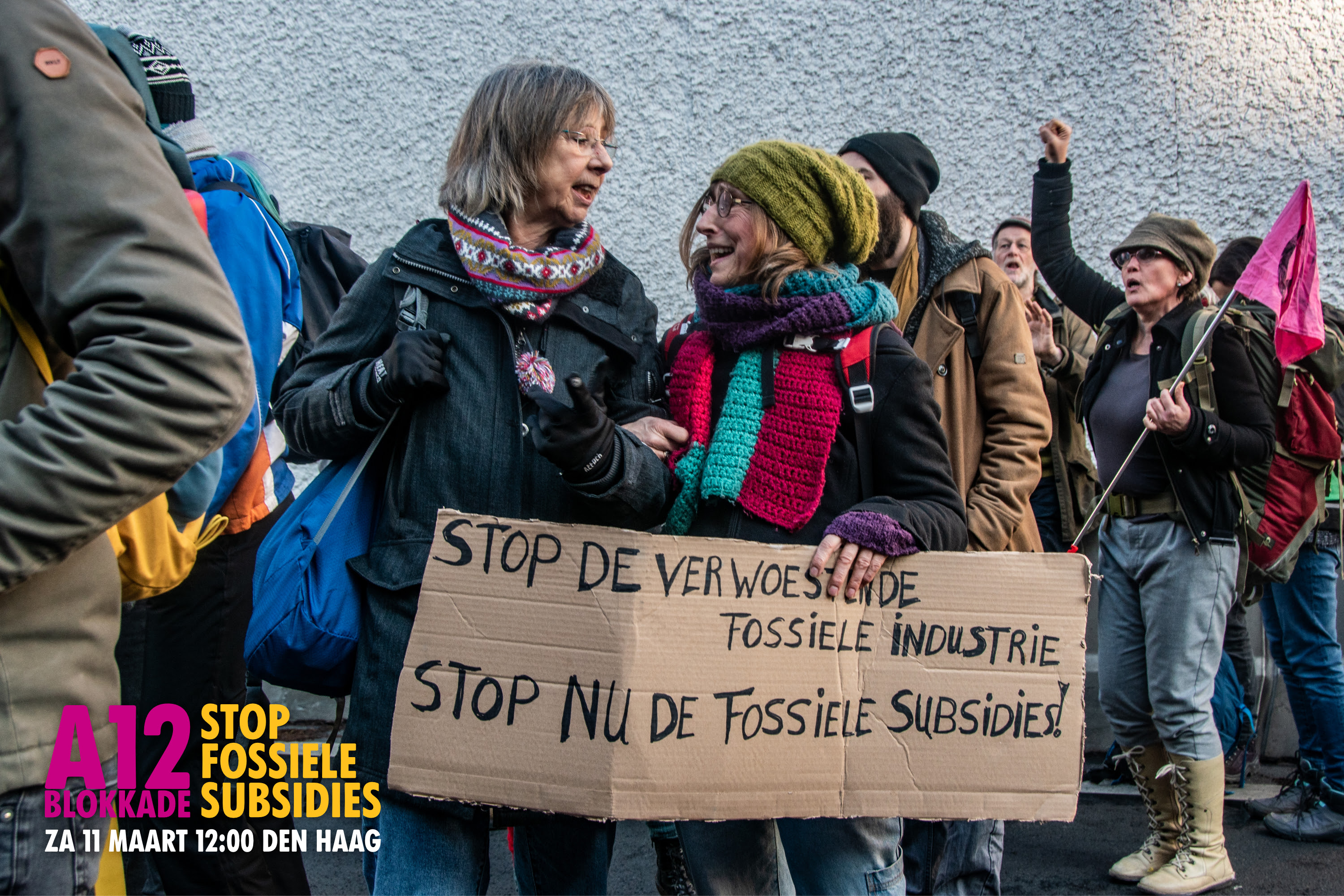
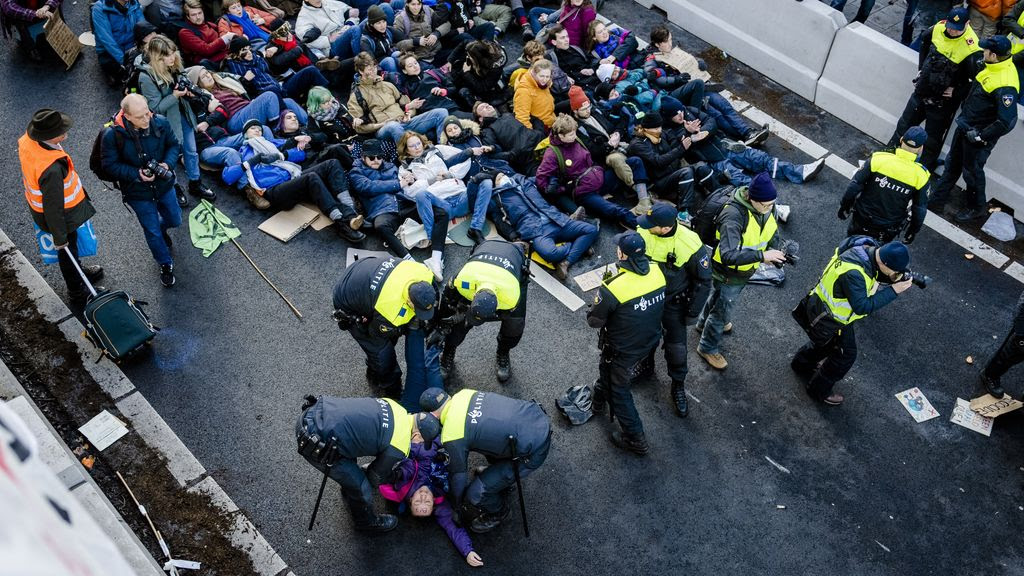
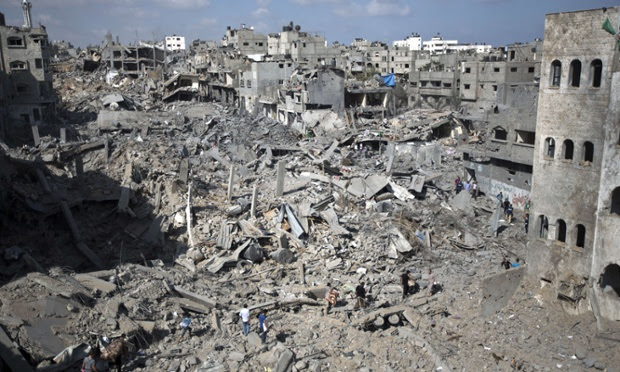
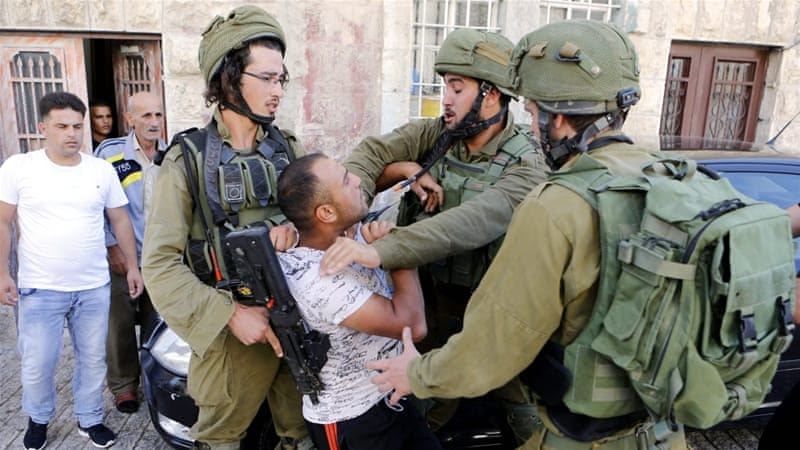

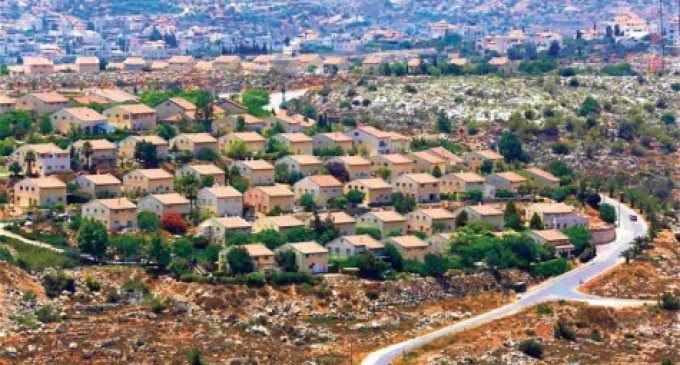
.jpg)


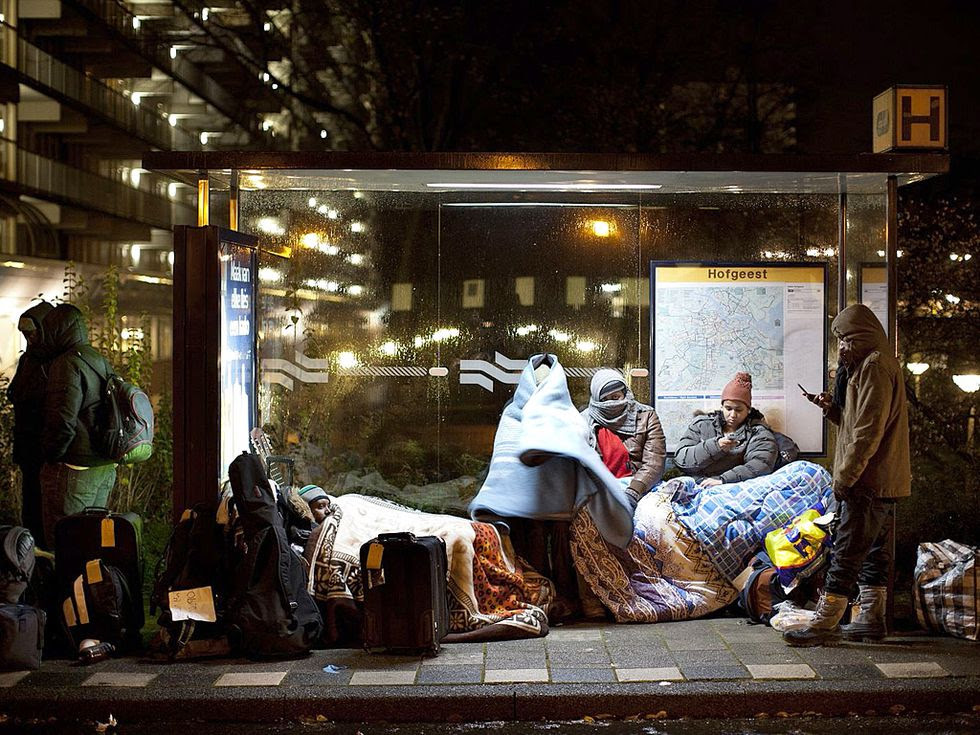
 De aankomst van een Nederlands schip met Afrikaanse totslaafgemaakten voor de verkoop, Jamestown, Virginia, 1619. (Hulton Archive/Getty Images)Beeld Getty Images